
The Council of Ministers has adopted a new law to prevent drug shortages
After the holidays, this new rule will begin proceedings in the Congress of Deputies so that it can enter into force. In addition to avoiding shortages, the law seeks to increase patient savings through a new pricing system.


On Tuesday, the Council of Ministers approved the preliminary draft of the Medicines and Pharmaceuticals Act, a new regulation that will bring many new developments to the current one, including measuresto prevent shortages or a new pricing system that will save the patient.
The draft will now begin to be processed in Congress and, if it is approved and entered into force in the Courts, it will replace the regulatory framework in force since 2015.
At the press conference following the Council of Ministers, the Minister of Health, Mónica García, pointed out that the law "responds to everyday situations" such as how long a patient needs to access new medicines or how to respond to a lack of drug supply.
Guarantee of supply
One of the main innovations is to ensure the supply of medicines, for which the new law introduces the concept of "strategic medicine", a drug deemed essential but whose supply is uncertain.
The Act shall empower the Spanish Agency for Medicinal Products and Medical Products to take economic and regulatory measures to ensure its permanent presence on the market.
New pricing system
In order to ensure savings, two additional pricing systems will be established and a medicinal product cannot be present in either system simultaneously.
On the one hand, there will be a reference pricemodel , which, as hitherto, will be the general framework for setting ceilings for homogeneous groups of equivalent medicines (containing the same active ingredient and the same method of intake), which are reviewed annually to strengthen the structural savings of the system.
On the other hand, adynamic price system has been created for off-patent drugs (generic, hybrid or biosimilar) , which can be adjusted gradually and automatically as the distribution volume increases.
Moreover, among medicines containing the same active ingredient, there may be several at different prices, so that the patient may choose a higher price mark by paying the difference from the lowest price in the group.
New drugs
The new law allows for the early introduction into the public health system of certain innovative medicines that meet an unresolved medical need or an urgent clinical need.
During the interim period, patients will be used and the results will be monitored, and if the expected benefit is confirmed, funding will be fixed, but if the results are not expected, the laboratory will have to make compensation.
New Prescription Powers
At the time of the adoption of the regulation, certain professionals (nurses, physiotherapy professionals) who have hitherto been unable to prescribe the use of medicinal products, as practitioners, dentists and podologists, shall also have the power to prescribe within the scope of their competence.
In order to ensure the effectiveness of this measure, the regulatory framework must be updated within one year, and interdisciplinary protocols designed to facilitate operational coordination between professionals must be drawn up and published.
Rational use of medicines
For the first time, the bill introduces the rational use of medicines and medical devices into a comprehensive framework and takes it as a guiding principle of pharmaceutical policy.
The aim of the rule is to ensure that each patient receives the treatment best suited to their clinical needs, at the right dose, for the necessary time and at the lowest possible cost to both the patient and society.
You might like
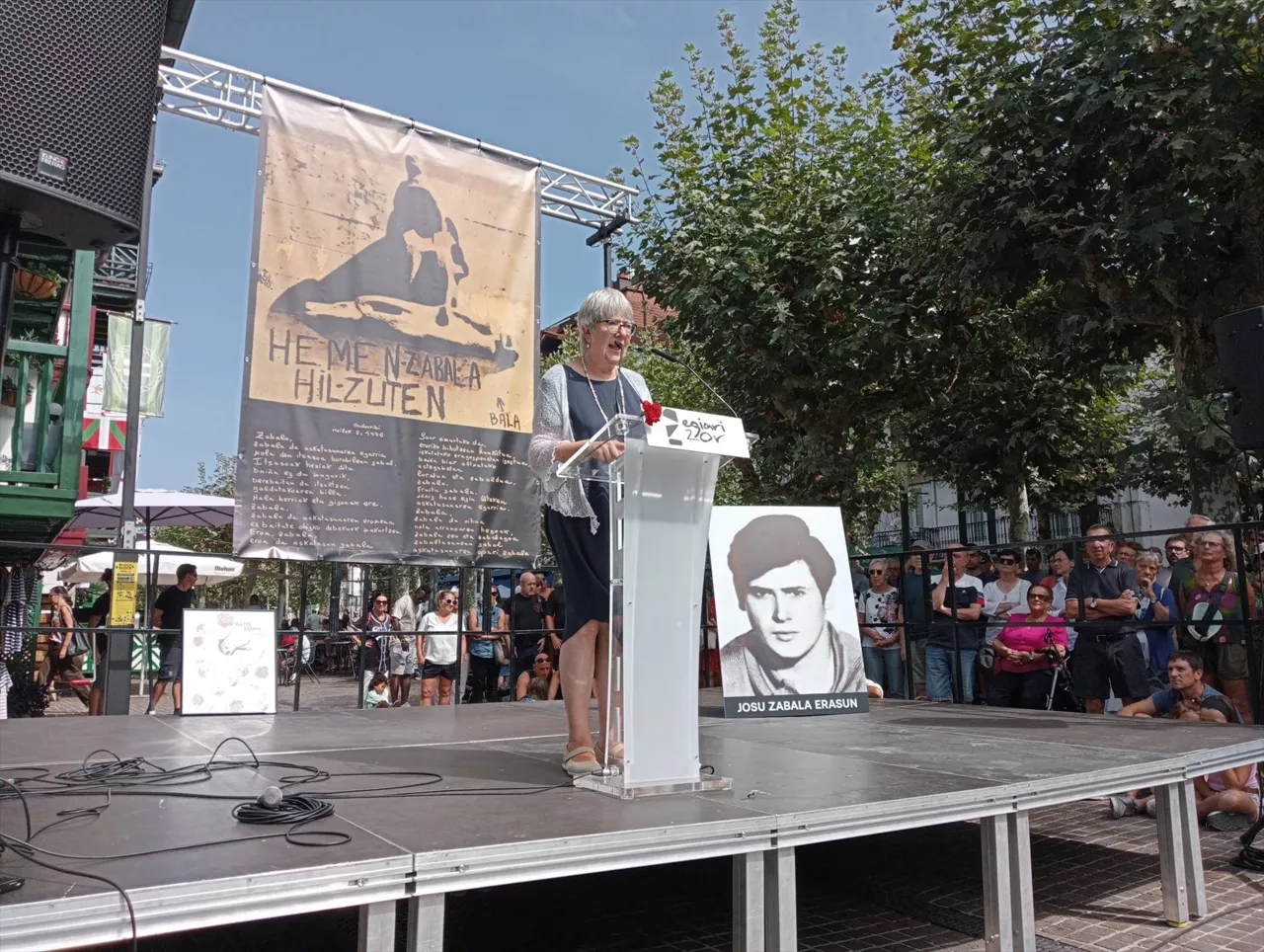
Josu Zabala Erasun was remembered in Hondarribia on the 50th anniversary of his death
Josu Zabala Erasun was shot dead by the Civil Guard in 1976 during a demonstration against the kidnapping of ETA member Eduardo Moreno Bergaretxe, 'Pertur'.
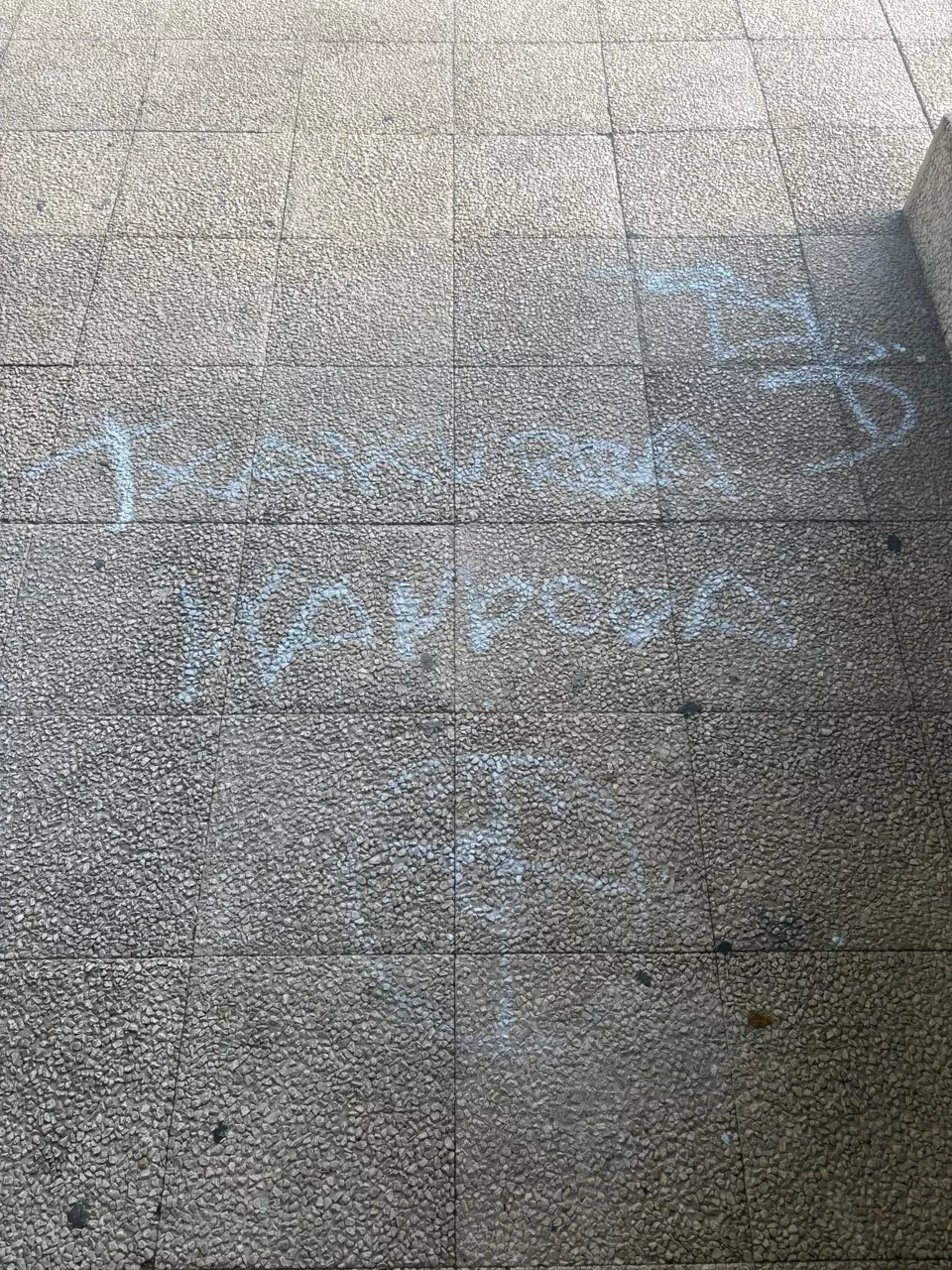
A painting against an ertzaina appears near his home in Vitoria-Gasteiz
The Department of Safety and Security has condemned "the threats and threats to the police, which recall past times and attack not only the said officer and the Ertzaintza, but also the foundations of democracy and coexistence".
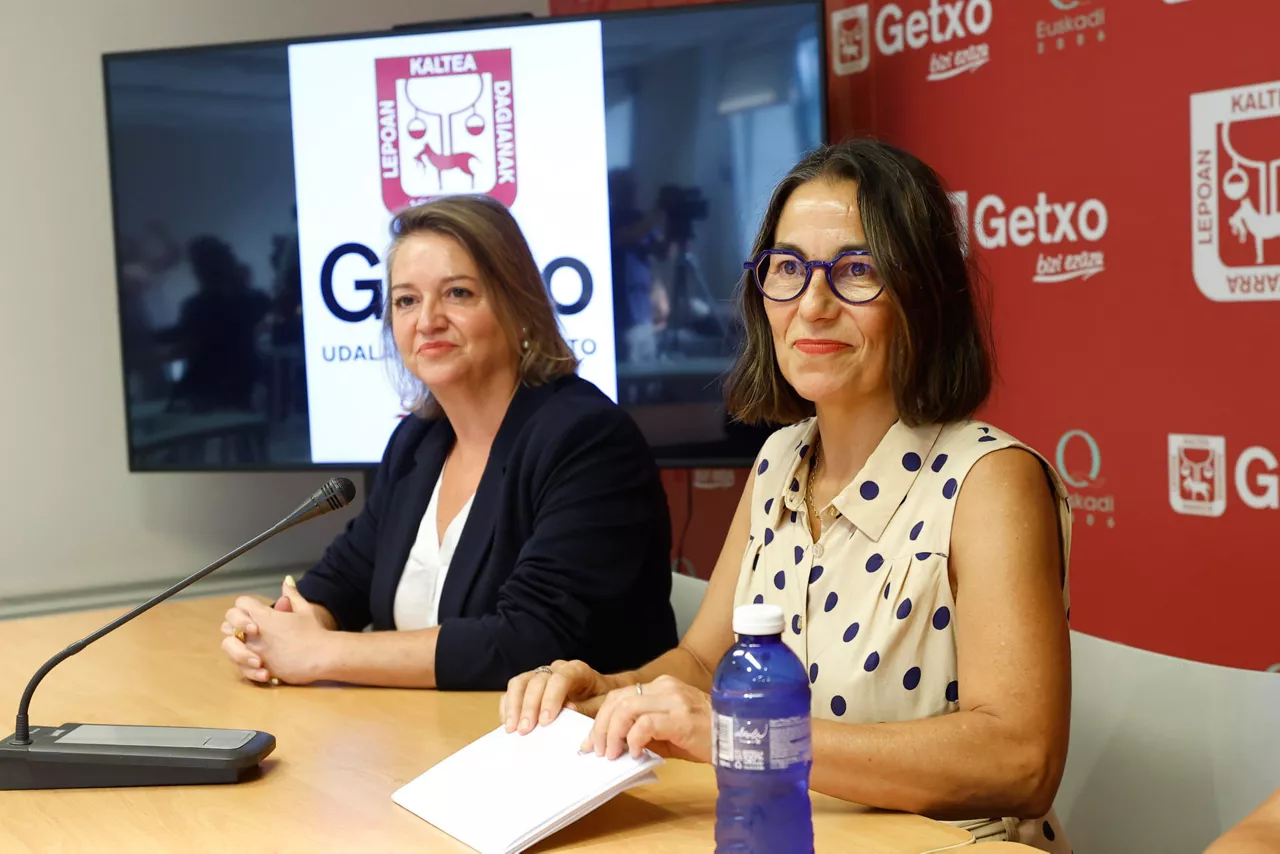
Agirre has called for a "public repair" of Irura's Bat Palace on the grounds that "progress" is not enough
According to the mayor, for months the debate has gone beyond the legal issue, with very serious accusations being made against the people affected and against the PNV, so he has clearly said that it is not enough to leave what happened behind.
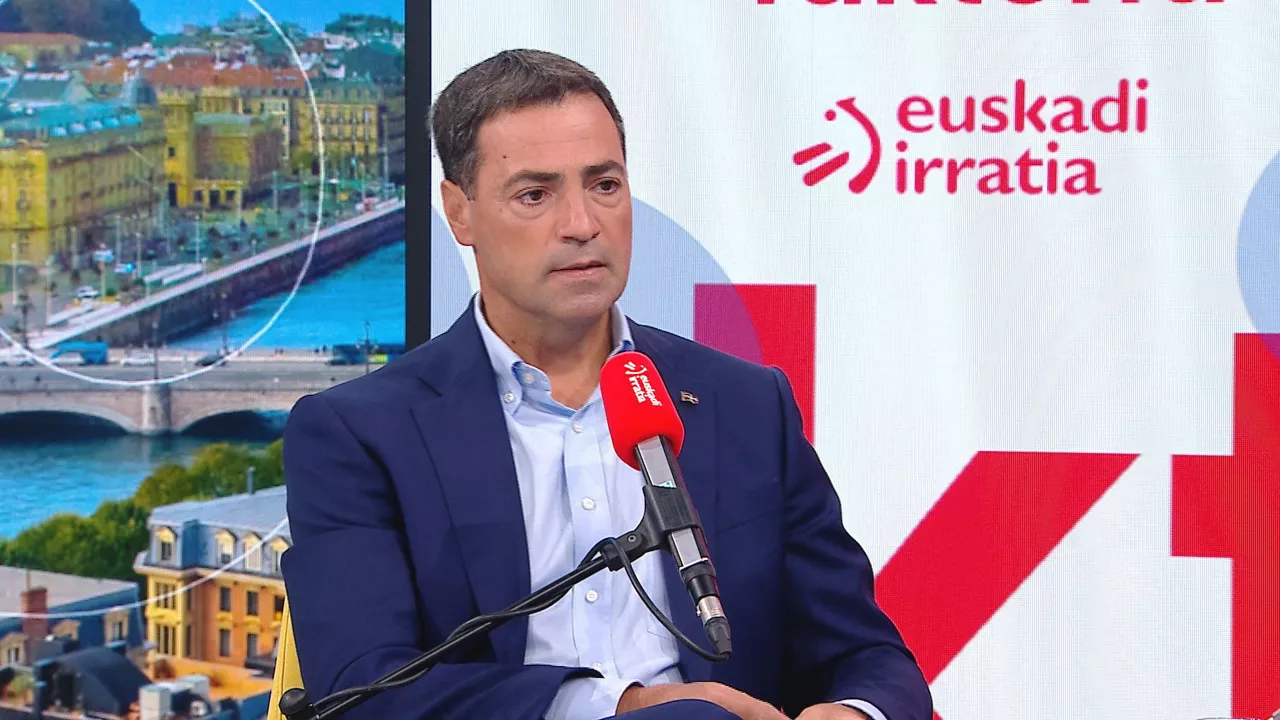
The President has assured us that there is no organized crime in the Basque Country today
Interviewed in the Faktoria programme of Euskadi Irratia, the President of the Basque Government, Imanol Pradales, has pointed out that the murders of recent years are mainly related to the deterioration of personal relations caused by drugs, addictions or gender-based violence, and has stressed that there is currently no organized crime in the Basque Country.
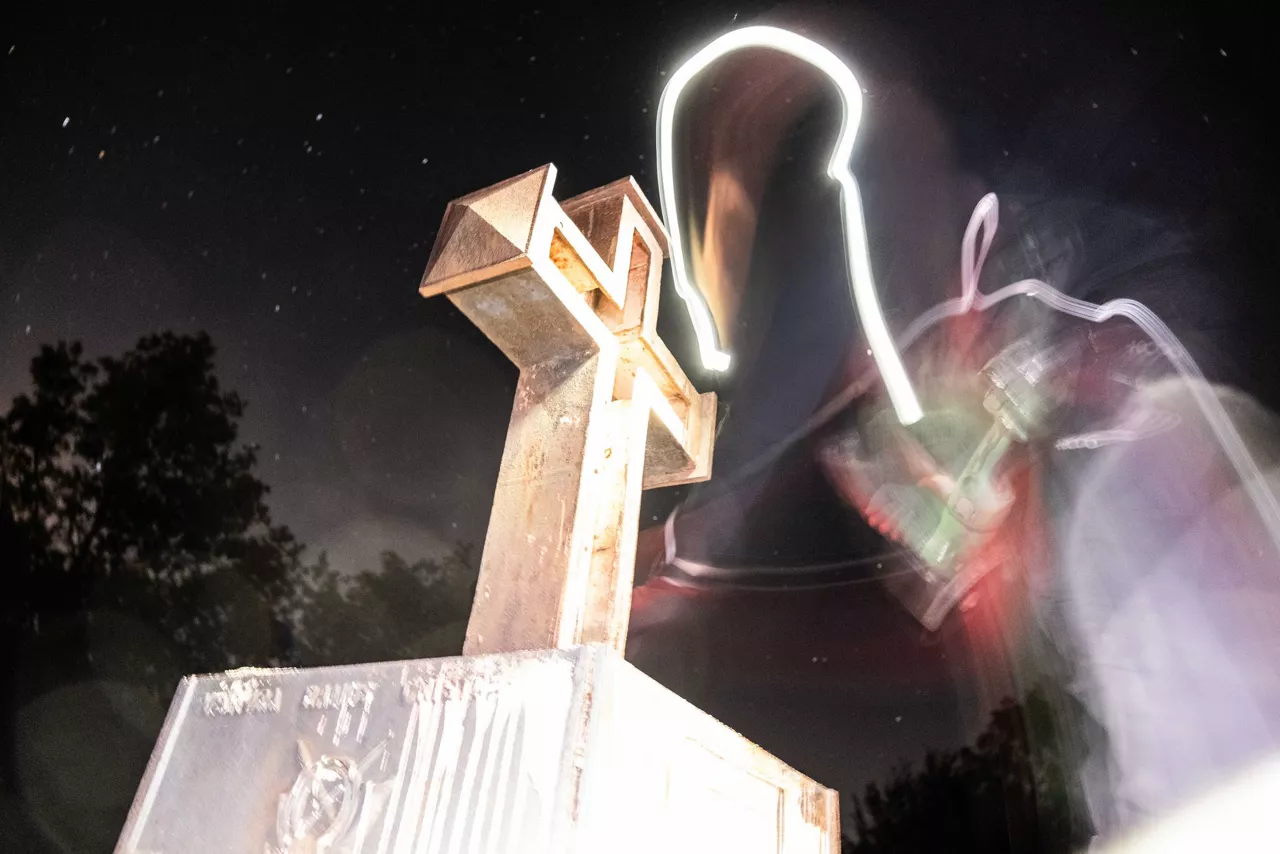
Ernai launches the Francoist cross of Mount Isuskitza
Ernai has shot down and videotaped the 1940 cross on Mount Isuskitza (Álava) in memory of the Franco requetés. The youth organization has claimed that fascism has no place in our country and has called for participation in the demonstration that will take place on 13 September in San Sebastian.
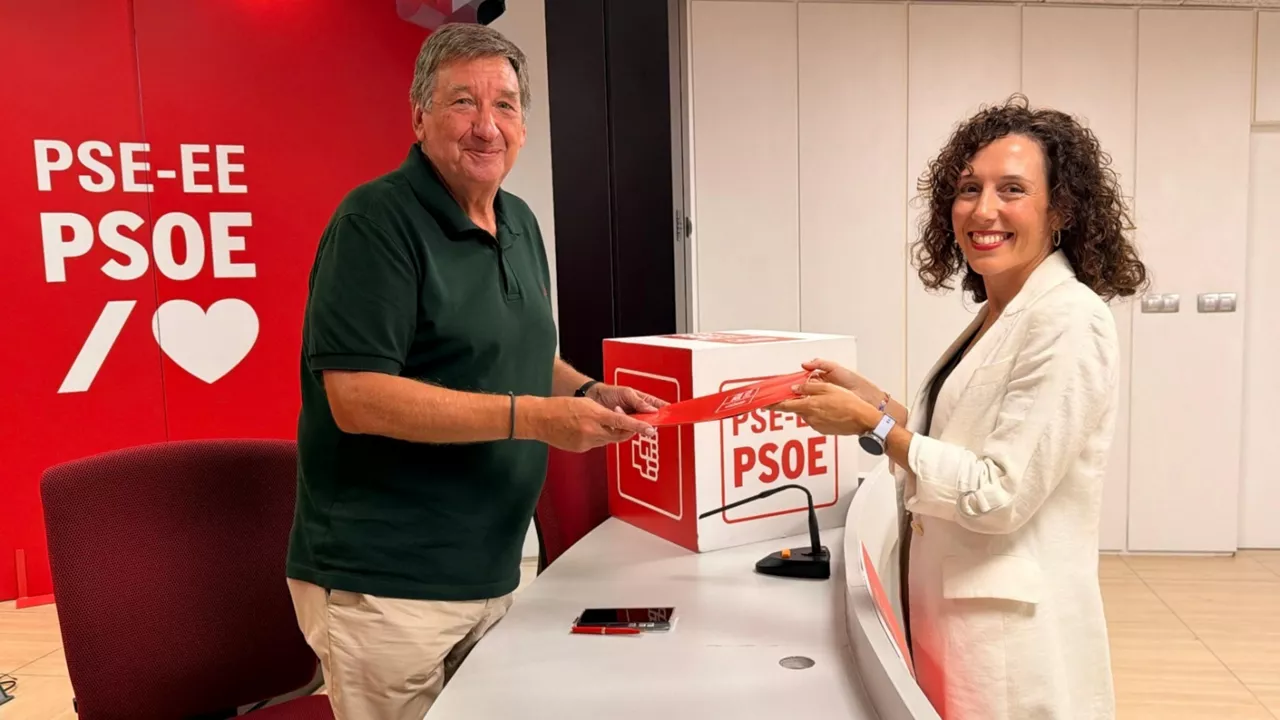
Nora Abete (PSE-EE) presents her candidacy for mayor of Bilbao
The current deputy mayor of the Bilbao City Council and spokesperson for the PSE-EE has explained that his candidacy stems from "proximity, listening and decision-making."
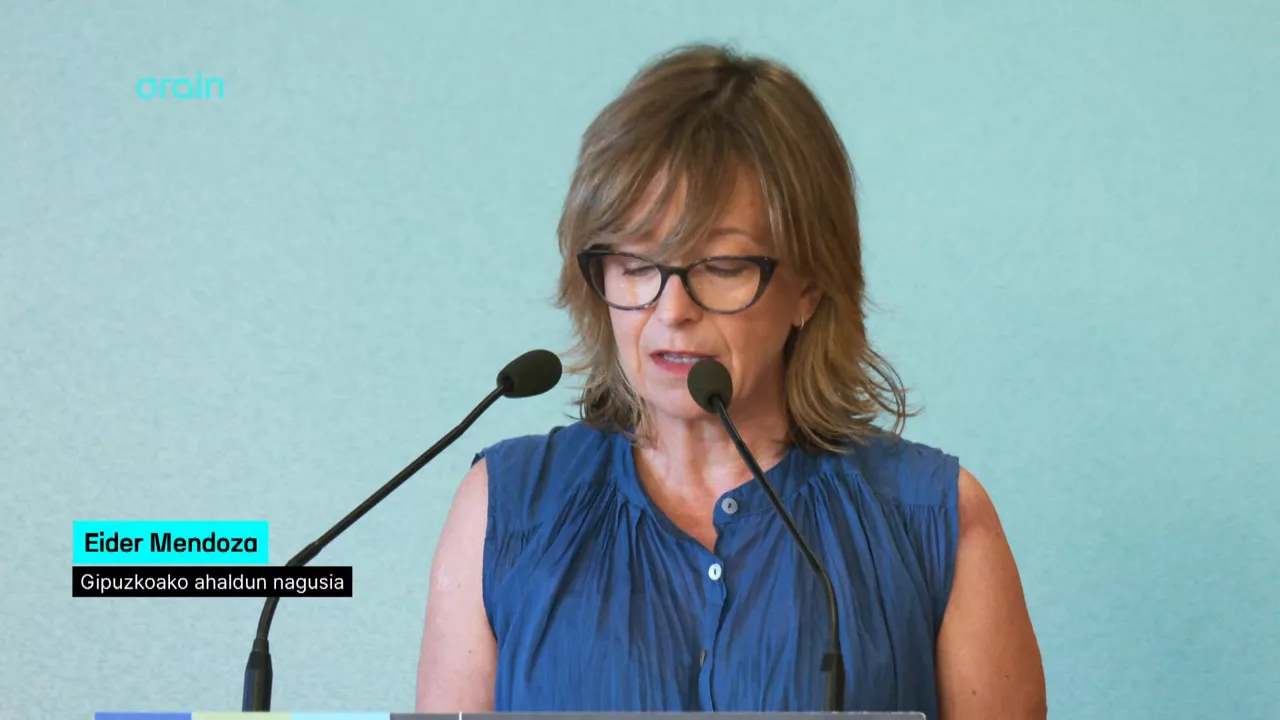
Gipuzkoa's Provincial Council will begin negotiating fiscal budgetary measures next week
Gipuzkoa MP Eider Mendoza has advanced her intention to start a round of talks with opposition groups to begin negotiations on the territory's budgets and some fiscal measures.
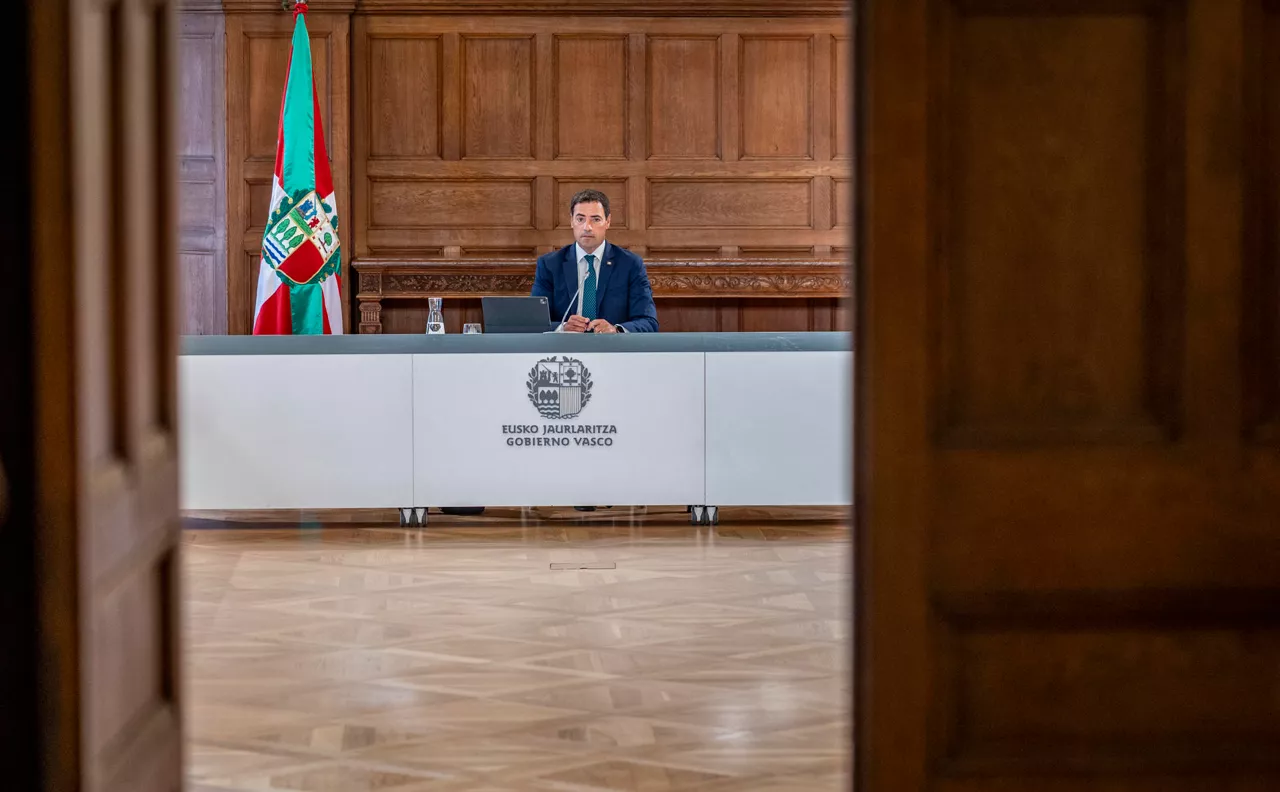
The President shall propose economic, self-government and housing agreements in his round of meetings with the parties and social partners
The meetings will take place from 8 to 15 September with the aim of strengthening dialogue and fostering partnerships in a context marked by international uncertainty and the electoral cycle of 2027.
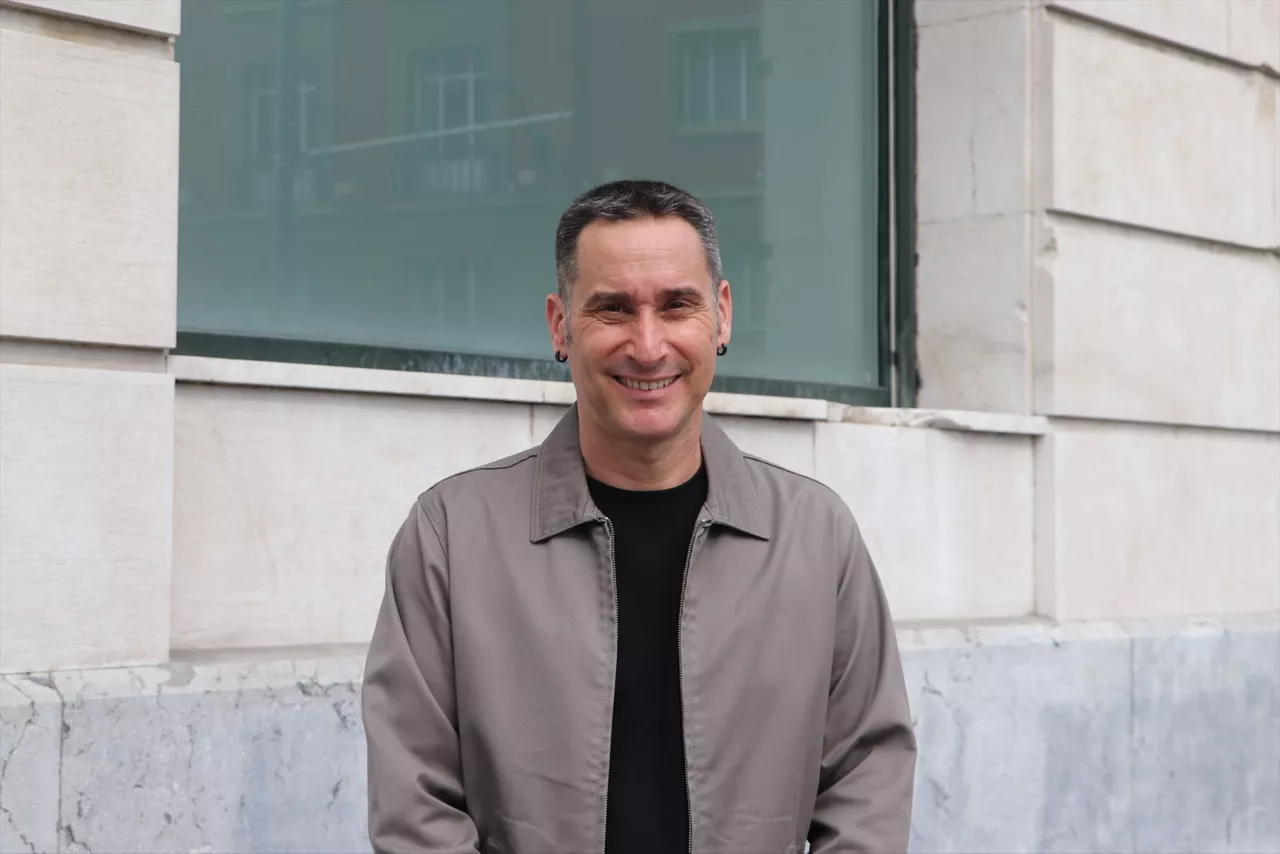
Iker Casanova will again be EH Bildu's candidate for Bizkaia's MP
EH Bildu's Bizkaia Political Bureau believes that baracaldés is the right person to represent the project of left-wing sovereignty.
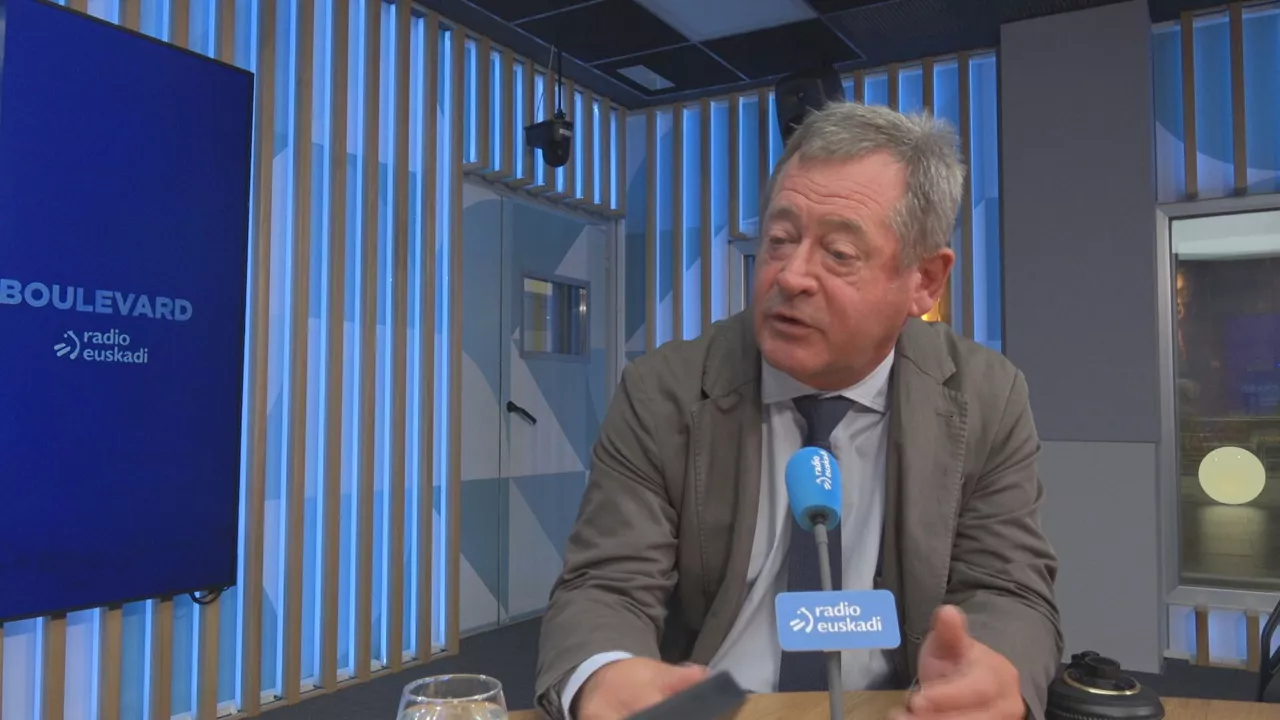
Zupiria believes that there is no political tint in the recent incidents between young people and the Ertzaintza
The Security Adviser of the Basque Government, Bingen Zupiria, has linked the incidents to young men, the consumption of alcohol and other substances and the "disinhibition" of night leisure. Asked about Ceuta, he regretted that Morocco was not asked to "assume its responsibility".