Amnesty International has asked CAF to reverse the Jerusalem light tram project
This initiative, involving the railway construction company, is helping to build 27 kilometres of new railways and 50 stations in the West Bank to "connect the colonies with East Jerusalem."


Amnesty Internationalurges the central and Basque governments to examine the possible links of the Guipuzcoan company CAF with what it describes as "illegal conduct in Israel" and to take the necessary measures to prevent this company from cooperating in the illegal occupation of Palestine.
TheDirector of Amnesty International in Spain, Esteban Beltrán, has asked CAF in a statement to withdraw the Jerusalem light tram project, which arose after the Special Rapporteur for Palestine, Francesca Albanese, included it in a report to the UN Human Rights Council this week and summoned the Guipuzcoana company.
In the communiqué, Albanes stated that the initiative, in which the railway construction company participates, contributes to the "establishment and expansion of settlements" in Israel, as it contributes to the construction of 27 kilometres of new railway lines and 50 stations in the West Bank that "connect the colonies with East Jerusalem".
Amnesty International recalls that CAF has been involved in this project since 2019, forming a consortium with the Israeli company Shapir . It also denounces that the new line links Israeli territory with illegal settlements in East Jerusalem, "a territory occupied in 1980, whose annexation is not recognized by either the United Nations or the European Union".
For this reason, the organization has again asked CAF to "stop looking the other way" and withdraw from the project, as its participation "contributes to the settlement and maintenance of illegal sites".
Finally, Amnesty International has recalled that in 2024 the Catalan company COMSA left a consortium to build the blue line of the Jerusalem tram and last week Sidenor announced that it had suspended its steel sales to Israel.
You might like

Glovo is accused of having kept the company's distributors working on the streets during the October 3 storm
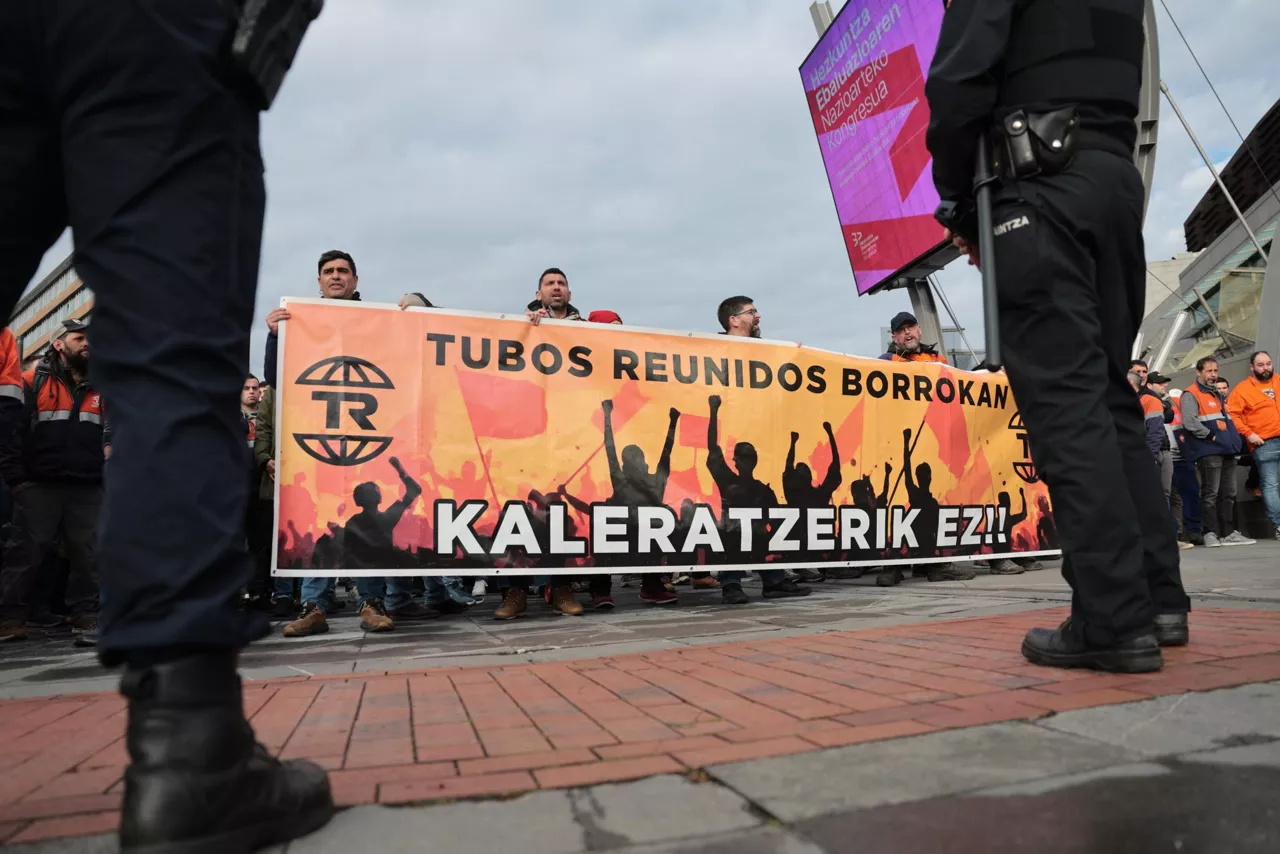
The five investors interested in buying Tubos Reunion will meet with the unions next week

ELA and LAB demand "more leadership" from the government to convene employers to negotiate their own SMI

SpaceX and Tesla are considering merging to create a tech giant backed by Elon Musk
Wine unions announce mobilizations in Rioja Alavesa in search of an agreement

There will be news: the lehendakari meeting with ELA and LAB, the cold front and protests in France
Denis Itxaso advocates new measures to rent empty homes
The average income in the Basque Country increased by 7.2% in 2024, to 28,170 euros

LAB's General Coordinator calls for participation in the November 11 general strike to channel citizens "demands