Unpaid domestic work accounts for almost 29% of Basque GDP
It is mainly women who are in this need, but in the last 30 years male involvement has increased by 15.8 percentage points.


The value of unpaid domestic work is 28.8% of the GDP of the Basque Country, reaching 26,856 million euros in 2023, according to the latest data provided by Eustat.
The Basque Institute of Statistics has stressed that these data highlight the importance of the activities carried out at home, since most of them are not accounted for in GDP, but are "essential for collective welfare".
The Basque Institute of Statistics, Eustat, has held the seventh edition of the Domestic Work Satellite Account, the main objective of which is to provide an overall picture of the production activities carried out in households and to calculate their economic value.
The distribution according to 2023 did not differ much from that of 2018, but there were some differences. With regard to the provision of accommodation, the data were the same as five years ago (29.6%).
It should be noted, however, that work relatedto the provision of food is increasingly important, increasing to 43.4% (three points higher than in 2018) and clothing, to 8.1% (half a point higher), while work related to care and education is falling to 18.9%, three and a half points lower than in 2018.
With regard to the gender distribution, there is still a "significant" gender gap, with 63.5 per cent of women performing these tasks in 2023 (67.2 per cent in 2018); however, the involvement of men is gradually increasing, increasing by 15.8 points in the last 30 years.
By territory, the largest number is found in Bizkaia, at 55.2 per cent, followed by Gipuzkoa at 30.3 per cent and Álava at 14.5 per cent.
The evolution of the last 30 years shows that domestic production is countercyclical , as it increases in times of crisis as a result of the transfer of resources from the market economy to the unpaid domestic economy and decreases in good times, Eustat explained.
In 1993, the weight of unpaid domestic work reached 45.5%, compared to 28.8% in 2023, remaining at levels similar to those of the previous edition (27.4% in 2018).
You might like
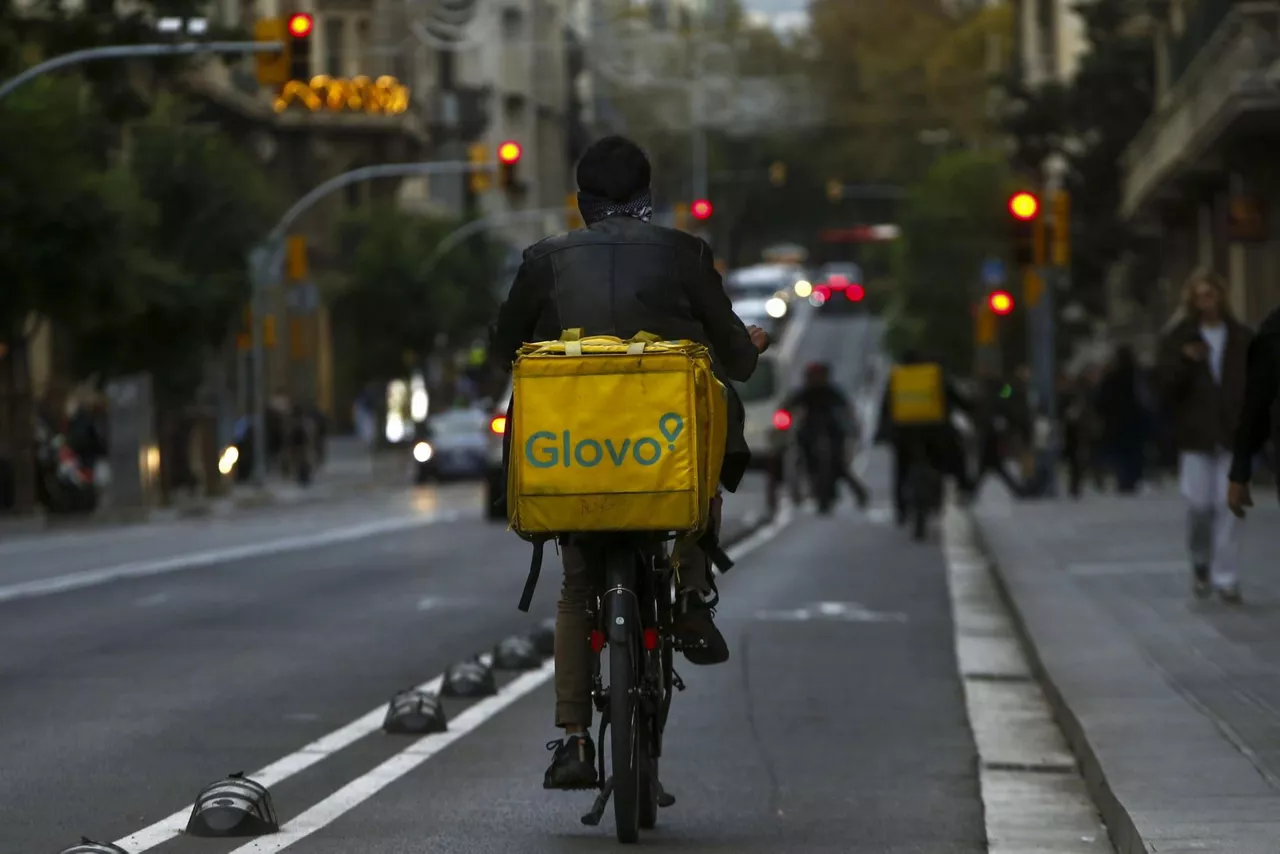
Glovo is accused of having kept the company's distributors working on the streets during the October 3 storm
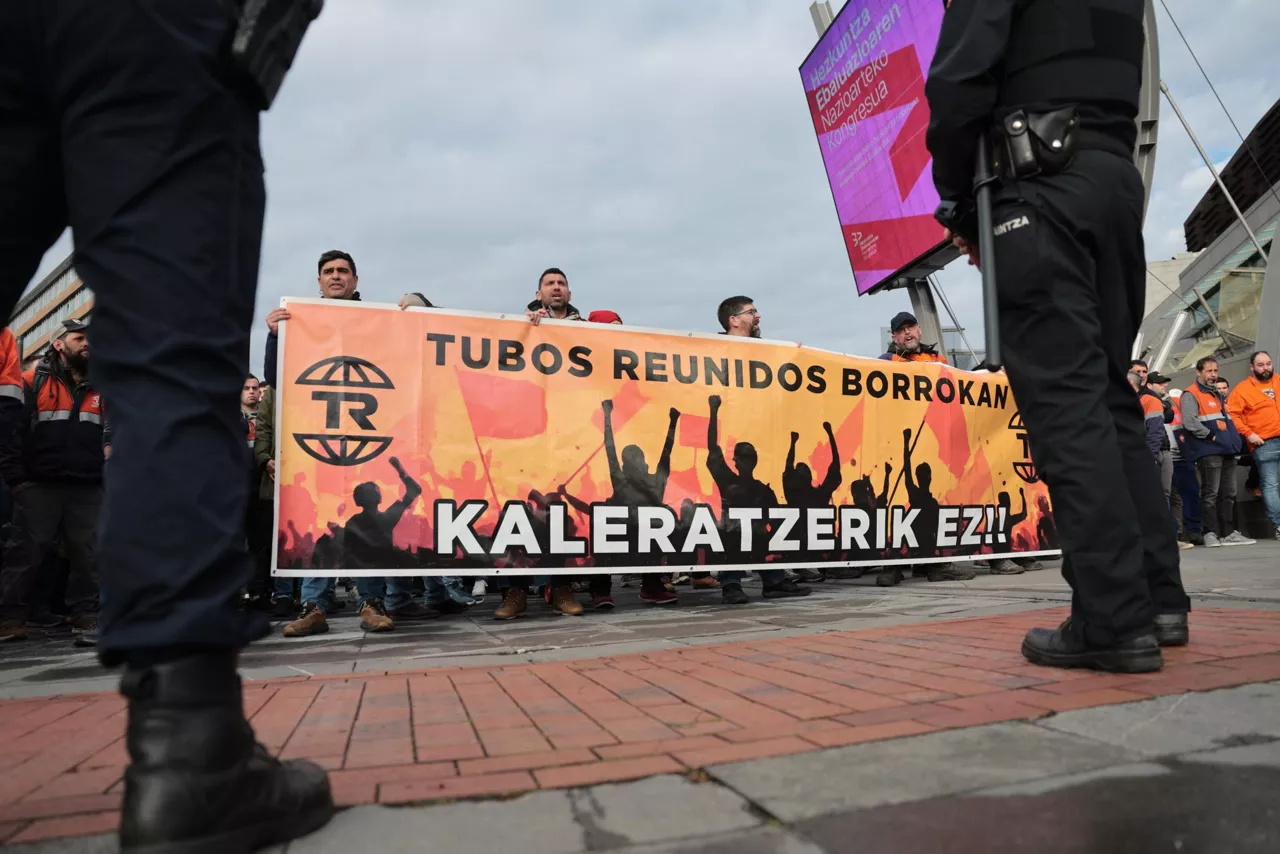
The five investors interested in buying Tubos Reunion will meet with the unions next week

ELA and LAB demand "more leadership" from the government to convene employers to negotiate their own SMI

SpaceX and Tesla are considering merging to create a tech giant backed by Elon Musk

Wine unions announce mobilizations in Rioja Alavesa in search of an agreement

There will be news: the lehendakari meeting with ELA and LAB, the cold front and protests in France

Denis Itxaso advocates new measures to rent empty homes

The average income in the Basque Country increased by 7.2% in 2024, to 28,170 euros
LAB's General Coordinator calls for participation in the November 11 general strike to channel citizens "demands