Mental health and waiting lists, keys to the rise of absenteeism in Navarre
67% of workers had no casualties in 2025, but a small group concentrated most of the days of absence, according to the Absenteeism Barometer.


The increase in the incidence of mental health disorders and waiting lists is the key to the increase in absenteeism in the Foral Community, according to the 2025 Absenteeism Barometer prepared by the Mutua de Navarra.
While 66.7% of workers did not have a leave in 2025, only 6.53% of people accumulate 80% of the days off and the percentage of people with three or more annual casualties continues to rise, as highlighted by Javier Andueza, head of the Management of Relations, Absenteeism and Institutional Relations with Mutualists in Navarra.
Workers who did not register casualties in 2025, together with those who did only one, account for almost 90 per cent of the total protected population, and three out of four completed casualties lasted less than 15 days, confirming the high concentration of short-term processes.
General increase in common contingencies
The incidence of common contingency casualties increased by 2.87 per cent compared to 2024, especially in the second half of the year due to the increase in respiratory diseases in autumn and winter.
The prevalence, which measures the number of active casualties, reached 45.29 cases per 1,000 workers, a historic peak and 36 per cent higher than in the years prior to the pandemic, and each worker lost 17.29 days of temporary incapacity last year, an increase of 3.32 per cent over 2024.
Almost 17% of casualties last more than a year and cover about half of all days of leave. Traumatology and mental health have increased waiting lists in specialties, causing significant delays in diagnostic tests, surgical interventions and examinations.
This has a significant impact on people's health, resulting in an increasing number of casualties when they reach 18 months and an increase in the number of days of absence from work.
As for family diagnoses, musculoskeletal disorders increase incidence and duration, and those related to mental health increase incidence to 33.50 cases per thousand people.
The impact is particularly significant among women and people under 40, where growth is particularly rapid. Among women aged 30 to 40, the incidence has increased by 24.3 per cent.
Navarre: high incidence of occupational accidents
According to barometer data, in Navarre there is a high incidence of occupational accidents, the second highest in the Spanish State, surpassed only by the Balearic Islands.
In addition, Navarre is the leader in the accidents of self-employed workers. Although the figures have improved slightly compared to the previous year, the high accident rate makes prevention a priority axis for companies and administrations.
Conclusions of the study
The study concludes that absenteeism is still a major challenge for organizations. 67% of workers had no leave in 2025, but a small group concentrated most of the days of absence.
Health waiting lists and the increase in mental pathologies, which increased by 12.3 per cent and had an average duration of more than 90 days, have a direct impact on the number of long-term casualties.
You might like
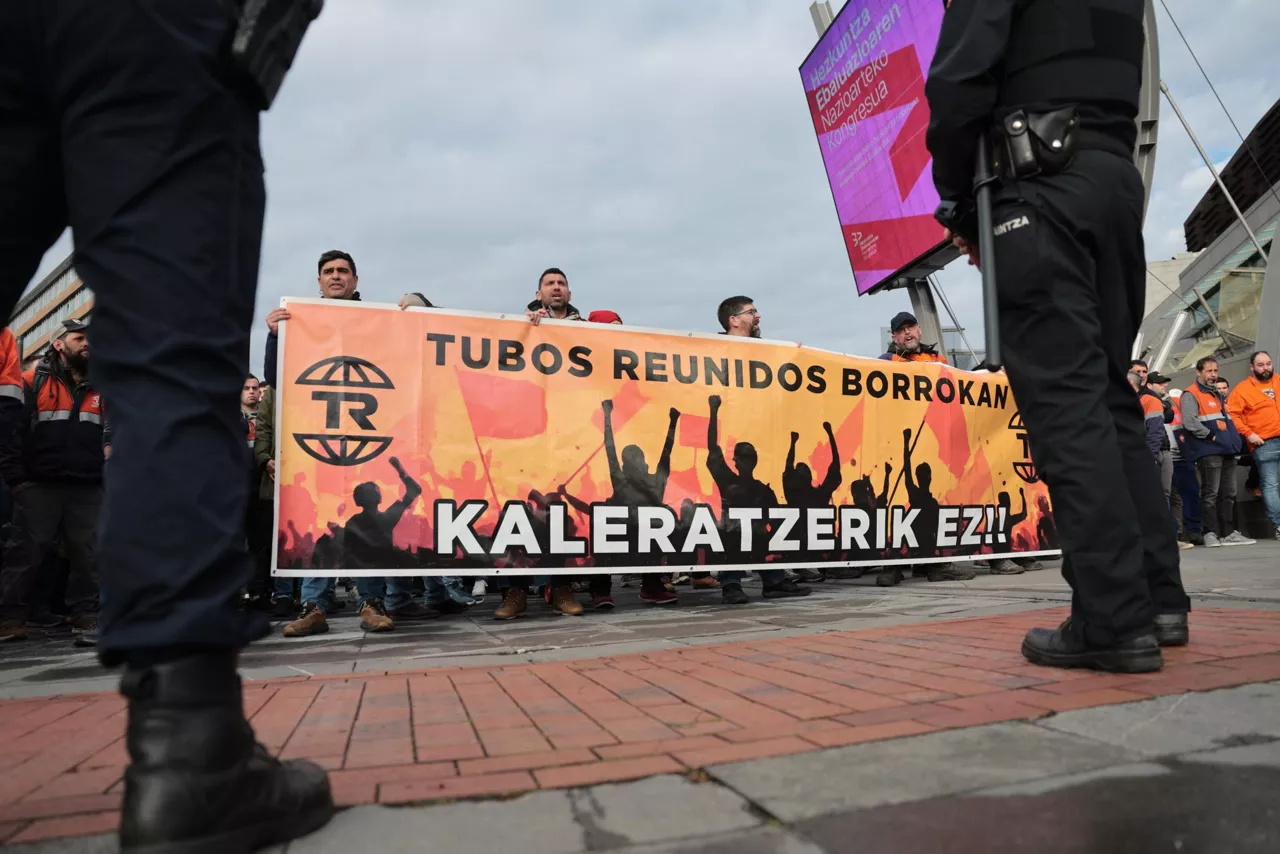
The five investors interested in buying Tubos Reunion will meet with the unions next week

ELA and LAB demand "more leadership" from the government to convene employers to negotiate their own SMI

SpaceX and Tesla are considering merging to create a tech giant backed by Elon Musk
Wine unions announce mobilizations in Rioja Alavesa in search of an agreement

There will be news: the lehendakari meeting with ELA and LAB, the cold front and protests in France

Denis Itxaso advocates new measures to rent empty homes

The average income in the Basque Country increased by 7.2% in 2024, to 28,170 euros
LAB's General Coordinator calls for participation in the November 11 general strike to channel citizens "demands

The top five offers from Tubos Reunion propose reducing staff and changing working conditions