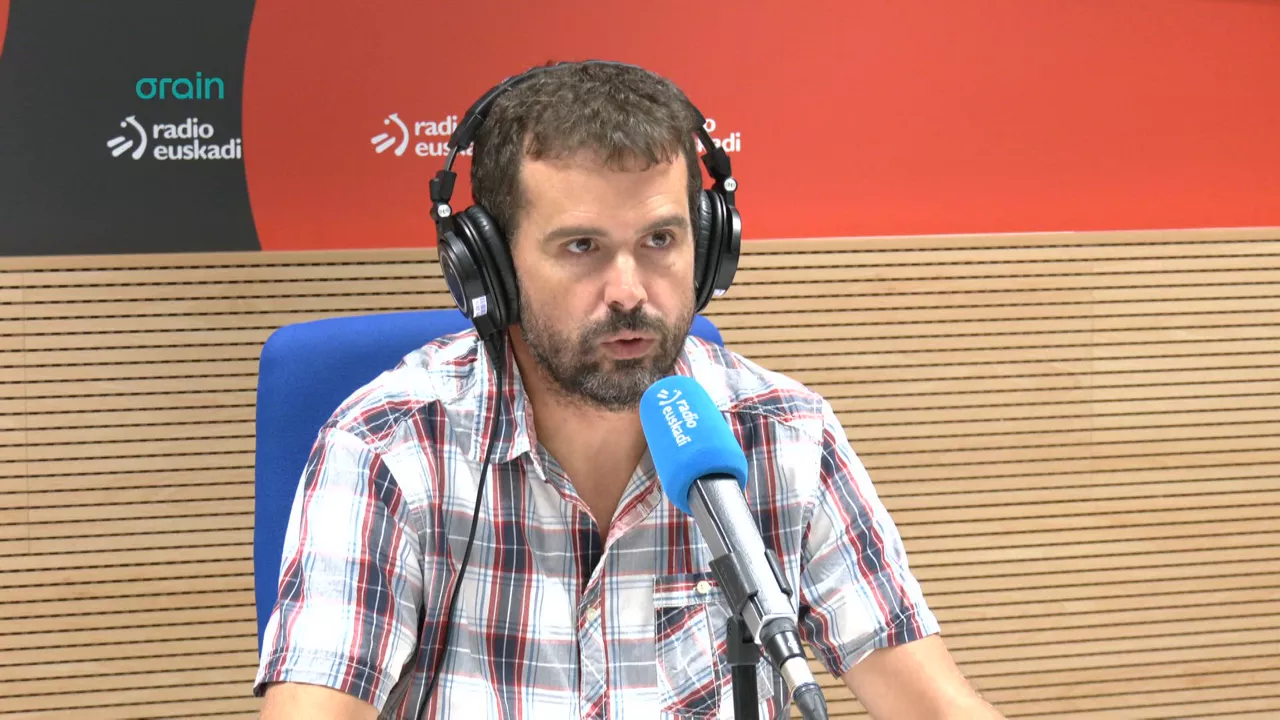
The Basque Country is at the top of the absenteeism rate, at 9.4%
Navarra, for its part, has an absenteeism rate of 7.4%, reaching the highest figure in the last five years, with both communities exceeding the Spanish average.


The trend towards absenteeism continues to increase in Hego Euskal Herria. According to the latest data from the National Institute of Statistics (INE), analysed in a report by Randstad Research, both the Basque Country and Navarre have exceeded the Spanish State average (7.2%), although the most worrying figures are the Basque Country, which has broken all records.
The figure for the Basque Autonomous Community is the highest in the Spanish State, reaching 9.4% in the first three months of the year. According to the report, temporary incapacity (IT) or medical leave have been the main causes of this absenteeism. By sector, the service sector has been the most affected in the Basque Country, with 9.7% of the hours lost.
In Navarre, absenteeism stands at 7.4%, the highest figure in the last five years, which also puts the Foral Community above the state average. In this case, medical leave has resulted in a 5.6% loss of agreed hours. Compared to the ACV, industry in Navarre has been the sector most affected, with a rate of 7.4%.
With regard to the Spanish State, absenteeism stood at 7.2 per cent of the agreed hours, two tenths higher than in the previous year, with a total of 1,602,889 persons not attending their jobs on average daily, 1,240,138 workers missing from medical leave and more than 362,000 without health reasons (22.6 per cent of all absences).
You might like

Rent map by neighborhoods and streets in the South Basque Country
Glovo is accused of having kept the company's distributors working on the streets during the October 3 storm

The five investors interested in buying Tubos Reunion will meet with the unions next week

ELA and LAB demand "more leadership" from the government to convene employers to negotiate their own SMI

SpaceX and Tesla are considering merging to create a tech giant backed by Elon Musk
Wine unions announce mobilizations in Rioja Alavesa in search of an agreement

There will be news: the lehendakari meeting with ELA and LAB, the cold front and protests in France

Denis Itxaso advocates new measures to rent empty homes
The average income in the Basque Country increased by 7.2% in 2024, to 28,170 euros