
Bizkaia metal unions denounce deadlock in negotiations
According to the trade unions, which attend the meetings on a joint platform, the Vizcaíno metallurgical employers do not accept any improvements and want to maintain a state of inaction.


The unions ELA, LAB, CCOO and UGT have denounced the Federation of Metal Companies in Bizkaia's outright rejection of all proposals by the joint trade union platform. Both parties are negotiating a new agreement, the next meeting of which will take place on 18 November, according to the four unions.
ELA says that if employers maintain their position, the conflict will have to be transferred to the workplace and to the streets.
On the other hand, LAB has criticized that employers "do not accept wage improvements, reductions in working hours, advances in seniority, occupational health, employment, leave or social rights".
As he explained, the only movement of employers in the metal sector in Bizkaia has been to propose wage increases of 3% in 2026, 2.5% in 2027 and 2028, and 1.5% in 2029 and 2030. "These increases do not guarantee purchasing power and will make it difficult for workers to cope with the increase in life prices," he stressed.
Furthermore, the employers "maintain the reductions proposed in February, such as greater time flexibility, the limitation of the supplement to temporary incapacity due to accidents at work and occupational illness, the establishment of conditions for the enjoyment of permits and the restriction of trade union rights".
The CC. OO. has lamented that they have lost a year because of employers, who "demanded a joint platform to buy time and deceive workers," and has not brought any improvement to the meeting.
"The federation does not respect the negotiation: it asks them to reduce what our platform demands because they find it excessive," he said, adding that the employers have shown them that the negotiation does not go with them, which makes "a clear call to conflict."
Finally, UGT FICA of the ACV has pointed out that the only approach the federation has taken so far is a five-year (2026-2030) agreement with lower wage increases than the Basque CPI, which "does not guarantee the purchasing power of workers in the sector when it is necessary to compensate for the shortage of life".
It therefore calls on employers to "stop delaying the process and put forward a serious proposal at the level of the sector and the current economic and social situation."
You might like
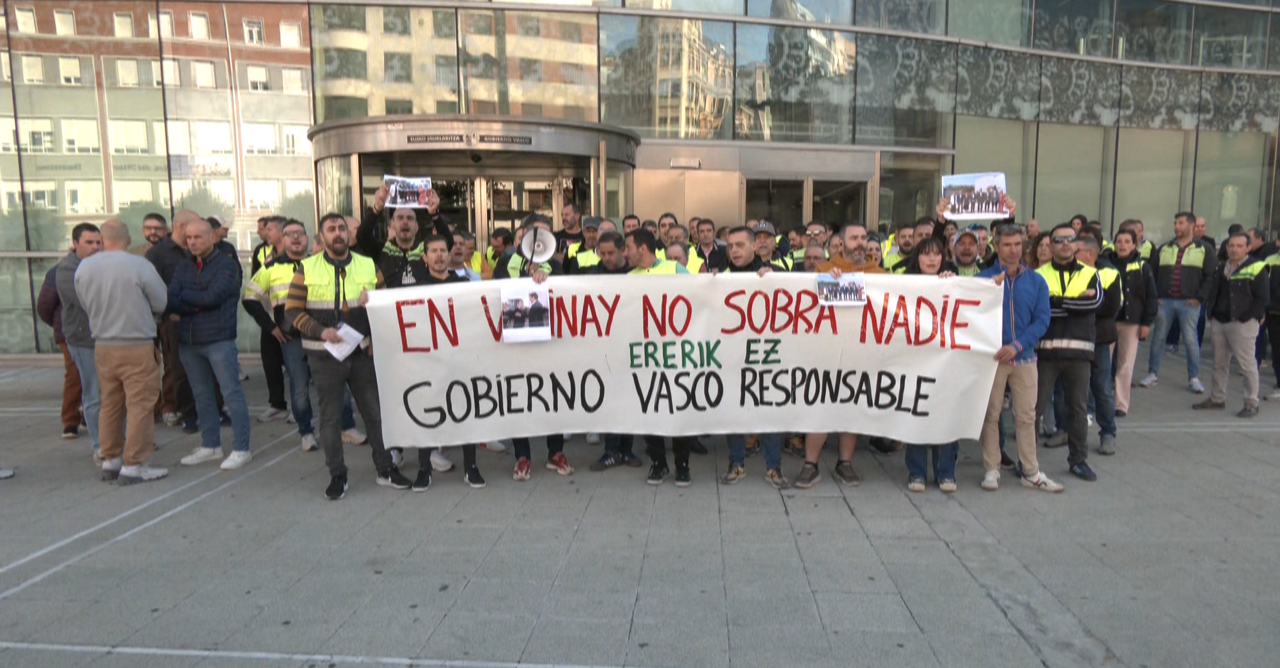
Vicinay workers believe that the employer is more interested in land than in industrial activity

The strike is having a "major impact" on Osakidetza, according to trade unions

Million-dollar theft on the largest cryptocurrency platform
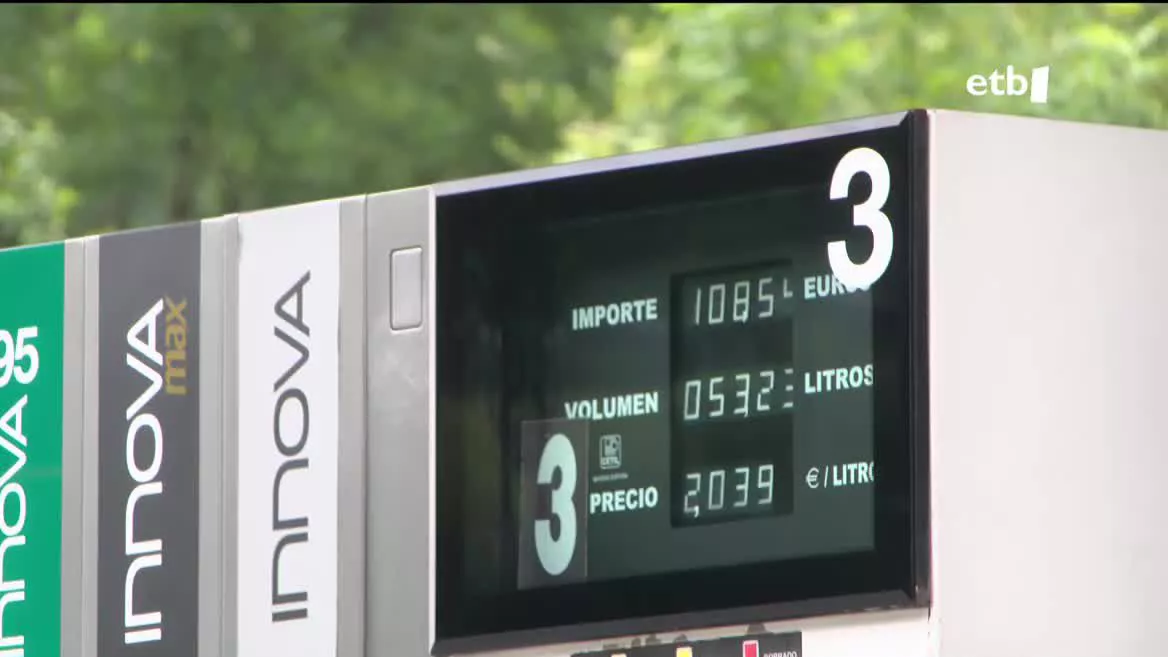
The CPI maintains 4.9% in October, despite lower fuel prices

One of the bidders of Tubos Reunion, Green Industry, will meet with the unions on November 5

Getxo will charge cruise passengers a tourist fee of 7.70 euros per night

The European Central Bank keeps interest rates at 2.5% despite rising inflation
Kutxabank made a profit of 638.9 million euros until September, 38.4% more than last year
