More than 43,300 people live with Alzheimer's in the Basque Country: a great challenge for which prevention is basic
According to experts, more than 120,000 people could be affected by 2050. The associations of family members and caregivers have stressed the importance of recognizing the rights of caregivers, and have highlighted this work, which is often invisible.

A scientist researching Alzheimer's.

Today, September 21, World Alzheimer's Day da; a day to make visible the most common neurodegenerative disease and remind those who live with it. Euskal Herria has about 43,300 people. In particular, in the Basque Autonomous Community (CAV) there are 40,000 people 000 and in Navarre there are about 3,300 people.
Although there is no specific data, experts warn that the incidence of this disease is increasing ari, so by 2050 120,000 people could be more affected than 000 if more effective treatments are not developed.
The situation in the Spanish State is also worrying: some 800,000 people have Alzheimer's, and every year there are 40,000 new diagnoses.
This year, the motto is "Equalizing Rights" , a claim that goes beyond patients, who have stressed the importance of recognizing the rights of those who care for patients , a work that is often invisible and carries a great emotional and physical burden.

As the experts point out, early detection is one of the keys to improving prognosis. In this context, more and more bonded treatments are being developed, some of which are in advanced stages of testing. Enly,artificial intelligence\u00A0 can help improve diagnosis , patient follow-up and the quality of life of caregivers.
Research, prevention and protection are the main keys to combating this disease. In Gipuzkoa, for example, close aid is one of the main axes, and associations across the Basque Country are calling for greater investment in support resources and psychological support.
In addition, awareness campaigns emphasize the importance of prevention Maintaining an active life physically, mentally and socially, as well as preventing tobacco and alcohol, significantly reduce the risk of developing the disease.
Today, associations, professionals and families have joined voices so as not to forget those who help people with Alzheimer's and continue to build a fairer, more empathetic and more prepared society.

You might like

The TSJPV has ruled that the villa built by Xabi Alonso in Igeldo is legal

UPV/EHU will not renew its partnership agreement with CAF after five years of running

Lack of resources is the main cause of teacher stress in the ACV, according to a study
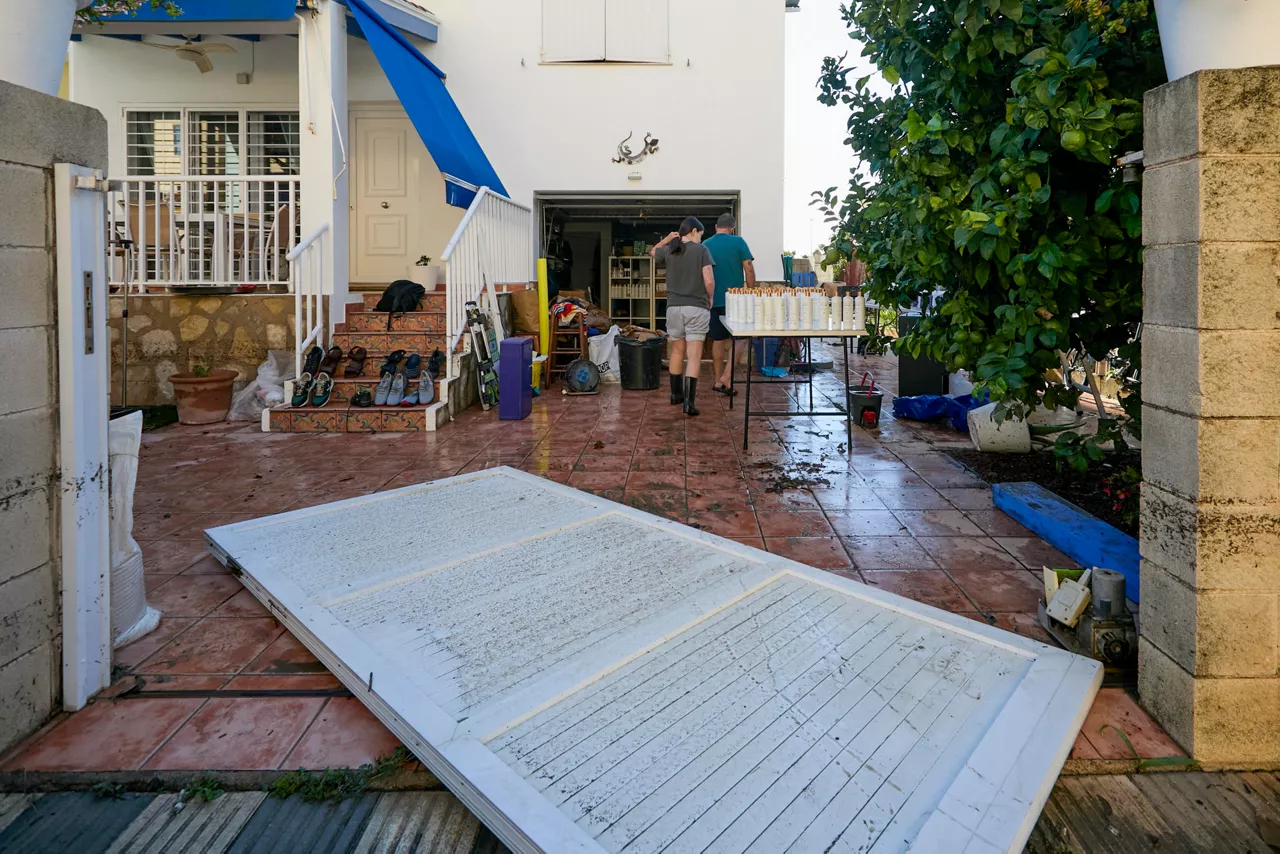
Residents are working to clean up the municipalities most affected by the isolated depression in the Adam Heights

Benta Berri residents will remain on protected rental terms
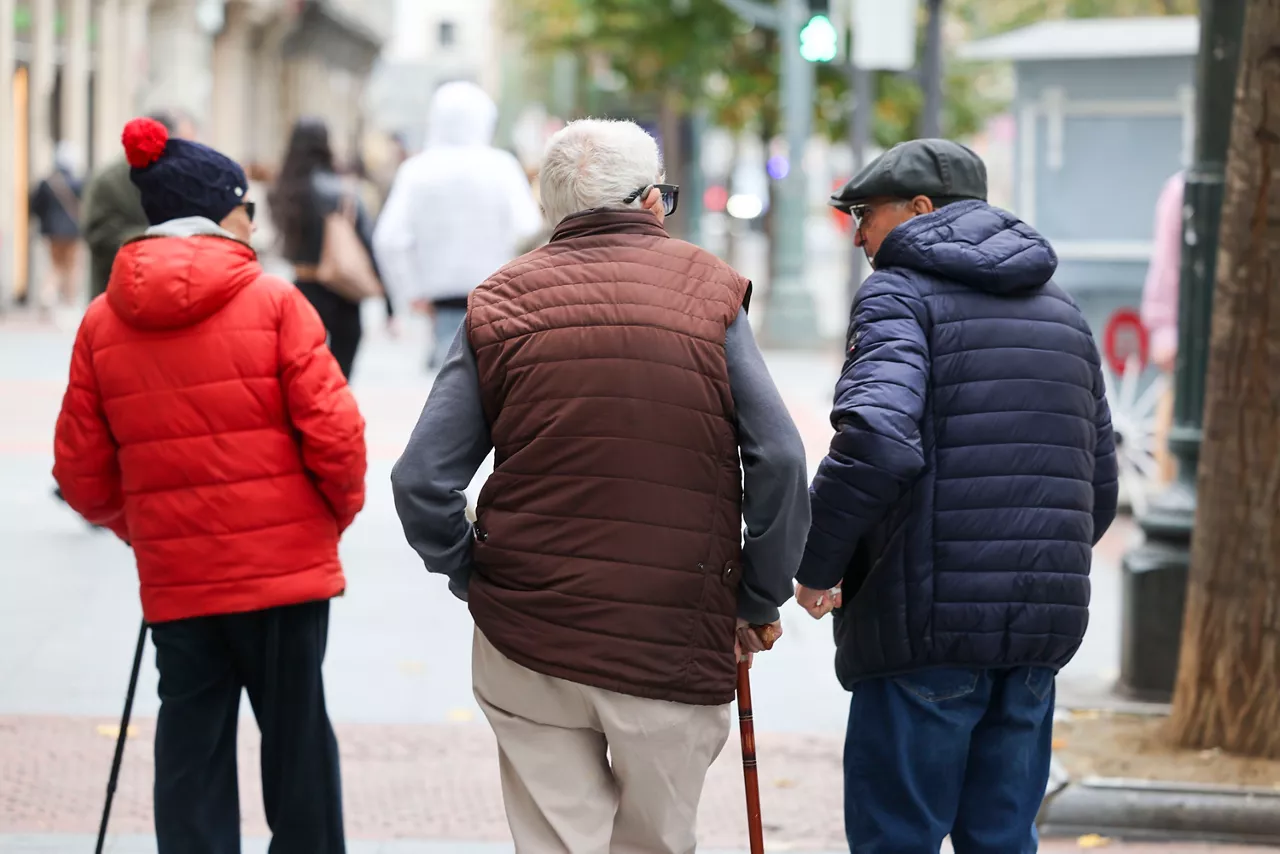
The Council will launch a virtual league between Guipuzcoan municipalities to promote healthy ageing

The storm has left two dead in Valencia, where the government is preparing a restraining order
The remains of Neanderthals have been found for the first time in Navarre in the caves of Abaunz

There will be news: Vaccinations in the ACV and flu vaccination in Navarre, Adam GOIDI and protests in France