It's normal for 32% of young people to sell erotic photos and videos online, according to Save the Children
According to a study by the NGO, one in three young people believes that it is legitimate to earn money by selling erotic content, more than 71% do not identify this practice as exploitation, and almost half of girls received "sugar dating" advertising as minors.


Save the Children's Trap: The New Dynamics of Sexual Exploitation inthe Digital Environment Report , a study that has drawn a "disturbing and unpopular" reality that has normalized the sale of erotic photos and videos among young people to earn income. The organization has analysed this phenomenon from a nationwide survey of 1,008 young people aged 18 to 21 , and found that so-called "digital sexual exposure" is spreading among teenagers, even when it can be perceived as a practice associated with voluntary or empowerment.
The most striking fact is thatalmost one in three young people (32.3%) find it permissible to sell sexual content on platforms such as OnlyFans. Moreover, more than 71% do not identify this activity as a form of exploitation, and in the case of boys this percentage exceeds 75%. The report also notes that one in seven young people (14.4%) claims to know a victim who has received gifts, favours or compensation for erotic or sexual material.
The study points directly to OnlyFans and the platforms sugar dating , which present themselves as a positive and attractive contractual relationship. Among young people, 49.3% say they have received advertising about sugar dating when they were still underage; among boys, the percentage reaches 45%.
The study further highlights thatyoung women between the ages of 18 and 24 account for 97% of OnlyFans content creators, and that the majority of viewers are men, men between the ages of 25 and 44 being the main consumer group. These organizational dynamics "perpetuate masculinity based on the consumption and realization of the female body."
The Civil Guard and the National Police have identified these subscription platforms as a possible gateway to prostitution . On the eve of 25 November, Save the Children has reaffirmed the proliferation of these new forms of child protection and exploitation and the need to strengthen the regulation of digital environments.
You might like
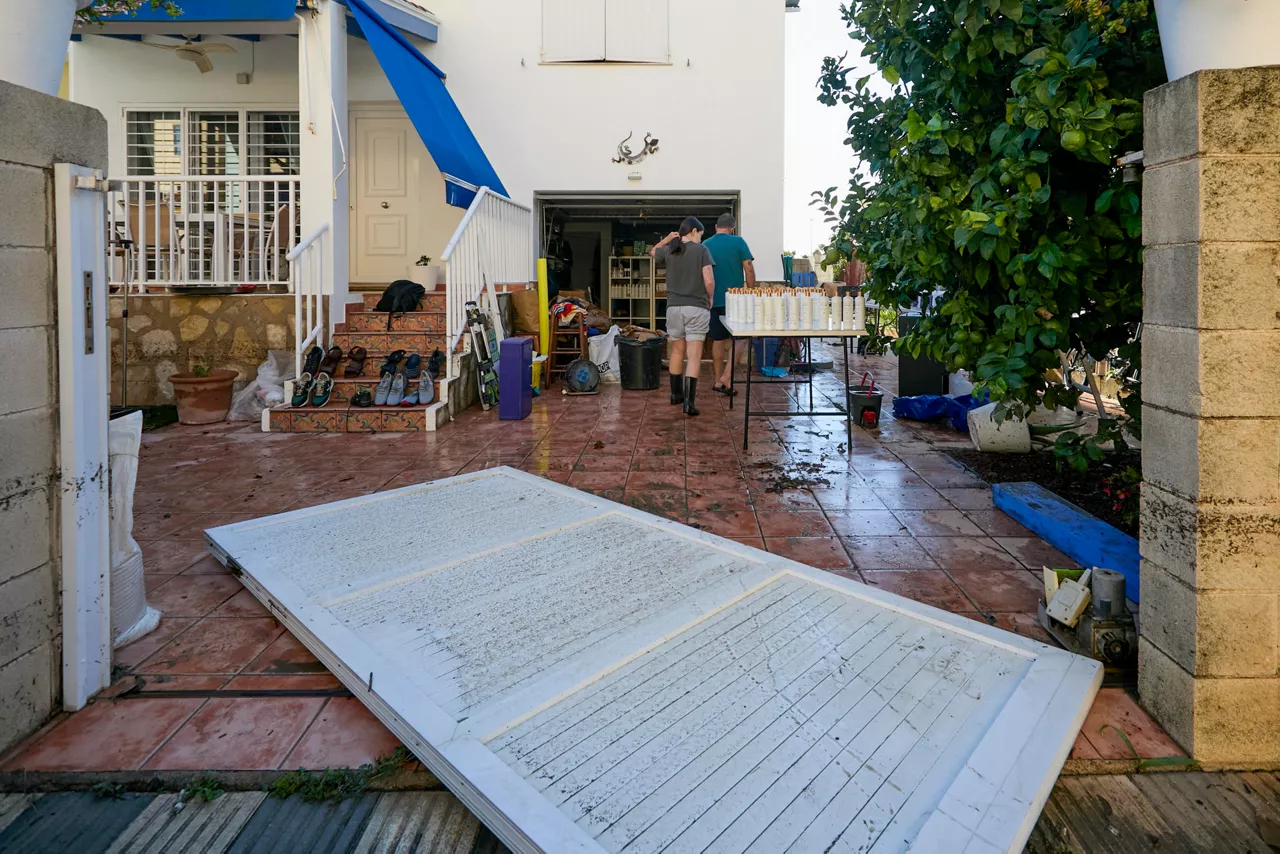
Residents are working to clean up the municipalities most affected by the isolated depression in the Adam Heights

Benta Berri residents will remain on protected rental terms
The Council will launch a virtual league between Guipuzcoan municipalities to promote healthy ageing

The storm has left two dead in Valencia, where the government is preparing a restraining order
The remains of Neanderthals have been found for the first time in Navarre in the caves of Abaunz

There will be news: Vaccinations in the ACV and flu vaccination in Navarre, Adam GOIDI and protests in France

The Invisible Breast Cancer Bill
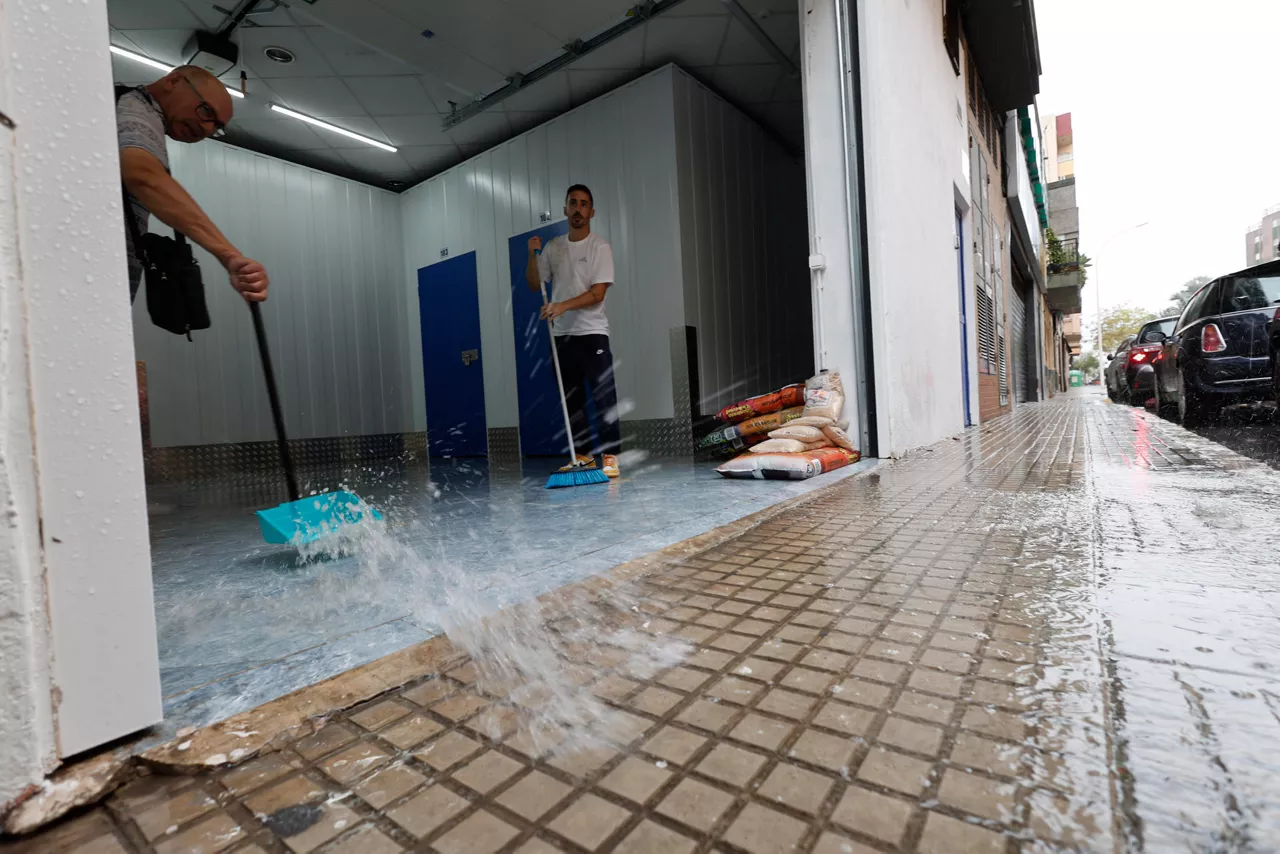
Red alert continues in Valencia and Alicante for storm Adam heading for Catalonia

More than 200,000 people are called to be vaccinated against influenza and covid in Navarre today