Some 6200 people receive HIV treatment in the Basque Country
HIV tests can be carried out free of charge both in Osakidetza health centres and in specialized consultations for sexually transmitted infections.


At present, some 6,200 people receive some form of HIV treatment in the Basque Autonomous Community, according to information disseminated by the Department of Health on the occasion of World AIDS Day on 1 December. Although the treatment does not completely eliminate the virus, it blocks reproduction and prevents the virus from progressing in the body.
Oskar Ayerdi, coordinator of the Osakidetza AIDS Plan, has stressed that "People who receive antiretroviral treatment and have an undetectable viral load of HIV do not transmit the virus; it is a great scientific advance and also has a great preventive and social impact." "The message must be clear: if it is undetectable, it is untransmissible," he added.
About 125 cases of HIV are detected each year in the CSC. Most of the new diagnoses occur in men and the average age of all diagnosed persons is 37. In 2024, 63.2% of cases were detected in Bizkaia, 21.6% in Gipuzkoa and 15.2% in Álava.
Almost half of the cases are diagnosed late and in this regard Osakidetza has stressed that early diagnosis and treatment are key to achieving good quality of life.
HIV screening tests
Osakidetza conducts HIV detection tests free of charge at its health centers, upon appointment with the reference family doctor, or in consultations on sexually transmitted infections (STIs).
In addition, since 60 pharmacies in the Basque Country can carry out a rapid HIV test anonymously by paying EUR 5, another option for requesting a rapid HIV test is the Community institutions.
The Department of Health and Osakidetza collaborate with other actors such as educational agents eta patient associations to emphasize the importance of prevention, especially among young people and adolescents.
You might like
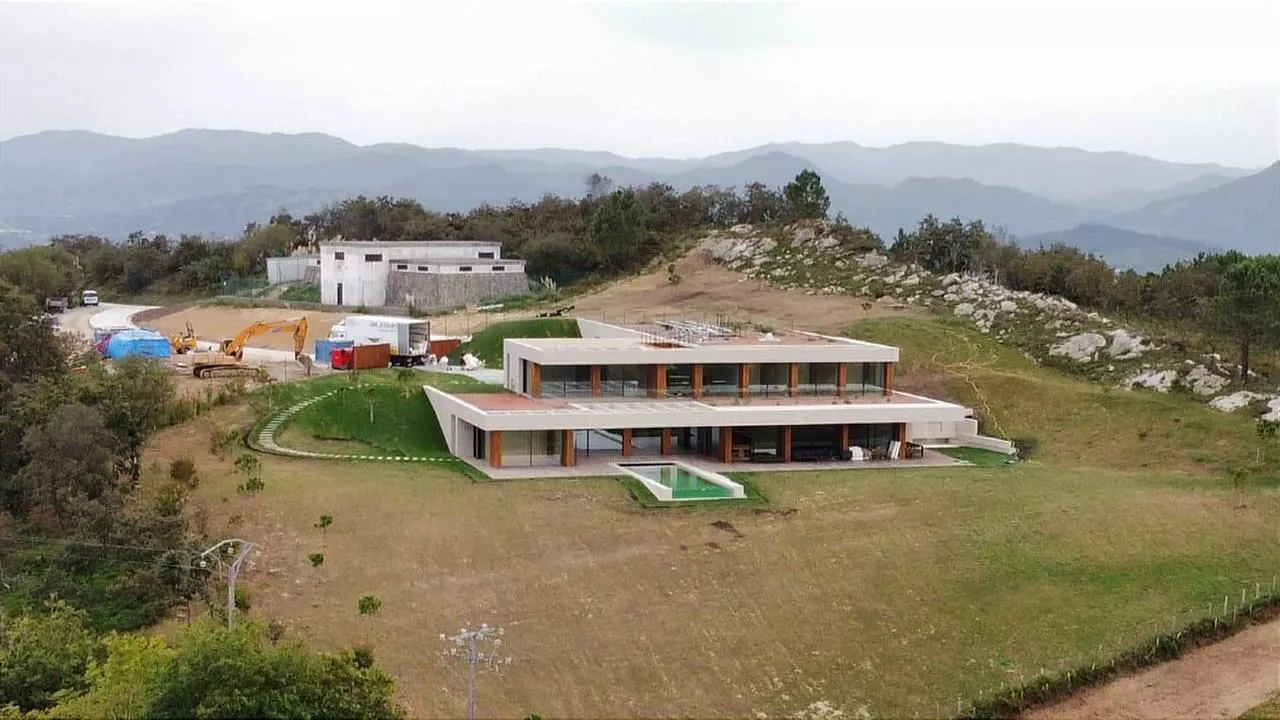
The TSJPV has ruled that the villa built by Xabi Alonso in Igeldo is legal

UPV/EHU will not renew its partnership agreement with CAF after five years of running

Lack of resources is the main cause of teacher stress in the ACV, according to a study

Residents are working to clean up the municipalities most affected by the isolated depression in the Adam Heights

Benta Berri residents will remain on protected rental terms
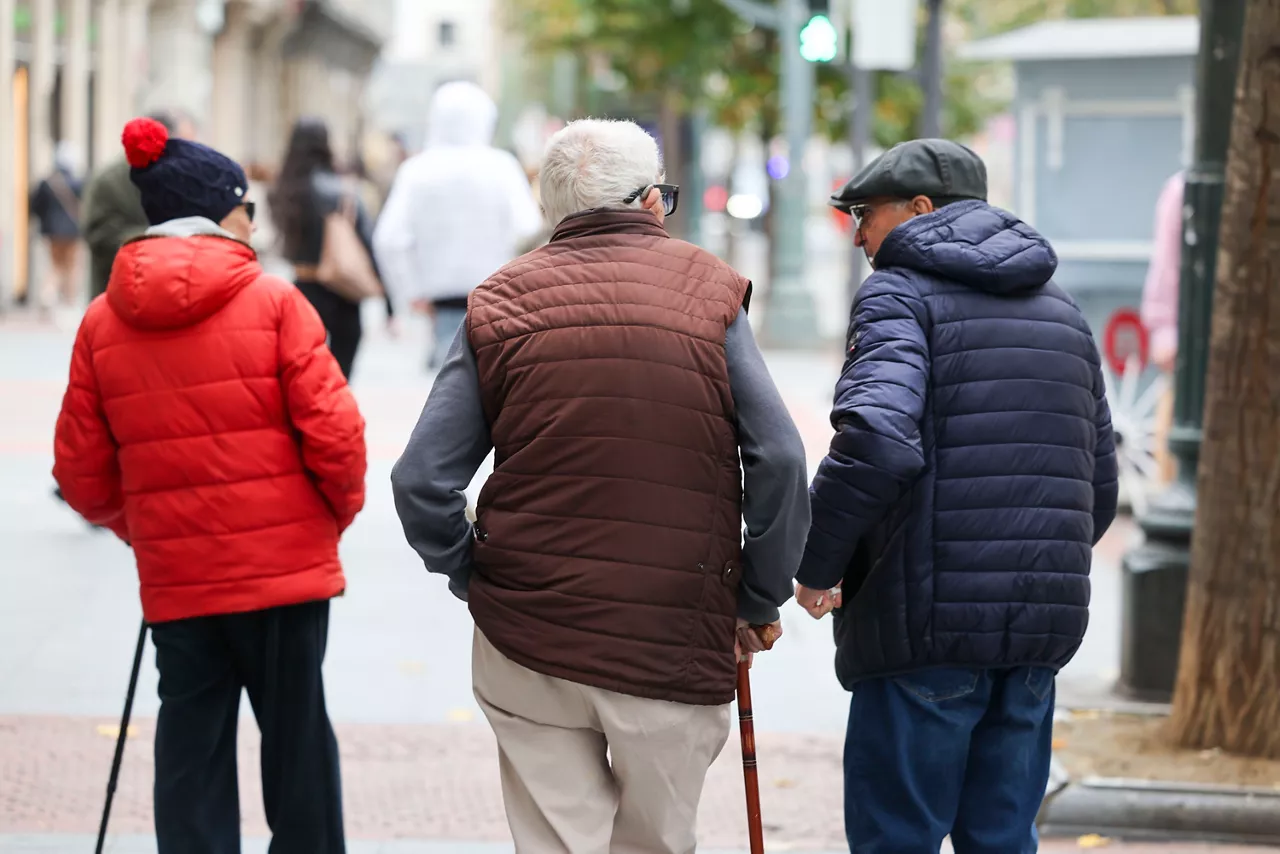
The Council will launch a virtual league between Guipuzcoan municipalities to promote healthy ageing
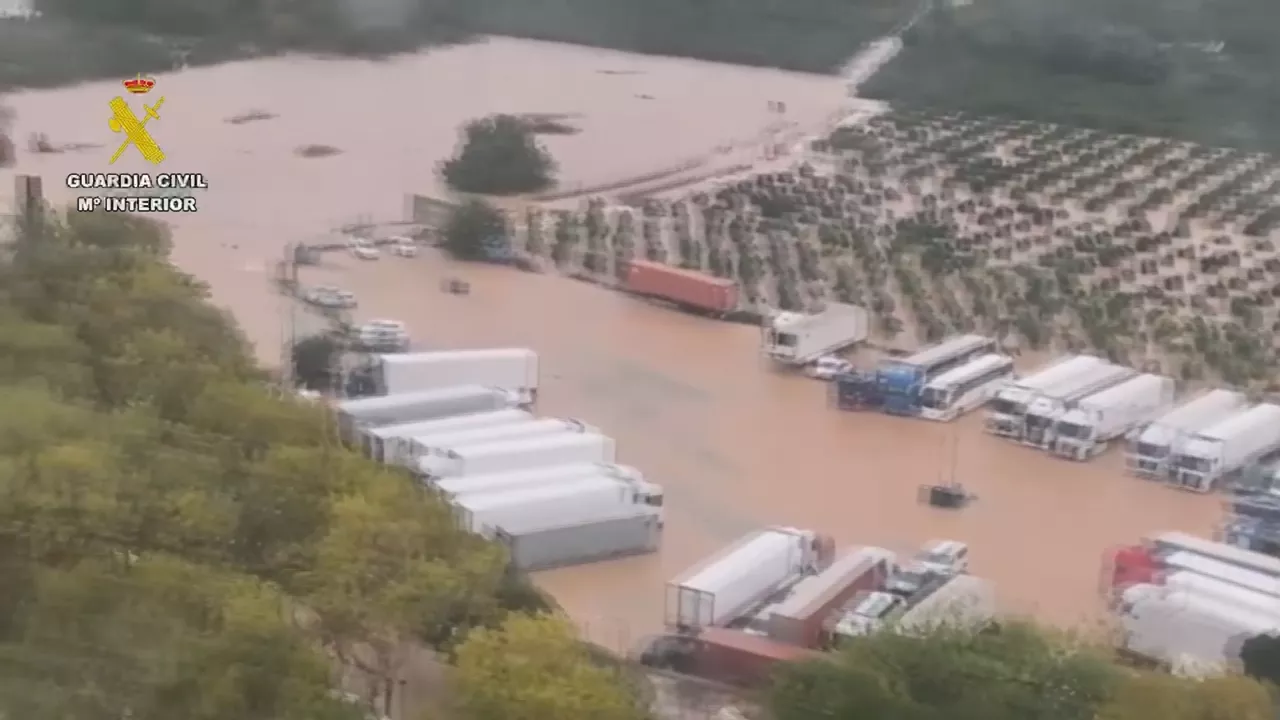
The storm has left two dead in Valencia, where the government is preparing a restraining order
The remains of Neanderthals have been found for the first time in Navarre in the caves of Abaunz

There will be news: Vaccinations in the ACV and flu vaccination in Navarre, Adam GOIDI and protests in France