There were 6,700 fewer children enrolled in 2024-25 than in the previous year in Children's and Primary Education
According to the Eustat survey, the increase in Vocational Training enrolments is remarkable, with 2,842 more people enrolled than in the previous year, 6.1% more, the largest increase in the last 15 years.

A little girl playing in the room.

In 2024-25, enrolment in Children's and Primary Education fell by 4 per cent and 3.1 per cent, respectively, in the Basque Country, with a total of 6,752 fewer pupils, confirming the trend of falling enrolment in recent years.
According to the latest survey by the Basque Institute of Statistics (Eustat), last year there were 404,637 enrolments in formal non-university education, 0.2% less than the previous year.
Also notable is the increase in Vocational Training enrolments, with 2,842 more people enrolled than in the previous year, an increase of 6.1%, which is the largest increase in the last 15 years.
According to statistics, more than 33,000 people enrolled in high school and nearly 50,000 in vocational training.
More men in Vocational Training
There are no significant differences in the number of men and women in the baccalaureate, 52.2 per cent are women, and the distribution is therefore equal, while in vocational training the majority are men (64.4 per cent) and the majority of men are particularly prominent at basic levels (72.3 per cent).
As in previous courses, the data show that when choosing the type of Baccalaureate, they choose different paths.
For example, three out of four Bachelor of Arts enrolments were female, and women are also in the majority in Humanities (58.2%).
On the other hand, in the General Baccalaureate, 59.8% were men. In the Bachelor of Science and Technology, only the gender balance has been observed.
With regard to vocational training, the majority are women in care and image studies. The participation of women in Personal Education, Sociocultural Services and Community and Health Education was over 76%.
On the other hand, those of a more technical and industrial nature were more masculinized. Transportation and Vehicle Maintenance, Facilities and Maintenance, Maritime Fisheries, Electricity and Electronics, Energy and Water or Mechanical Manufacturing, for example, were less than one in 10 women.

12.2% of students are foreigners
With regard to the origin of pupils, 45,775 persons of Spanish nationality were enrolled in general education in the Basque Country in 2024-25, 12.2 per cent of the total.
As the level of education progressed, the number of foreign students decreased. In primary school, 12.9% of enrolments were for students of Spanish nationality other than Spanish.
This percentage was somewhat lower in Compulsory Secondary Education (10 per cent) and Baccalaureate (4.7 per cent).
In non-vocational education, the proportion of students without Spanish nationality in public schools was higher. In private schools, under no circumstances has the concentration of students of non-Spanish nationalities reached 10 per cent.
On the other hand, in elementary and middle vocational training, private schools had more pupils of other nationalities than public schools.
Model D prevails.
The linguistic situation of the Basque education system remained stable compared to previous courses, and model D showed a slight upward trend.
This was the dominant pattern in all general education, with 71.2 per cent of students studying in model D, 15.8 per cent in model B and 13 per cent in model A.
In Vocational Training, more than half of the students (55.3%) chose to train in Spanish; as the academic level increased, so did the presence of the Basque language.
Last year, the Basque Government allocated EUR 71.9 million to scholarships and study grants, EUR 5.3 million more than in the previous year, an increase of 8%.
113,520 people benefited from this aid, almost one third of all those enrolled, and each student received an average of 634 euros.
You might like
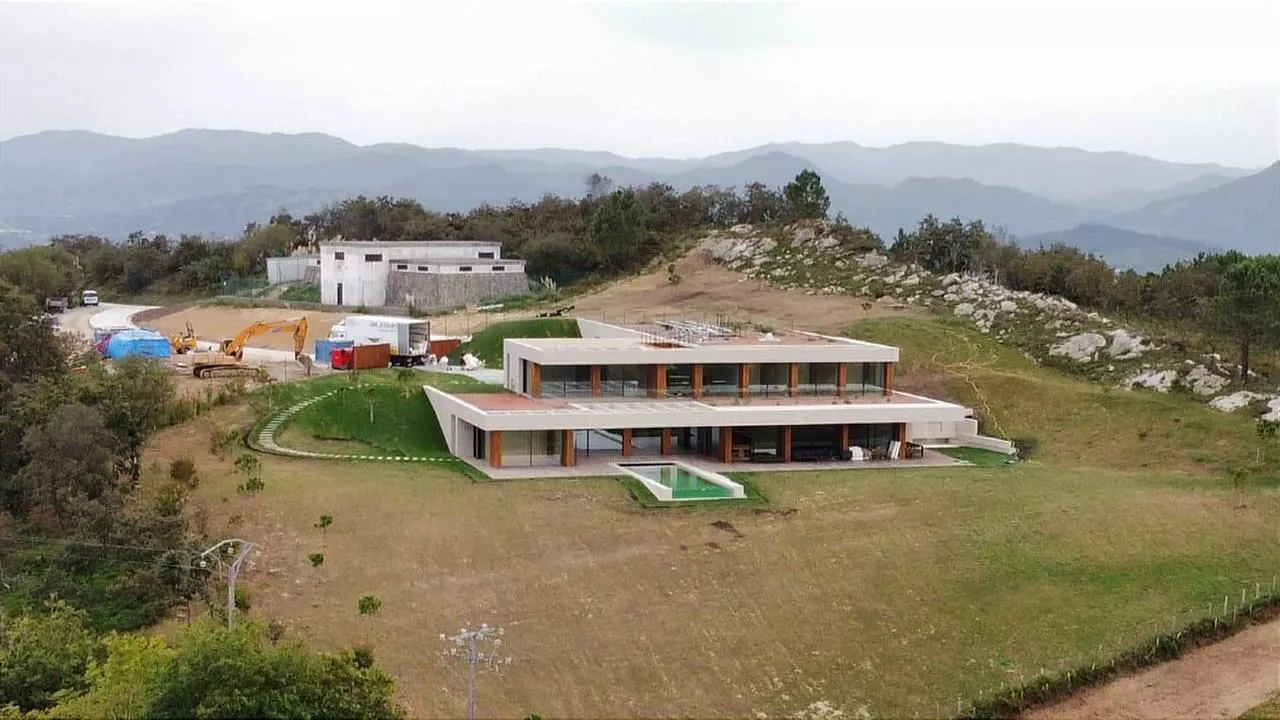
The TSJPV has ruled that the villa built by Xabi Alonso in Igeldo is legal
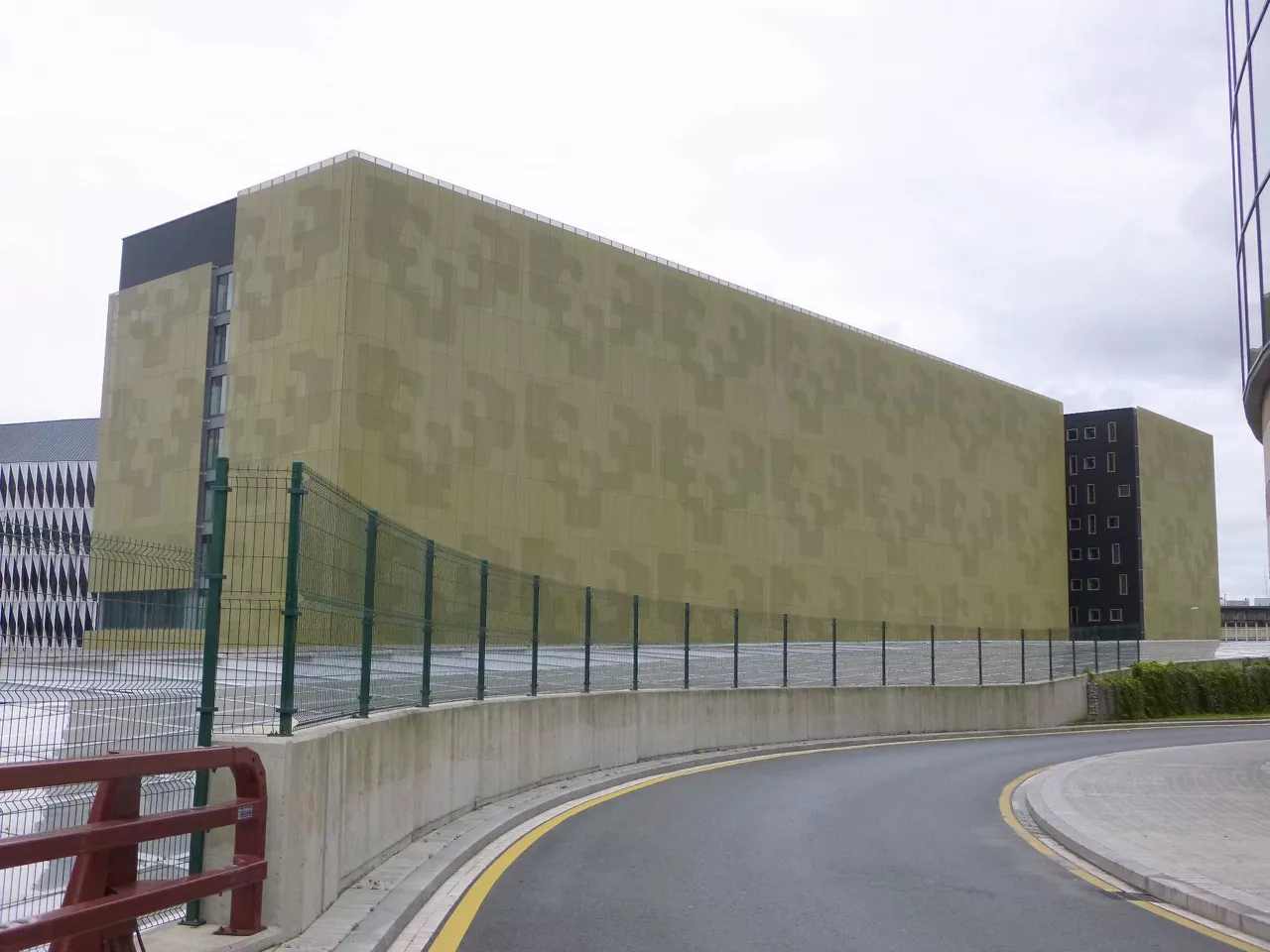
UPV/EHU will not renew its partnership agreement with CAF after five years of running
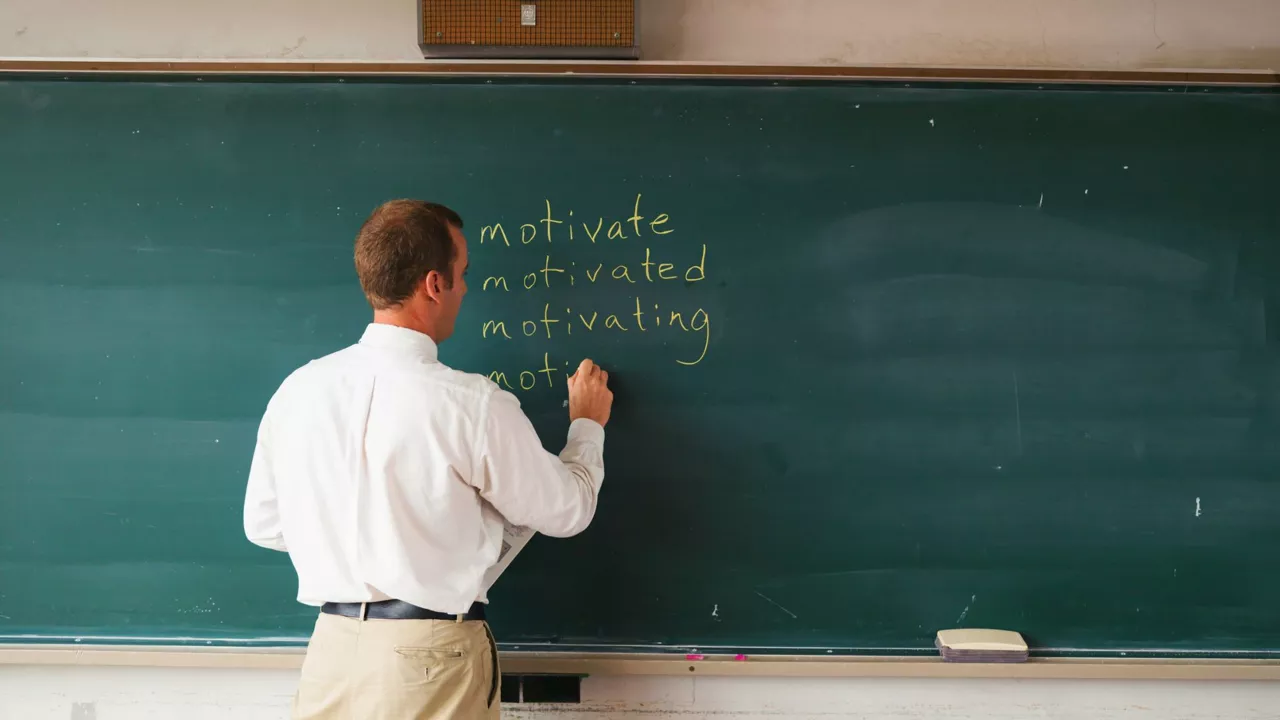
Lack of resources is the main cause of teacher stress in the ACV, according to a study
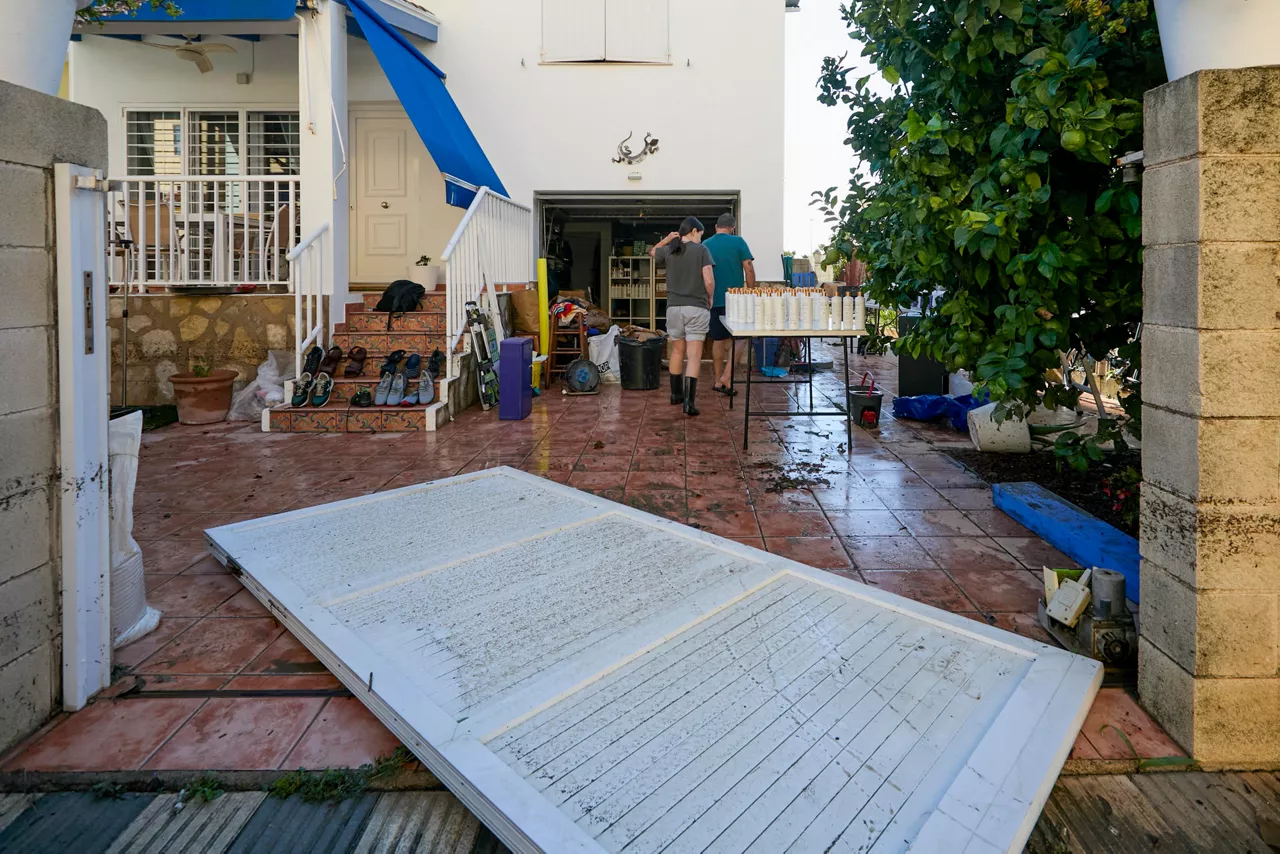
Residents are working to clean up the municipalities most affected by the isolated depression in the Adam Heights
Benta Berri residents will remain on protected rental terms
The Council will launch a virtual league between Guipuzcoan municipalities to promote healthy ageing
The storm has left two dead in Valencia, where the government is preparing a restraining order
The remains of Neanderthals have been found for the first time in Navarre in the caves of Abaunz

There will be news: Vaccinations in the ACV and flu vaccination in Navarre, Adam GOIDI and protests in France