In twenty years there shall be an increase of about 77,000 inhabitants in Álava, Bizkaia, and Gipuzkoa


The Basque Autonomous Community (CAV) will have a population of 2,295,100 on 1 January 2045, 1,179,796 women (51.4 per cent) and 1,115,304 men (48.6 per cent). In absolute terms it will have an increase of approximately 77,000 people from 2025 (3.5 per cent more) and 78 per cent of the total increase will occur in the first decade, that is, from 2025 to 2035, according to the Basque statisticalInstitute.
By Historical Territories, until the beginning of 2045, the largest relative growth will take place in Álava, with 22,400 inhabitants more than the current ones (6.6 per cent increase), Bizkaia with 27,800 inhabitants (2.4 per cent increase) and Gipuzkoa with 26,600 (+3.7 per cent).
Asa result of the evolution of immigration and emigration, an increase of 12,700 inhabitants per year is expected throughout the period 2025-2044 as a result of exchanges with abroad; according to Eustat projections, the Basque Country will receive 53,000 immigrants per year and some 40,500 will move outside the Basque Country.
On the other hand, the vegetative balance is expected to remain negative, i.e. more people will die than those born. On average, 8,870 more people will die each year than those born, so by 2045 there will be a reduction of 177,000 people.
However, a moderate recoveryin the birth rate is expected in the coming years due, on the one hand, to the increase in the female population at the most fertile ages and, on the other, to a slight recovery in the fertility level (from 1.11 children per woman in 2024 to 1.35 children in 2044). Bi combined with these factors, the number of births will increase from 12,900 in 2024 to 17,600 by the end of 2044.
in 2044 thelife expectancy will be 84.9 years for men and 89.2 years for women, that is, 3 and 2 years more than in 2024 respectively. In addition, the ageing process of the population will intensify in the coming decades, and in 2045 almost one in three inhabitants will be 65 or older.
You might like
The TSJPV has ruled that the villa built by Xabi Alonso in Igeldo is legal

UPV/EHU will not renew its partnership agreement with CAF after five years of running

Lack of resources is the main cause of teacher stress in the ACV, according to a study
Residents are working to clean up the municipalities most affected by the isolated depression in the Adam Heights
Benta Berri residents will remain on protected rental terms
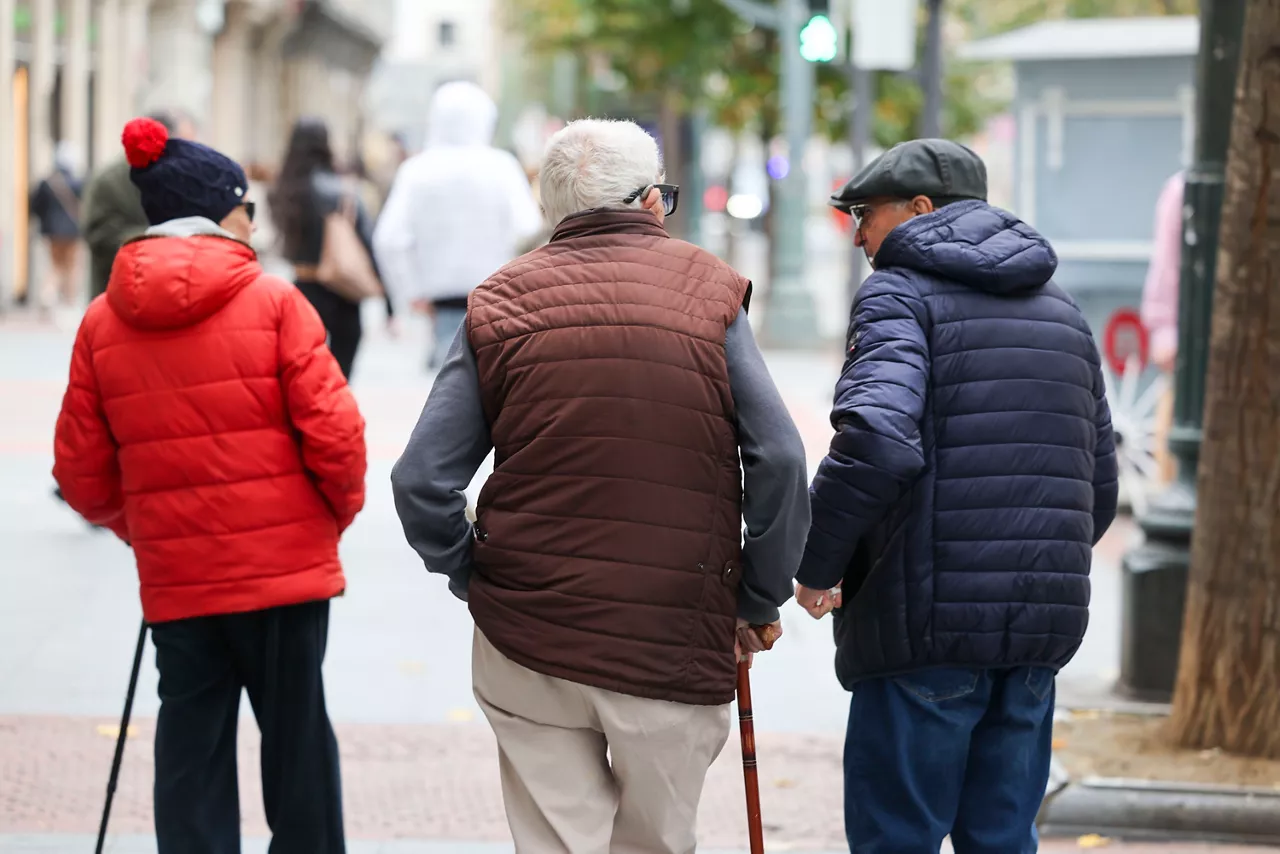
The Council will launch a virtual league between Guipuzcoan municipalities to promote healthy ageing
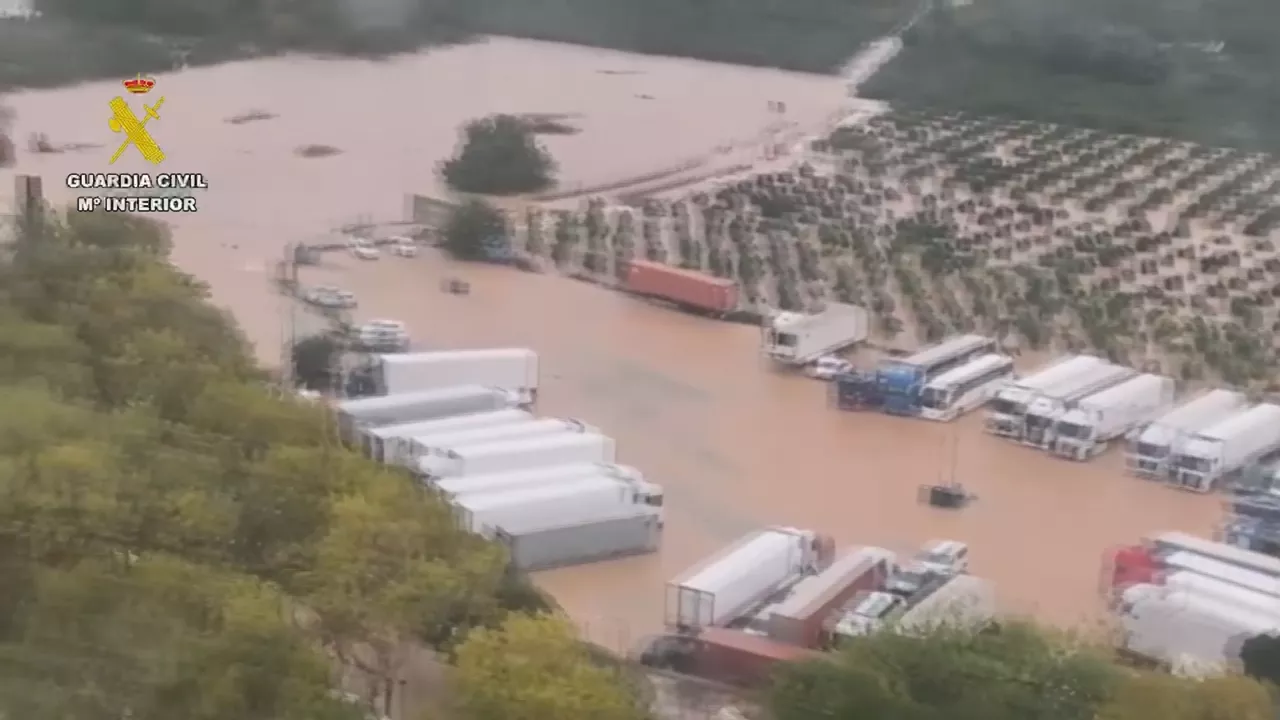
The storm has left two dead in Valencia, where the government is preparing a restraining order
The remains of Neanderthals have been found for the first time in Navarre in the caves of Abaunz

There will be news: Vaccinations in the ACV and flu vaccination in Navarre, Adam GOIDI and protests in France