Osakidetza and pharmacies will take care of medication for polymedicated patients over 65 with type 2 diabetes
The agreement signed on Wednesday between the two institutions is valid for four years and funding of EUR 100 000 per year for structured monitoring of drug treatment.


Osakidetza and the Pharmaceutical Colleges of the Basque Country have signed a cooperation agreement to monitor the treatment of people with type 2 diabetes who are over 65 years of age and take 8 or more drugs on a continuous basis, with a duration of 4 years and funding of 100,000 euros per year, in order to activate structured pharmacotherapeutic monitoring and improve the quality of life and therapeutic adherence of patients.
Type 2 diabetes already affects 4.9% of men and 3.6% of women in the Autonomous Community of the Basque Country. Its close association with vascular and circulatory pathologies, coupled with the increase in preventive treatments, encourages many patients to polymedication (multiple drug intake).
As a result, will perform personalized pharmacotherapeutic monitoring to improve the suitability of treatments, increase therapeutic adherence, detect drug related problems and contribute to better health outcomes.
The agreement signed today states that pharmacists will carry out a comprehensive review of medication and will promote coordination between pharmacies and primary care professionals in Osakidetza, thus promoting the communication of medication-related incidents, the reconciliation of post-hospital treatment or specialized consultations and the continuous monitoring of participants.
The Director-General of Osakidetza, Lore Bilbao, has stated that "we must go out looking for patients and weave a coordinated, safe and effective community network. This proximity will allow us to assess adherence, unify medication after hospital highs, and detect early any safety incidents that may endanger the well-being of our patients."
You might like

UPV/EHU will not renew its partnership agreement with CAF after five years of running

Lack of resources is the main cause of teacher stress in the ACV, according to a study
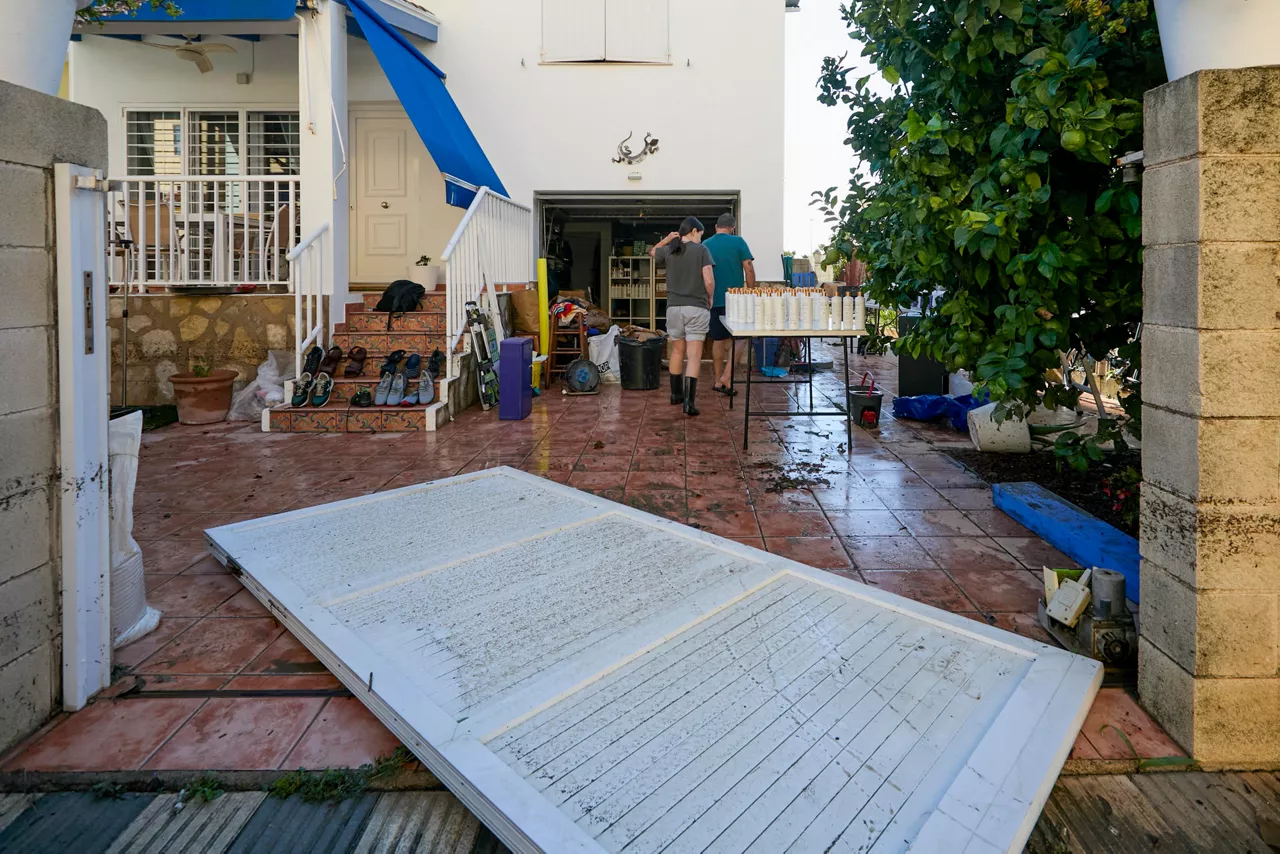
Residents are working to clean up the municipalities most affected by the isolated depression in the Adam Heights
Benta Berri residents will remain on protected rental terms
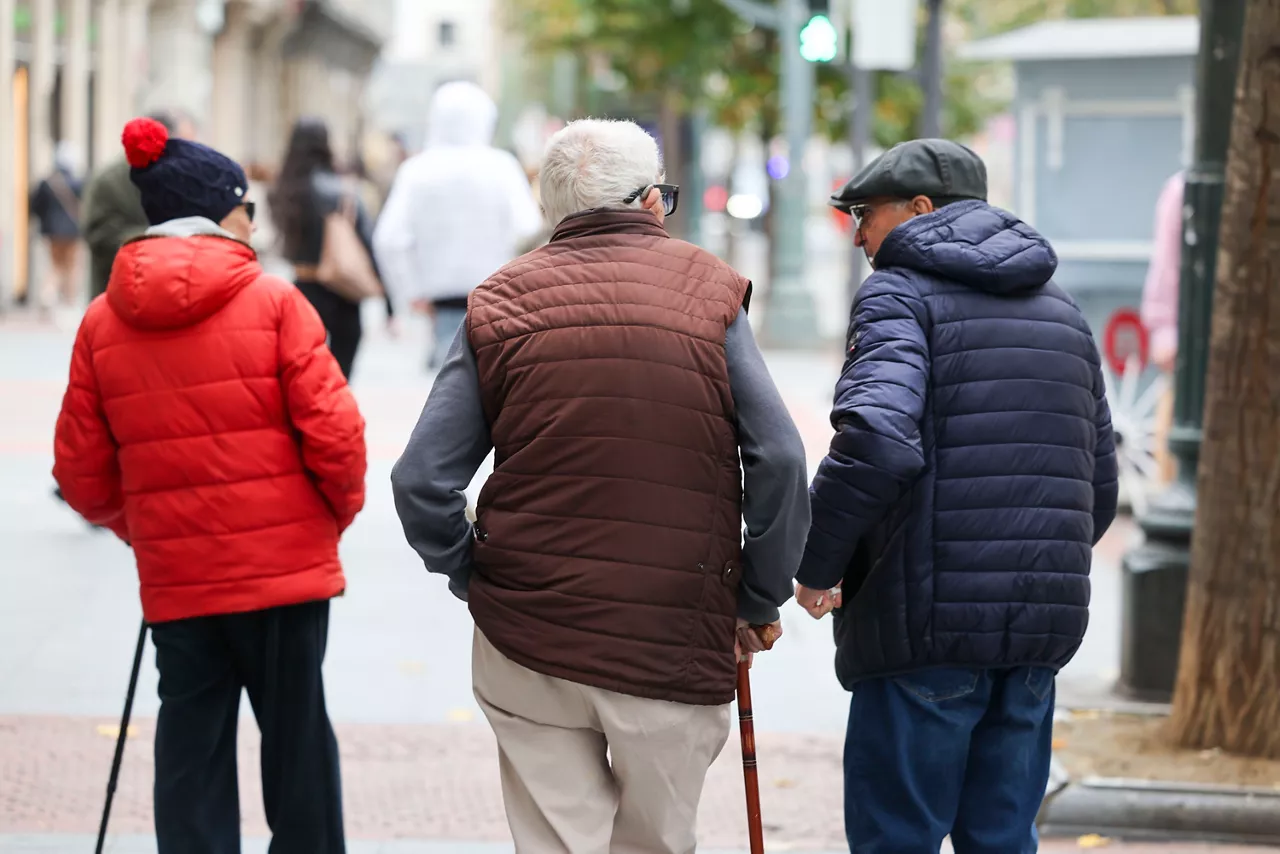
The Council will launch a virtual league between Guipuzcoan municipalities to promote healthy ageing
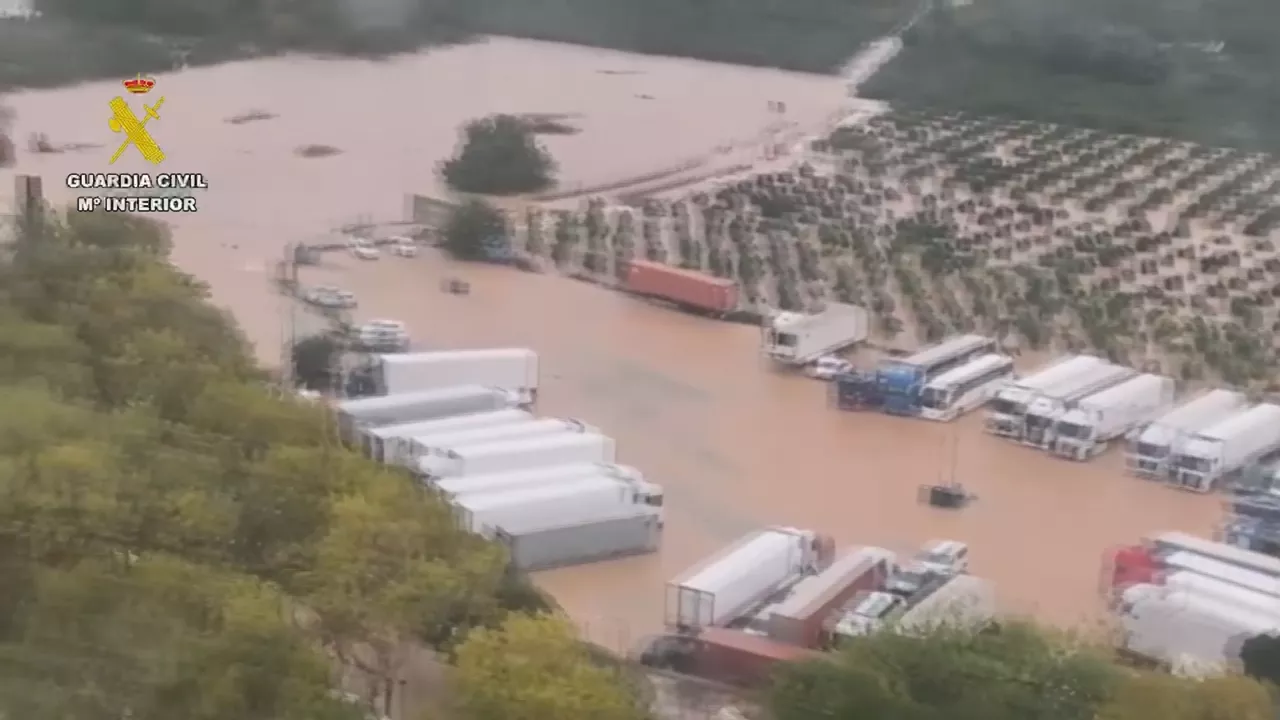
The storm has left two dead in Valencia, where the government is preparing a restraining order
The remains of Neanderthals have been found for the first time in Navarre in the caves of Abaunz

There will be news: Vaccinations in the ACV and flu vaccination in Navarre, Adam GOIDI and protests in France

The Invisible Breast Cancer Bill