More than half of those over the age of 75 suffer from anxiety or stress, but the biggest increase is in young people
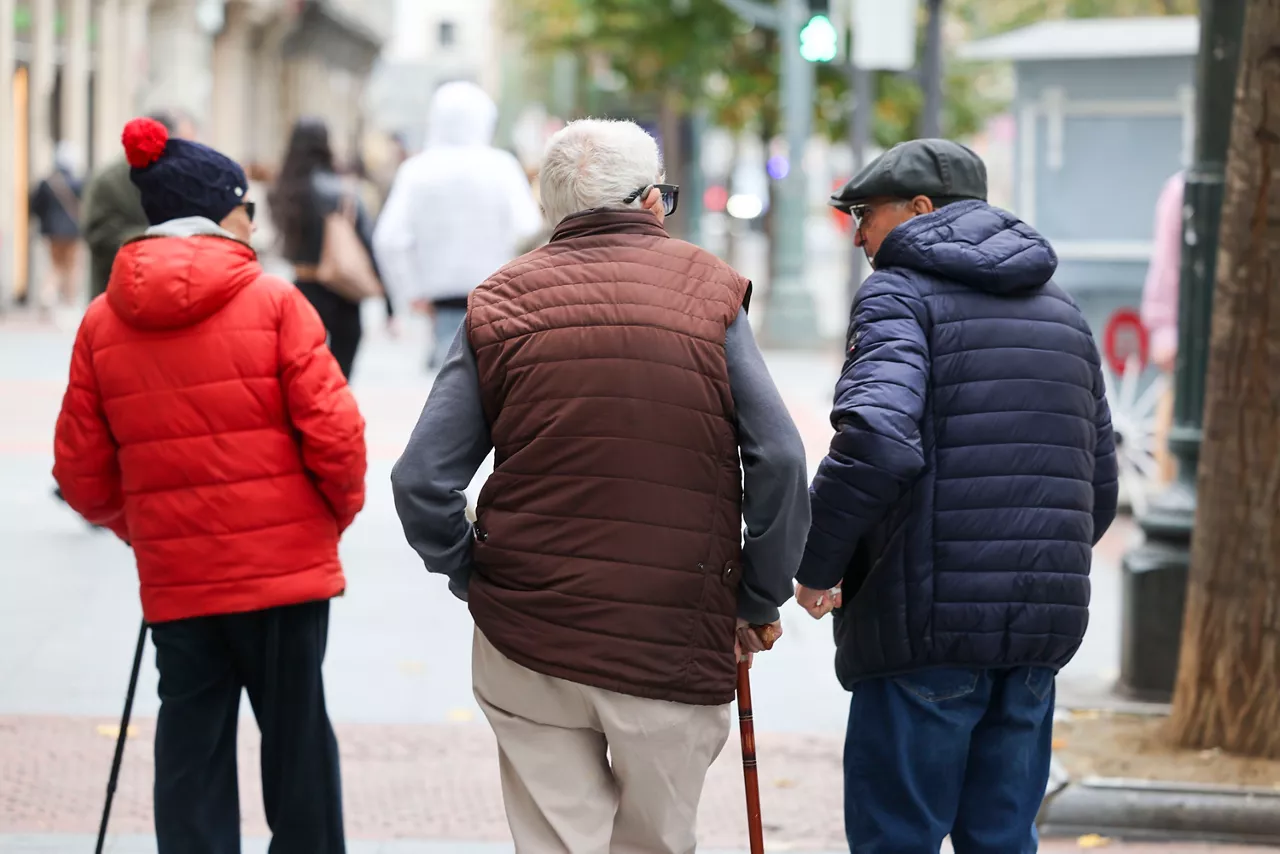
Psychological distress does not occur in the same way in all sectors of society. In addition to affecting women more, age is also an important factor: 57.1% of the population over 75 suffer from symptoms, but it is the youngest (15-24 years) who have suffered the most mental health deterioration after the pandemic.

Stress and anxiety, two of the symptoms that indicate a deterioration in mental health, have a greater impact on older people, according to thelatest mental health analysis by EITB Data, although the situation has worsened significantly in young people.
This report has made it clear that in recent years there havebeen more people who confess to having symptoms of mental health deterioration, either because there are more people affected or because awareness has increased and more is being talked about now.
The increase in the prevalence of symptoms occurs in all age brackets of the population, however, as age increases, these pathologies affect more people, and among those over 75, more than half of the population (57.1%) report some sign of discomfort.
However, following the Covid-19 pandemic, there has been a worsening among young people and an increase inpeople with symptoms. Among people aged 15-24 , the percentage of the population with symptoms was 15.8% in 2018, rising to 39.4% in 2023, as shown in the graph.
Gender gap in mental health
In addition to age, gender also makes a significant difference in mental health-related diseases, with a greater incidence among women, with more than a quarter of the female population (26.5 per cent) showing symptoms, a figure that falls by almost ten points among men (17.7 per cent).
This gender difference is also evident in the use of medicines associated with these health problems. In the South Basque Country almost one in four women takes anxiolytics, antidepressants or sleeping medication.
Work influences
The mental health situation is also related to the employment situation, with the prevalence ofsymptoms increasing as the qualification of the job declines, affecting 26% of unskilled workers, only 18% of senior managers and university professionals.
The data represent a different state of psychological discomfort, marked by gender, age and living conditions.
You might like

The TSJPV has ruled that the villa built by Xabi Alonso in Igeldo is legal

UPV/EHU will not renew its partnership agreement with CAF after five years of running

Lack of resources is the main cause of teacher stress in the ACV, according to a study

Residents are working to clean up the municipalities most affected by the isolated depression in the Adam Heights

Benta Berri residents will remain on protected rental terms
The Council will launch a virtual league between Guipuzcoan municipalities to promote healthy ageing

The storm has left two dead in Valencia, where the government is preparing a restraining order
The remains of Neanderthals have been found for the first time in Navarre in the caves of Abaunz

There will be news: Vaccinations in the ACV and flu vaccination in Navarre, Adam GOIDI and protests in France