Vitoria-Gasteiz will tighten up the animal ordinance: 200 euros for not cleaning urine and feces, mandatory insurance and fines of up to 100,000 euros
The update of the ordinance will tighten up minor infringements, which will now be less than EUR 750 and up to EUR 3 000. New developments include the obligation to wash animal urine with water, which will be fined EUR 200.


The City of Vitoria-Gasteiz will increase the fines provided for in animal regulations to 100,000 euros and will impose a penalty of 200 euros for failing to clean the urines of dogs and other pets, the City Council said in a statement on Tuesday.
These are some of the new developments in the new Vitoria-Gasteiz Animal Ordinance, which will update 2013 and be voted on in plenary this Friday, September 18.
The update of the ordinance will tighten up minor infringements, which currently amount toless than EUR 750 but will now amount to EUR 3 000. New developments includethe obligation to wash the urine of animals with water, which will be fined EUR 200.
In addition, the amount of the fine will be increased from EUR 90 to EUR 200 for failure to collect animal excrement on public roads, and provides that all dogs must have liabilityinsurance, the breach of which will be regarded as a minor offence and the penalty will be EUR 501.
Serious offences shall be punishable by fines ranging from EUR 3,001 to EUR10,000, compared with the current maximum fine of EUR 1,500, and shall include the continued restraint of animals in a vehicle parked without ventilation or under conditions that endanger their well-being.
On the other hand, very serious offences, when they may result in the death or permanent serious consequences of the animal, will range from a maximum penalty of €3,000 to a fine of €10,001 to €100,000 .
The new ordinance also includes new measures to strengthen animal welfare, such as the obligation to identify cats by microchip and sterilize cats over six months.
In addition, pet animals may not be left alone for more than 24 hours. In the case of dogs, the maximum period of solitary confinement will be reduced to 12 hours.
You might like

UPV/EHU will not renew its partnership agreement with CAF after five years of running

Lack of resources is the main cause of teacher stress in the ACV, according to a study
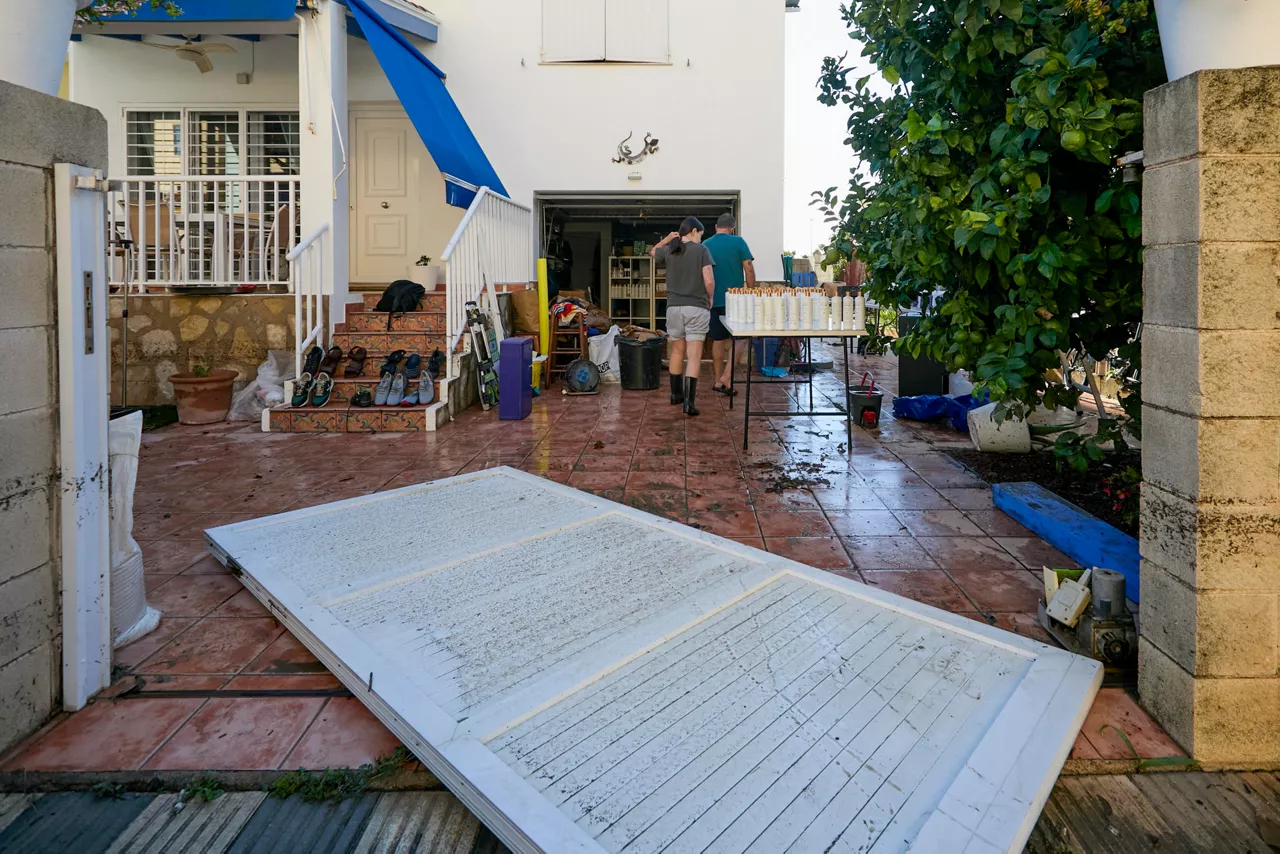
Residents are working to clean up the municipalities most affected by the isolated depression in the Adam Heights

Benta Berri residents will remain on protected rental terms

The Council will launch a virtual league between Guipuzcoan municipalities to promote healthy ageing

The storm has left two dead in Valencia, where the government is preparing a restraining order
The remains of Neanderthals have been found for the first time in Navarre in the caves of Abaunz

There will be news: Vaccinations in the ACV and flu vaccination in Navarre, Adam GOIDI and protests in France

The Invisible Breast Cancer Bill