Nobel Prize in Chemistry for Kagan and Soai for their work in clarifying the asymmetry of organic molecules
The findings of Henri Kagan and Kenso Soai have been decisive for chemists who design and manufacture drugs.

French Henri B. Kagan and Japanese Kenso Soai receive the 2026 Nobel Prize in Chemistry.

The Royal Swedish Academy of Sciences today awarded French Enri B. Kagan and Japanese Kenso Soai with the 2026 Nobel Prize in Chemistry for their work in clarifying the asymmetry of organic molecules, whose contributions anddiscoveries\u00A0 have been decisive for chemists who design and manufacture drugs.
Some molecules, like amino acids, are in two variants, which are speculative images of each other. However, living organisms have only one of these spectral images. The origin of this chemical asymmetry was for a long time a mystery to chemists, until Kagan and Soai discovered the solution to this enigma.
Kagan took his first decisive step in 1986, when he discovered a new way of manipulating chemical reactions that allowed him to create more than one of the speculative images that had hitherto been thought possible.
Soai took the next step, describing in 1995 how a fundamental publication designed the first chemical reaction with the potential to be homociral. In 2003, he finally did it. He presented a reaction in which only one of the two possible spectral images emerged.
Thanks to Kagan and Soai, we know how homocracy can be created, and their findings have been decisive for chemists who design reactions to make pharmaceuticals.
You might like
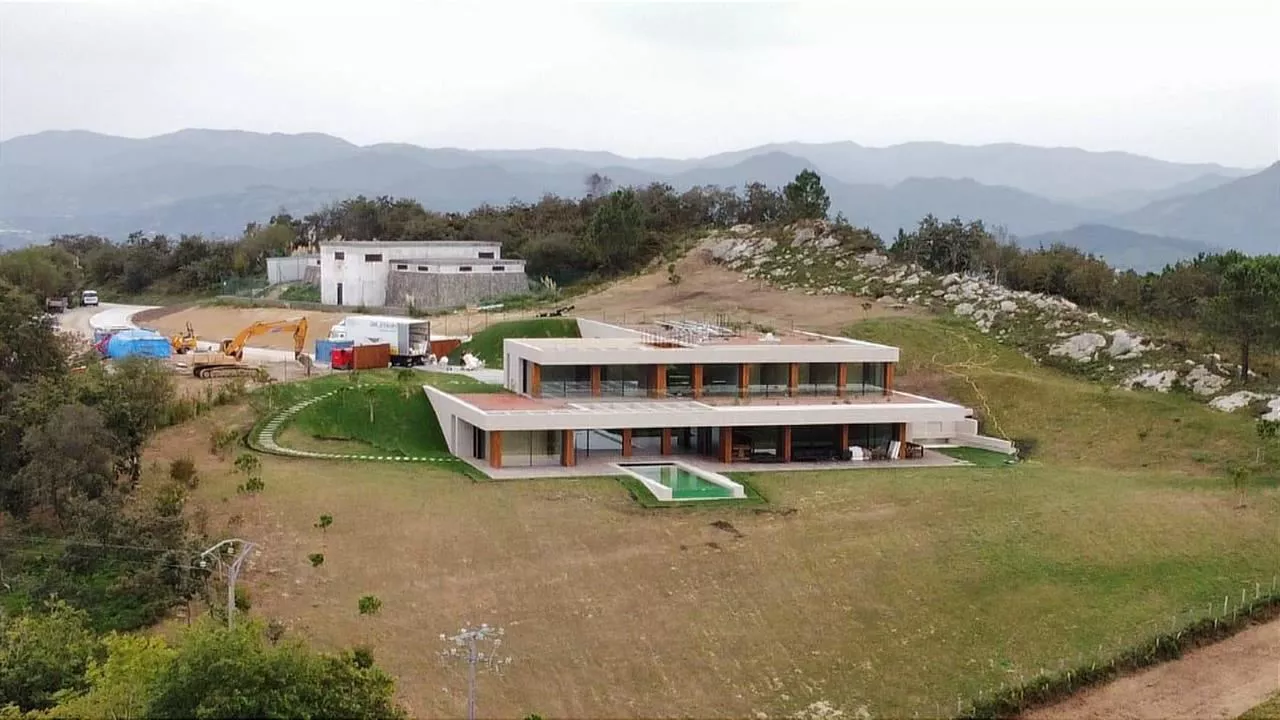
The TSJPV has ruled that the villa built by Xabi Alonso in Igeldo is legal
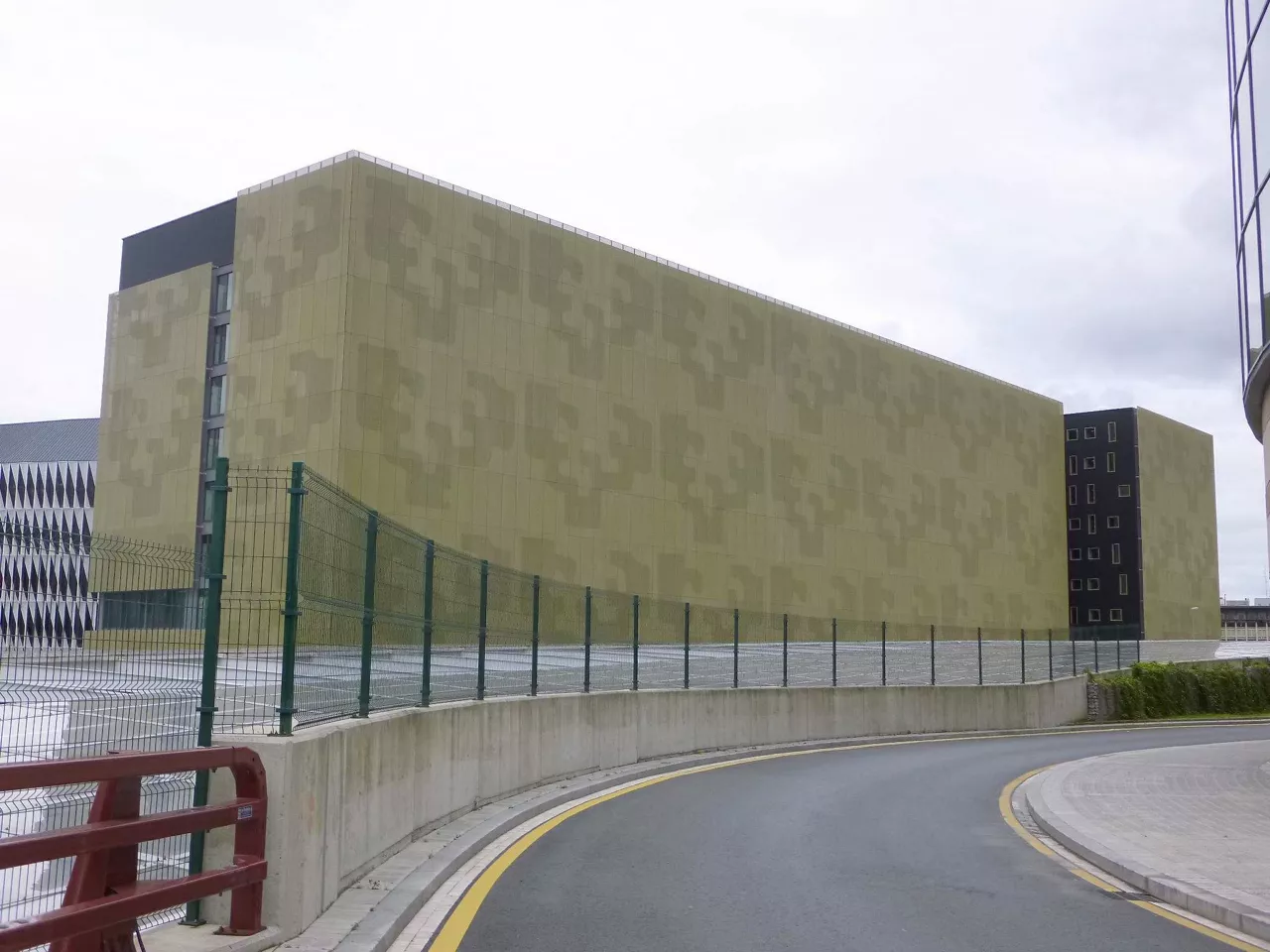
UPV/EHU will not renew its partnership agreement with CAF after five years of running
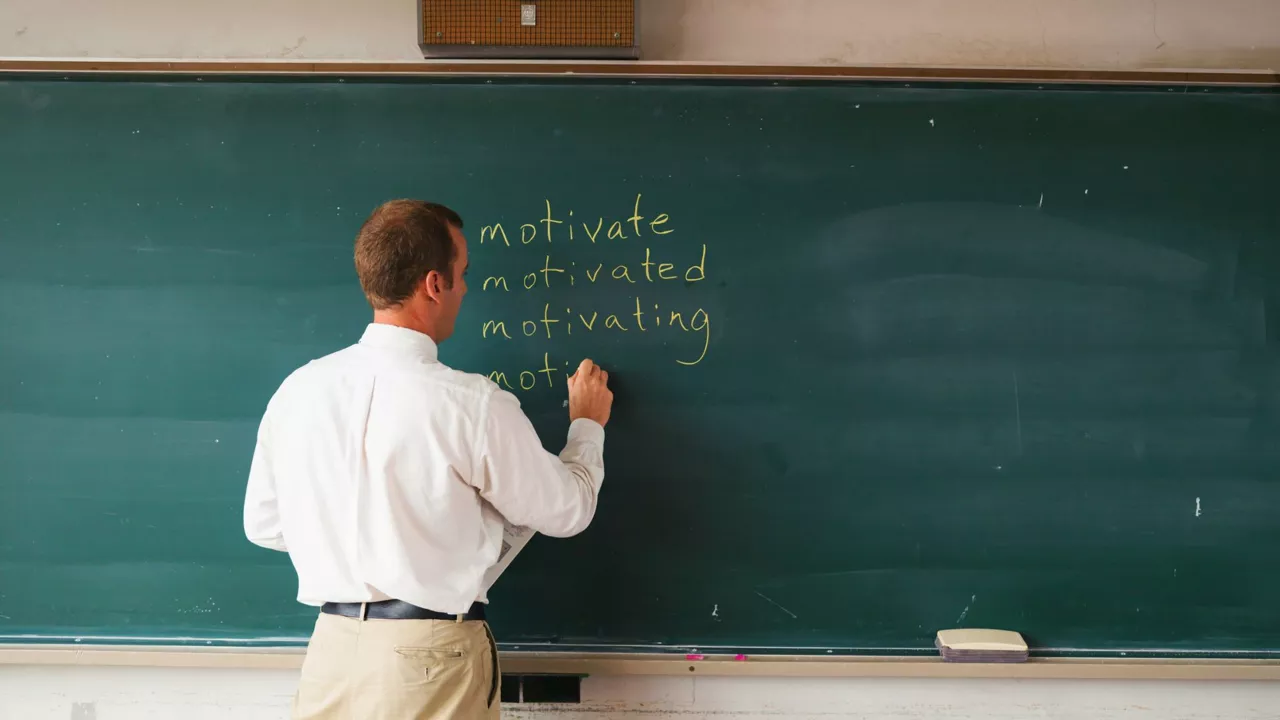
Lack of resources is the main cause of teacher stress in the ACV, according to a study
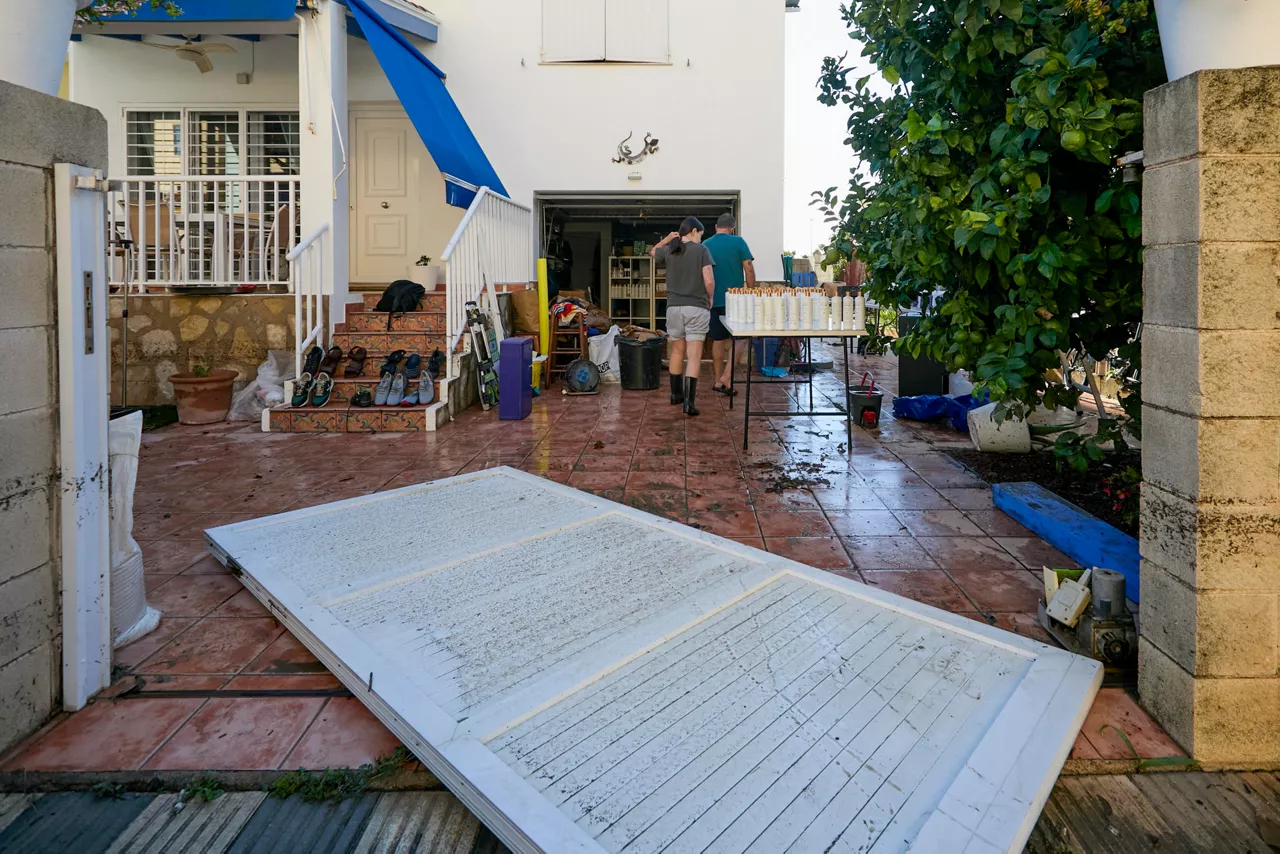
Residents are working to clean up the municipalities most affected by the isolated depression in the Adam Heights
Benta Berri residents will remain on protected rental terms
The Council will launch a virtual league between Guipuzcoan municipalities to promote healthy ageing
The storm has left two dead in Valencia, where the government is preparing a restraining order
The remains of Neanderthals have been found for the first time in Navarre in the caves of Abaunz

There will be news: Vaccinations in the ACV and flu vaccination in Navarre, Adam GOIDI and protests in France