The US and Iran have closed the first phase of negotiations in Islamabad without agreement, with disagreements over Ormuz
After more than 20 hours of dialogue, the conversation has ended with a final offer and deep disagreements over the nuclear programme and regional security.

Images of the interviews on Pakistani television.

The first phase of negotiations between Washington and Tehran has ended without decisive progress, after 21 hours of talks in Islamabad. Both sides have ended this first cycleof contacts, the most important in almost half a century, but without the expected consensus.
The US Vice President, J.D. Vance, has confirmed that there is no agreement, but has stressed that has launcheda "final offer" based on a "methodof understanding " E, leaving open the possibility of future talks.
The US remains committed to Iran's clear, verifiable and long-term commitmentnot to develop nuclear weapons , as well as restrictions on instruments that could facilitate their acquisition.
However, it has indicated that the US Administration has acted flexibly in other respects, but making it clear that without a strong nuclear guarantee no agreement can be reached.
Iran, for its part, has reacted harshly and accused Washingtonofmaking "abusive demands and unlawful demands. "Tehran insists that it will not renounce its rights and that, in order to reach a treaty, all sanctions must be lifted.
It has argued that the Iranian Government has sought to combine pressure and diplomacy and has reiterated that it will not abandon any instrument to protect its national interests.
One of the most complicated points has been the Strait of Hormuz. Iran has warned that the situation on this key path to global trade will not change until a "reasonable agreement" is reached with the US.
This strategic location, through which much of the world's oil flows, has become an important focus ofinterest. The stability of the Ormuz is directly linked to the success or failure of the negotiations, which has further heightened international concern.
Pakistan, as mediator, concludes this phase and calls on both sides to maintain the ceasefire. Islamabad says it is important to address the dialogue positively and is open to further mediation in the future, leaving open the possibility of a second phase of negotiations .
You might like
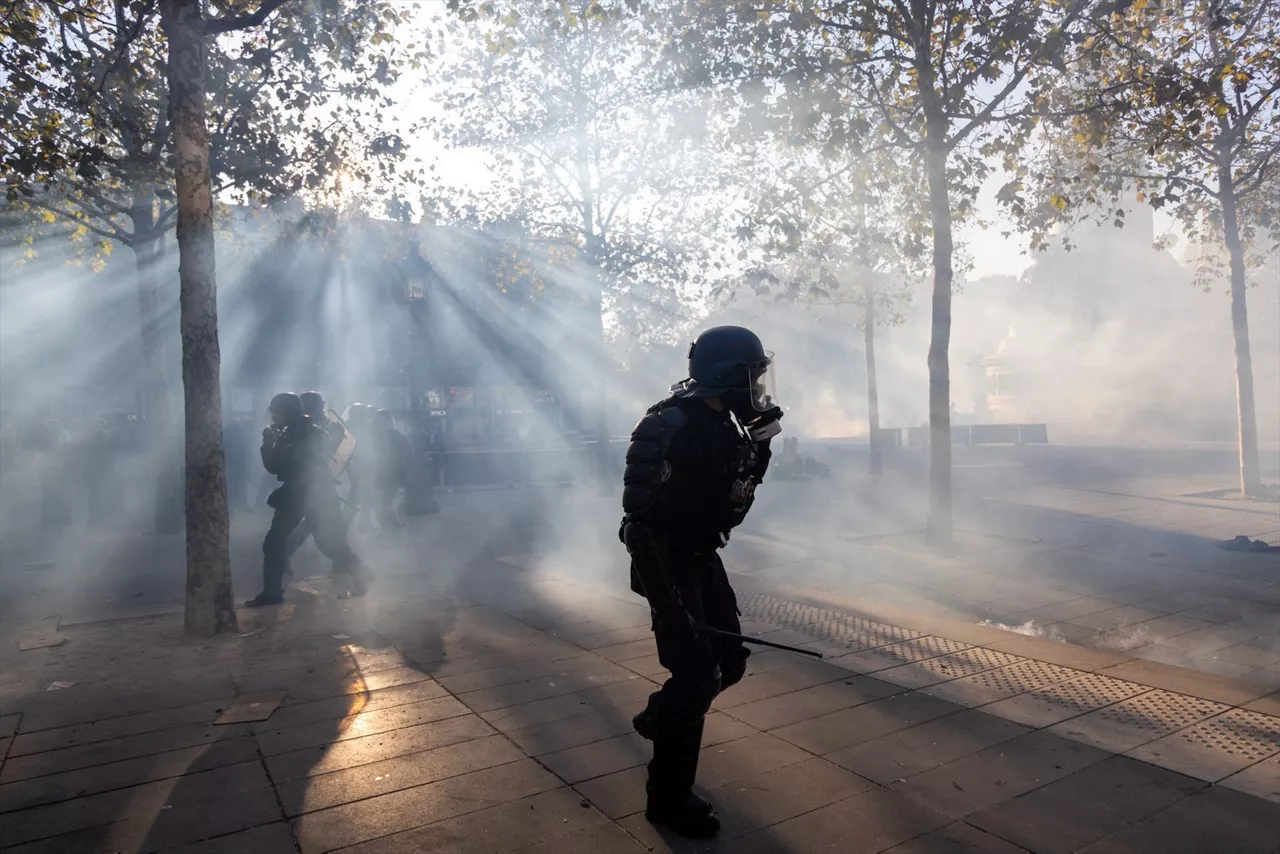
Yellow vests called for demonstrations on Saturday, and Macron accuses Trump of manipulating revolts
Von der Leyen blames several states and other actors for the migration crisis in Ceuta

Milei calls Sanchez a "dictator" and accuses him of promoting an "invasion" in Ceuta
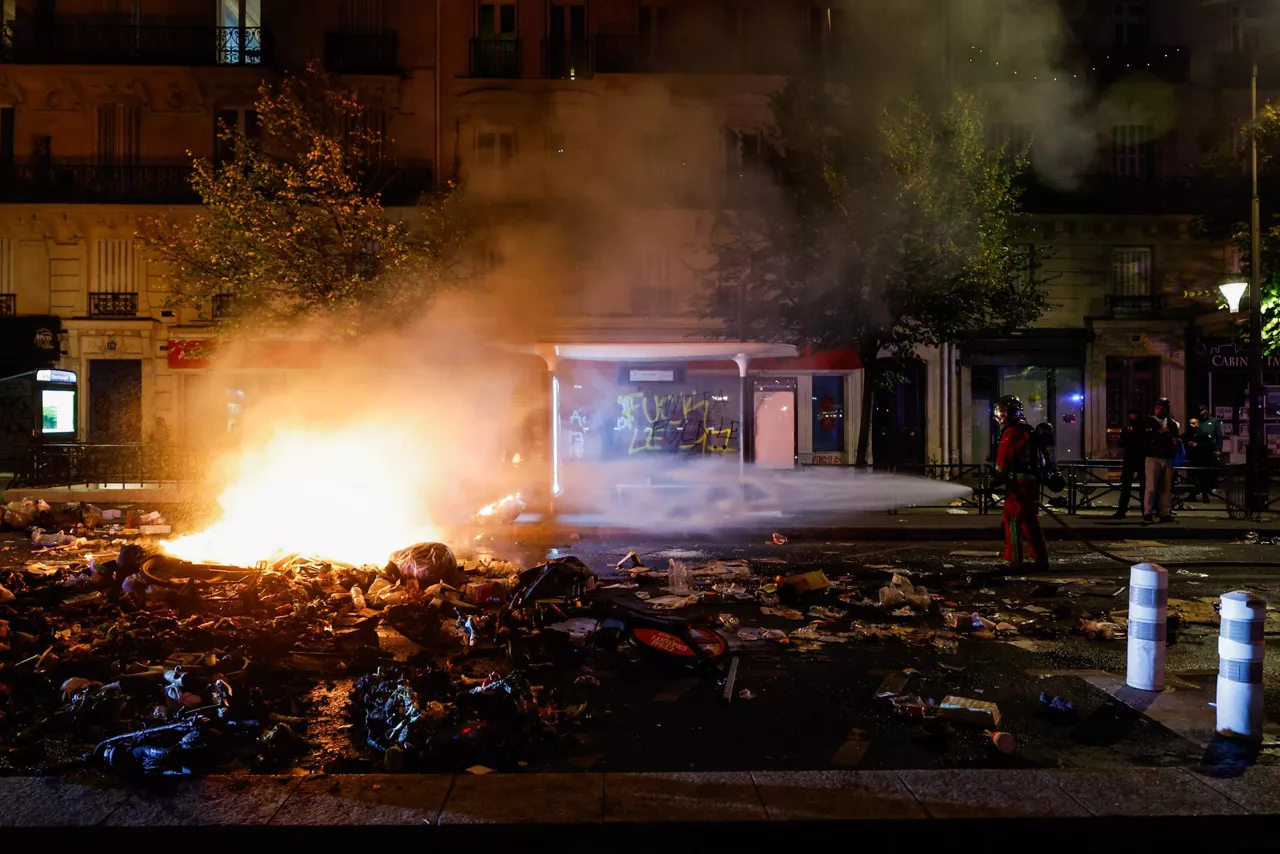
Partial curfews will be imposed in several French cities due to riots
Macron holds the far left responsible for the violence and conveys his support to the police and traders
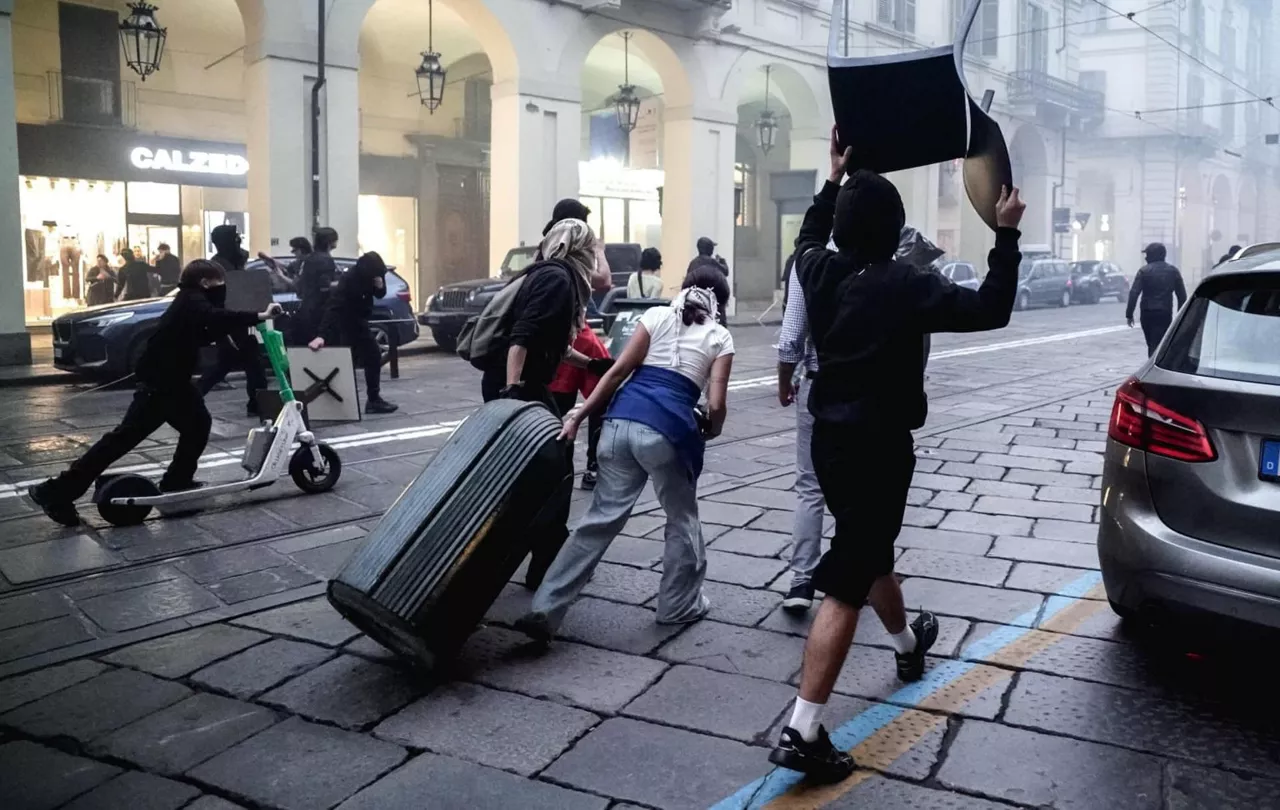
Violent protests in Italy and Albania against rising prices
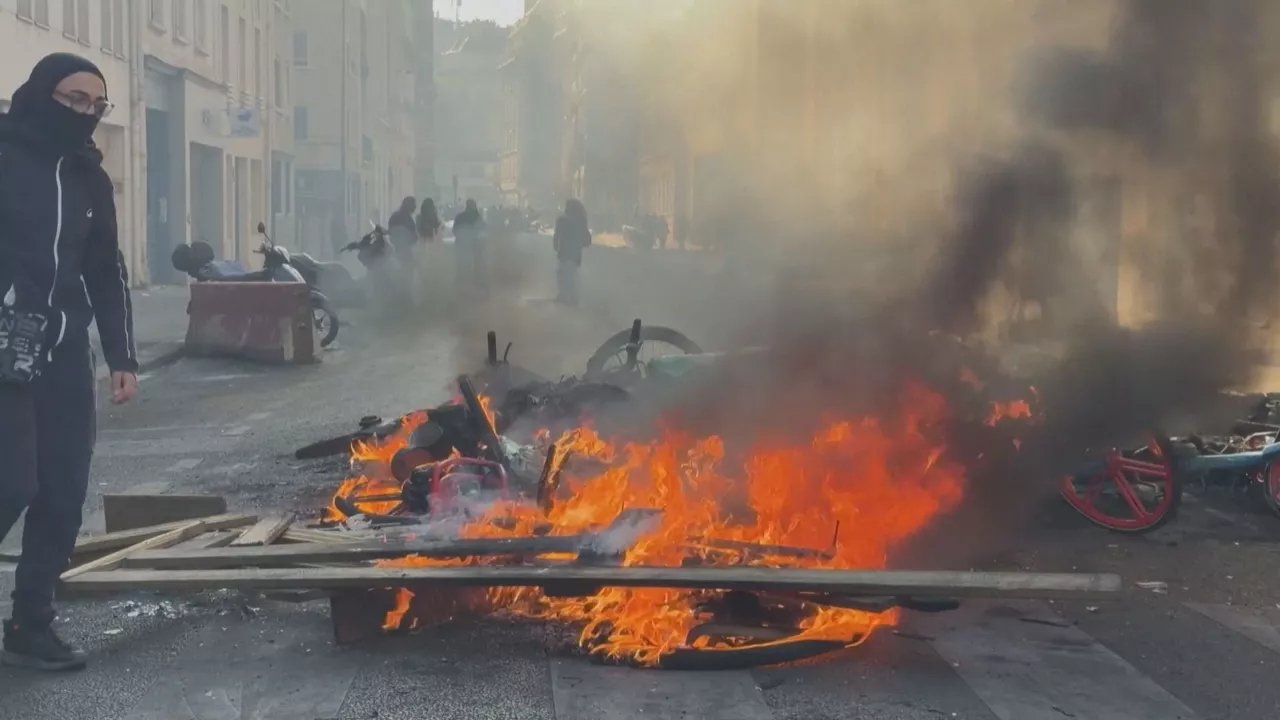
Riots erupt again in Paris the day after the protests

The Pope reappears in the Vatican to pray for the Angelus
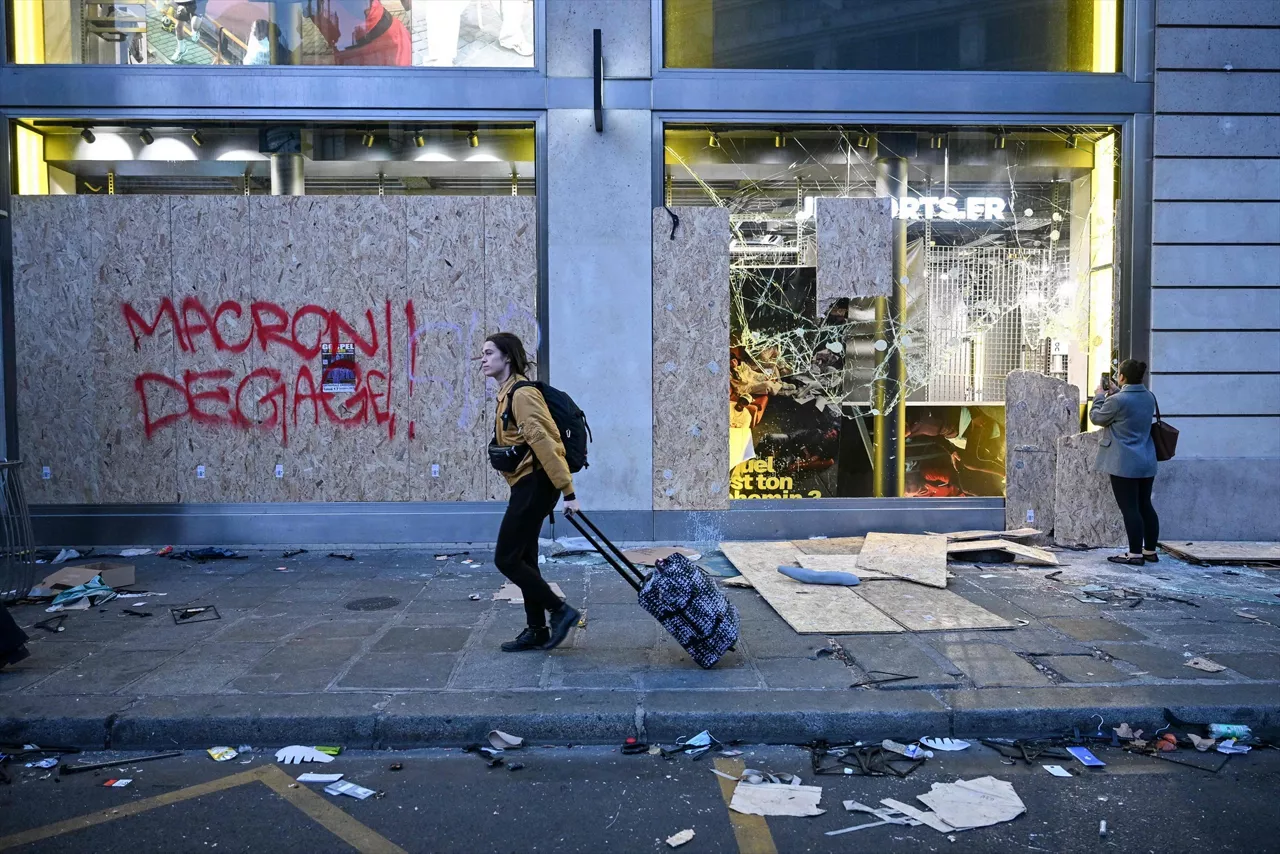
Consequences of the protests in France: one person has died, 1,200 have been arrested and there is destruction everywhere