The peace negotiations in Islamabad continue to wobble, with conflicting messages from Iran and the US
The presence of the Iranian minister in Pakistan has revived hopes for dialogue, but the refusal to meet with the Washington authorities questions whether there will be diplomatic steps.

Security measures for negotiations in Islamabad.

Pakistan's capital is once again at the centre of international diplomacy, even though the peace negotiations between Iran and the US are in doubt and amid conflicting messages. The arrival of Iranian Foreign Minister Abas Araqchi has not cleared up doubts, but has cast a shadow over political and strategic calculations.
Iran refuses to meet with Steve Witkoff and Jared Kushner sent by the Donald Trump administration. The US administration has indicated that they are trying to strengthen contacts, but Tehran has publicly closed that possibility.
The Iranian authorities have made clearthat "no meetings are planned "with representatives of Washington and have stressed that any message will be sent through Pakistan. This statement has cooled hopes for an imminent meeting and suggests that negotiations are continuing in a fragile preliminary phase.
However, the tone of the Iranian message leaves room for interpretation. Analysts believe that itcould be a strategy for domestic policy, especially not to show weakness in the face of the country's toughest sectors, while indirect communication channels remain open.
In this context, Araqchi's visit takes on a broader meaning. Rather than a direct negotiator with Washington, his role seems to be to send proposals to regional mediators , including Pakistan, the mediator of both sides.
Pakistan, led by military chief Asim Munir, intensifies its mediating work and maintains strong security measures in the capital. The Pakistani Government conveys optimism and suggests that a meeting can take place immediately, although local events do not confirm that hope.
Araqchi's agenda in the region adds another layer of complexity. His next stop at Mascat reinforces Oman's historic role as mediator between the two powers, especially with regard to the control of the Strait of Hormuz .
Then his visit to Russia points to the other major axis of the conflict: Iran's nuclear program. Moscow, an ally of Tehran and with open channels with Washington, could play a key role in unblocking one of the main obstacles to peace.
Meanwhile, logistical reality doesn't make it any easier for the meeting to take place, as the US authorities have not yet begun their journey.
You might like
Yellow vests called for demonstrations on Saturday, and Macron accuses Trump of manipulating revolts
Von der Leyen blames several states and other actors for the migration crisis in Ceuta
Milei calls Sanchez a "dictator" and accuses him of promoting an "invasion" in Ceuta
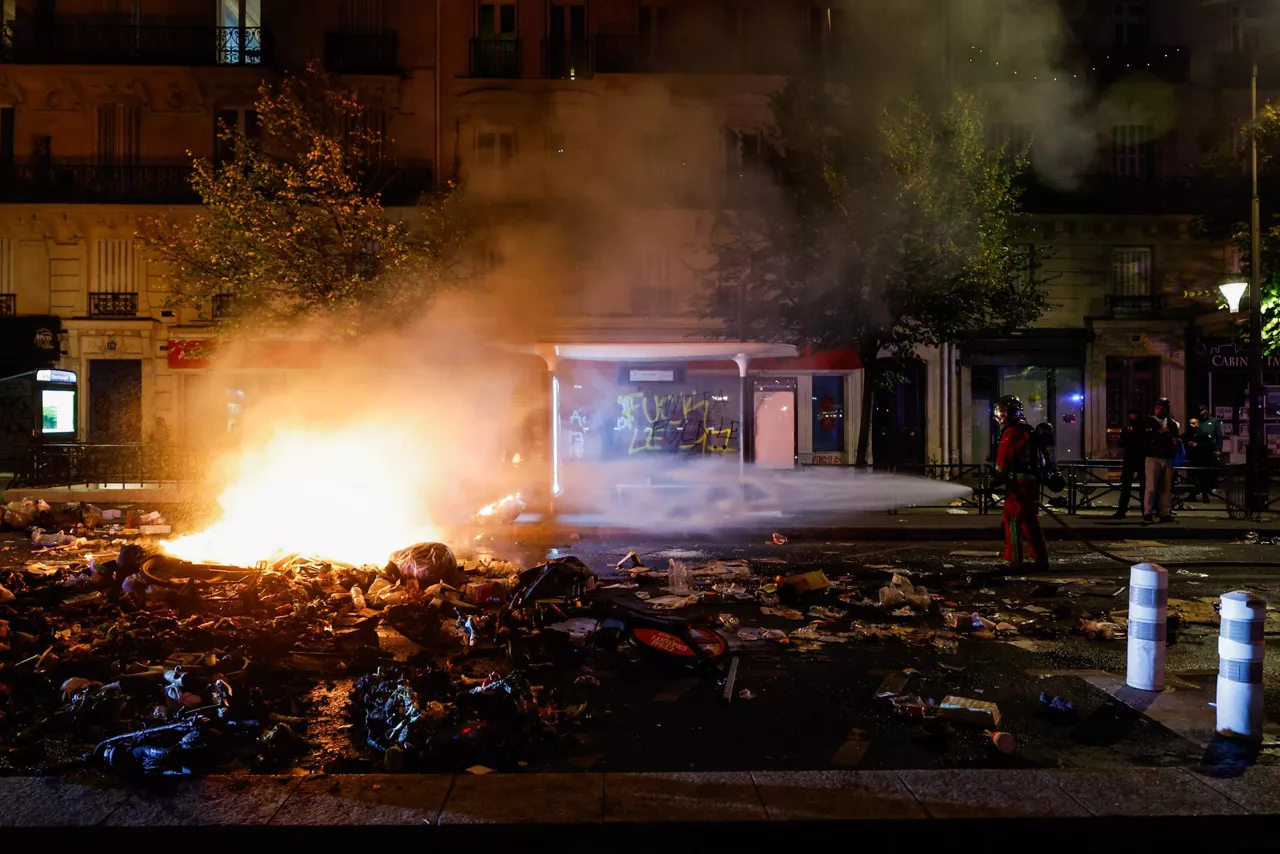
Partial curfews will be imposed in several French cities due to riots
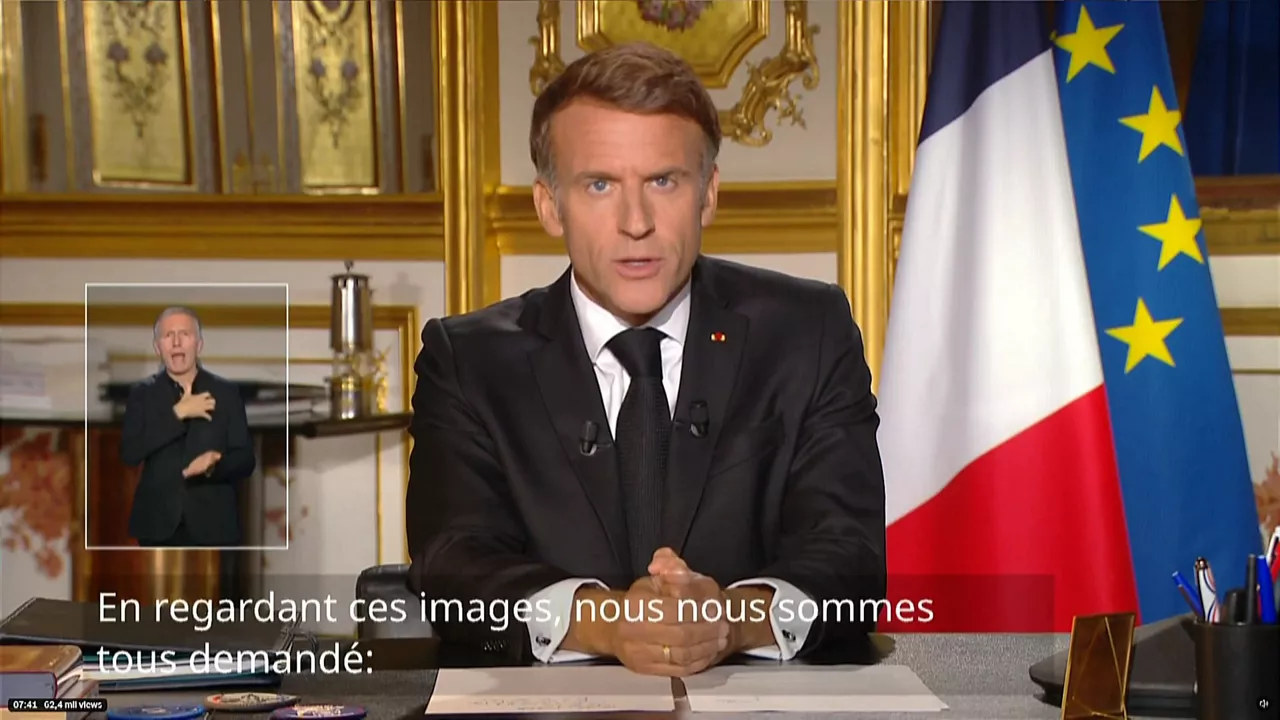
Macron holds the far left responsible for the violence and conveys his support to the police and traders
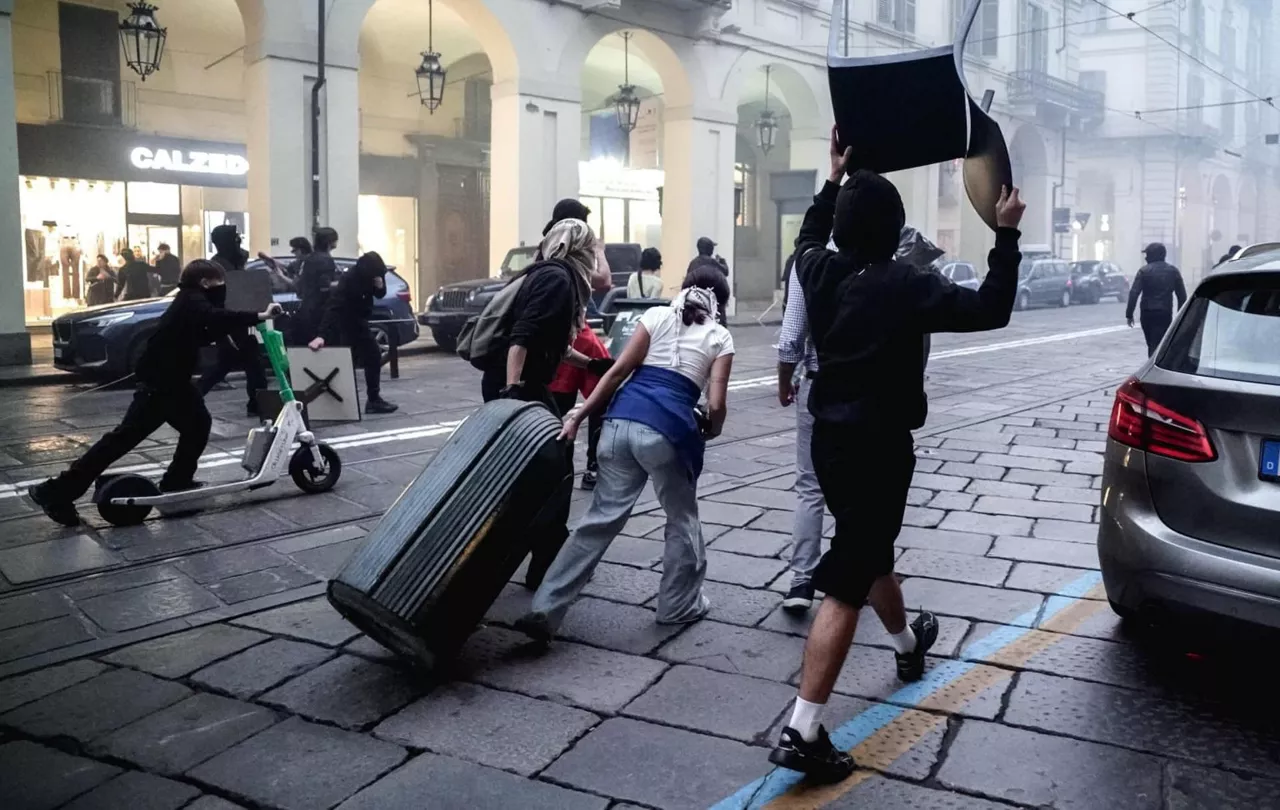
Violent protests in Italy and Albania against rising prices
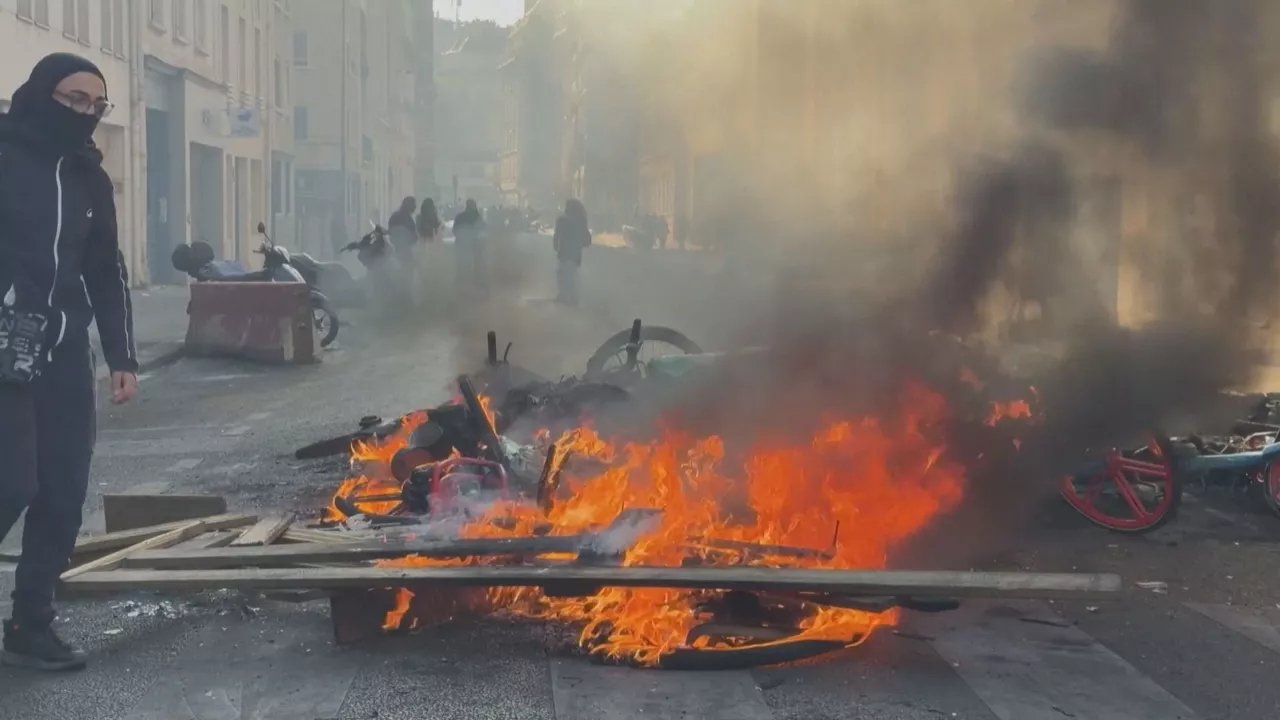
Riots erupt again in Paris the day after the protests

The Pope reappears in the Vatican to pray for the Angelus
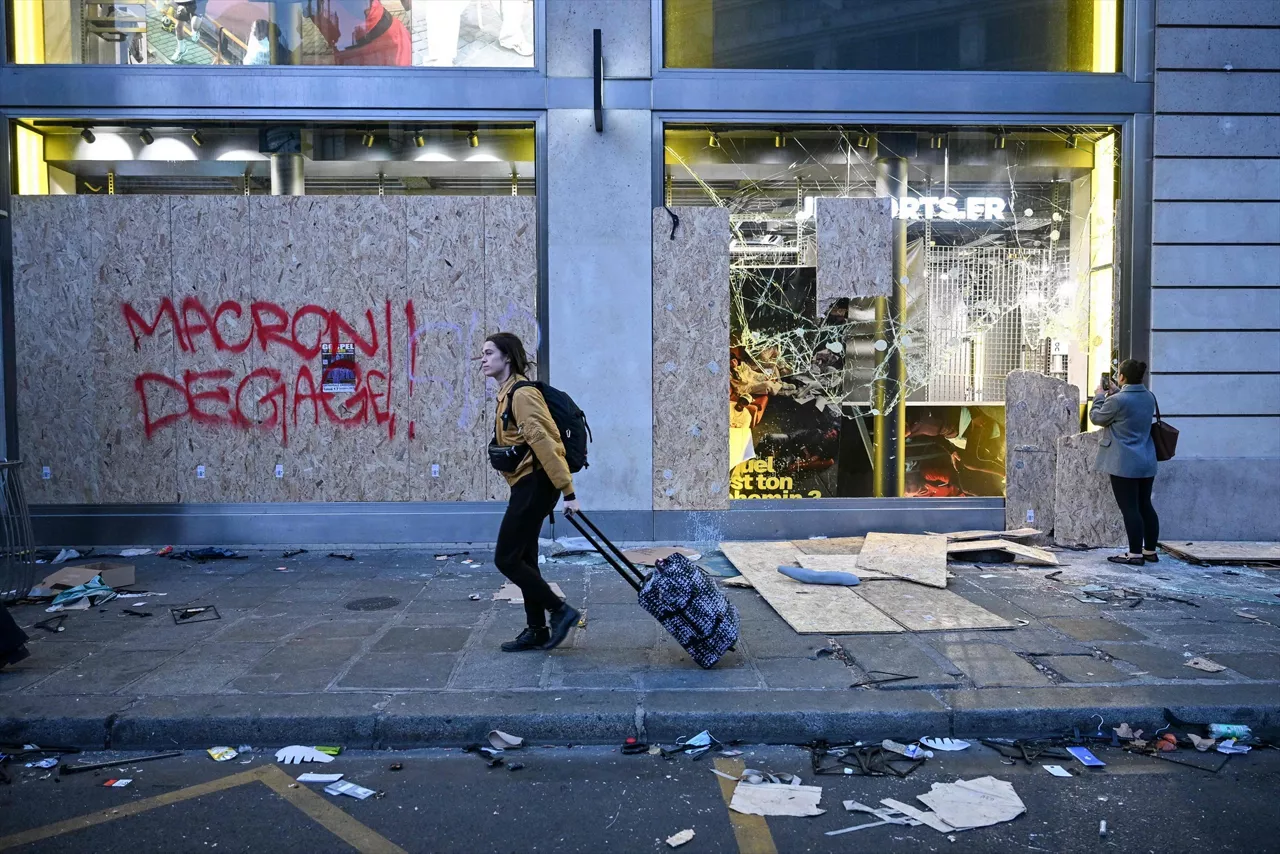
Consequences of the protests in France: one person has died, 1,200 have been arrested and there is destruction everywhere