Escalating tension in the Persian Gulf following the US attack on Iran and the restoration of the naval blockade of Hormuz
For the third day in a row, the US has attacked military targets in Iran and that, in retaliation, has attacked US bases and positions in Bahrain and Jordan. Trump has sought compensation for aid to Gulf countries, while oil prices have risen to mid-June values.

Strait of Hormuz in the Persian Gulf.

The UShas tightened its military campaign against Iran and attacked the country for the third night in a row in operations aimed at reducing Iranian military capability, avoiding threats to Israel, and strengthening control over maritime transport in the Strait of Hormuz.
Tension has been rising since last week, when Trump terminatedthe ceasefire agreement signed with the Islamic Republic on June 17 , accusing each other of violating it.
This new day of attacks comes hours after US President Donald Trump reactivated the naval blockade against the Islamic Republic and ensured that the country would be hit "very hard."
According to the U.S. Central Command (Centcom), U.S. forces have attacked Bushehr, Chah Bahar, Jask, Konara, Abu Musa, and Bandar Abbas's couture targets, using precision ammunition against coastal defense systems and missile and drone installations, with the aim of further reducing Tehran's ability to attack commercial shipping.
The Iranian Revolutionary Guard has claimed responsibility for last night's attack on the US naval base in Jufair, Bahrain, home to the US Central Command and the US Fifth Fleet, as well as against US positions in Jordan, in response to Washington's latest attacks on the southern coast of Iranian territory and against strategic military enclaves.
On the other hand, the United Arab Emirates (UAE) authorities have accused Iran of attacking the Emirati tankers Mombasa and Al Bahia with cruise missiles in the Strait of Hormuz. They have claimed that one Indian crew member from Mombasa was killed in the attack, while eight other people (six Indians and two Ukrainians) were injured, four of them seriously.
Trump Asks for Compensation
The Army stresses that the Centcom forces will "enforce the blockade against ships heading to Iranian ports or coasts," but promises to "continue to protect the flow of regional water traffic for ships that do not violate the blockade and meet Washington's conditions."
However, far from being an altruistic gesture, Trump has demanded 20% compensation for the protection of ships passing through the Strait of Hormuz, namely Saudi Arabia, the United Arab Emirates, Qatar, Bahrain, Kuwait, and Israel , for the US military's support in West Asia.
Oil is over $85.
In the face of rising tensions between the United States and Iran in the Persian Gulf and forecasts of a further blockade of the Straitof Hormuz, the price of a barrel of Brent oil has risen above $85, reaching its highest price since mid-June.
In particular, the cost of a reference barrel of oil for Europe reached $85.66on Tuesday, 2.8% higher than the price marked at the close of yesterday and the highest in the last month.
You might like
Yellow vests called for demonstrations on Saturday, and Macron accuses Trump of manipulating revolts
Von der Leyen blames several states and other actors for the migration crisis in Ceuta

Milei calls Sanchez a "dictator" and accuses him of promoting an "invasion" in Ceuta
Partial curfews will be imposed in several French cities due to riots

Macron holds the far left responsible for the violence and conveys his support to the police and traders
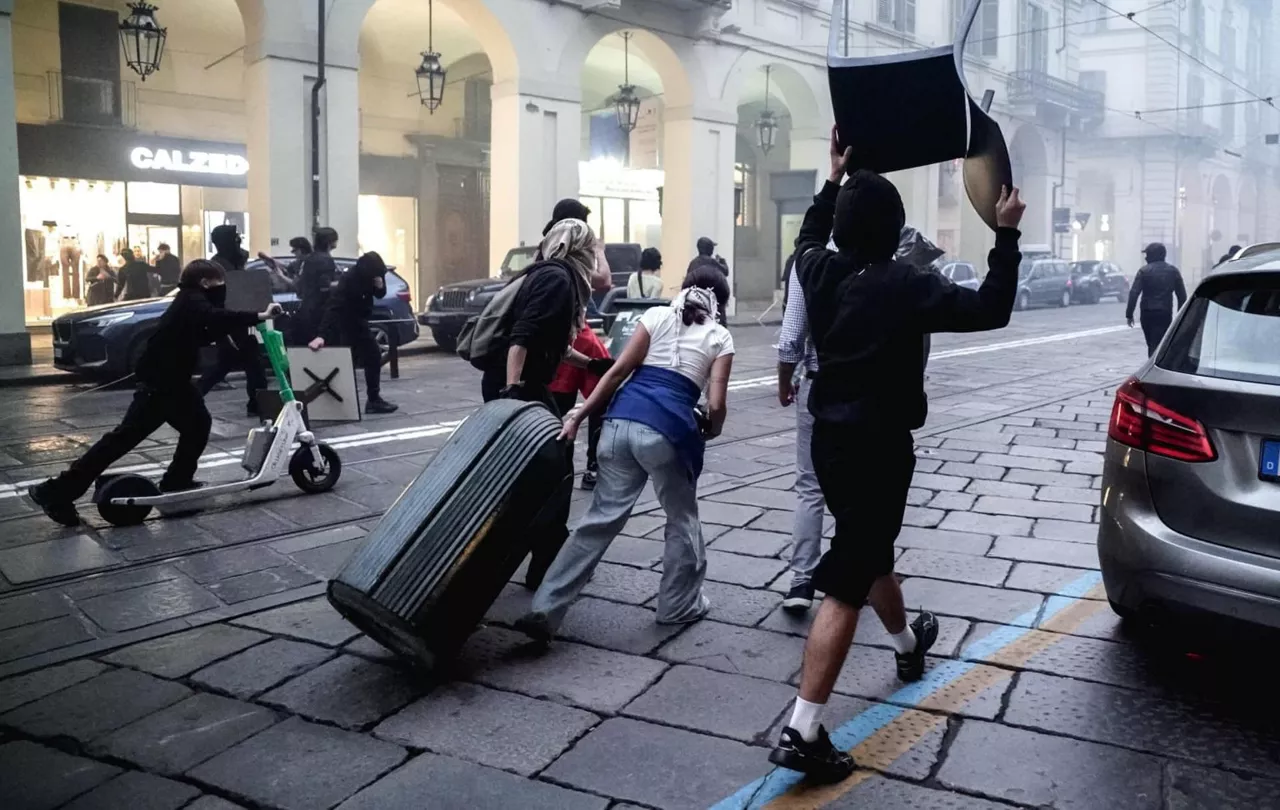
Violent protests in Italy and Albania against rising prices
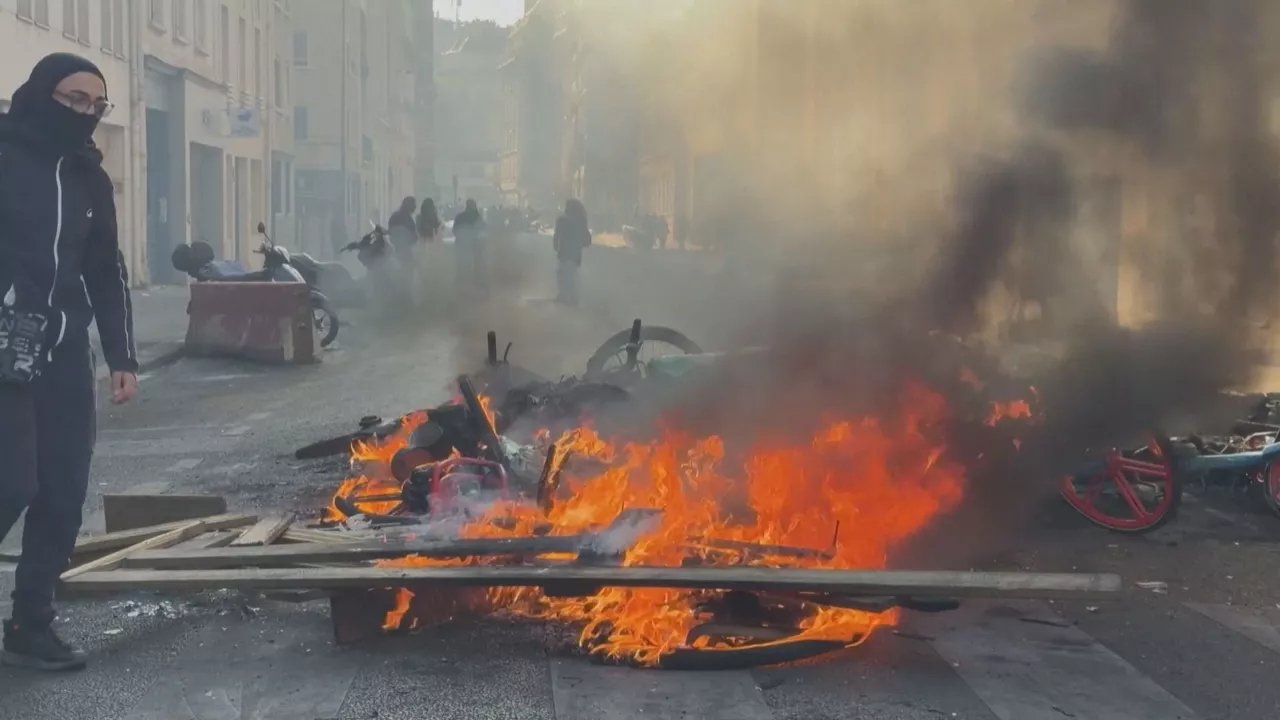
Riots erupt again in Paris the day after the protests
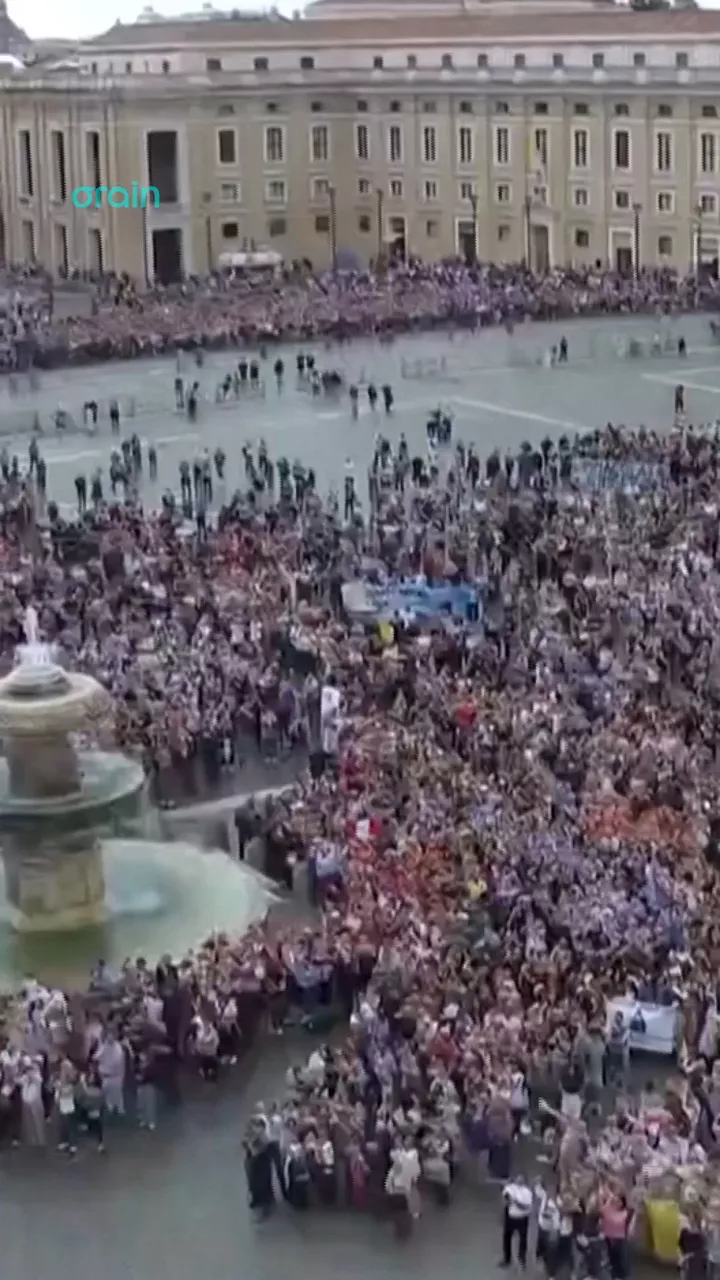
The Pope reappears in the Vatican to pray for the Angelus
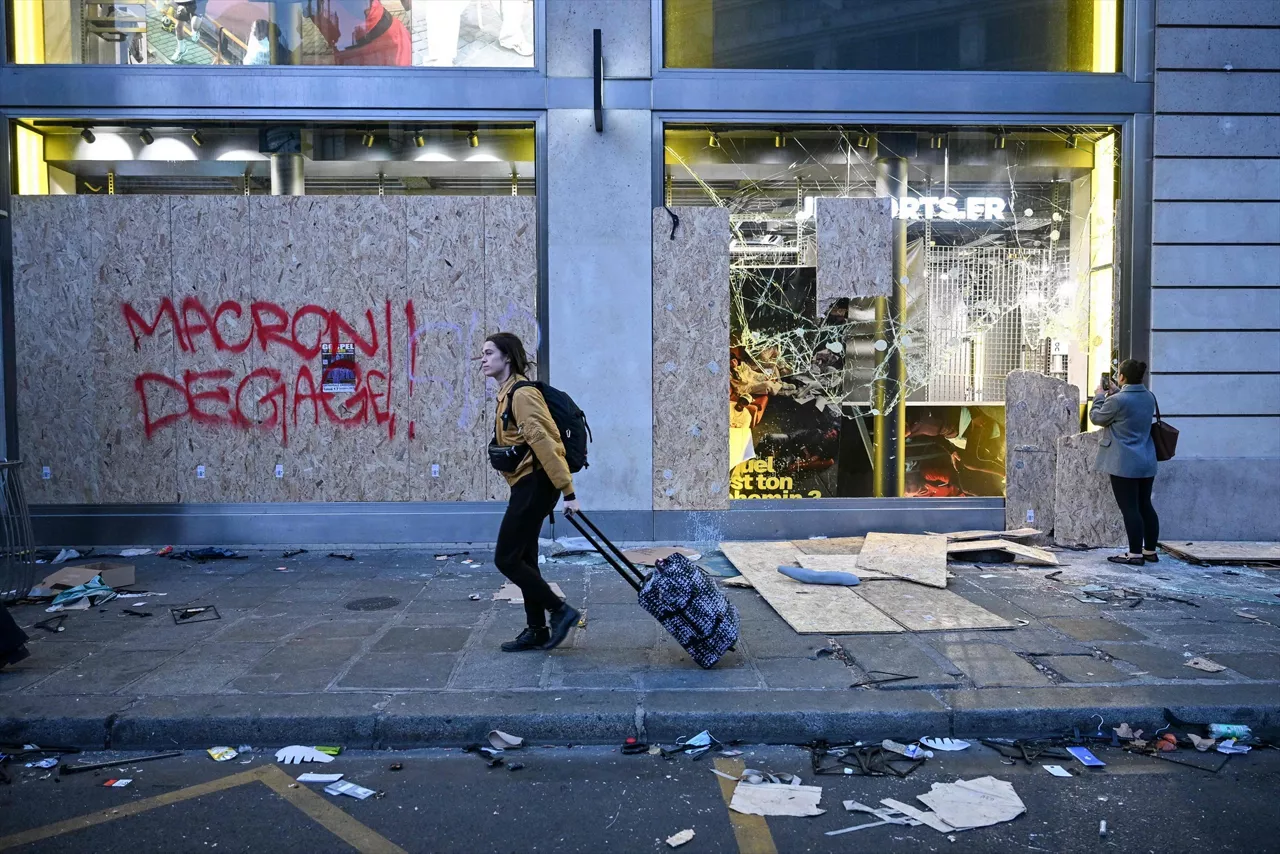
Consequences of the protests in France: one person has died, 1,200 have been arrested and there is destruction everywhere