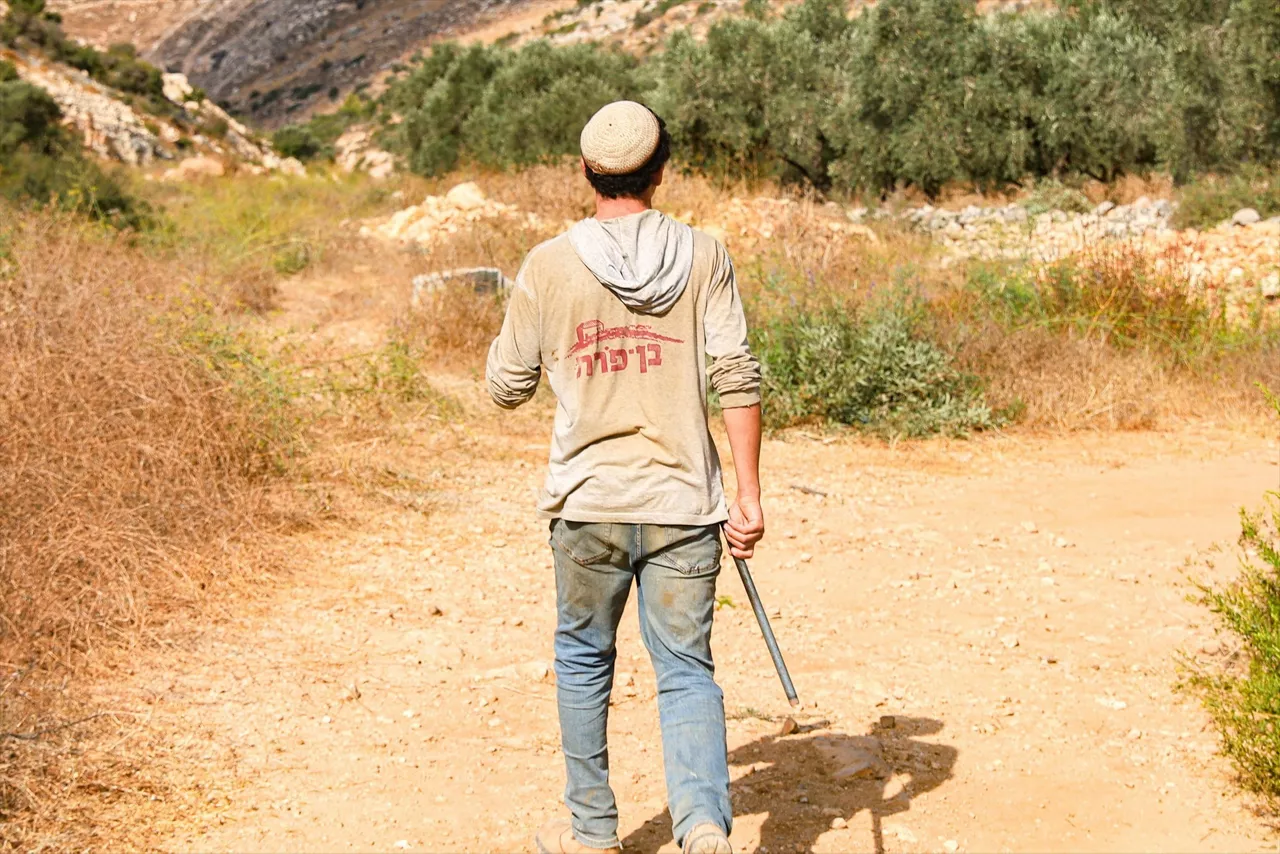
22 EU states call for a joint response to the migration crisis in Ceuta
In the letter, spearheaded by Italy and Denmark, they call for an extraordinary meeting of EU interior ministers to strengthen external border control and warn that mass regularizations can have an "attraction effect."


A total of 22 Member States have called on Saturday for a coordinated response following the migration crisis in Ceuta to strengthen the control of the Union 's external borders, in a letter sent to the President of the European Council, António Costa, the President of the European Commission, Ursula von der Leyen, and Ireland, which holds the rotating presidency of the EU Council, urgently calling for an extraordinary meeting of the Ministers of the Interior of the Member States.
The initiative, promoted by Italy and Denmark and supported by 20 other states, comes a few hours after the President of the Spanish Government, Pedro Sánchez, made a similar request, which also called for an urgent meeting of the Ministers of the Interior to provide a joint response from Europe to the migration crisis.
For a coordinated response
The signatory States state that the protection of the European Union's external borders is a shared responsibility of all States and requires coordinated action in the face of situations of migratory pressure such as that experienced in Ceuta.
In this regard, they point out that the European Union must 'effectively prevent and permanently combat illegal migration' by strengthening its external borders and activating all Community instruments to deal with future crises.
They also warn against spreading the impression that there is a possibility of unlawfully joining the European Union and then remaining in the European Union, which they believe may encourage further attempts at entry.
Reference to regularizations
In this regard, the signatories expressly mention the regularization of a large number of migrants in an irregular situation, since they believe that such measures could encourage further arrivals.
They also propose, if necessary, strengthening or re-establishing temporary controls at the internal borders of the Schengen area in order to avoid secondary movements of migrants, although they acknowledge that no such movements have been detected so far from Ceuta to the rest of the European Union.
Support for Spain and cooperation with Morocco
The countries that signed the Charter welcome the cooperation between Spain and Morocco to enable the return of most of the people who arrived in Ceuta and believe that the situation will be fully controlled with the help of the European Union.
They also believe that an extraordinary meeting of the Ministers of the Interior should address the effectiveness of cooperation with Morocco, as well as the strengthening of Frontex's aid to the European Union's external borders.
The Charter has been signed by Italy, Denmark, Germany, Austria, Belgium, Bulgaria, Croatia, Cyprus, Slovakia, Estonia, Finland, Greece, Hungary, Latvia, Lithuania, Malta, the Netherlands, Poland, the Czech Republic, Romania, Sweden and France, Portugal, Ireland and Luxembourg.
Brussels will consider the request
Having received the letters sent by Pedro Sanchez and the 22 states, Ursula von der Leyen welcomed the holding of an extraordinary meeting to discuss the migration crisis and pointed out the need to draw lessons from what happened in order to strengthen the European Union's responsiveness.
However, Ireland, which holds the rotating presidency of the EU Council, has not yet confirmed that it will convene an extraordinary meeting of the Ministers of the Interior.
You might like
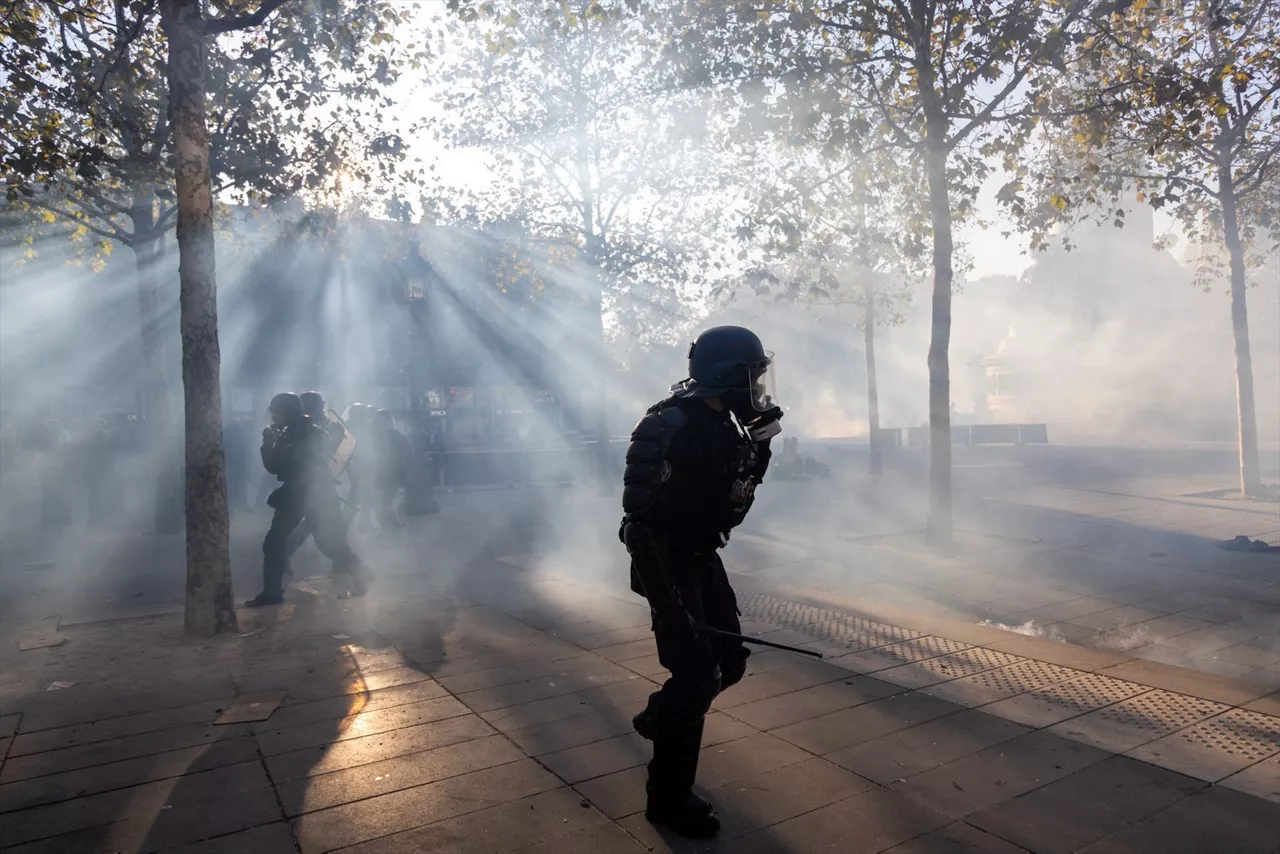
Yellow vests called for demonstrations on Saturday, and Macron accuses Trump of manipulating revolts
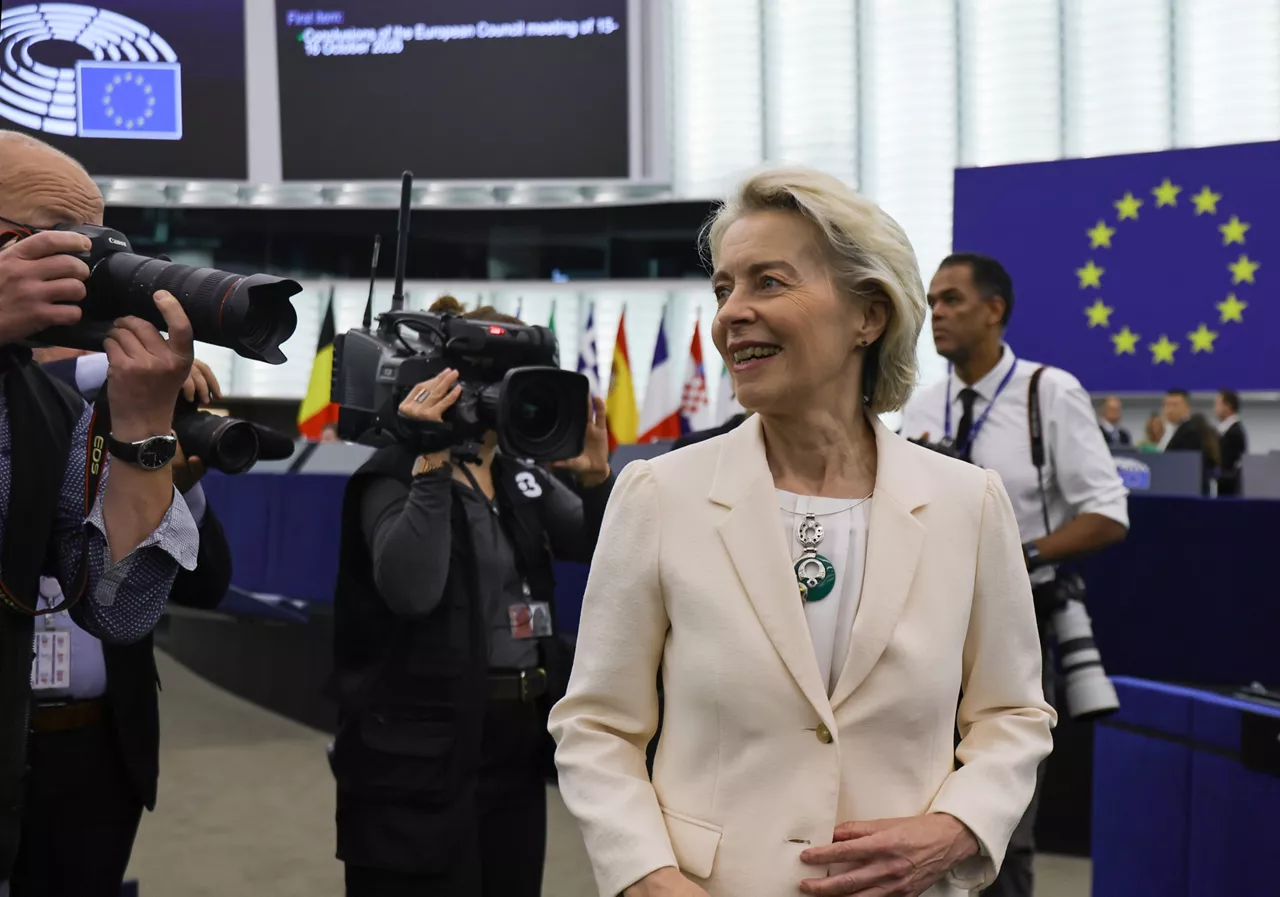
Von der Leyen blames several states and other actors for the migration crisis in Ceuta
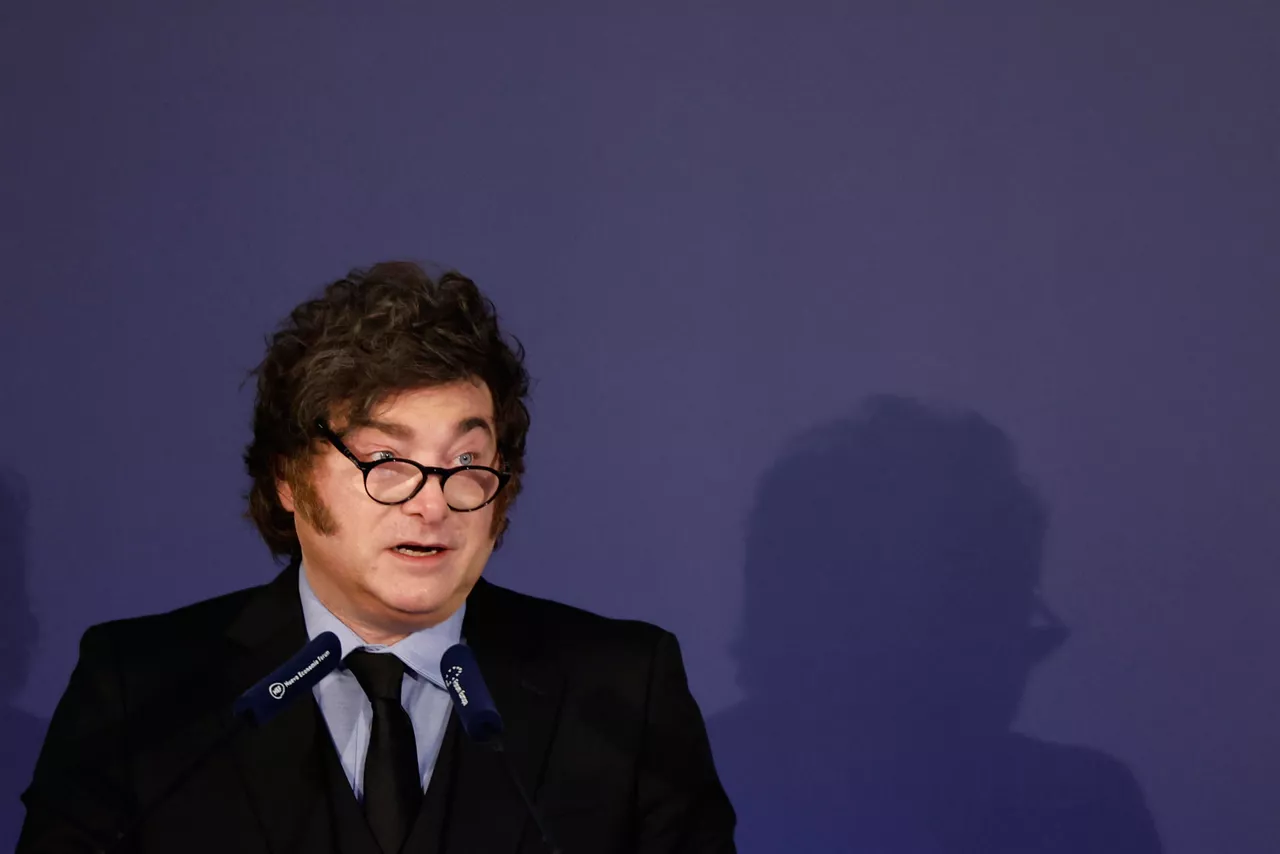
Milei calls Sanchez a "dictator" and accuses him of promoting an "invasion" in Ceuta
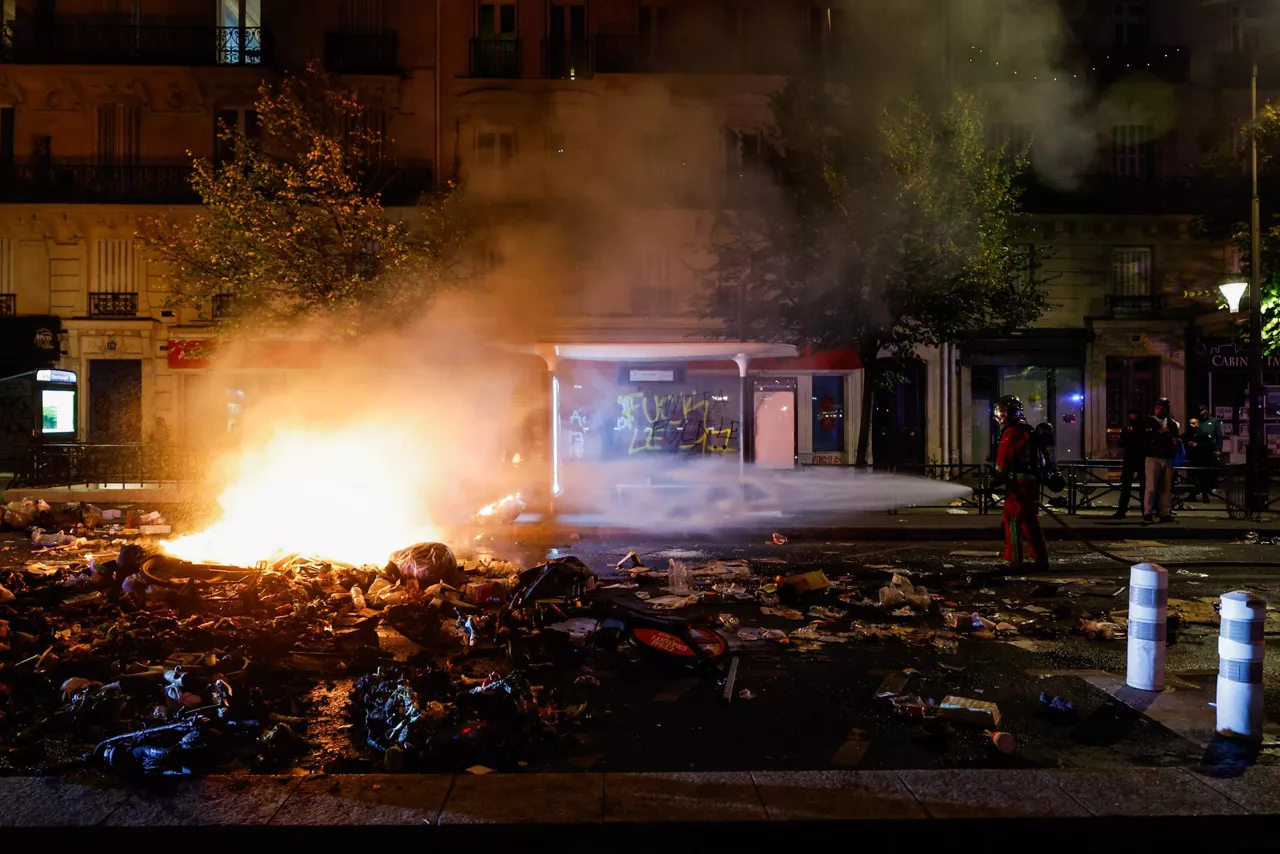
Partial curfews will be imposed in several French cities due to riots
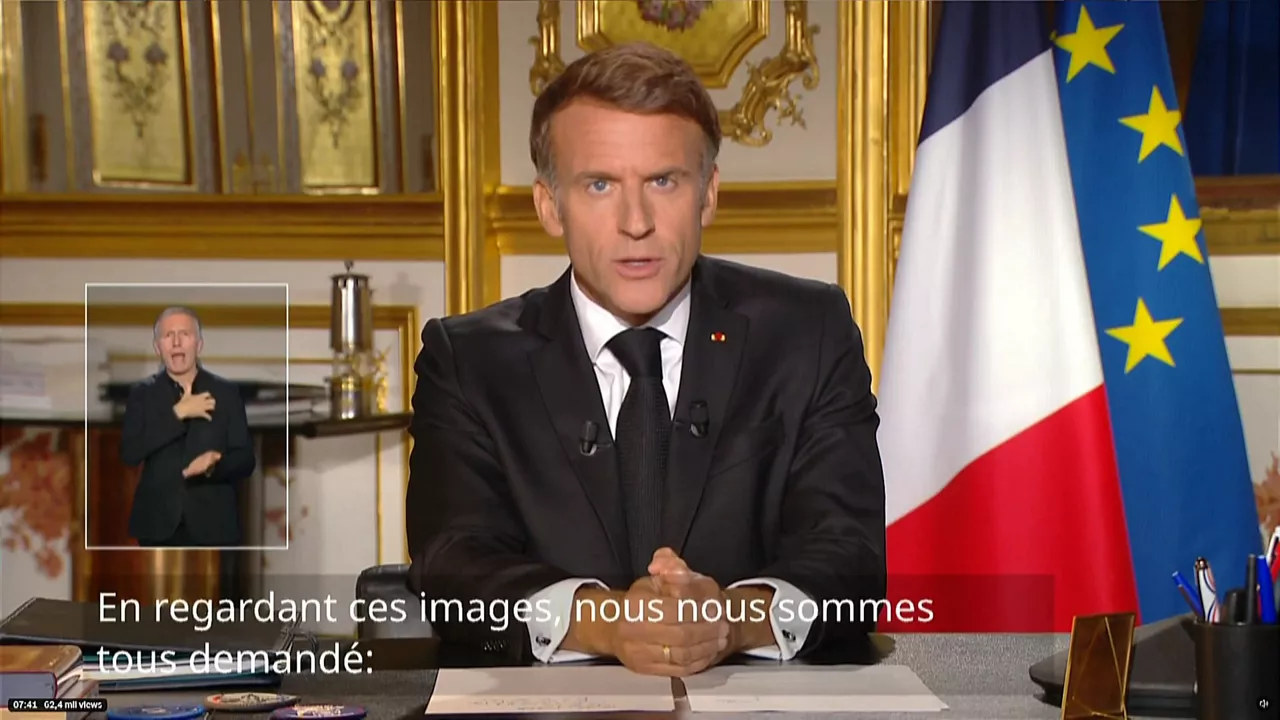
Macron holds the far left responsible for the violence and conveys his support to the police and traders
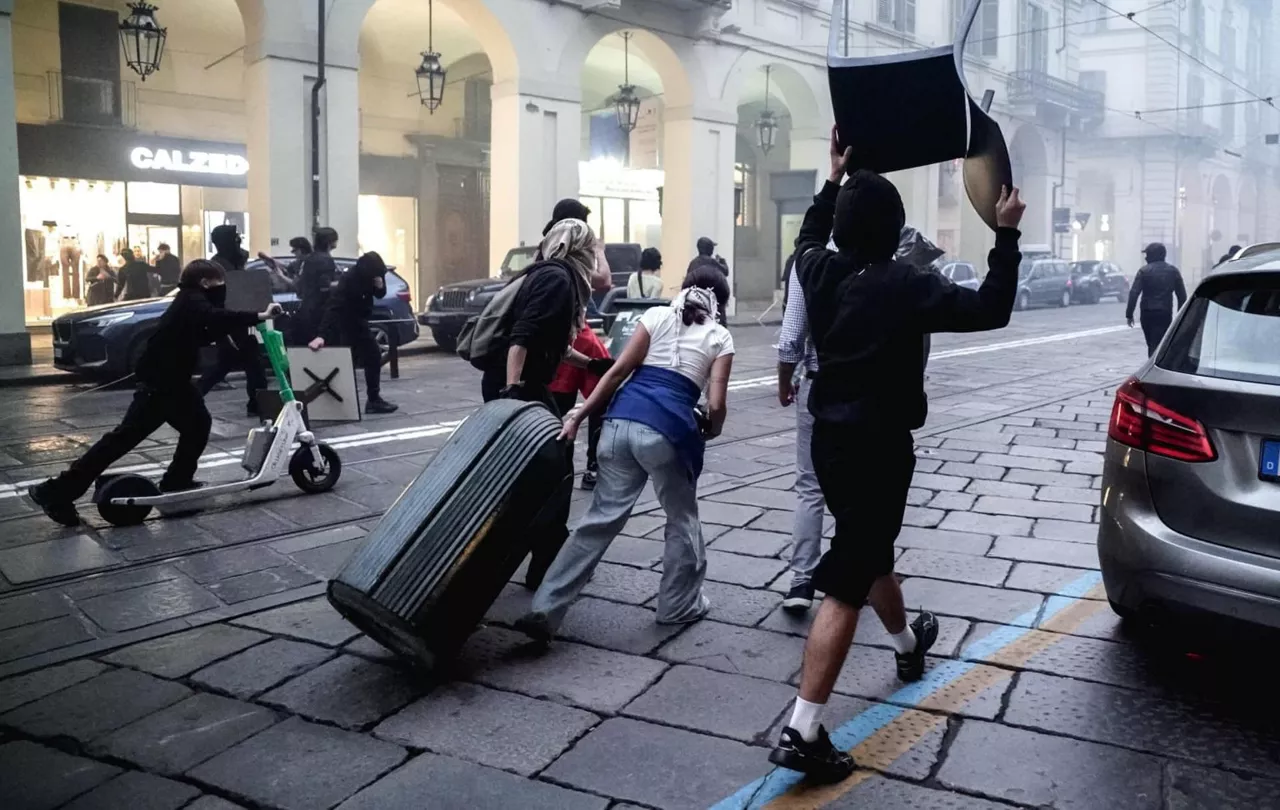
Violent protests in Italy and Albania against rising prices
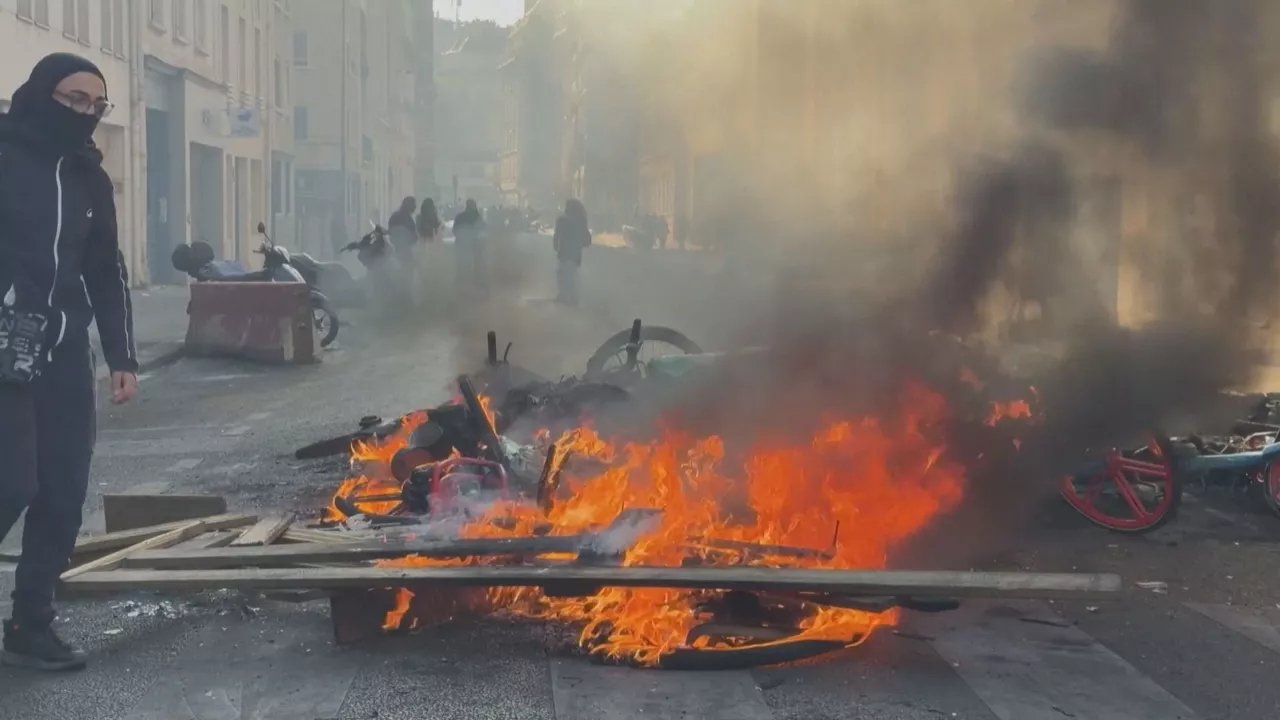
Riots erupt again in Paris the day after the protests
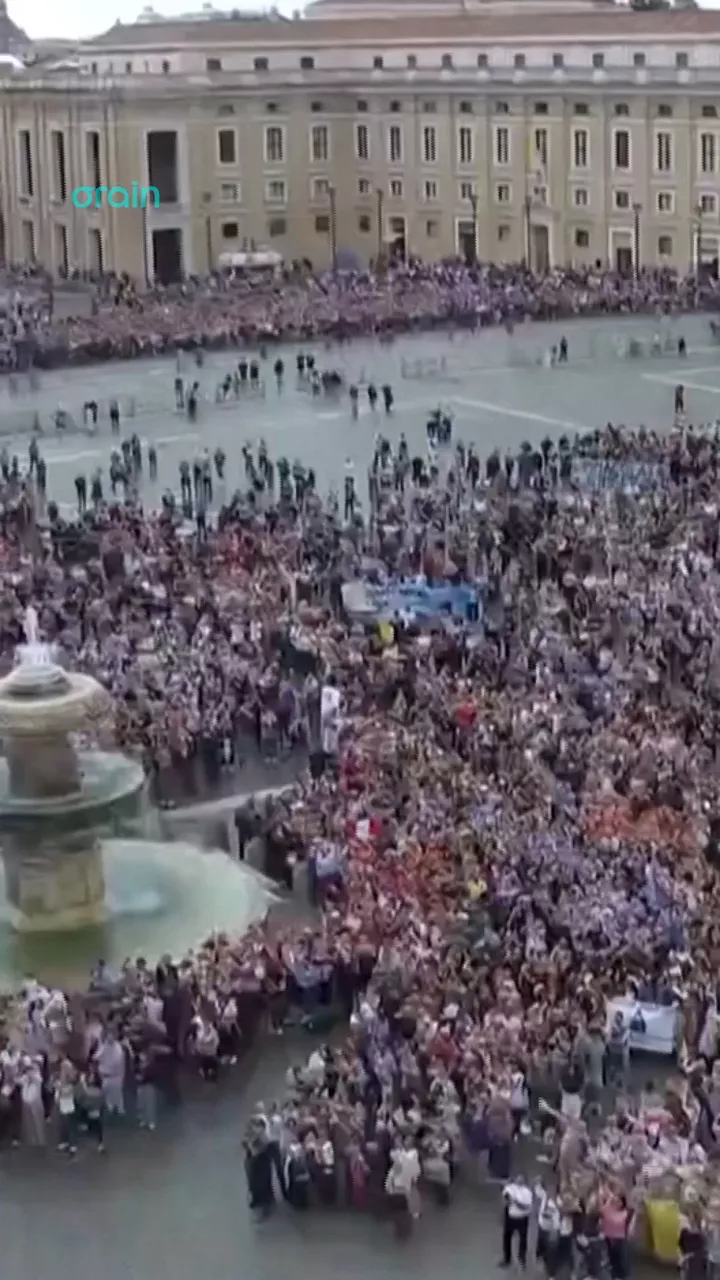
The Pope reappears in the Vatican to pray for the Angelus
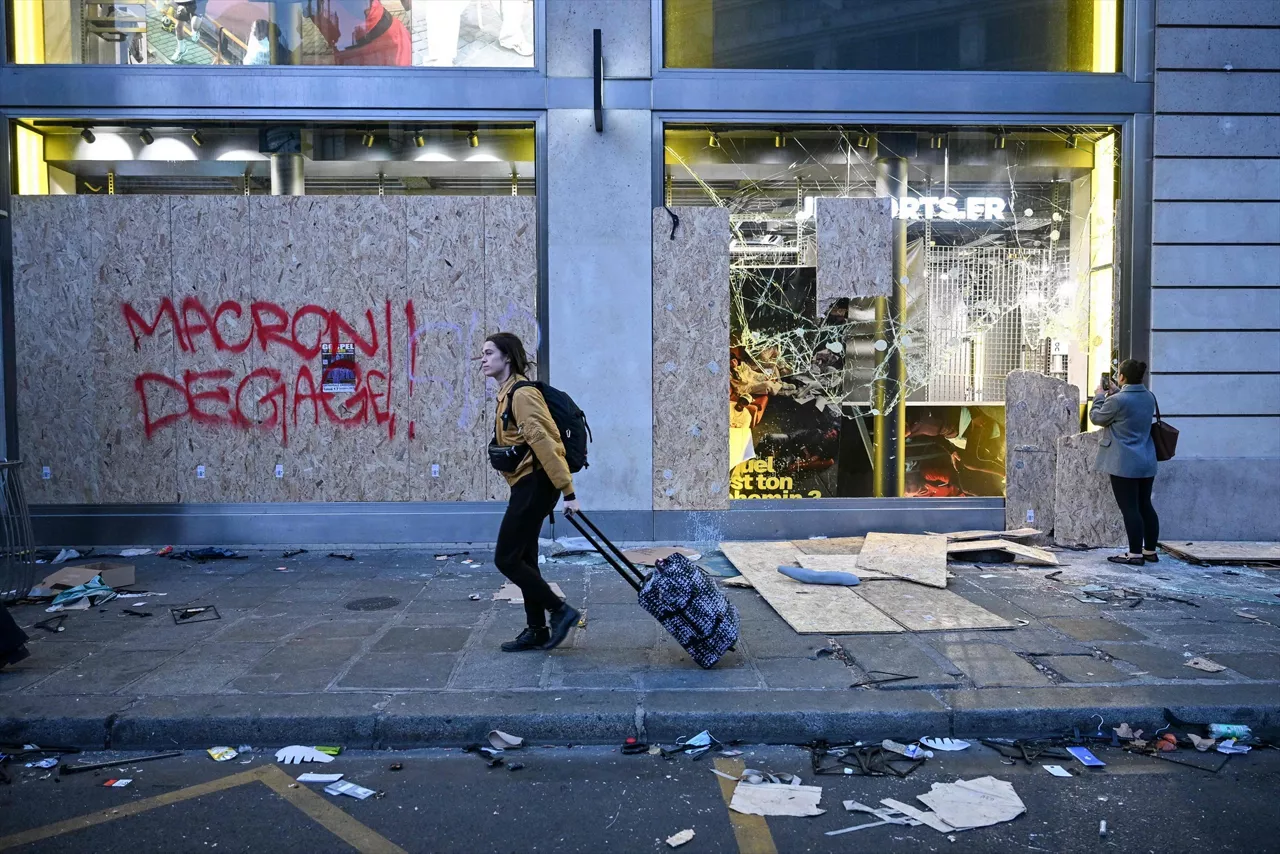
Consequences of the protests in France: one person has died, 1,200 have been arrested and there is destruction everywhere