Ratko Mladic, former general convicted of genocide in Bosnia's Srebrenica
1995 was convicted, among other things, of organizing the murder of at least 8,000 Muslims in a UN-designated safe zone in Bosnia.


Ratko Mladic, convicted of genocide in 1995 for planning the murder of at least 8,000 Muslims in a UN-designated safe zone in Bosnia, has died.
The Srebrenica massacre was only the culmination of an incident lasting more than three years in which Mladic bombed the capital of Sarajevo under siege every day with artillery, tanks, mortars and heavy machine guns from his Serbian nationalist army, killing 10,000 people.
The dead in Srebrenica were thrown into mass graves with heavy bulldozers during the four days of July 1995, some of which were dug up and taken to remote mountains to hide evidence of the killings.
The United Nations National Criminal Tribunal for the former Yugoslavia (ICTY) ruled that the purpose of these actions was to carry out an ethnic cleansing consisting of the forcible expulsion of Bosnian Muslims, Croats and non-Serbs to integrate Bosnian lands into a Greater Serbia.
The court found that Mladic, along with late Serbian President Slobodan Milosevic and Serb political leader Radovan Karadzic, was part of a criminal conspiracy to carry out this plan.
"I do not accept this court," said Mladic, called the Bosnian Butcher by his opponents, at a 2014 hearing on his case at the ICTY. When he was sentenced to life imprisonment in 2017, he shouted, "All this is a lie, you are all liars!"
The Germans had Hitler; the Serbs had Mladic.
Karadzic (also convicted of genocide in 2016) and Mladic remained at the top of the ICTY's most wanted list after the war ended for years, but until Milosevic was deposed by a popular revolt in 2000, Mladic lived safely, albeit discreetly, in Belgrade.
Milosevic died in custody on 11 March 2006, a few months before the resolution of a four-year trial for genocide and other war crimes committed in Croatia, Bosnia and Kosovo.
Mladic's army to fight in Bosnia set an example of brutality and carried out terrible actions, such as forcing prisoners to eat salt rich foods and refusing water to die of heat; causing famine and rape in prison camps; forcing people to jump off a bridge and then shoot at them; and driving people out of detention centres using chemical gas to shoot them later.
"Mladic is to me the symbol of all the horrific crimes committed in the war: our daughters were raped, and our sons were murdered, simply because they were Muslims," says Munira Subasic, whose son and husband were murdered by Bosnian Serb forces after taking Srebrenica.
The Germans had Hitler, the Serbs had Mladic, Subasic continued.

Mladic asked a cameraman to record the offensive against Srebrenica, who was under siege, to praise his "boys" and to teach him to rebuke the Dutch peacekeepers of the UN, to whom Mladic promised that the inhabitants would be safe in his hands, and the Blue Helmets accepted his words.
"We give this people as a gift to the Serbian people," Mladic told the camera, considering victory as revenge against Turkish Muslims, remembering that this area was once part of the Ottoman Empire.
The next day Mladic's soldiers were recorded handing out candy to the children and ordering their safe passage, while thousands of men and boys were preparing for execution.
In 1995, when NATO tried to stop Mladic through threats of limited air strikes, Mladic's troops captured members of the UN peacekeeping force to use them as human shields.
In November 1996, under pressure, Mladic and the High Generals withdrew and resigned, as ordered by the President of the Bosnian Serbs, Biljana Plavsic (who replaced Karadzic and was later imprisoned for his role in war crimes).
Son of a partisan
The son of a partisan World War II fighter killed in 1945, Mladic was an officer of the former communist Yugoslav People's Army (JNA) when the disintegration of Yugoslavia began in 1991.
When in 1992 the Bosnian Serbs rose up against the secession promoted by the Bosnian Muslims, they chose Mladic to lead the new Bosnian Serb army, which quickly conquered 70% of the country.
They surrounded dozens of villages with heavy weapons and burned villages, while 22,000 troops of the UN Protection Force, who were ordered not to take hands, did nothing.
.
Sick and weak
Despite the demands of the West, the reformers who ruled Serbia after the fall of Milosevic dared not oppose a hero in the heart of the Serbian nationalists.
When he was finally arrested in 2011, he didn't resist, his right arm was crippled, probably due to an untreated stroke.
He had a heart attack in 2013, and he seemed older than he was, and in his own words, he felt like a weak old man.
In 2019, Mladic told the judges that he was very ill for outdoor exercises and asked permission to visit the graves of family members in Serbia.
The appeal against his conviction was dismissed in 2021, as were his repeated requests for release on humanitarian grounds.
In August 2026, a UN doctor announced that Mladic's death could occur "at any time," but the request for his release was once again rejected on the grounds that it was not in the interests of justice, and finally died today, August 27.
You might like
Yellow vests called for demonstrations on Saturday, and Macron accuses Trump of manipulating revolts
Von der Leyen blames several states and other actors for the migration crisis in Ceuta
Milei calls Sanchez a "dictator" and accuses him of promoting an "invasion" in Ceuta
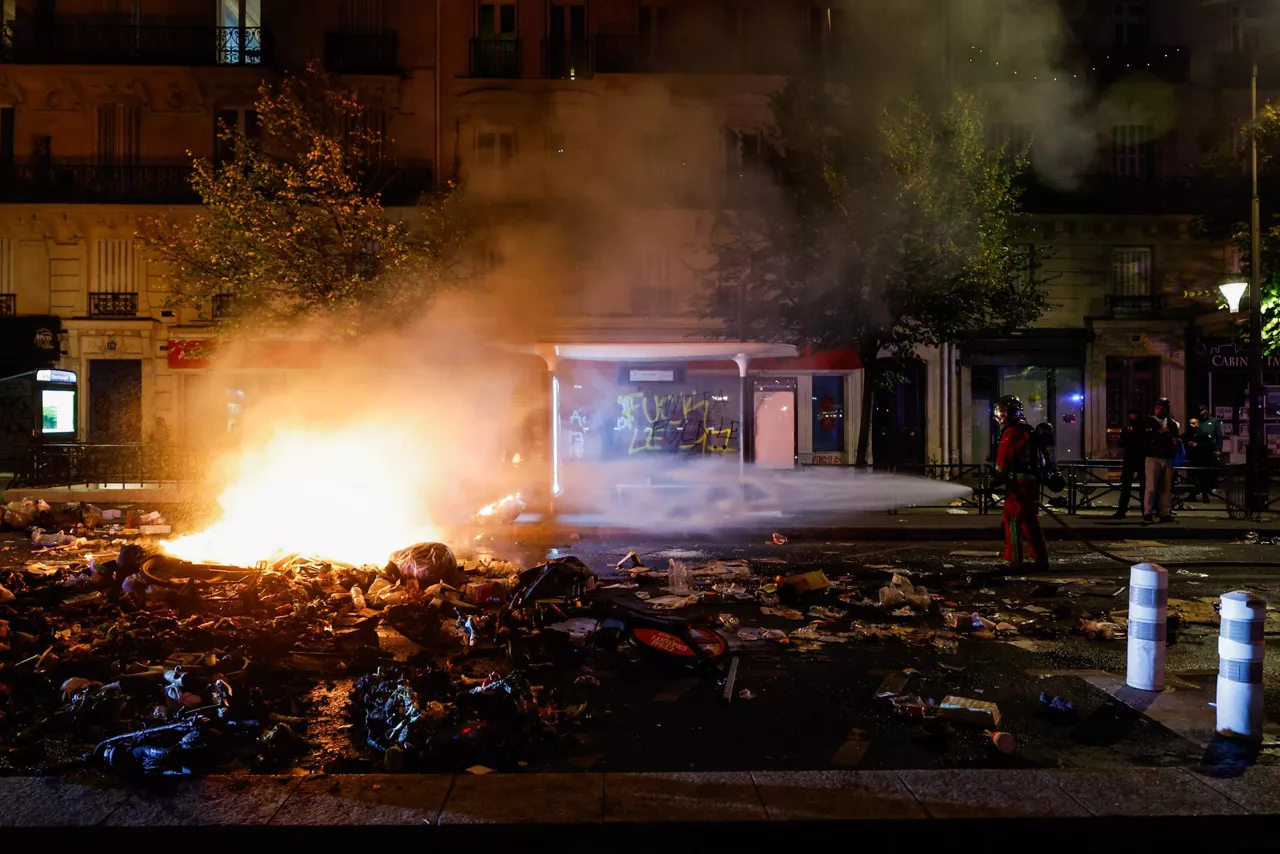
Partial curfews will be imposed in several French cities due to riots
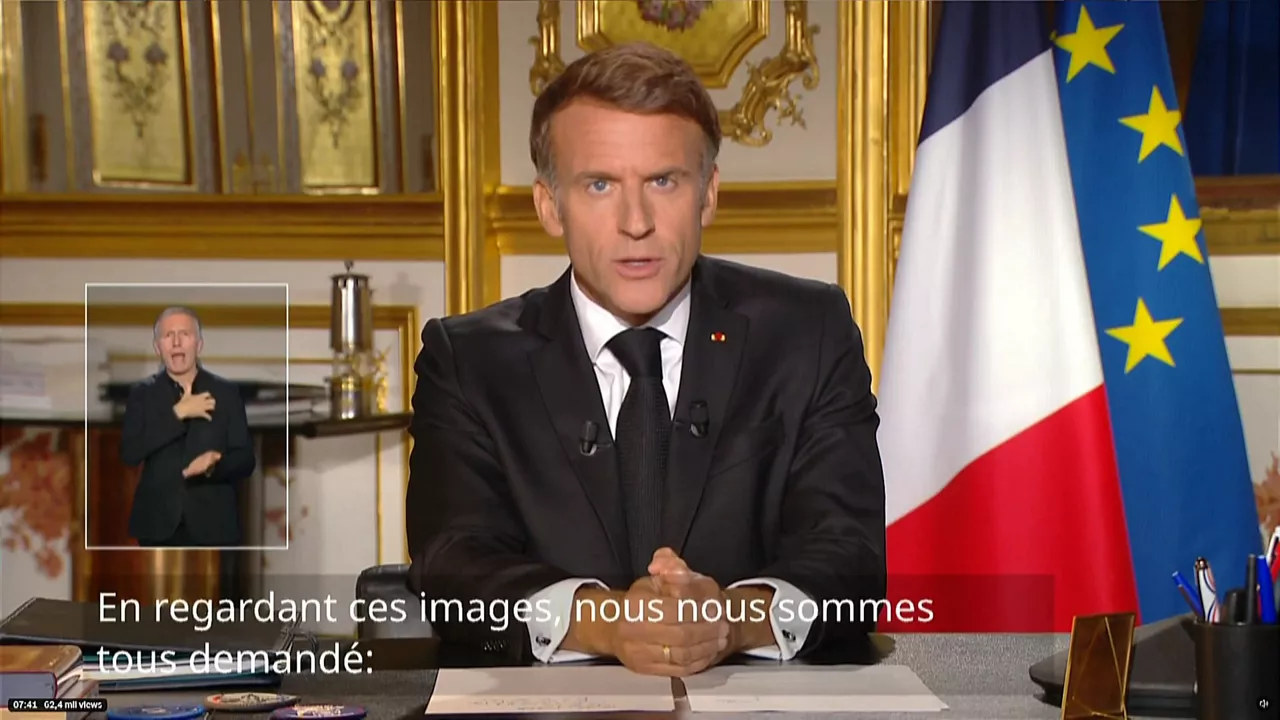
Macron holds the far left responsible for the violence and conveys his support to the police and traders
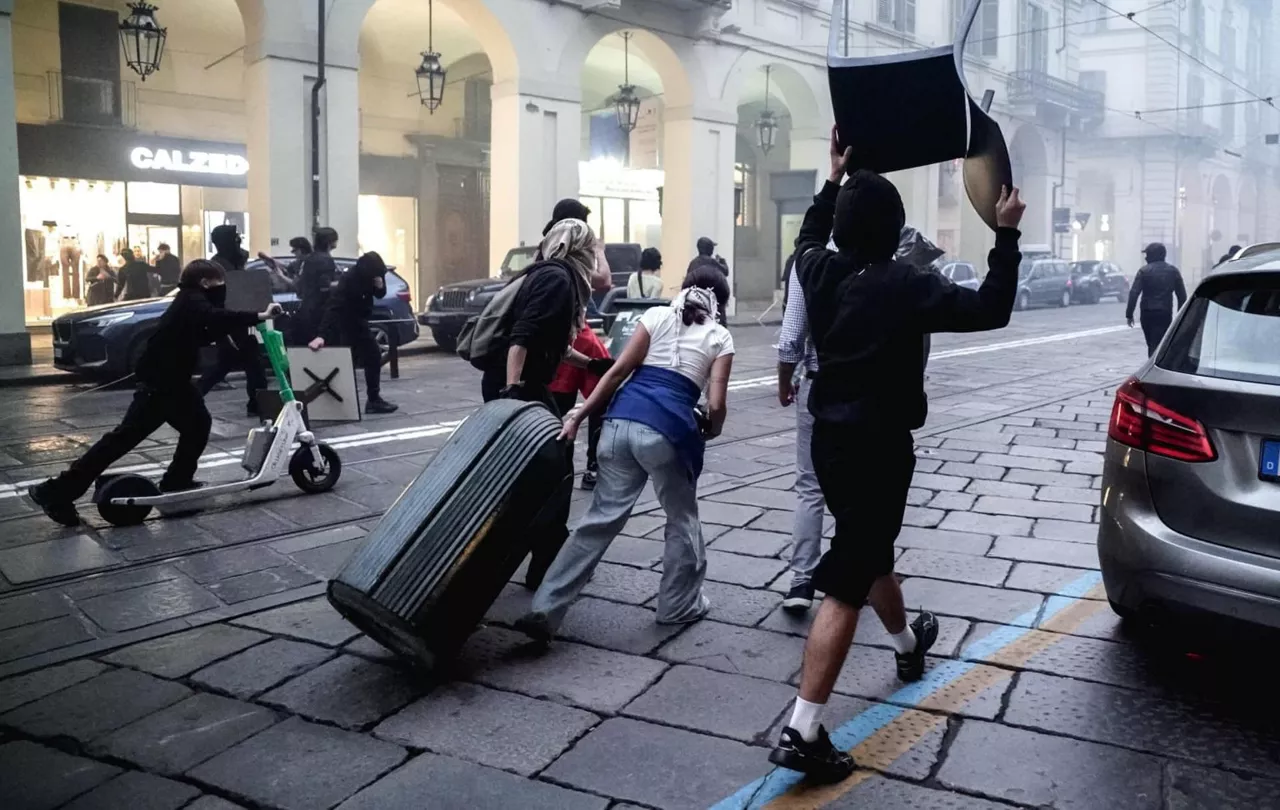
Violent protests in Italy and Albania against rising prices
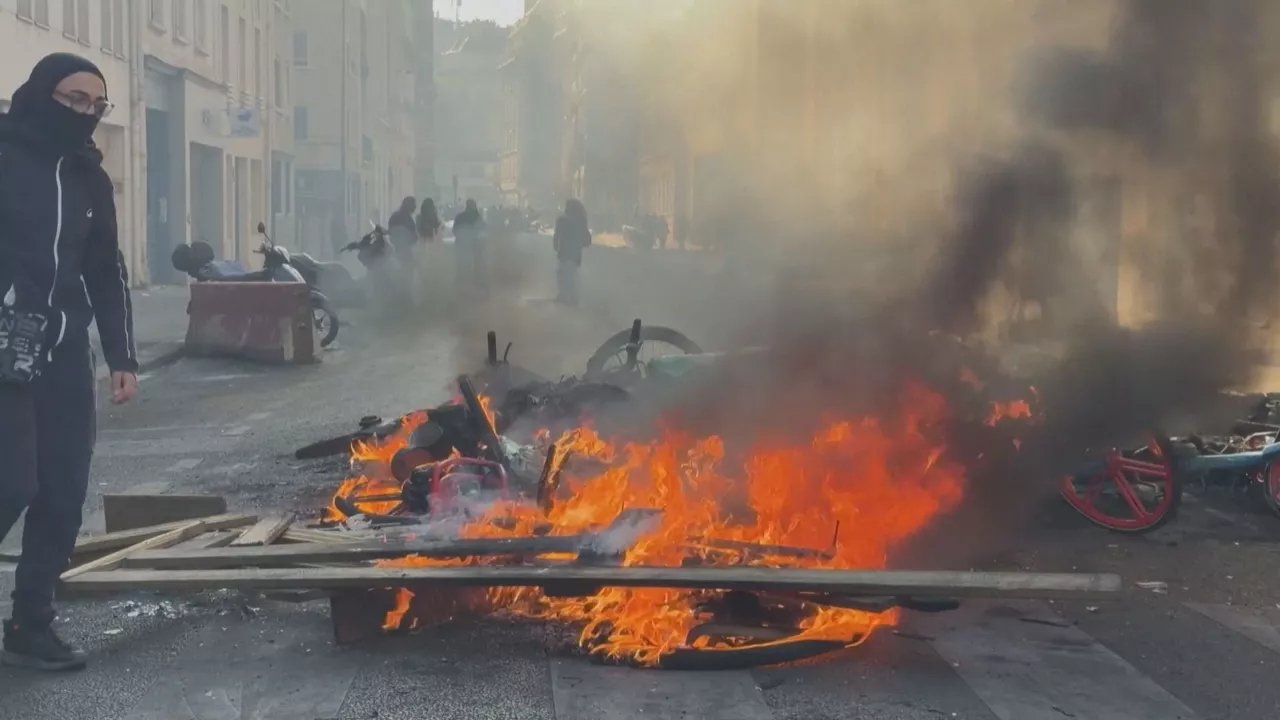
Riots erupt again in Paris the day after the protests
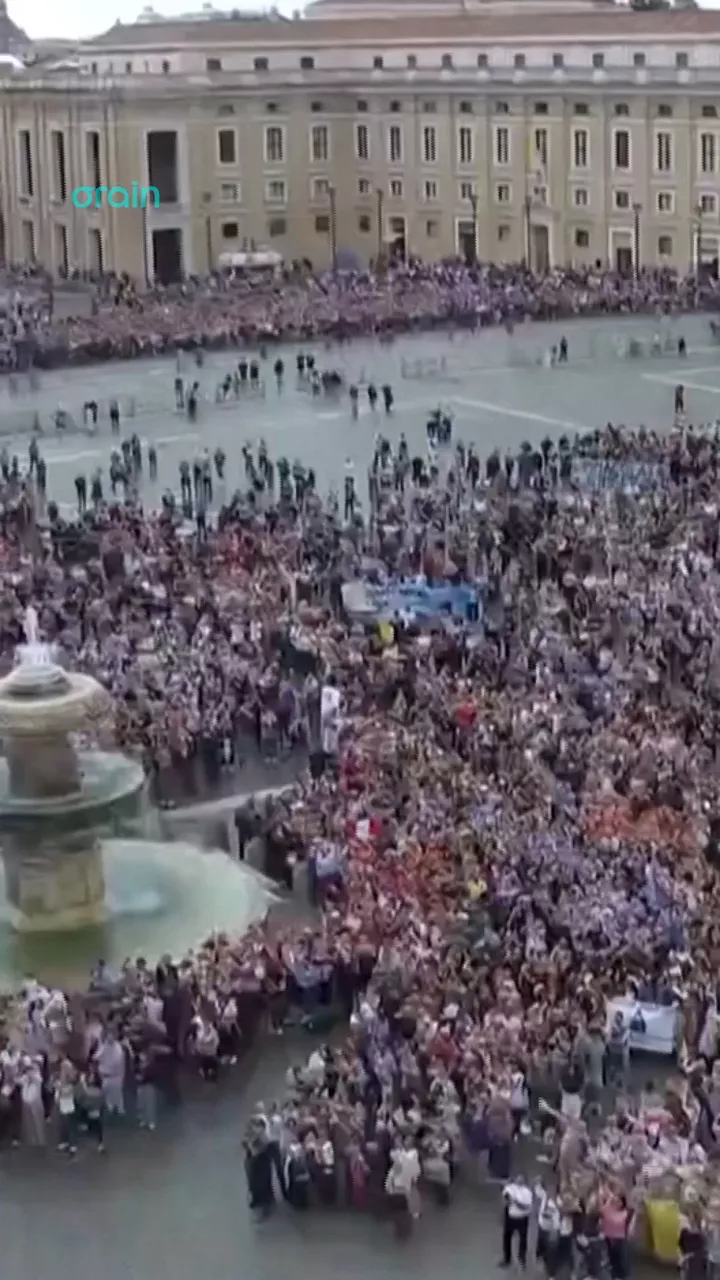
The Pope reappears in the Vatican to pray for the Angelus
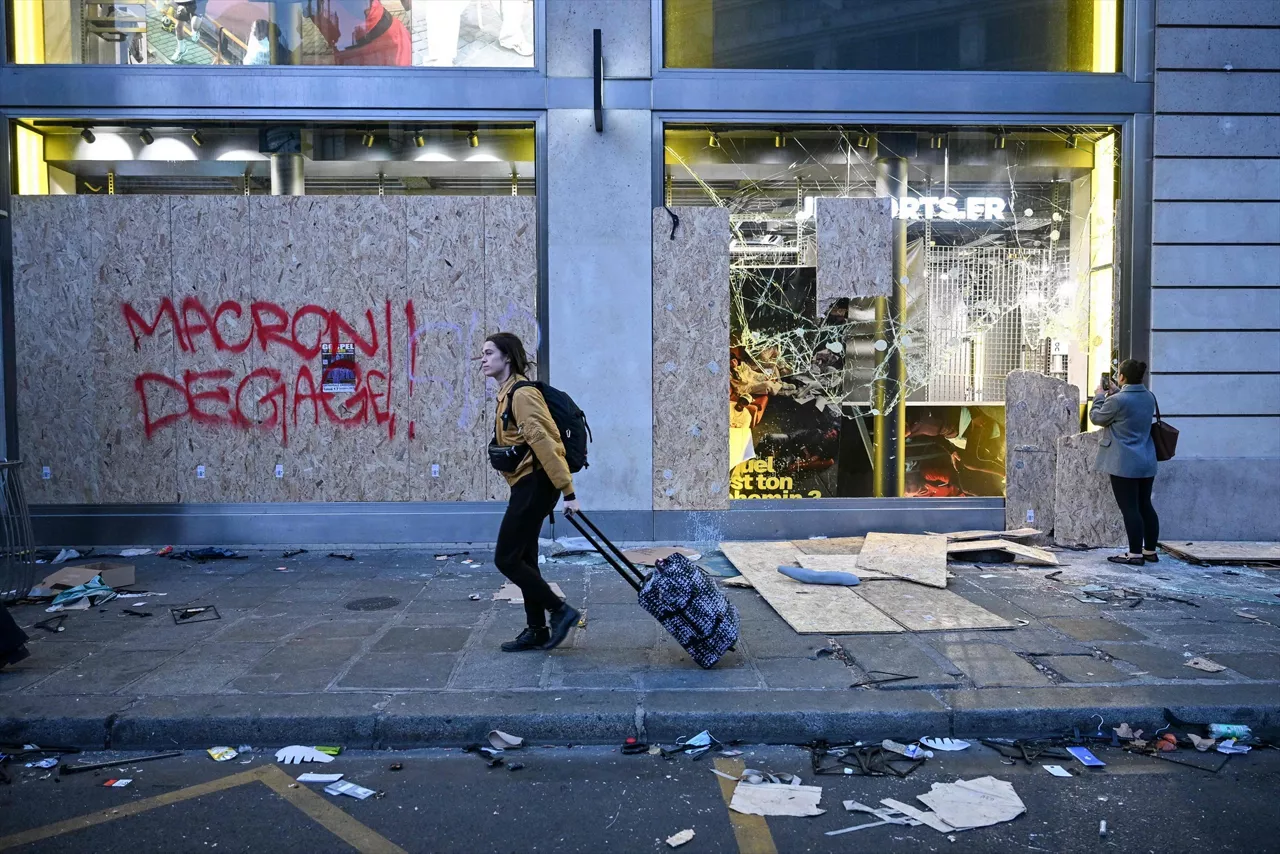
Consequences of the protests in France: one person has died, 1,200 have been arrested and there is destruction everywhere