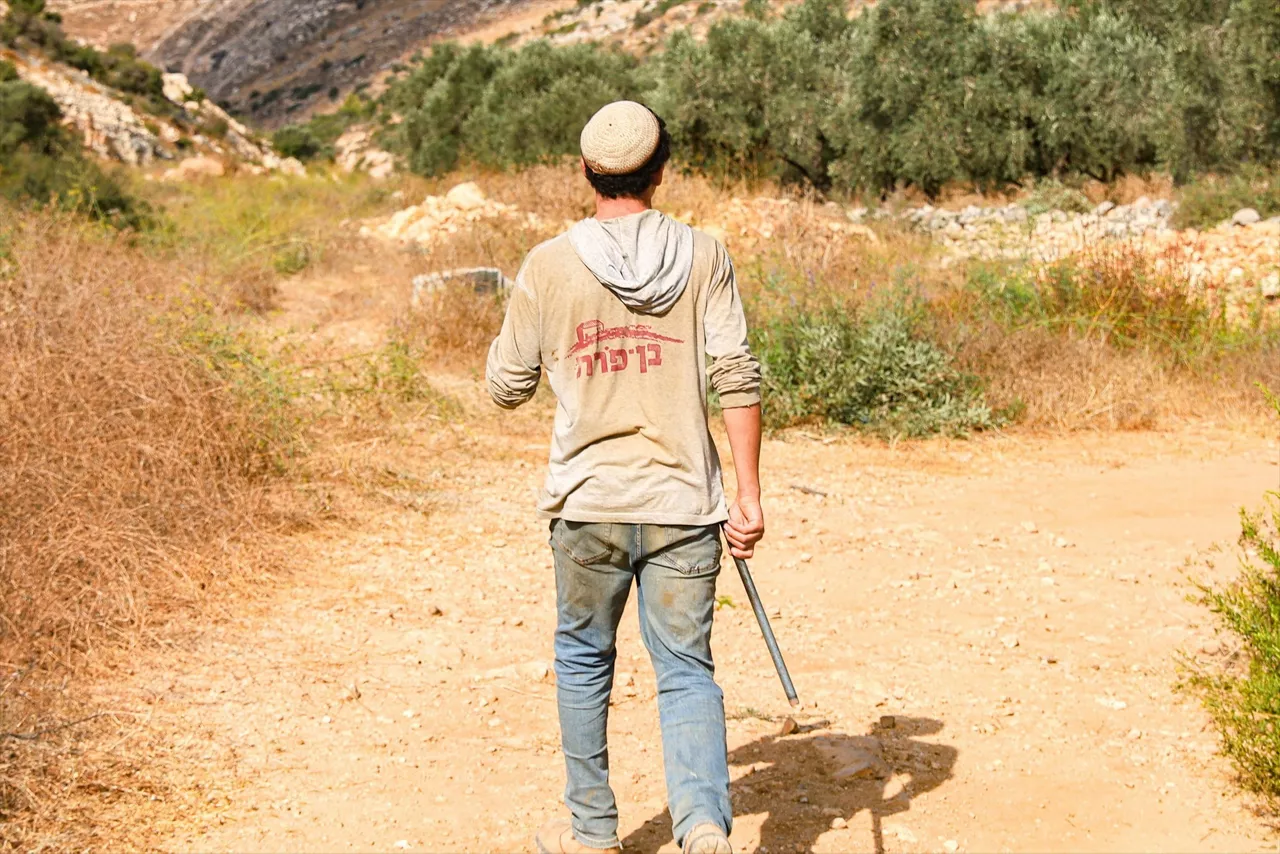
It's one month since 80,000 migrants entered Ceuta
In the last two days of July, some 80,000 migrants passed from Morocco to Ceuta, of whom there are still between 5,000 and 9,000.

Migrants at El Trampolín beach in Ceuta.

Today, a month ago, more than 80,000 migrants crossed the border from Morocco to Ceuta. The autonomous city has a population of about 85,000, so in just a few hours its population doubled, a situation that has caused tension and the daily life of the country is still far from normal.
On that bright morning of 30 July, this autonomous city in North Africa experienced one of the worst migration crises in its history, with 80,000 migrants crossing Morocco walking or swimming along the Tarajal Pier.
How many people died on July 30th and 31st in Ceuta?
About a hundred people were killed in an attempt to cross the border, most of them drowned or crushed among the crowd. They were able to recover the bodies of 83 dead, but only a few (about a dozen) were able to be identified by DNA tests or fingerprints.
Return of migrants
The Spanish Government intends to return to Morocco migrants who entered Ceuta illegally on 30 and 31 July and are still in the city — 9,000 according to the Government of Ceuta and 5,000 according to data provided by the Ministry of the Interior — "in compliance with the law".
The will of the Spanish Government is to restore normality in Ceuta "as soon as possible", as explained this week by the Minister of Territorial Policy of Spain and head of the single command to manage the situation in Ceuta, Victor Torres, in an interview with RTVE.
However, he has warned that "overnight" all these migrants cannot be returned and "very few will be left with the right to international protection". With regard to migrant minors, he has stressed that the priority is family reunification and that in cases where it is not possible, action will be taken in accordance with the law.
What role has Morocco played in the Ceuta crisis?
In the last week of August, Ministers Margarita Robles (Defence), Fernando Grande-Marlaska (Ministry of the Interior), Félix Bolaños (Minister of the Presidency, Justice and Relations with the Courts) and José Manuel Albares (Foreign Affairs) appeared before theCongress of Deputies to report on the management of the migration crisis in Ceuta.
Robles , who was the first government member to appear before the Congress of Deputies to explain the crisis in Ceuta, said during the hearing that the Spanish Intelligence Centre (CNI) did "its proper job"and shared the analysis with the state security forces and the government delegation in Ceuta.
However, Minister Grande-Marlaskresponded to this outbreak by saying that there had been no "report" from the CNI to help predict the massive entry of migrants into the autonomous city on 30 July.
Bolañostold the Joint National Security Commission that there was no indication that Morocco had encouraged a massive influx of people into Ceuta and that the Spanish Government had no idea that they would enter Ceuta on 30 and 31 July.
Protests and demonstrations
You might like
Yellow vests called for demonstrations on Saturday, and Macron accuses Trump of manipulating revolts
Von der Leyen blames several states and other actors for the migration crisis in Ceuta

Milei calls Sanchez a "dictator" and accuses him of promoting an "invasion" in Ceuta
Partial curfews will be imposed in several French cities due to riots

Macron holds the far left responsible for the violence and conveys his support to the police and traders
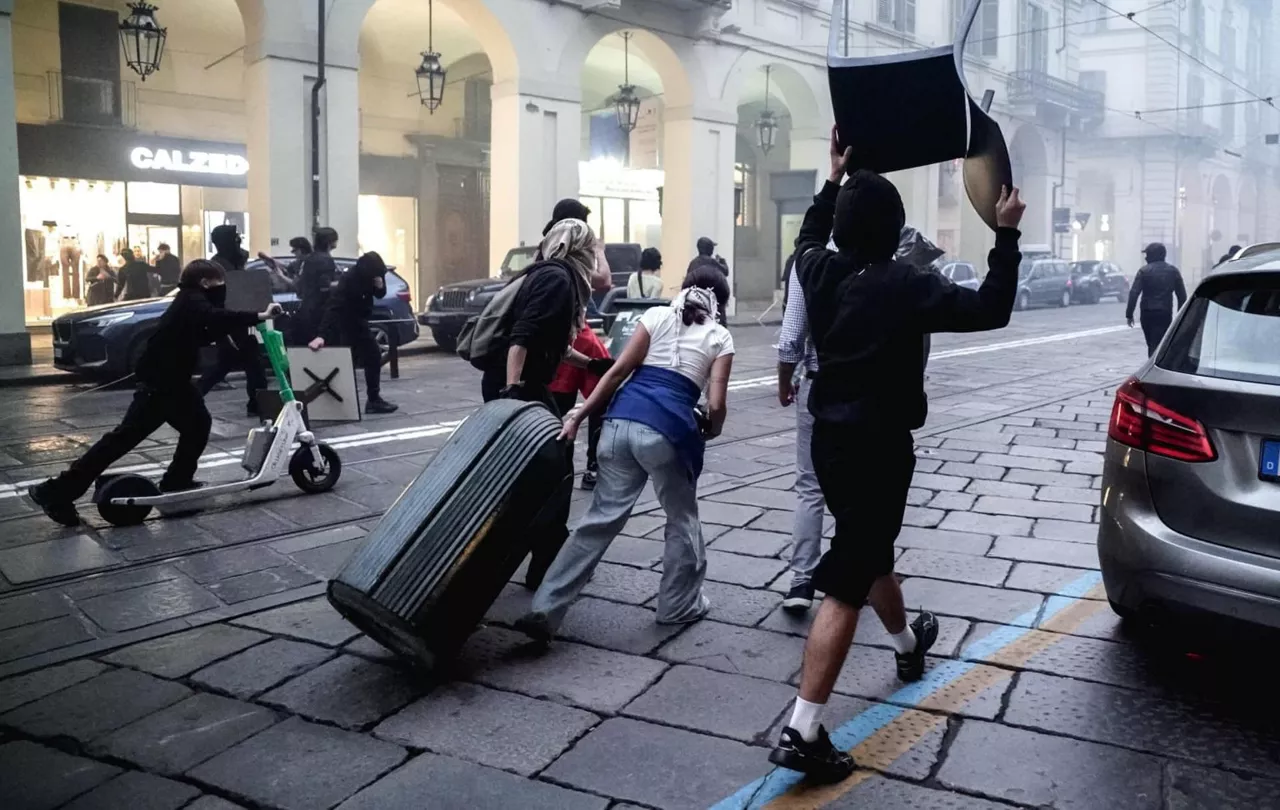
Violent protests in Italy and Albania against rising prices
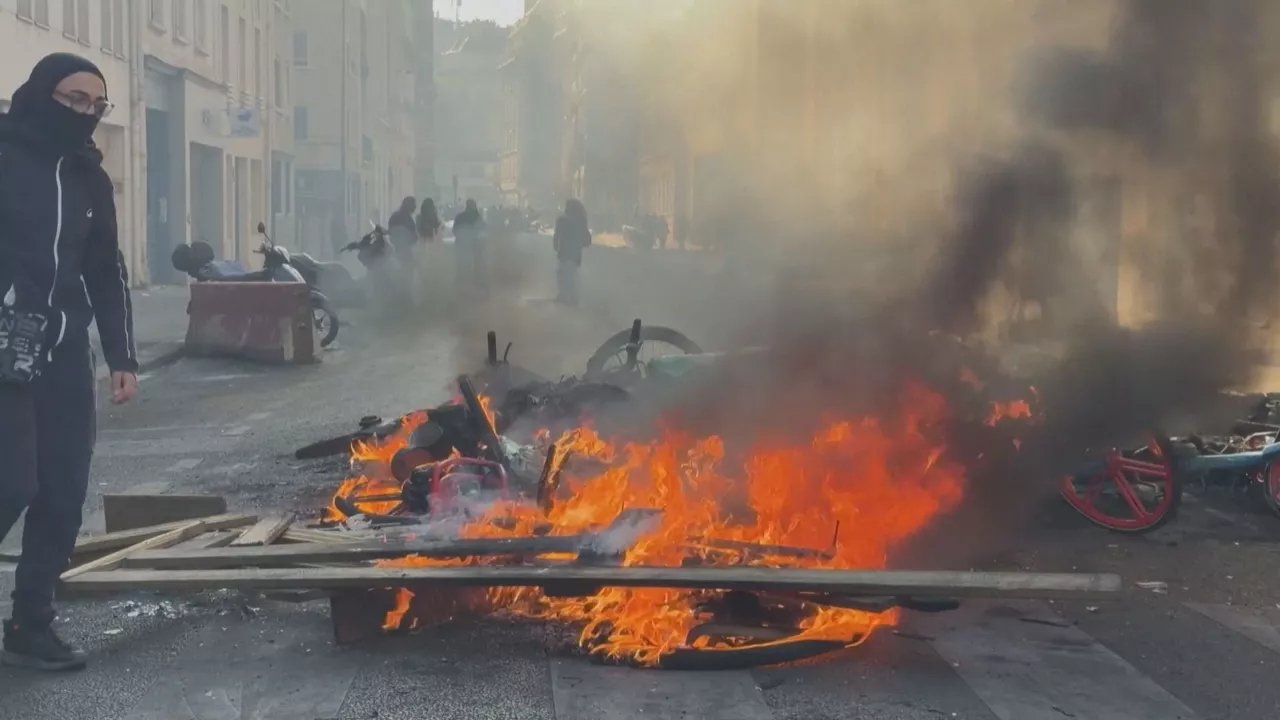
Riots erupt again in Paris the day after the protests
The Pope reappears in the Vatican to pray for the Angelus
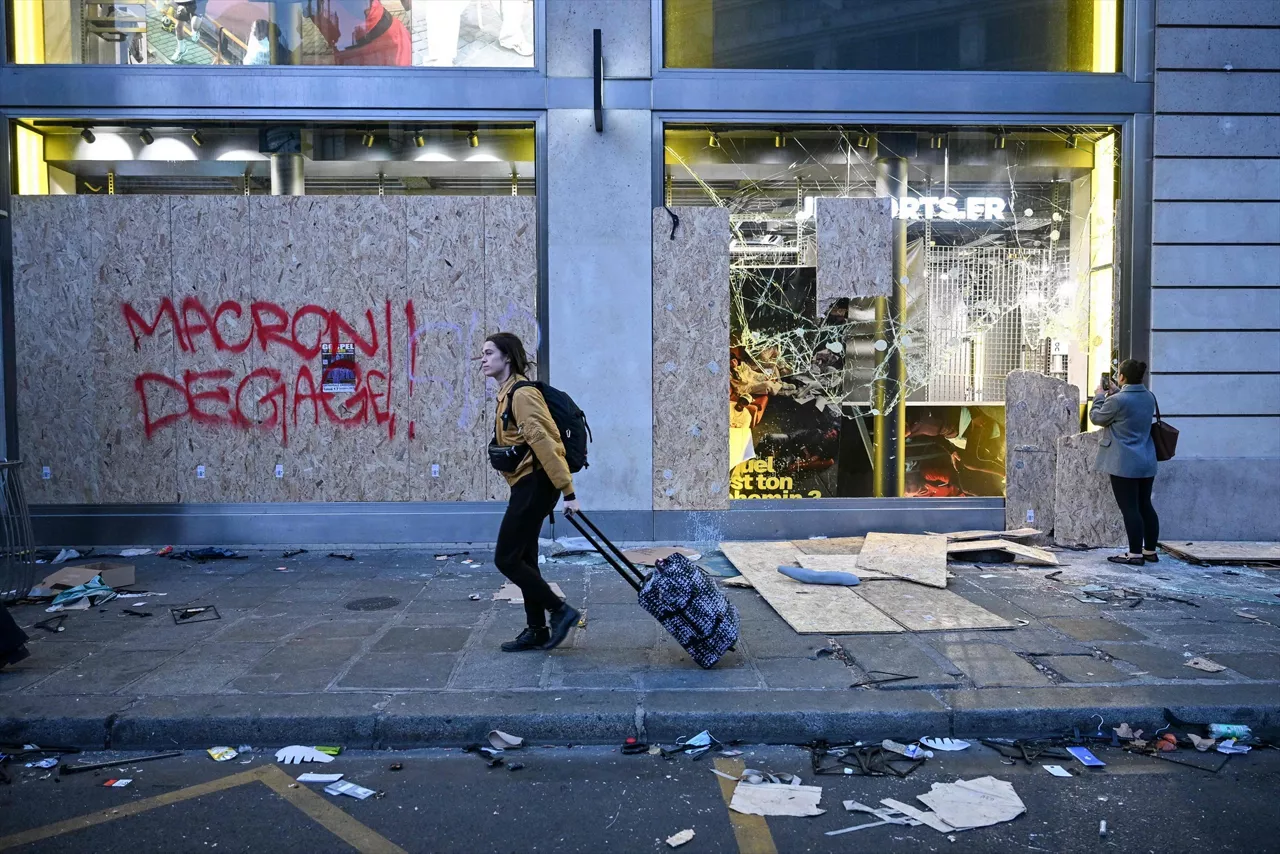
Consequences of the protests in France: one person has died, 1,200 have been arrested and there is destruction everywhere