
The center-left opposition has won a narrow victory in Sweden, but the result is still uncertain
It has only three seats ahead, 176 against 173, and the final result is expected by Friday, counting the votes from abroad. The far-right has lost strength and lagged behind the Conservative Party.


The center-left opposition has won a narrow victory in Sweden's legislative election on Sunday, and the result will not be certain until the last ballots and foreign votes are counted, with the far-right losing second force position and lagging behind the conservatives.
With more than 98% of constituencies counted, the opposition would gain 49.5% , while Conservative Prime Minister Ulf Kristersson's governing bloc would gain 49.1%, with three seats (176 and 173 respectively).
The foreign vote has historically had little impact on the election result, with the sole exception that in 1979, the left led by the Social Democrat Olof Palme lost the election on foreign ballots after winning by only 8,500 votes on election night.
The Social Democratic Party, the most voted force in the last 100 years, will win the election with 28.1% support, two points less than it had, and the worst figures since 1928. Faced with this, the rise of the other three opposition parties has been remarkable: the Socialist Left Party has been the fourth force in the election, with 8.2% support; and the Centre Party and the Environment Party have risen.
The Conservative Party would rise by less than one point, to 19.9%, but would be the most voted on force in the government bloc, ahead of the far-right Swedish Democrats (SD).
Prudence Amongst Political Leaders
The leaders of the main parties have been cautious and have called for the count to be completed.
"My message is clear, the Social Democrats are always going to be willing to take responsibility for the outcome, it looks like it's going to be very tight, but now we're on our heads and if we go on like this, Sweden will have a new government du , "said party leader Magdalena Andersson.
Andersson has reaffirmed in his campaign his willingness to cooperate with all parties except the SD and has expressed doubts that the Left Party could be included in a governing coalition, but as external support.
The Left Party insisted on election night that they ask to join the government to support Andersson. The centrists, for their part, do not want to form a coalition with this force, and have called for breaking up blocs and negotiating with the Christian Democrats.
"Constructive Open Attitude"
Kristersson, for his part, has said that the outcome can lead to "difficult" negotiations and has spoken of an "open constructive attitude."
"In this non-socialist parliamentary majority, Iwill examine whether there is a possibility of finding any form of government that has the support to boost the economic policy that the Swedish electorate votes for , "he added.
His words are a nod to the Centre Party. They left the right-wing bloc refusing to compromise with the centrist SD.
"It is clear that we have gone backwards from four years ago, but I still think we have won because there are many more people in our country who think it's not a problem to say it's from the Swedish Democrats," said far-right leader Jimmie Ækesson.
The rest of the political forces isolated the SD for a decade, allowing two center-left minority governments. But Kristersson broke the "health barrier" five years ago to accept this party as an external contributor to his government and pledged to join a possible right-wing executive for the first time a few months ago.
You might like
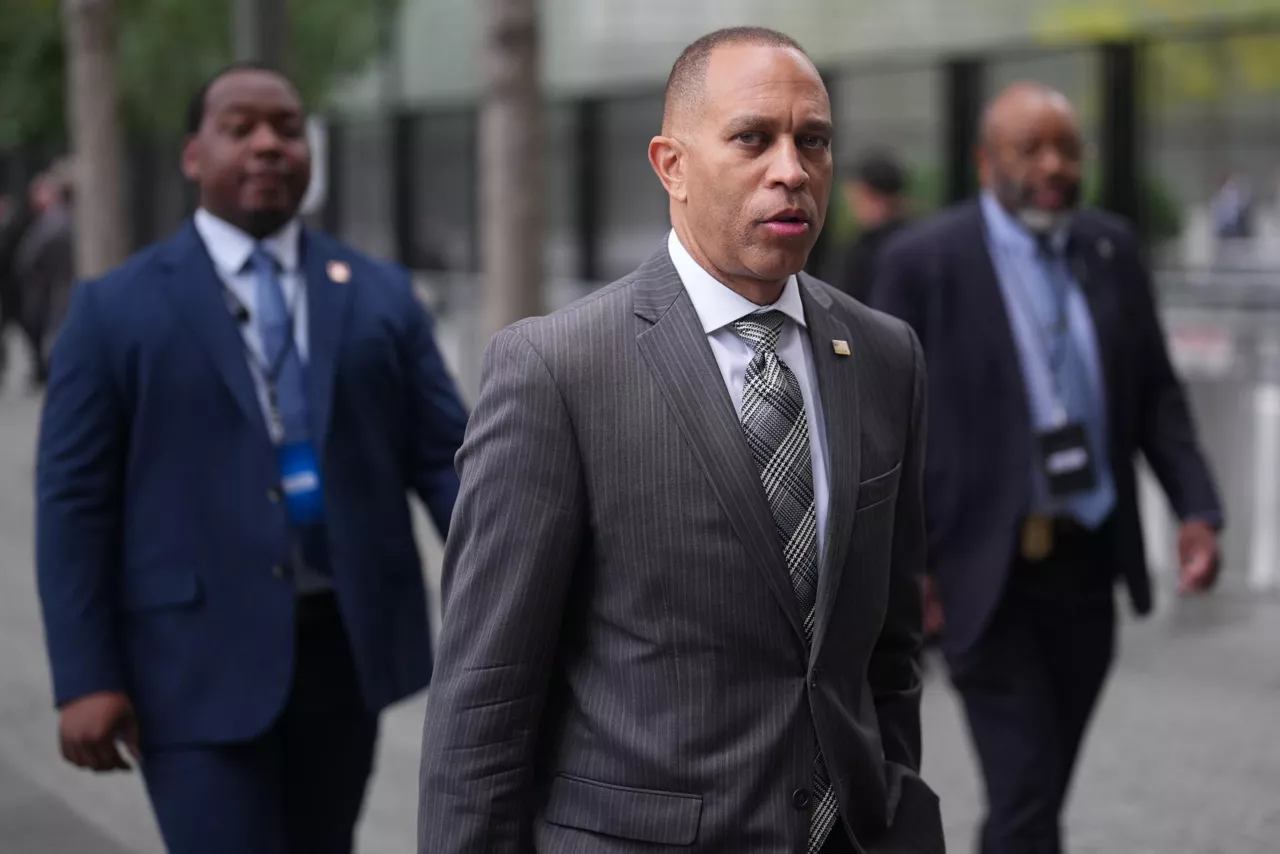
U.S. Congressional Democrats Want to Slow AI Development After Sector Leaders "Alarm, Trump Says" It Won't Happen "
Democrats in the lower house will meet on Tuesday, where "an important priority will be action on artificial intelligence," they have advanced.
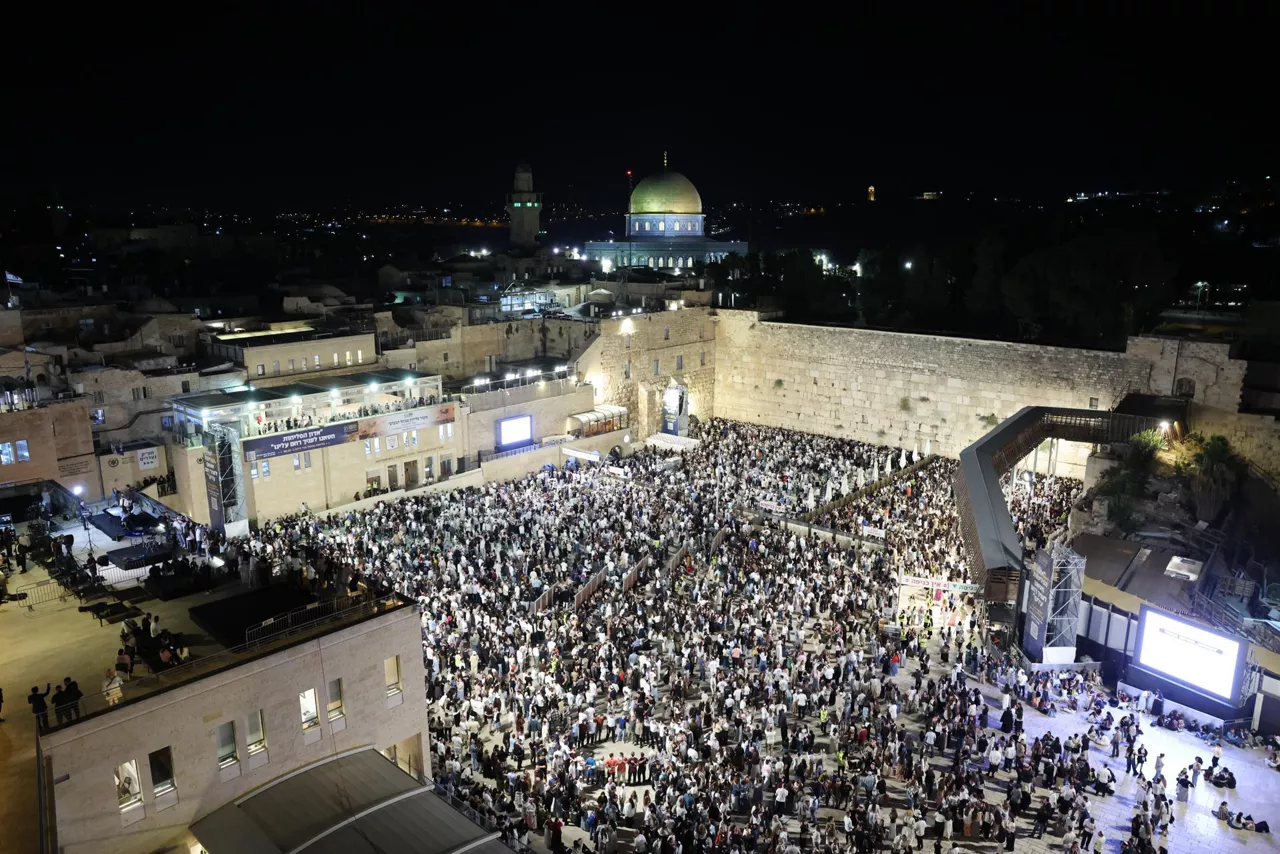
Nearly 500 Israeli settlers have entered the Al Aqsa mosque during the Jewish New Year celebrations
According to the status quo, which has been in force since 1967 (when Israel occupied eastern Jerusalem), this camp is only for Muslim worship, and Jews can only enter as visitors.
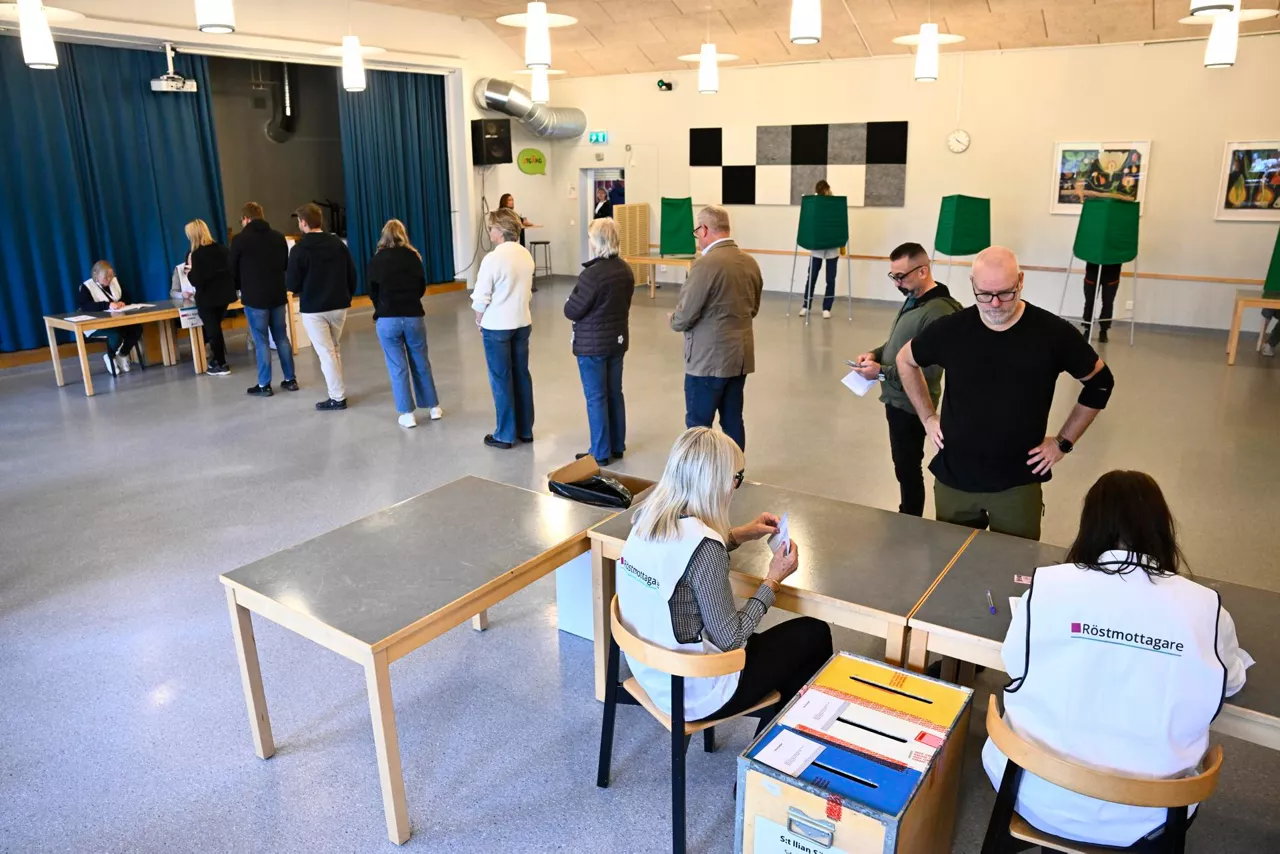
The Swedes will decide today between the centre-left opposition or the current right-wing government
The centre-left is a favorite in the polls with a slight difference, and if the right wins in the end, the far-right can enter the government.
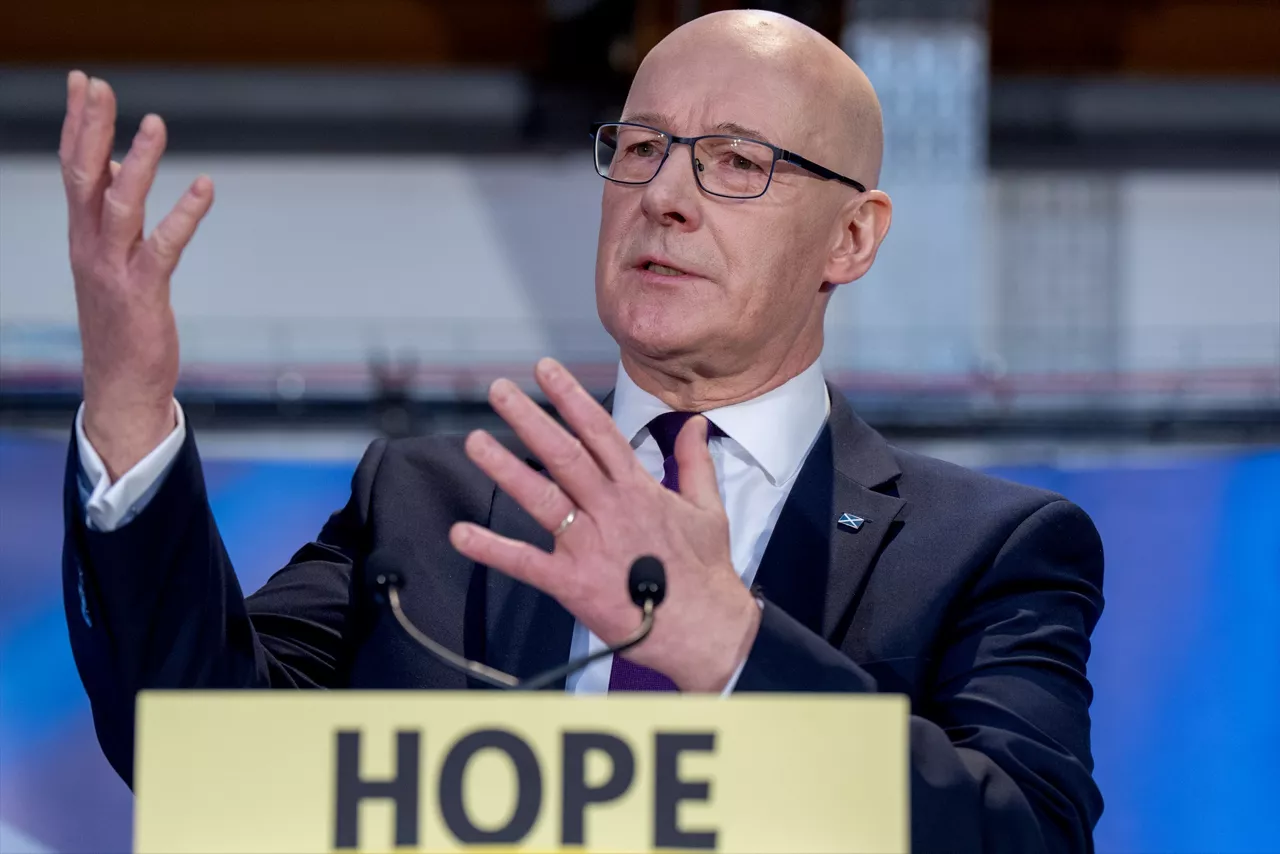
Leaders from Scotland, Wales and Northern Ireland will sign a memorandum for independence
The announcement comes a day after Trump said Ireland's reunification is imminent; his statements have been widely criticized in the UK.
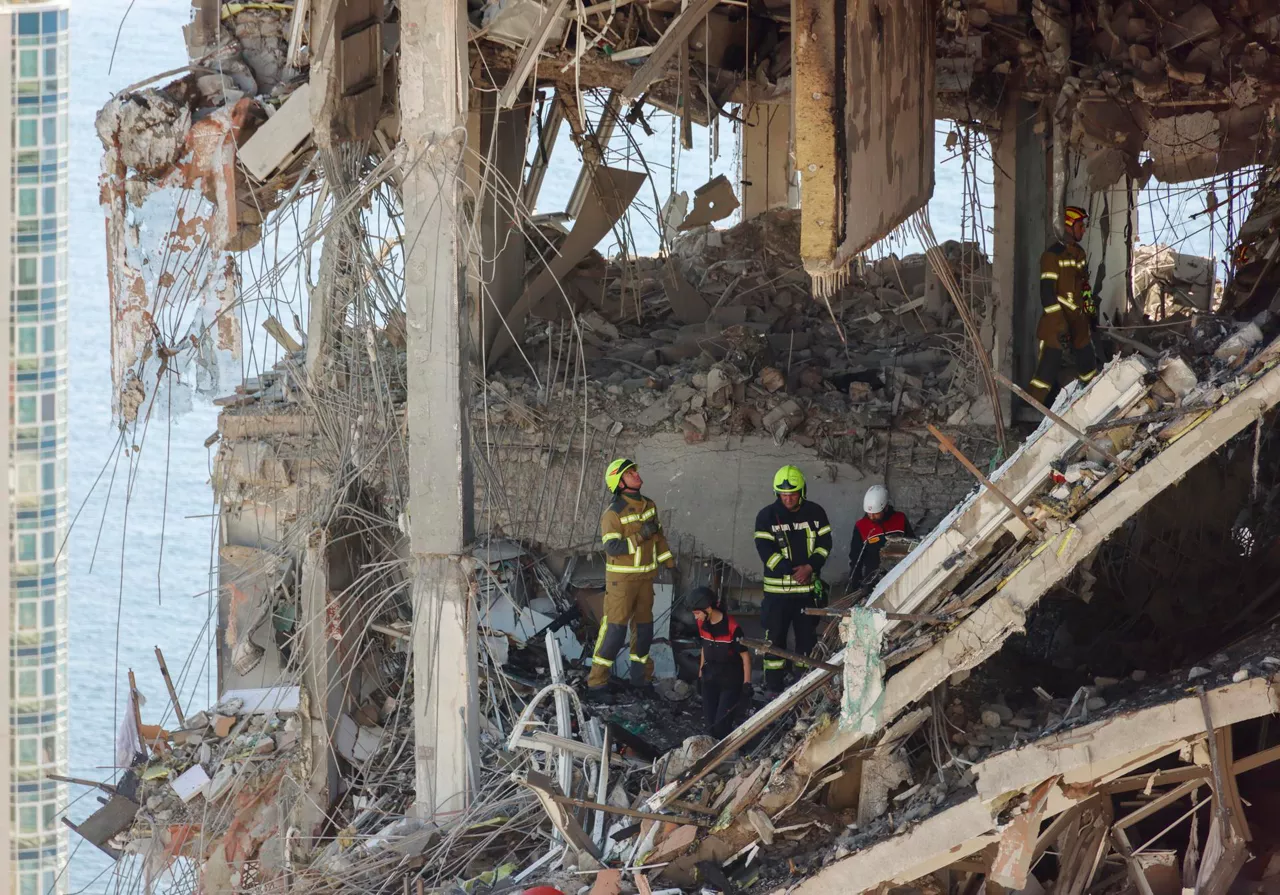
Russia attacks Ukraine with drones one more night
Kiev has claimed that it has been able to defuse most of the drones, which Moscow has claimed responsibility for, and has clarified that it has targeted Ukraine's "logistics centers" and "energy facilities." At least five people have been injured.
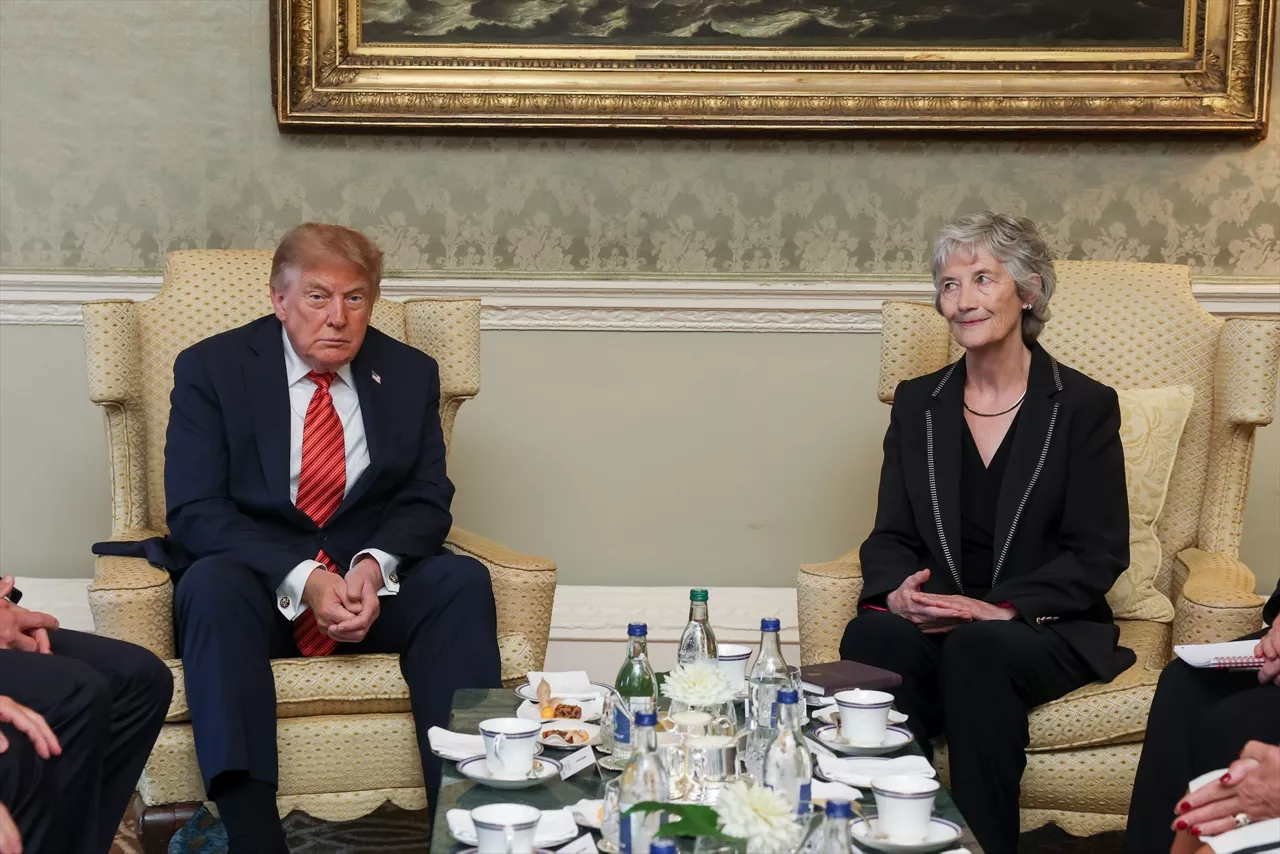
Trump said he would "love" to unite Ireland: "Sooner or later it will happen."
The President of the United States, who is in Ireland these days, has made these controversial statements, and the reactions have come in full swing.
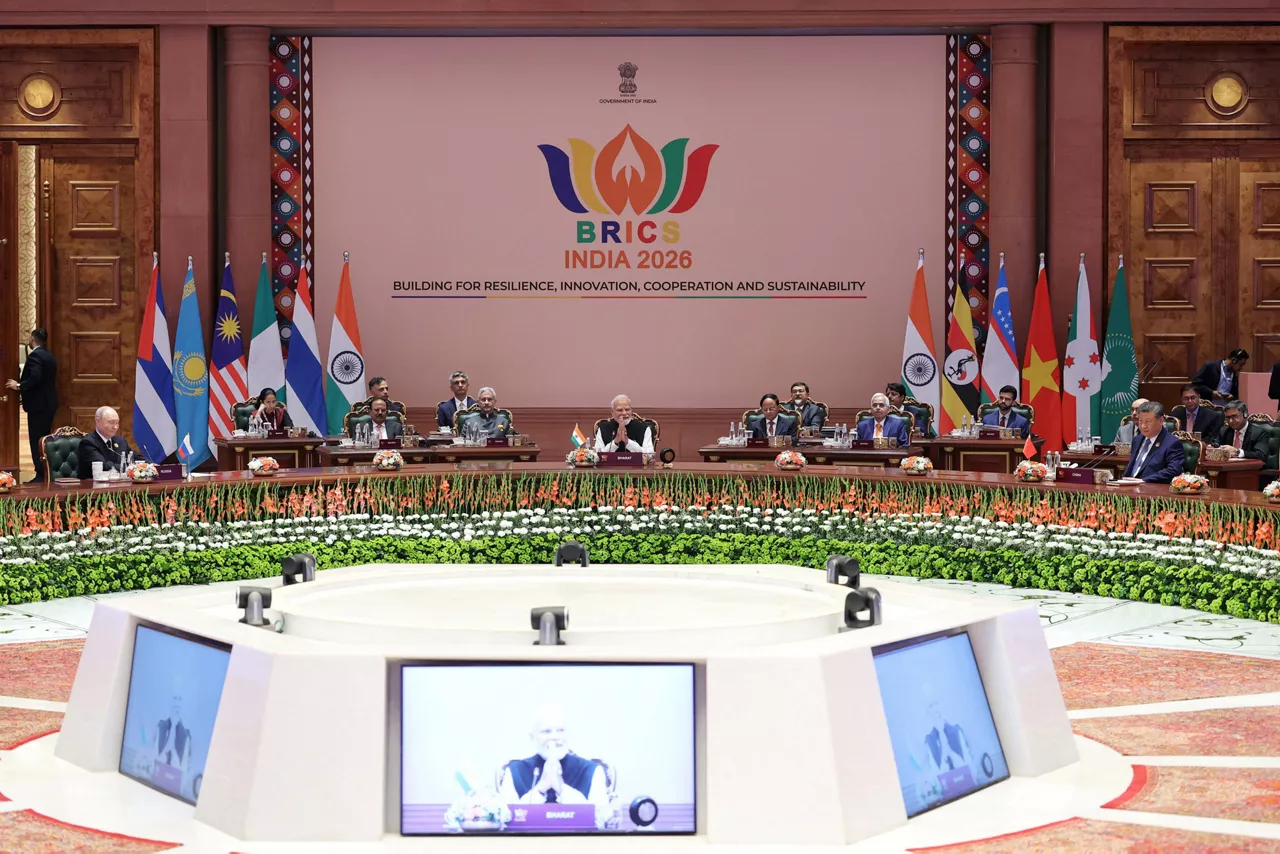
BRICS countries have decided to moderate the Middle East and reject unilateral sanctions
Meeting in India, these countries have agreed on a comprehensive 140-point statement, including a commitment to work together to "protect the flow of trade and energy."

Saudi Arabia closes its East-West pipeline after several attacks
This infrastructure is the main supply route for global markets in the current context of tension in the Strait of Hormuz, which can transport up to seven million barrels of crude oil a day.

Ramón Aizarna lived 300 meters away from the 9/11 attacks: "The impact of everything seen will be for life"
The Guipuzcoan Ramón Aizarna, a Basque based in the United States, followed the attacks on the Twin Towers of 11 I-11 from a loft overlooking the World Trade Center. He told live for ETB what was happening at the time. Twenty-five years later, we spoke to him again, from his testimony, to remember that tragic day that changed history.