
Koldo Almandoz: "I hate nice, moving characters and people."


Nerea Garcia, the investigator we met in the Hondar Ahoak series (Koldo Almandoz, 2020), is not at her best. She has lived entrenched in her house since she was fired from the Ertzaintza, wrapped up in an ironic distance from the area, but the former boss will turn to her because a serial killer is killing several women in ritual attacks in Bilbao.
The sand mouthsfrom Ondarroa to the shores of Bilbao, to the geographical edge of the Ria and to the social peripheries of the city, has been followed by director Koldo Almandoz (Donostia, 1973), who has accelerated the pace and multiplied the clues for the viewer in Zeru ahoakcompared to the precedent.
All these clues will, of course, serve to place the viewer in the research that will lead Garcia (masterfully embodied by the actor Nagore Aranburu, who this year appears in the four works of the Official Section) to the sewers of power, as a grip to guide the public in the tense narrative thread of the research, since this work of Basque noir provides everything that can be demanded of the genre to the fullness: dark aesthetics, tension, suspicions that sound rotten, the end of chapters that leave you with a desire for more.

We talked to Koldo Almandoz about the series that helps, feeds, strengthens and honors the creation of the Basque imaginary. In the Official Section you will see the work with the participation of ETB, out of competition, and starting next week on ETB1 and BIKAIN.
Itcomes after the sandmouths The mouths of heaven. How has this conditioned the process?
AfterI finished the Sand Mouths , I somehow outlinedtheargument of what Sky Mouths has been . At first, I thought it would be an opportunity to do it quite continuously, but it didn't happen.
I'd say they have the same spirit, but this time the tone and rhythm have accelerated. I didn't want to repeat the model. I had to risk it. I wanted it to be a new challenge and a step forward, especially in the plot and in the construction of the characters.
I'd say the sand mouths are naifago and The sky mouthsare more complex.

At one point, one of the characters confronts bestsellerswith reality. What has been your relationship, in this genre work, with credibility, likelihood, realism, reality and fiction?
The character Nerea Garcia insists on one side and the other, "That only happens in the series," or "That report looks like bestseller. "
I like the fact that the character suddenly becomes aware of his fictional character, which is like breaking the fourth wall and, contrary to what it seems, makes him a more realistic character because it makes him equal to the viewer.
I like the black genre. Nowadays, in movies and series, there's always a clear cause, a morally indisputable proclamation, or a topic on the agenda.
The genre makes it possible to talk about social issues, but without the banner always in front of it.
The black genus allows pudding, along with discretion and self-criticism, a behavior that is about to disappear.

In an earlier interview, you said that thewill and illusion of those of you who participated in Hondar Ahoak had covered material and temporal deficiencies. Have these conditions changed for this second?
The sand mouth was an unrepeatable miracle. The team was generous, but I want to make it clear that we all paid above the convention. It wasn't amateur work.
We've been a part of ETB since the beginning, but we've been very fair and there are things that could have been done better if we had had more support from those who should have promoted fiction in Basque.
Sometimes it seems to me that the fascination with platform logos confuses the goals and strategies of our leaders. What we did four weeks ago, we did five weeks ago. Better? Yes. Enough? No. That's why I'm proud of the work the team has done and very grateful for their loyalty to us.
This second story has given you the opportunity to develop the character of researcher Nerea Garcia. How has Nerea gone all these years?
Well, it's been five years. He was fired from the Ertzaintza. He lives on a flat in Bilbao.
He maintains his sarcastic and strict personality, but he has other dependencies and weaknesses. We've respected the five years that have really passed, and I think the characters and the story are favored by the eyes and wrinkles.

How do you relate to your characters? In the case of Nerea, for example, the viewer is given information to make his behavior understandable, but it is not necessarily enjoyed, for example, to be loved by the public.
Nerea Garcia has a lot of me, and I think Nagore Aranburu has given her a lot.
He's not too sympathetic, he's grumpy, he's shy, he's ruthless to himself, he's ruthless to others. He's not happy and he's sick.
One of my mantras is that loving characters doesn't mean that we have to forgive them everything. I really hate nice, moving characters. And people. People who invest their whole lives to please everyone on their funeral day to fill the church with people.
Within the skeleton established by the conventions of the genus, a more personal and profound substance appears in the series, full of symbols, symbols, and gestures. How do these two worlds sew together?
I think these gestures and references are extraordinary, because The Mouth of Heaven is addressed to the Basque public. I am so excited to spread the series around the world, but it is made for us, so it needs our references.
It is essential to have our own cosmology and self-referentiality, which makes The Mouth of Heaven a unique and distinctive work.
For example, the mattress, which looks like the phrase of Berri Txarrak (there is a mattress painted "Born. Work. Dead" next to a corpse), has another layer: it is a tribute to the work of the Duranguese artist Ismael Iglesias, who has spent years painting with pink spray the mattresses left in the streets of Bilbao and the surrounding area with his slogans and his thoughts.
And by the way they are also ours, because we have brought them to us, Genet, Passolini, or Spider Man, because we Basques live in the world and today, and not just in the Mythology, ha ha ha.

Sky Mouthhas been selected for the Official Section of the Festival. It's not your first time at the Festival, far from it.
For a small series like this, it's important to have a showcase like this. Normally, you don't get that kind of opportunity. It gives visibility to the work and to those of us who've done it.
The series will be seen on the big screen and in its entirety in San Sebastian, with the four episodes in a row, starting and ending.
I don't understand how we'd rather bore people in the halls than leave them wanting.
But in this case, look, it benefits us.

What other movie or series would you like to lose from Festival programming?
I'm very busy, and I've barely looked at programming, and I try to see new things from the Official Section, New Directors, Zabaltegi and special cycles.
To me, the Festival has long and almost every year made beautiful discoveries: those two fascinating cycles devoted to classical Italian comedy; the beautiful After Life by Kore Eda; the one I saw in 2001 with Lucrecia Martel and her La Ciénaga ...
Do you have any other projects on your hands?
Yeah, the one I'm busy with wasn't a lie.
It's going to be a contemporary movie, and it's going to talk about those little things that are really important in life, but without preaching, and in an entertaining tone.
*Zeru ahoak igandean, September 28, premieres on ETB1 and BIKAIN
You might like

Orlando Bloom, Marion Cotillard and Jeremy Irons attend the Film Festival
In addition to Wener Herzog and Naomi Watts, creditors of the Donostia Prize, Brad Pitt, Noemie Merlant, Martin McDonagh, Cristian Mungiu, Pawel Pawlikowski and Ira Sachs, the head of the official jury, among others, will arrive in San Sebastian.
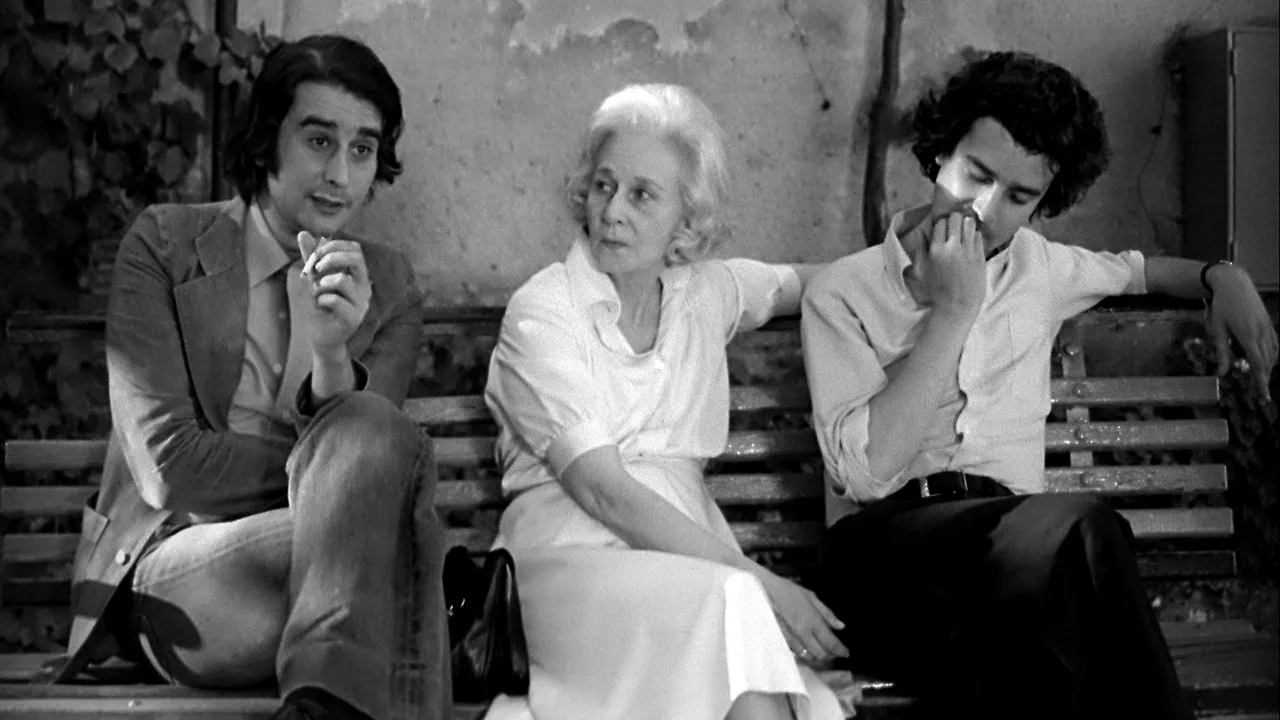
Classics The festival section will redeem El Desencanto and Ander and Yul
The festival will feature feature films by Milos Forman, Pere Portabella, Jacques Tati, Fernando Trueba, Agnes Varda and José Giovanni, and the festival will award the best music for the first time.
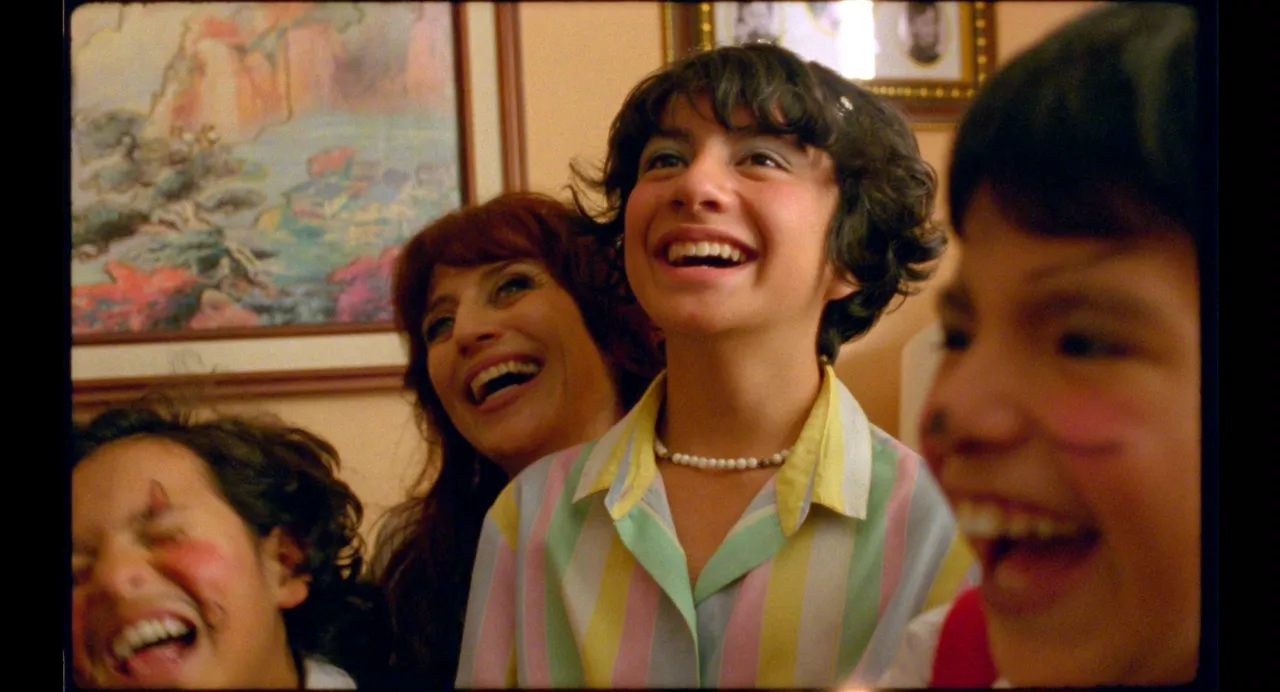
"Six Months in the Pink Blue Building" wins the Sebastiane Latino Award
The lesbian, gay, bisexual trans and intersex association of the Basque Country has awarded the award to the feature film of the Mexican screenwriter and director Brumo Santamaría Razo.

Naomi Watts receives the Donostia Film Festival Award
Watts joins German director, screenwriter, producer and actor Werner Herzog on the 74th edition Donostia Awards winning list.
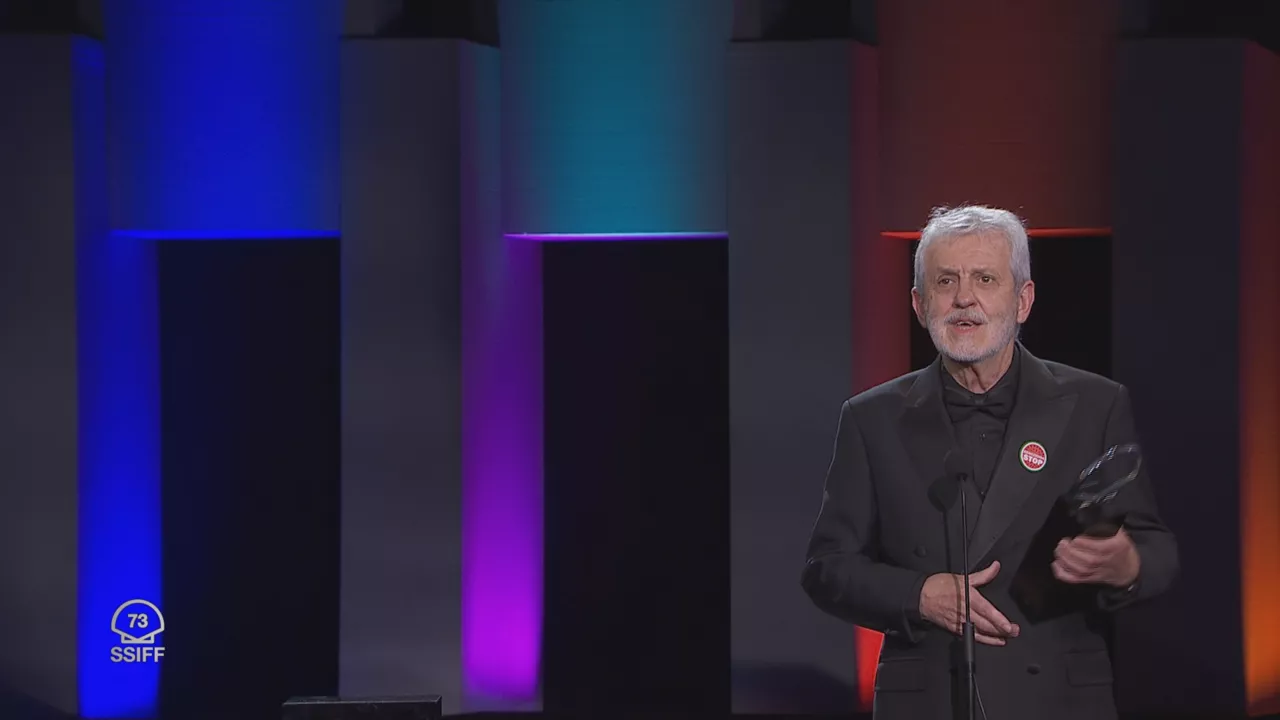
Actor Jose Ramon Soroiz will receive this year's Zinemira Award
The Festival and EPE-IBAIA will pay tribute to actor José Ramón Soroiz at the Grand Basque Film Gala to be held at the Victoria Eugenia Theatre on 22 September.
Outstanding Basque film films at the Film Festival
A total of 31 Basque productions will participate in the various sections of the 74 edition of the Festival, 19 of which will compete for the Irizar Prize for Basque Cinema.
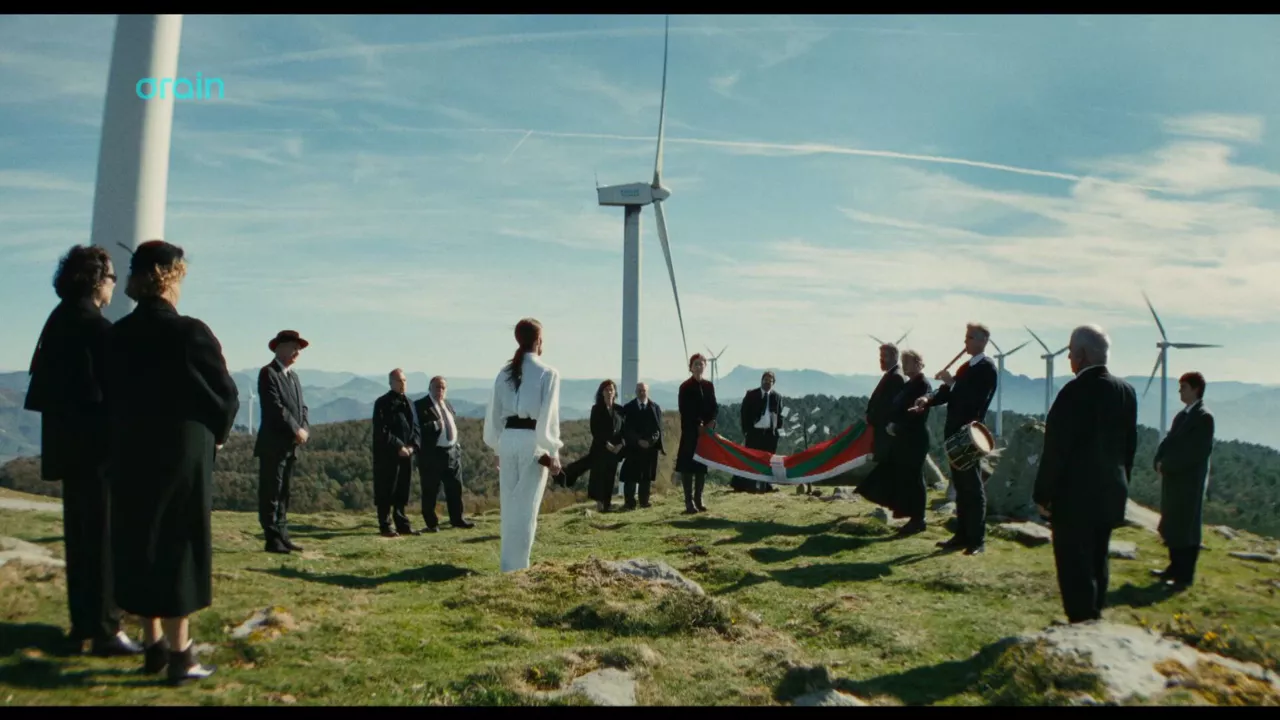
First images of 'The Last Farewell': We released the trailer for Koldo Almandoz's new film
The existentialist drama filmed in Basque focuses on life and death, combining irony, tenderness and humor. The protagonists are Iñigo Azpitarte and Izaro Nieto, owner of a civil funeral company and a young man who practices in it. 'The last farewell' will be presented in the Official Section of the Festival, within the Special Screenings, and is the third feature film by Koldo Almandoz, after Sipo Phantasma and Oreina.
The Basque Terror, beyond the Film Festival
This text has been automatically translated, it may contain errors or inaccuracies.
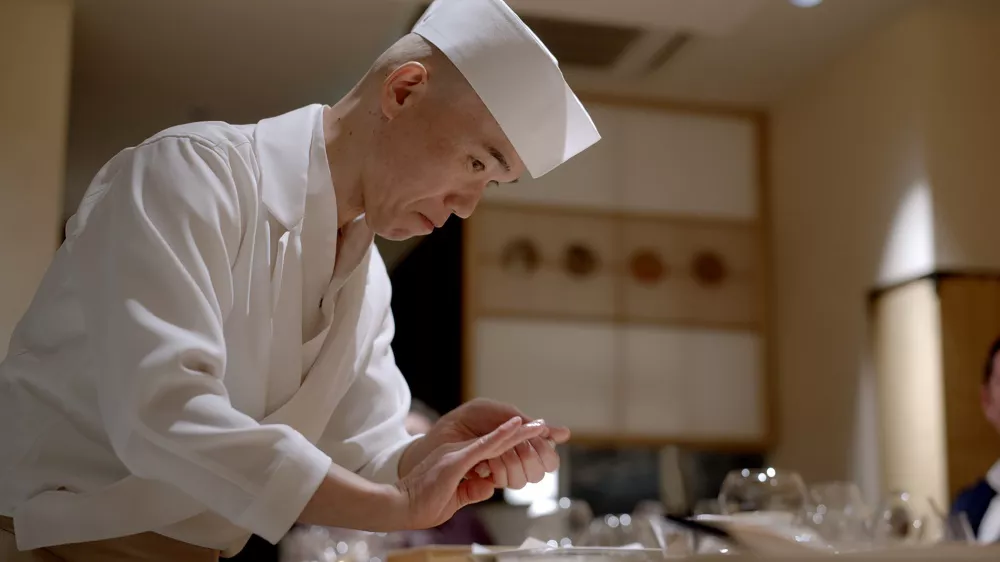
Culinary Cinema will feature four world premieres and travel to kitchens in Andalusia, Mallorca and Japan
Tickets for movies and dinners will be on sale this Friday, August 28, at 10 a.m., through the usual channels.
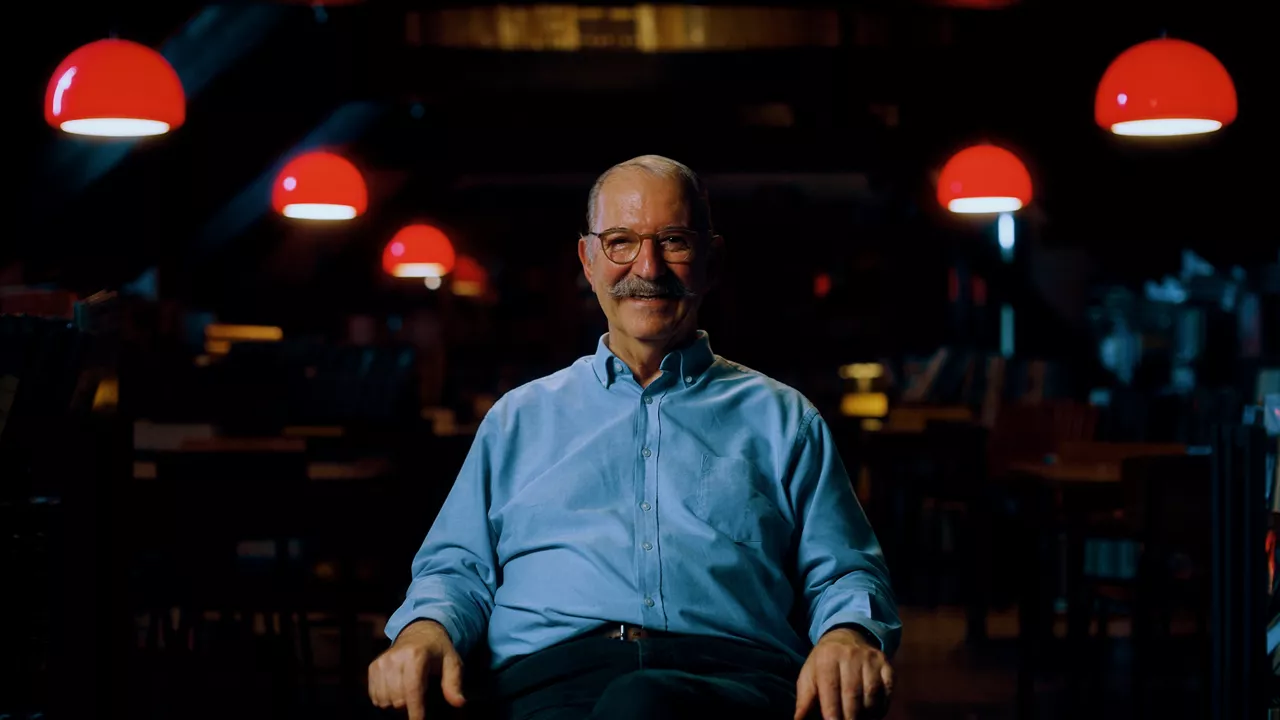
The Festival premieres "Subijana, beyond a mustache", a work that brings us closer to the life and fires of the culinary master
The new non-fiction work by Jorge Fernández Mayoral and Jesús Javier Ruiz Aquerreta will be presented at the San Sebastián Film Festival, within the Culinary Zinema section. Under the title Subijana, beyond a mustache, the film offers an intimate and personal account of the Guipuzcoano cook Pedro Subijana, a key figure in the great transformation and modernization of our gastronomy and a portrait of one of the main drivers of the New Basque Cuisine.