
Felipe González acknowledges that he still doubts that not ordering the murder of ETA leaders was a good decision
On the other hand, former Spanish Prime Minister José María Aznar has said that his Government made no mistake about the war in Iraq and that on the 11M he said "all the time the truth". España's former Presidents of the Spanish Government have gathered testimonies in the documentary Movistar Plus+ "The Last Call".


Former Spanish Prime Minister Felipe González has stated that he still has doubts today that he did not orderthe assassination of ETA leaders in the early 090s.
In the documentary "La última llamada" by Movistar Plus+, González has stated that on one occasion he was informed "very directly" that the leadership of the group was meeting in the south of France "planning attacks".
He was informed that ETA leaders were "properly placed and placed" in a house and could even be "killed," according to the head of government from 1982 to 1996.
He says he doubted all the implications of such an act and refused to intervene, which he did in France. "33 years later I thought again, and again I doubt whether I did it right or wrong," he says.
The former PSOE Secretary-General has admitted that at that time he had doubts that perhaps "50 or 60 lives" could be saved at a time when a number of attacks were taking place.
"People don't forgive me for hesitating, even some colleagues," he says, but he finally refused to give the order because of the consequences it might have.
This is not the first time that Gonzalez has spoken about this incident, since in 2010, in an interview in the newspaper 'El País', he revealed that he had the opportunity to kill the head of ETA between 1989 and 1990.
At that point, he said , there was no possibilityof arrest, and the only option on the table was to "kill them all together." "The possibility of stopping them was zero, they were outside our territory. And at that time the possibility of the operation being carried out by France was very small," he said in that interview.

JOSE MARIA AZNAR
For his part, former Spanish Prime Minister José María Aznar has refused to make mistakes about the invasion of Iraq in search of weapons of mass destruction, arguing that at any given time he acts "for what he knows at the time, not for what he knows afterwards. "Moreover, he has stated that his government" always told the truth "after the attacks of 11 March 2004.
Aznar has also defendedthe 'Azores photo' between George W. Bush, Tony Blair and himself for allegedly possessing weapons of mass destruction by Saddam Hussein's regime in March 2003 before invading Iraq.
"At the end there are two kinds of countries or two types of political leaders. Those who turn around the table and see that others decide, or those who sit at the table decide. The consequence of all this is that Spain was sitting at the table where decisions were made," he said. He added that at that moment he defined "the interest of Spain."
Then, after the CIA said it was the wrong analysis, after Bush said it was a mistake , or when he admitted that Blair also made mistakes, Aznar replied, "I didn't. For all these defects are acknowledged in the knowledge of history. "
In this regard, the former President of the Government has stated that he finds "such arguments unnecessary, because we do not judge at any given moment by what he knows afterwards, but by what he knows at that moment".
9/11 ATTACKS
The documentary also recalls the attacks of 11 March and takes up the statements made by the then Minister of the Interior, Angel Acebes. "At that time, the Security Forces had no doubt that ETA was responsible." "What I want to stress most is that the government told the truth at all times, every minute of the day," says Aznar, to emphasize that "the decision was to hold elections above all else."

JOSE LUIS RODRIGUEZ ZAPATERO
On the other hand, in the section dedicated to former President José Luis Rodríguez Zapatero, who was in La Moncloa between 2004 and 2011, another episode related to ETA is being discussed while negotiations were under way between the government and ETA.
At one of these meetings, held in Oslo, Norway, in 2006, the leader of ETA's political apparatus, Francisco Javier López Peña, Thierry, appeared and transferred him to Josu Terne, who had hitherto been in charge of the ETA negotiations.
"A cyclotymic: from saying it's done to saying you're like Hitler, there was no way to talk to him," says the Socialist Jesus Eguiguren, who was sent from the government in that negotiation.
Eguiguren has said that one night Thierry got a rumor that the government wants to break the negotiation and has asked him to telephone Zapatero under the threat of activating bombs in Spain the next day. "He has told me that if the negotiation breaks, Spain will be a Vietnam, "the Basque socialist recalled.
Zapatero recalled that then-Minister Alfredo Pérez Rubalcaba (who was informed by the Moncloa envoys) called him at one o'clock in the morning and told him that "something is very difficult, very bad,"but that both should not give in to blackmail and "hold on."
"I think it's one of the few nights I've been vacant as President of the Government, not sleeping at all, not a minute," says the former president, who claims he didn't feel calm until 9 a.m. Subsequently, ETA broke the ceasefire on 30 December 2006 with an attack on the T4 at Barajas airport, resulting in two deaths.
You might like
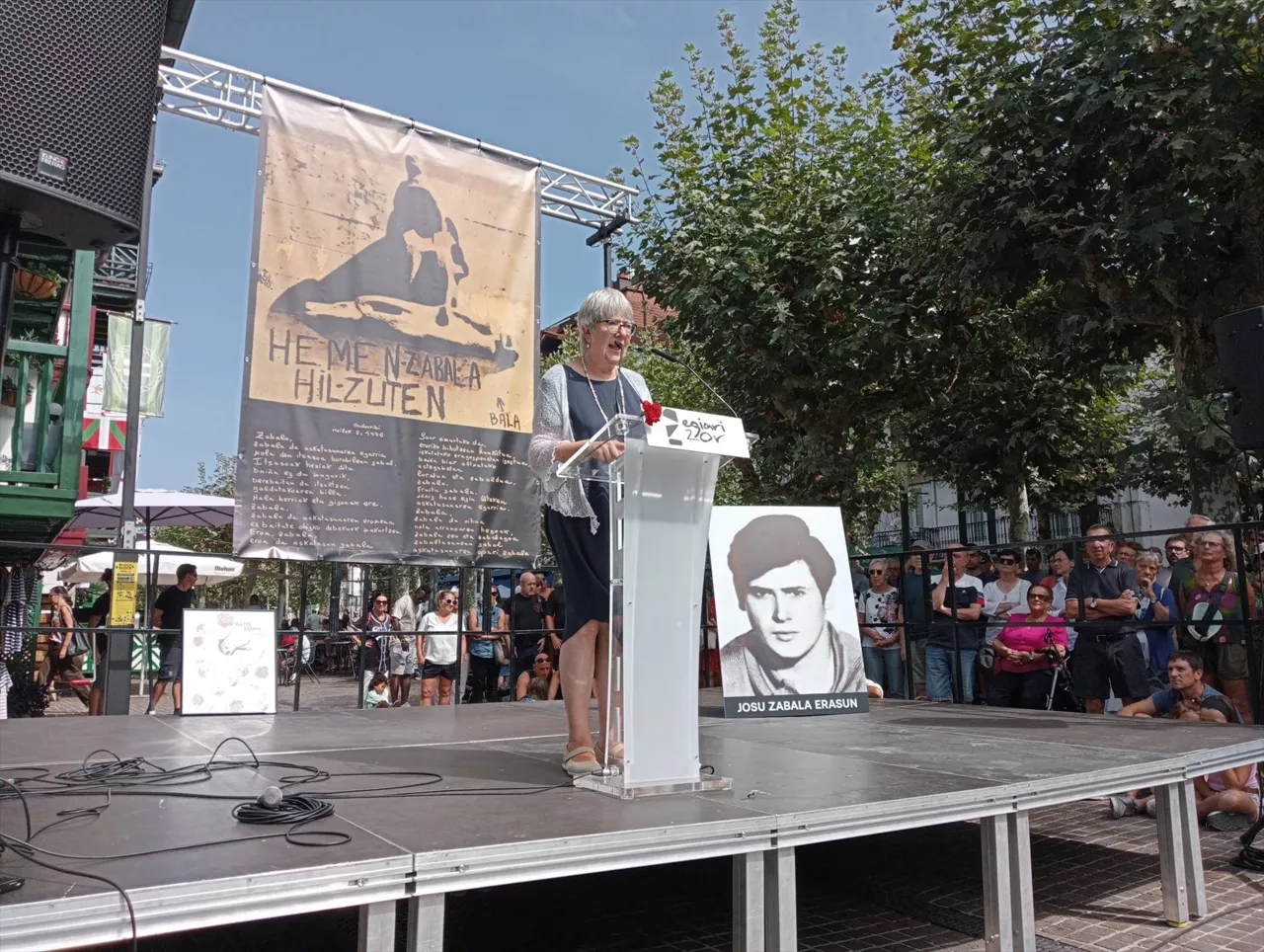
Josu Zabala Erasun was remembered in Hondarribia on the 50th anniversary of his death
Josu Zabala Erasun was shot dead by the Civil Guard in 1976 during a demonstration against the kidnapping of ETA member Eduardo Moreno Bergaretxe, 'Pertur'.
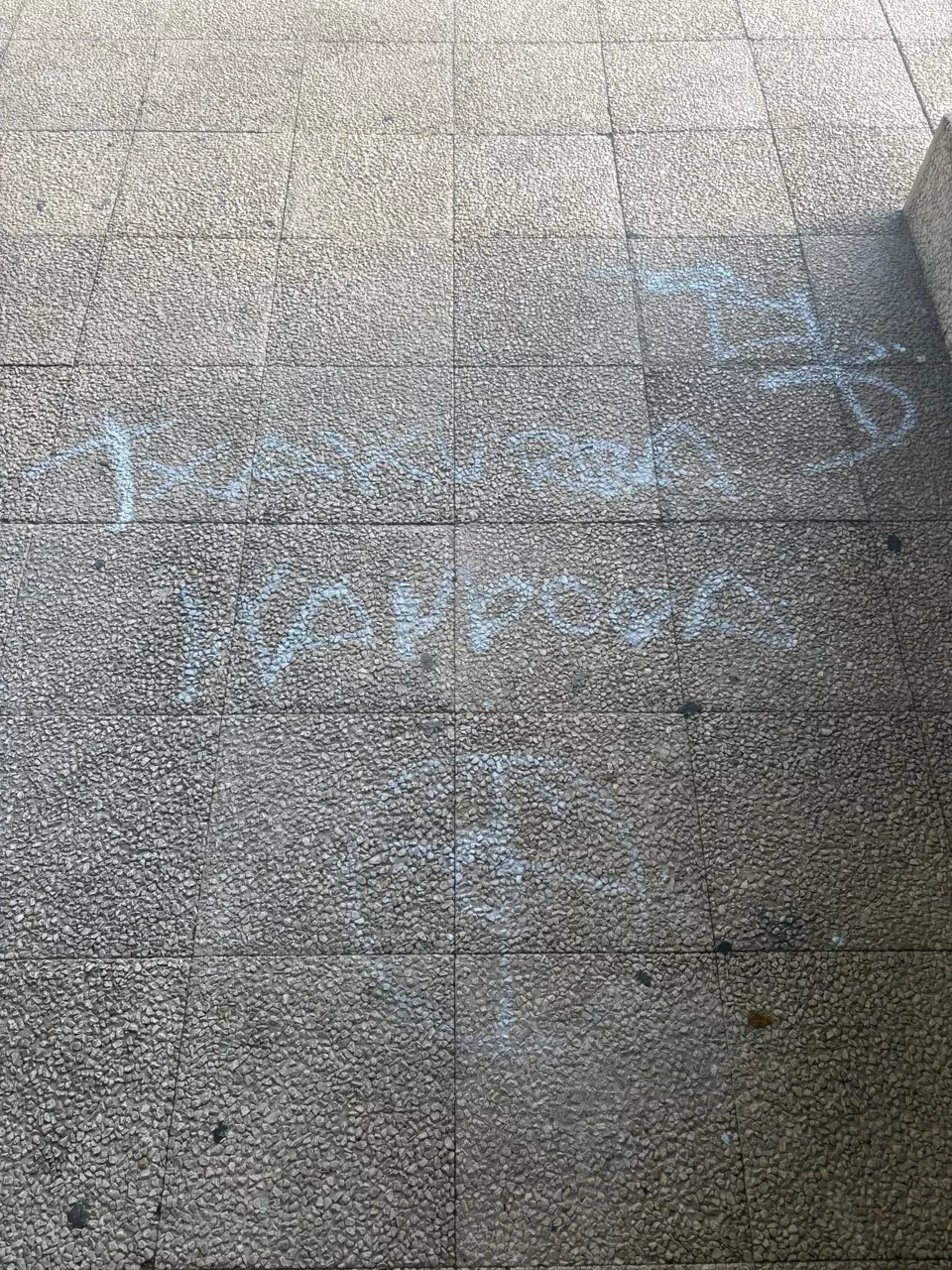
A painting against an ertzaina appears near his home in Vitoria-Gasteiz
The Department of Safety and Security has condemned "the threats and threats to the police, which recall past times and attack not only the said officer and the Ertzaintza, but also the foundations of democracy and coexistence".
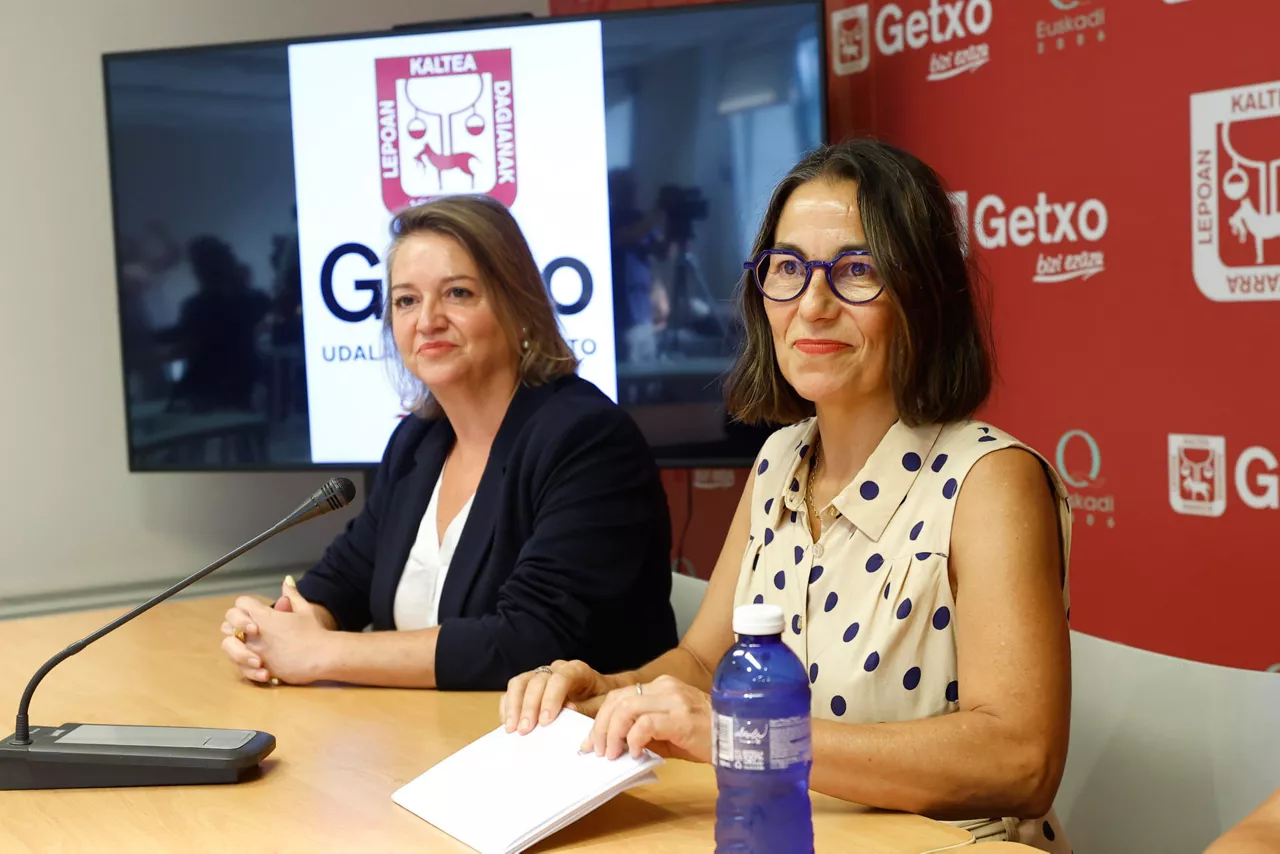
Agirre has called for a "public repair" of Irura's Bat Palace on the grounds that "progress" is not enough
According to the mayor, for months the debate has gone beyond the legal issue, with very serious accusations being made against the people affected and against the PNV, so he has clearly said that it is not enough to leave what happened behind.
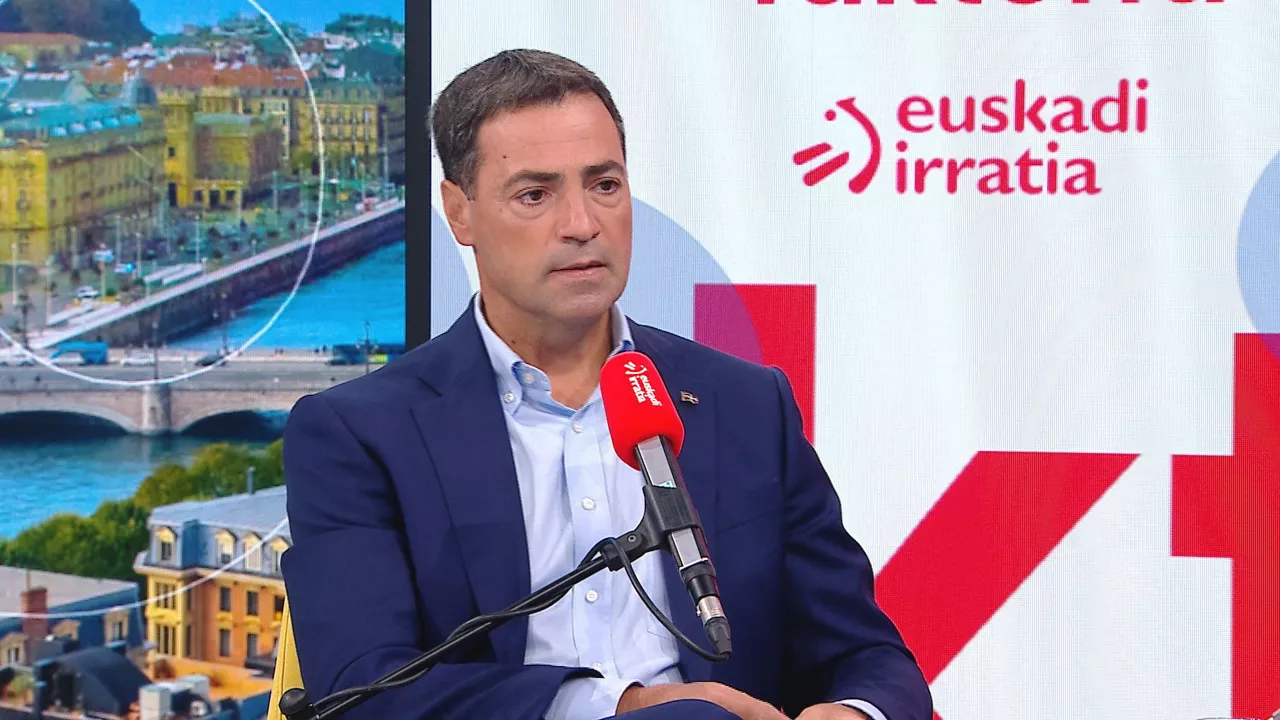
The President has assured us that there is no organized crime in the Basque Country today
Interviewed in the Faktoria programme of Euskadi Irratia, the President of the Basque Government, Imanol Pradales, has pointed out that the murders of recent years are mainly related to the deterioration of personal relations caused by drugs, addictions or gender-based violence, and has stressed that there is currently no organized crime in the Basque Country.
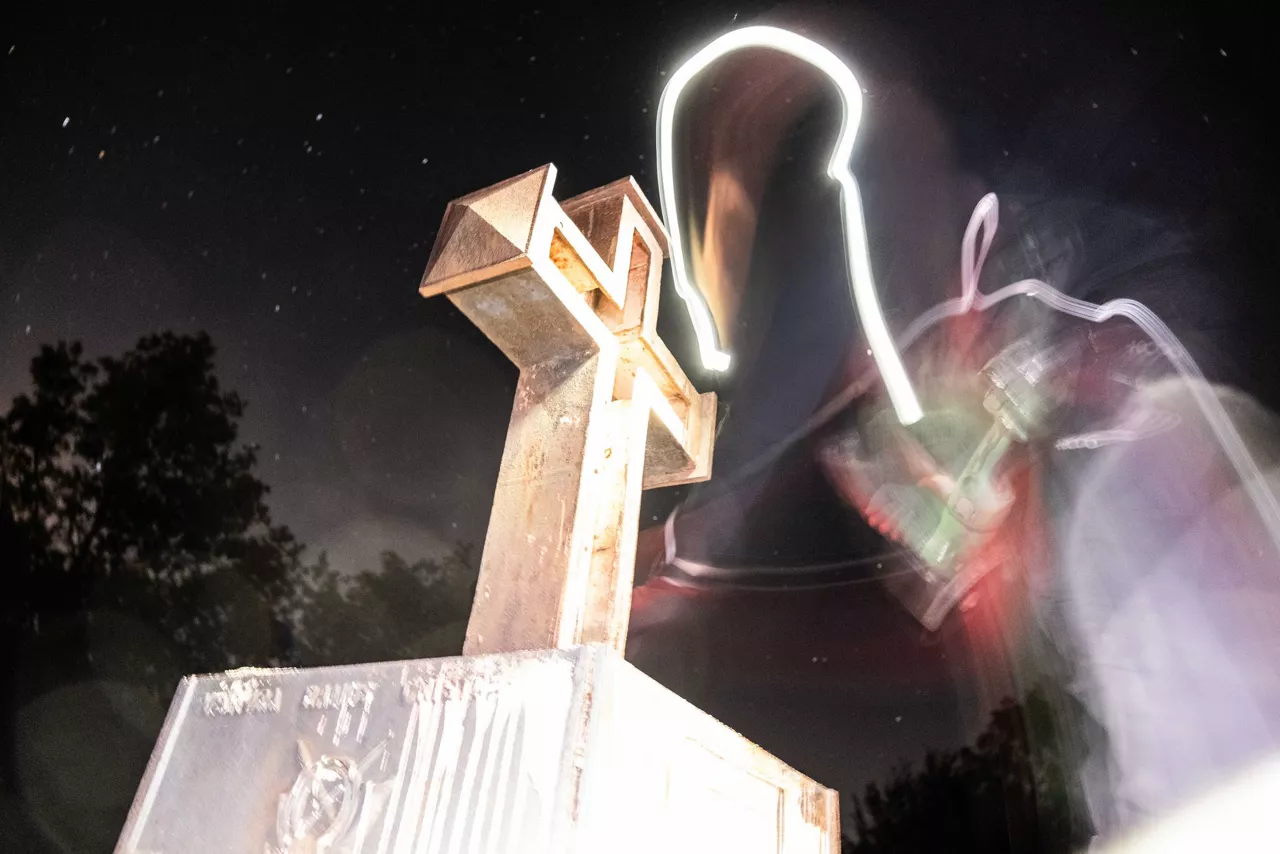
Ernai launches the Francoist cross of Mount Isuskitza
Ernai has shot down and videotaped the 1940 cross on Mount Isuskitza (Álava) in memory of the Franco requetés. The youth organization has claimed that fascism has no place in our country and has called for participation in the demonstration that will take place on 13 September in San Sebastian.
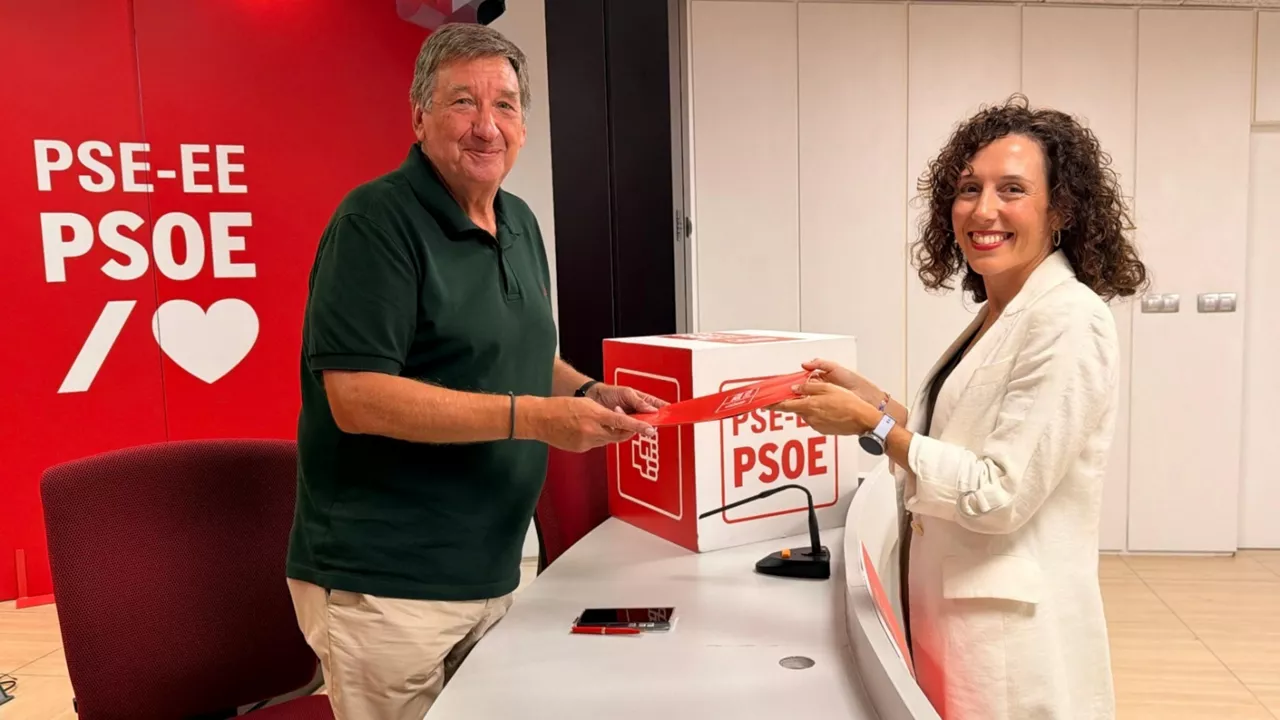
Nora Abete (PSE-EE) presents her candidacy for mayor of Bilbao
The current deputy mayor of the Bilbao City Council and spokesperson for the PSE-EE has explained that his candidacy stems from "proximity, listening and decision-making."
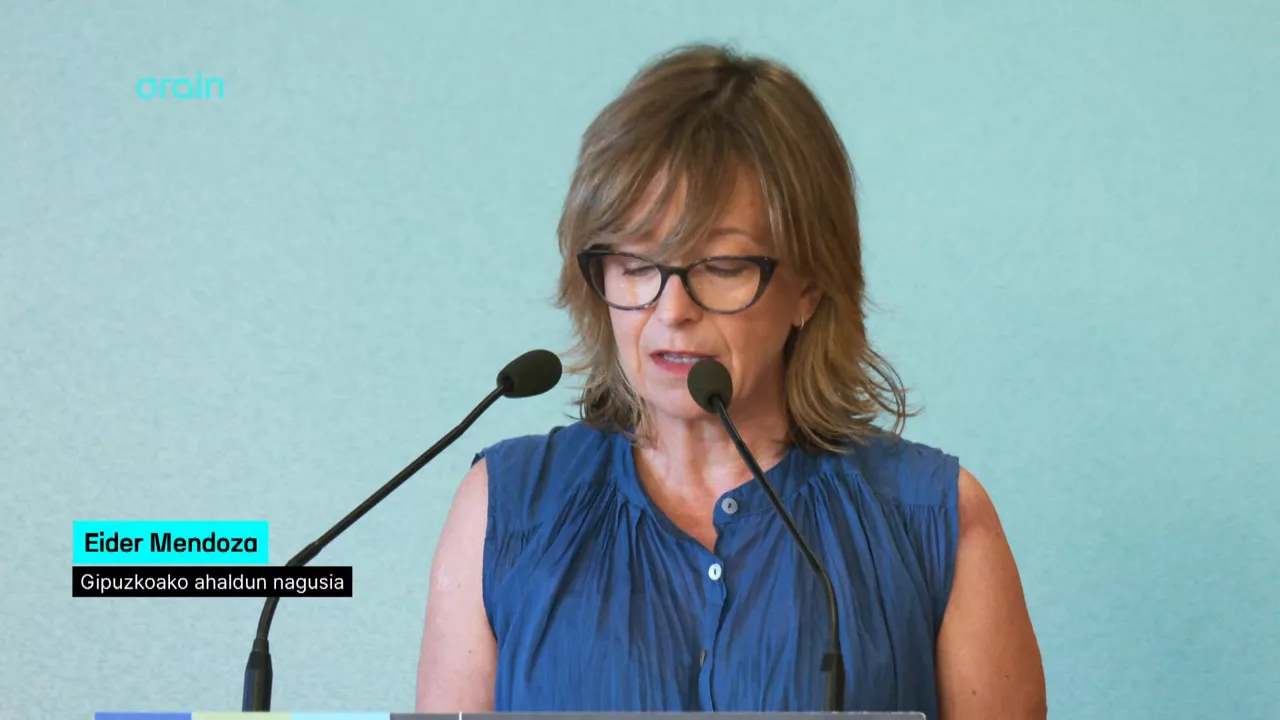
Gipuzkoa's Provincial Council will begin negotiating fiscal budgetary measures next week
Gipuzkoa MP Eider Mendoza has advanced her intention to start a round of talks with opposition groups to begin negotiations on the territory's budgets and some fiscal measures.
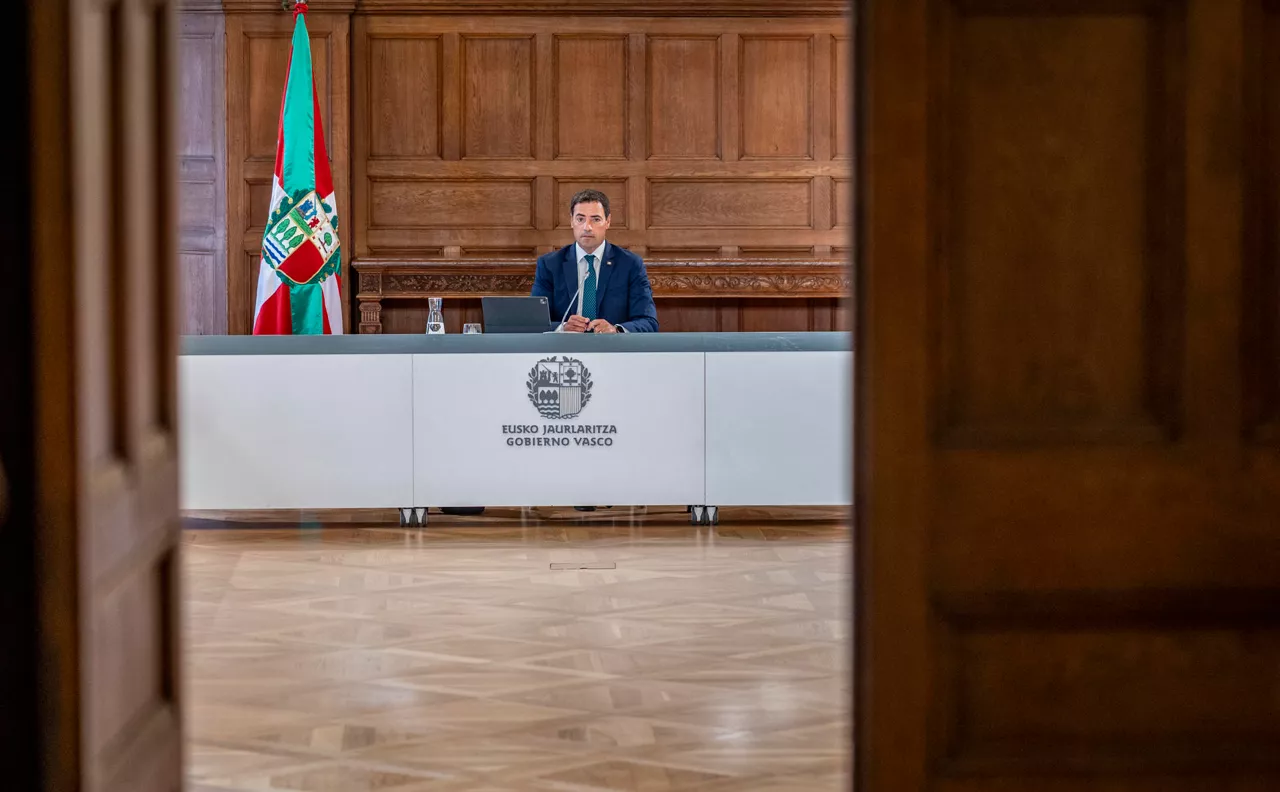
The President shall propose economic, self-government and housing agreements in his round of meetings with the parties and social partners
The meetings will take place from 8 to 15 September with the aim of strengthening dialogue and fostering partnerships in a context marked by international uncertainty and the electoral cycle of 2027.
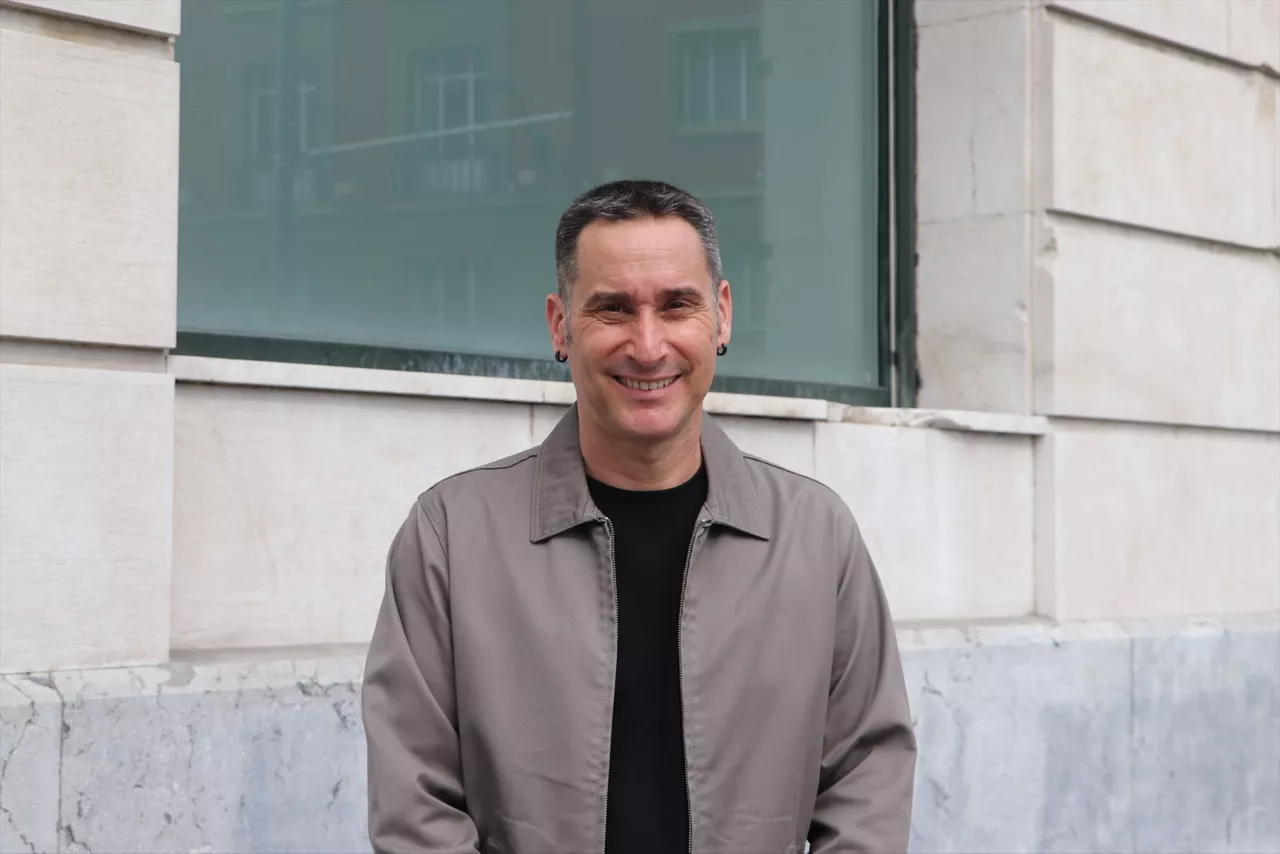
Iker Casanova will again be EH Bildu's candidate for Bizkaia's MP
EH Bildu's Bizkaia Political Bureau believes that baracaldés is the right person to represent the project of left-wing sovereignty.
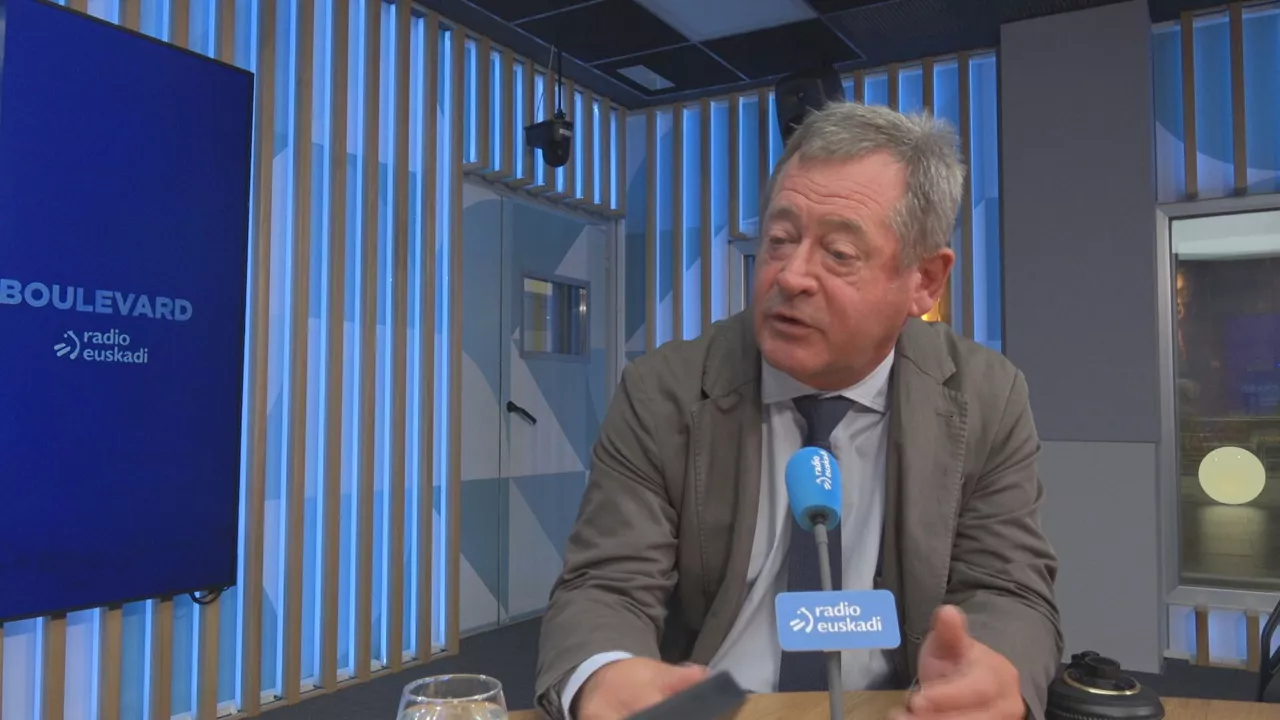
Zupiria believes that there is no political tint in the recent incidents between young people and the Ertzaintza
The Security Adviser of the Basque Government, Bingen Zupiria, has linked the incidents to young men, the consumption of alcohol and other substances and the "disinhibition" of night leisure. Asked about Ceuta, he regretted that Morocco was not asked to "assume its responsibility".