
A report by the Human Rights Observatory links state apparatus to the disappearance of Pertur
Through a 40-page report, he concludes that Pertur's disappearance was the result of an operation of the state police or para-police apparatus, facilitated by cooperation from his political environment.


Half a century after the disappearance of Eduardo Moreno Bergaretxe Pertur, a study carried out by the Observatory for Human Rights has concluded that the strongest hypothesis to explain what happened on 23 July 1976 is that it was an operation carried out by the police or para-police apparatus of the State, for which they would be assisted by someone from the political environment of Pertur, according to the report.
The 40-page report has reviewed the documentation accumulated for decades, collected new testimonies and reinterpreted this well-known case of the Transition.
1979 and dirty war
The report notes how for years the internal cleansing hypothesis has been so powerful that the murder of Pertur was a revenge for internal issues within the political-military ETA. However, according tothe authors of the report, according to available evidence, it would be more consistent to believe that it was a contextual act of "dirty war" against Basque militants and refugees.
The investigation contextualizesthe disappearance of Pertur in the context of active para-police activity in 1976, a year in which there were numerous attacks, threats and attempted kidnappings against leaders of the abertzale left.
The report also stresses that Pertur himself and his family were targeted by threats, attacks on housing and public signalling campaigns, especially in the months leading up to his disappearance.
Pertur's trusted environment
One of the main arguments of the investigation is that the situation of clandestinity in which Pertur lived made it very difficult to find him without information from a trusted environment. According to the report, his appointment in Behobia on 23 July 1976 could only be known from within the organization, so the authors believe that there was an internal collaboration or leak that facilitated his location.
However, the report rules out that this means that members of the political-military ETA were the material perpetrators of the kidnapping and disappearance.
On the other hand, it calls into question some of the interpretations that have been entrenched for decades, such as Pertur's thesis that political disagreements over the future of ETA justified internal murder. According to the authors, the Ochagavian Paper written by Pertur did not propose to abandon the armed struggle, but rather to reorganize the political-military structure of the organization, so they believe that this argument was later used to reinforce an unfounded hypothesis.
Italian track
The report also recovers the so-called "Italian track", which was investigated by the Italian judiciary in the 1980s and then dealt with by the documentary The Year of All Demons by Angel Amigo, a line of investigation involving an Italian neo-fascist group in clandestine operations against ETA militants in southern France on behalf of or supported by Spanish security service sectors.
Thus, the investigation concludes that Pertur's disappearance was the result of two dynamics: on the one hand, a complaint or leak of information from his political environment, and, on the other, the intervention of para-police structures linked to the State. However, he acknowledges that until new evidence emerges or the details of his remains are clarified, the final identification of those responsible for what happened will be pending.
You might like
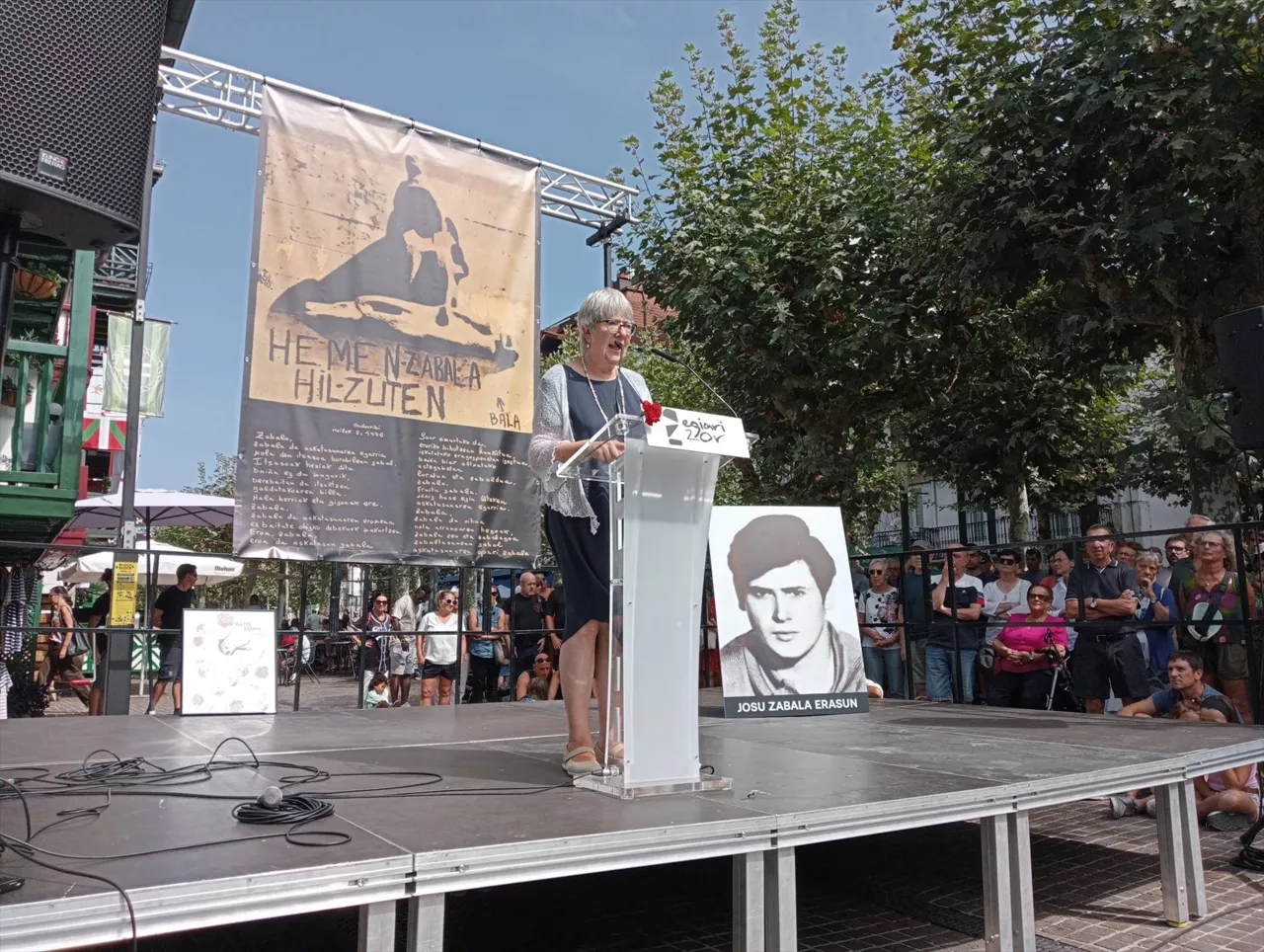
Josu Zabala Erasun was remembered in Hondarribia on the 50th anniversary of his death
Josu Zabala Erasun was shot dead by the Civil Guard in 1976 during a demonstration against the kidnapping of ETA member Eduardo Moreno Bergaretxe, 'Pertur'.
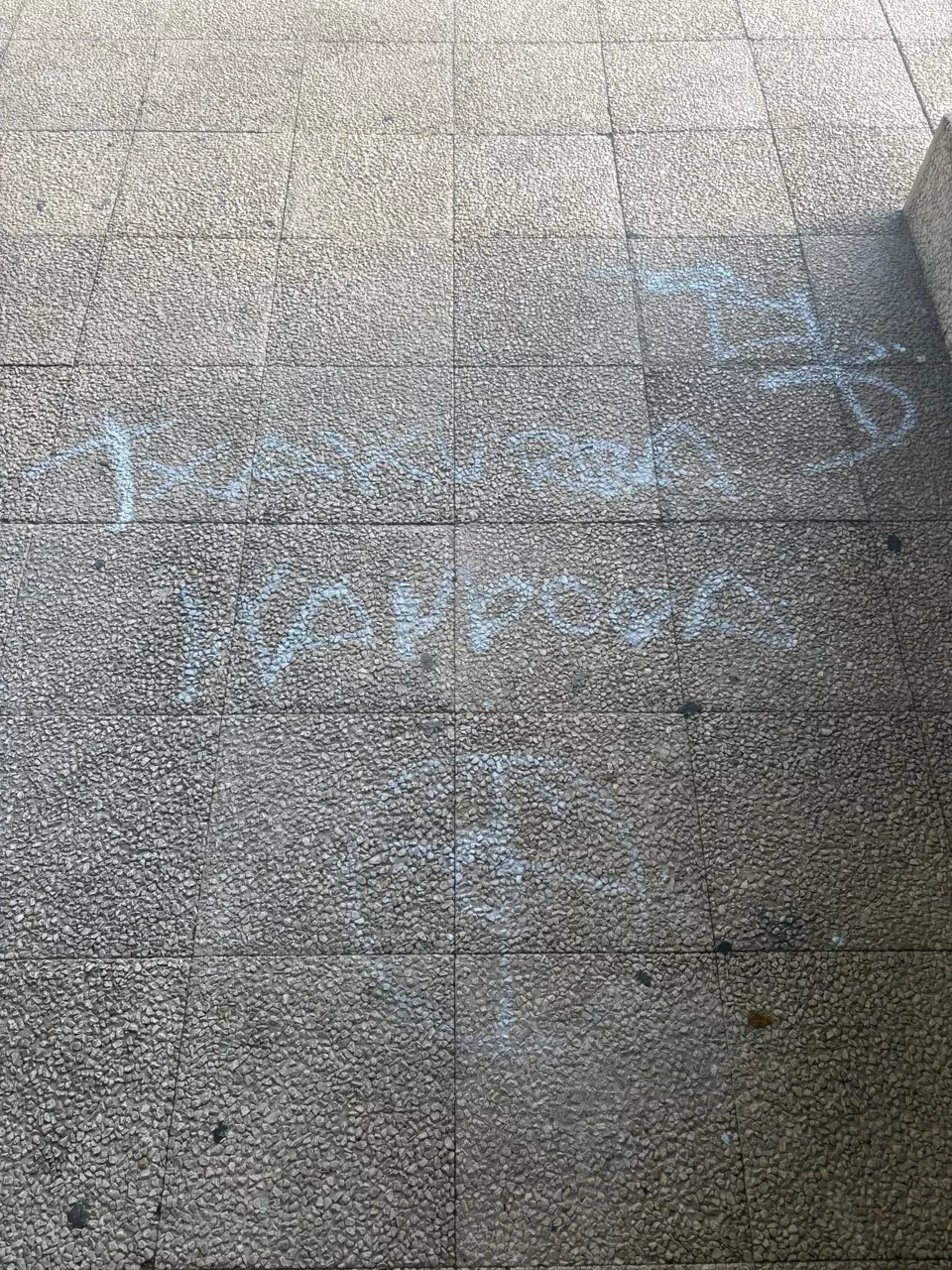
A painting against an ertzaina appears near his home in Vitoria-Gasteiz
The Department of Safety and Security has condemned "the threats and threats to the police, which recall past times and attack not only the said officer and the Ertzaintza, but also the foundations of democracy and coexistence".
Agirre has called for a "public repair" of Irura's Bat Palace on the grounds that "progress" is not enough
According to the mayor, for months the debate has gone beyond the legal issue, with very serious accusations being made against the people affected and against the PNV, so he has clearly said that it is not enough to leave what happened behind.
The President has assured us that there is no organized crime in the Basque Country today
Interviewed in the Faktoria programme of Euskadi Irratia, the President of the Basque Government, Imanol Pradales, has pointed out that the murders of recent years are mainly related to the deterioration of personal relations caused by drugs, addictions or gender-based violence, and has stressed that there is currently no organized crime in the Basque Country.
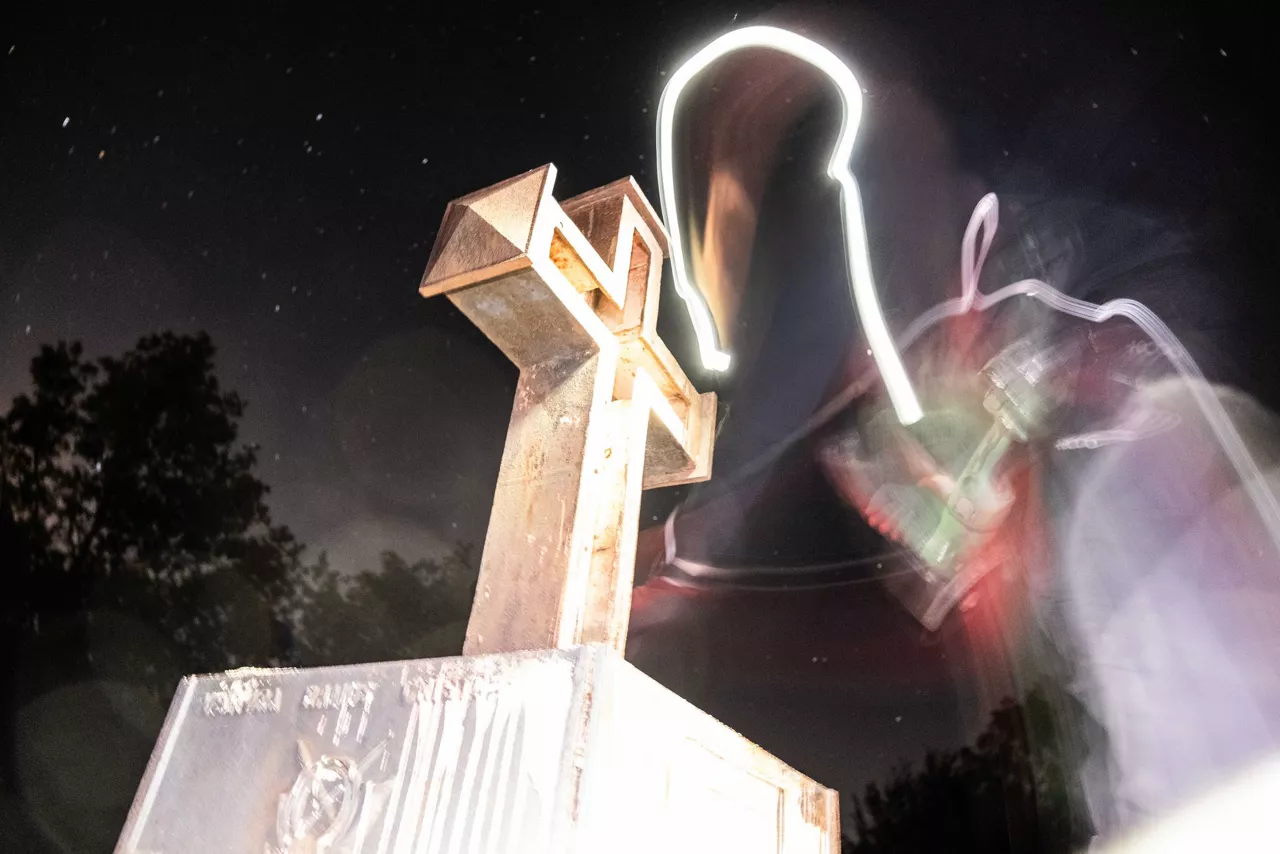
Ernai launches the Francoist cross of Mount Isuskitza
Ernai has shot down and videotaped the 1940 cross on Mount Isuskitza (Álava) in memory of the Franco requetés. The youth organization has claimed that fascism has no place in our country and has called for participation in the demonstration that will take place on 13 September in San Sebastian.
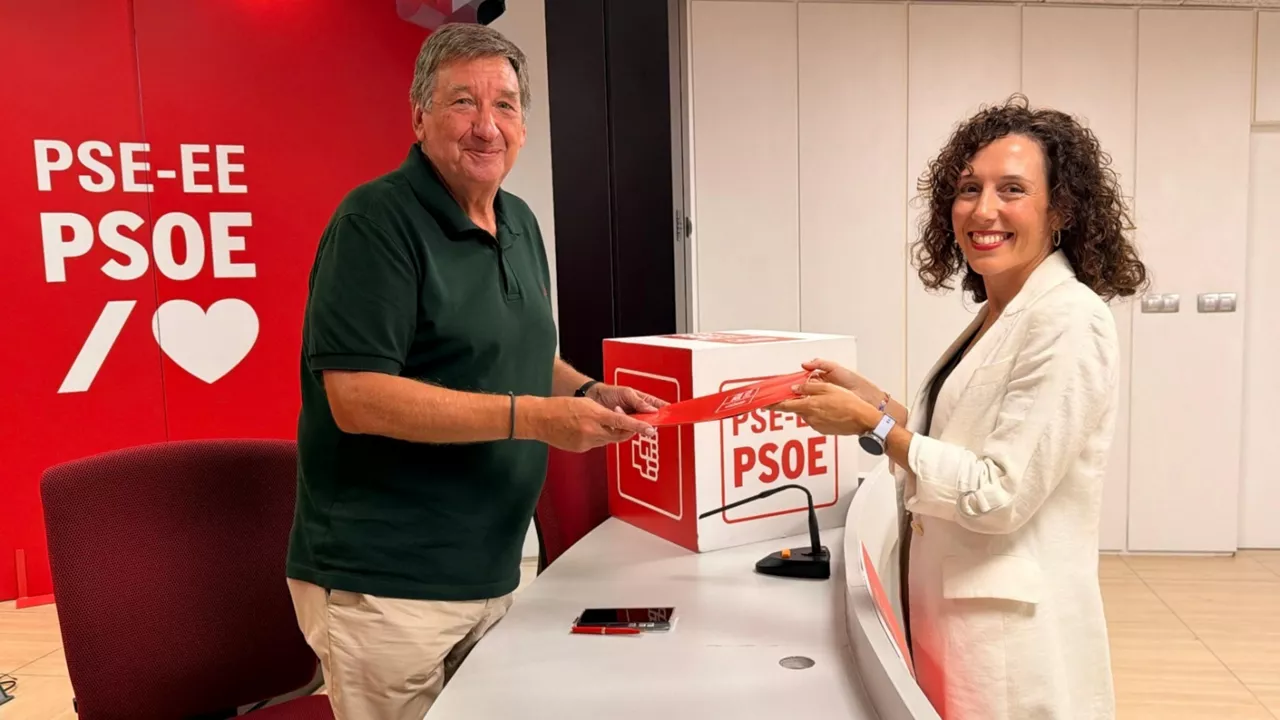
Nora Abete (PSE-EE) presents her candidacy for mayor of Bilbao
The current deputy mayor of the Bilbao City Council and spokesperson for the PSE-EE has explained that his candidacy stems from "proximity, listening and decision-making."
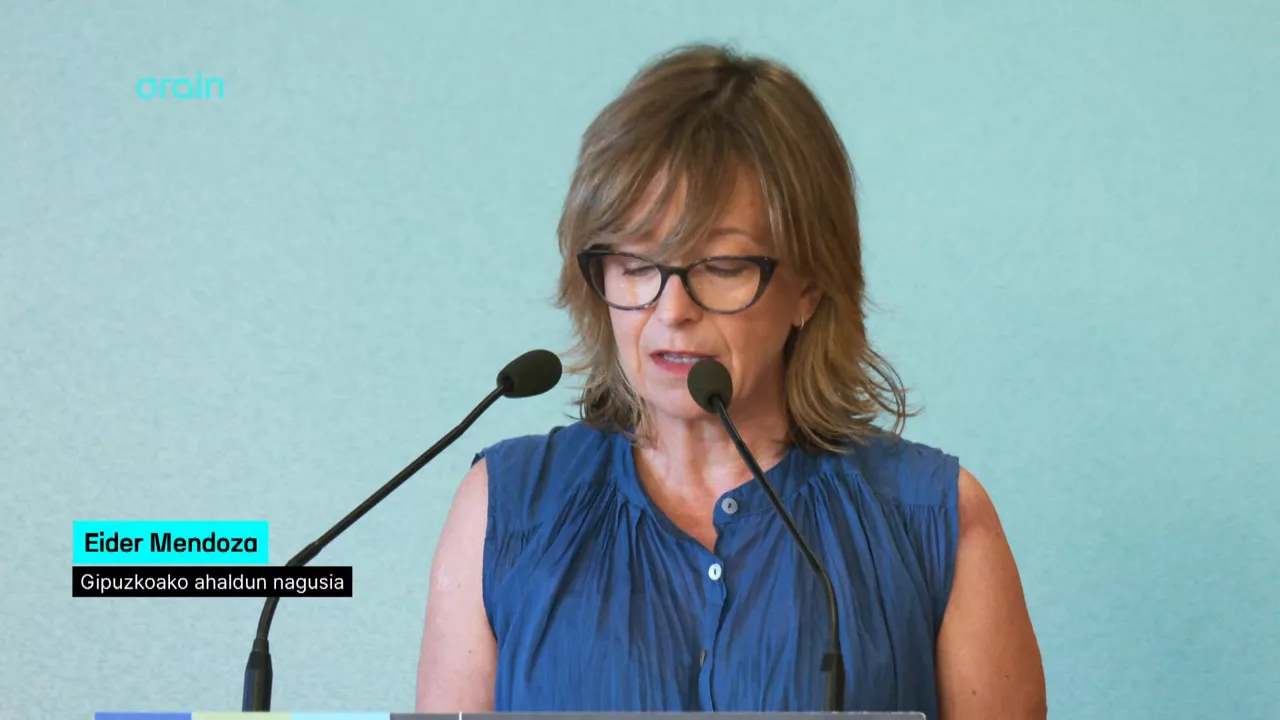
Gipuzkoa's Provincial Council will begin negotiating fiscal budgetary measures next week
Gipuzkoa MP Eider Mendoza has advanced her intention to start a round of talks with opposition groups to begin negotiations on the territory's budgets and some fiscal measures.
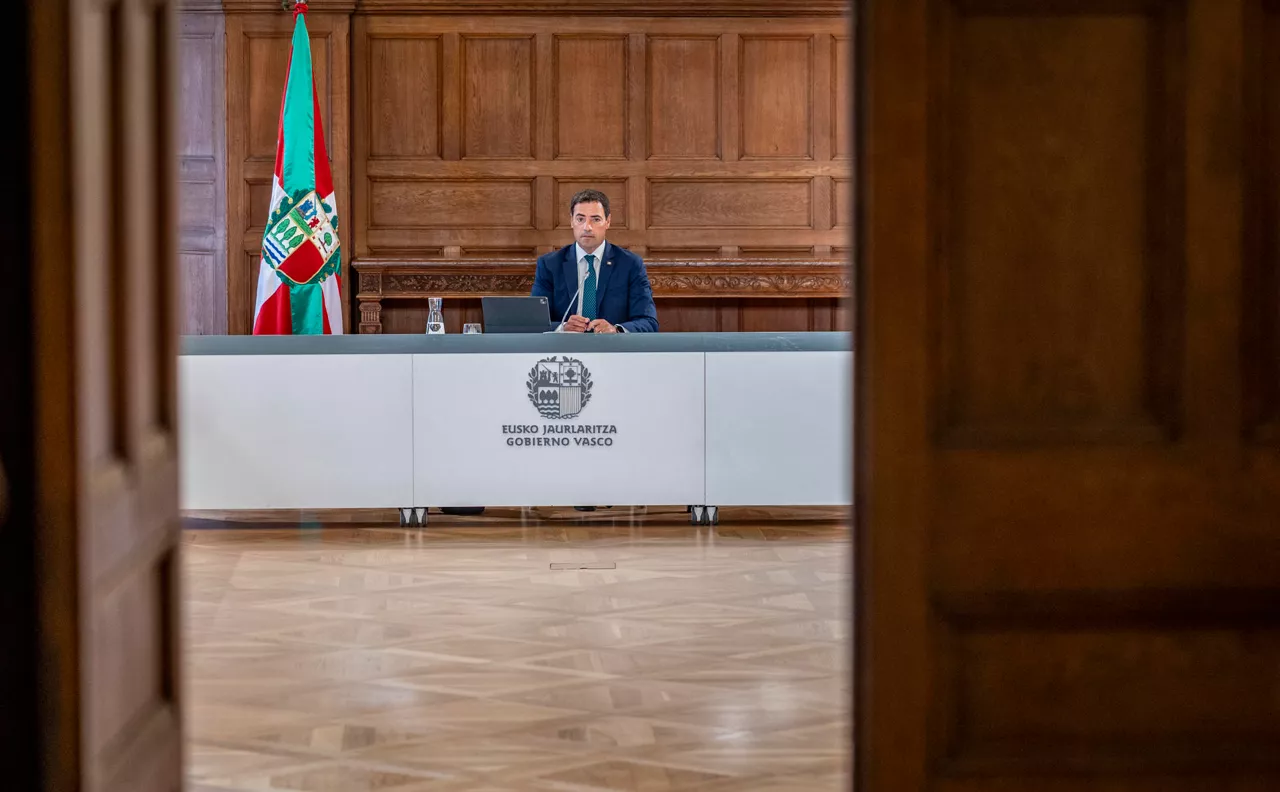
The President shall propose economic, self-government and housing agreements in his round of meetings with the parties and social partners
The meetings will take place from 8 to 15 September with the aim of strengthening dialogue and fostering partnerships in a context marked by international uncertainty and the electoral cycle of 2027.
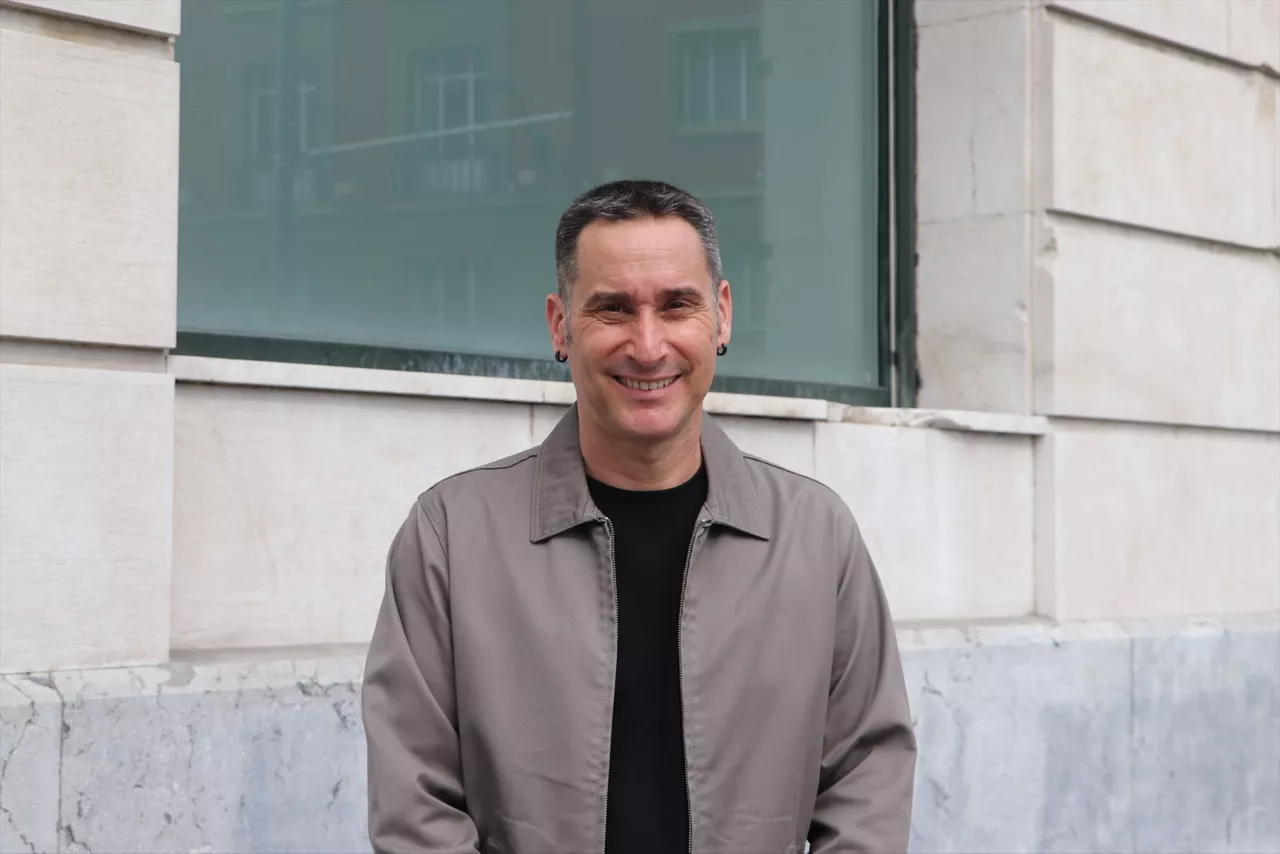
Iker Casanova will again be EH Bildu's candidate for Bizkaia's MP
EH Bildu's Bizkaia Political Bureau believes that baracaldés is the right person to represent the project of left-wing sovereignty.
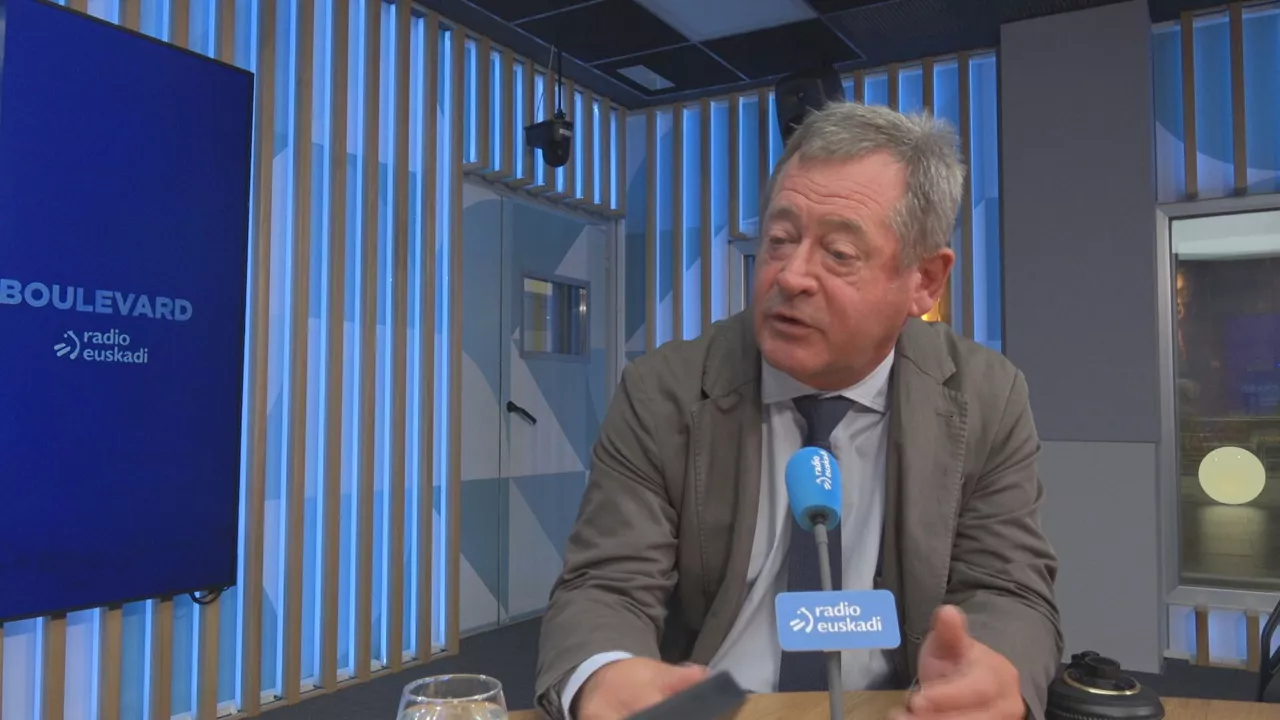
Zupiria believes that there is no political tint in the recent incidents between young people and the Ertzaintza
The Security Adviser of the Basque Government, Bingen Zupiria, has linked the incidents to young men, the consumption of alcohol and other substances and the "disinhibition" of night leisure. Asked about Ceuta, he regretted that Morocco was not asked to "assume its responsibility".