
Sanchez has convened an extraordinary meeting of the National Security Council this Tuesday to address the crisis in Ceuta
The Congress of Deputies will discuss on Wednesday whether the Spanish president should appear on the migration crisis and call 10 ministers.


The President of the Spanish Government, Pedro Sánchez, has convened an extraordinary meeting of the National Security Council on Tuesday, 25 August, to discuss the situation inCeuta, 26 days after the entry of 80,000 migrants from Morocco, official sources have confirmed.
The meeting will take place at the Moncloa Palace before the Council of Ministers, which will meet again this Tuesday, following the summer break, and will also address a number of issues relating to the autonomous city, in which the President of Ceuta, Juan Jesús Vivas, of the PP, is expected to participate telematically, as confirmed by the Government in a statement.
In addition, the Director of the National Intelligence Centre (CNI), Esperanza Casteleiro, the Director of National Security, Loreto Gutiérrez, and the Chief of Defence Staff (EMAD), Teodoro Esteban López Calderón, are expected to participate.
What is the National Security Council?
The National Security Council is the body that assists the President of the Government in the conduct of the National Security Policy and the National Security System, composed, in addition to the Head of the Government, of the Vice-Presidents, the Ministers of Foreign Affairs, the Presidency, the Justice and Relations with the Courts, the Defence, the Interior, the Finance and the Transport, among others, which the King may attend.
It meets at least once every two months, or whenever it deems necessary, as well as when circumstances affecting national security so require, although this body last met on 21 April, and the last time Philip VI presided over a meeting of the National Security Council was on 29 April 2025 on the occasion of the blackout.
Appearance of the President and his ministers
The Permanent Congressional Council, which replaces the plenary for periods as incompetent as August, will discuss on Wednesday, at the request of the PP, whether or not the President of the Government should appear in an extraordinary manner in the lower house as a result of the crisis in Ceuta.
In addition, the Council, in which all parliamentary groups are proportionately represented, will discuss at a session beginning at noon whether ten ministers of its Cabinet will urgently come to Congress to address various aspects of the situation in Ceuta, including.
With regard to the migration crisis in the autonomous city, earlier this week the Ministers of Defence, Margarita Robles; of the Presidency, Félix Bolaños; of Health, Mónica García; of the Interior, Fernando Grande-Marlaska; of Exterior, José Manuel Albares, and of Migration, Elma Saiz, will appear in various committees, and next week the Ministers of Youth and Children, Sira Rego, and of Equality, Ana Redondo.
However, the requests to go to Congress processed by the opposition in August have been on the agenda of the Permanent Council published on Monday.
You might like
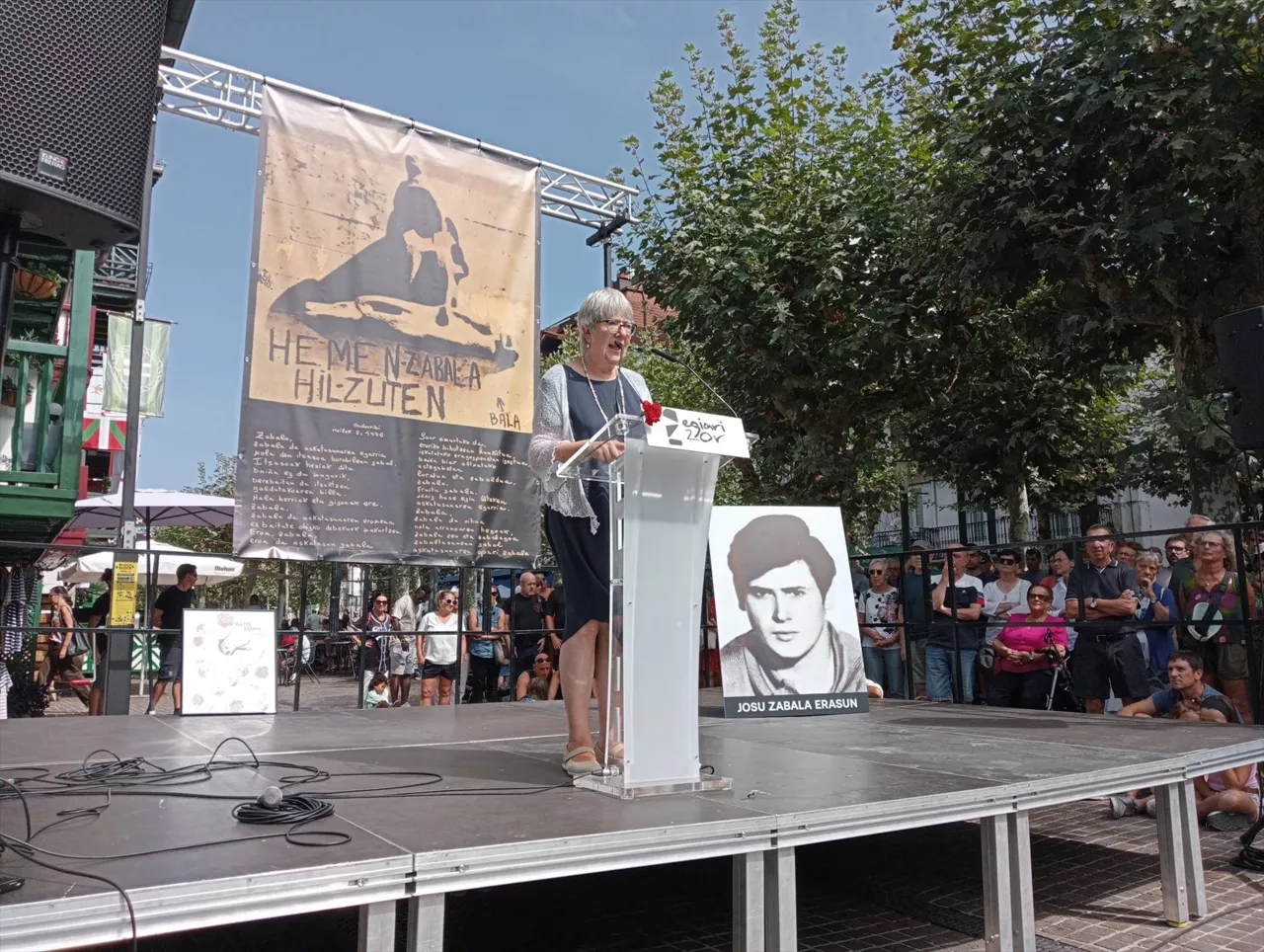
Josu Zabala Erasun was remembered in Hondarribia on the 50th anniversary of his death
Josu Zabala Erasun was shot dead by the Civil Guard in 1976 during a demonstration against the kidnapping of ETA member Eduardo Moreno Bergaretxe, 'Pertur'.
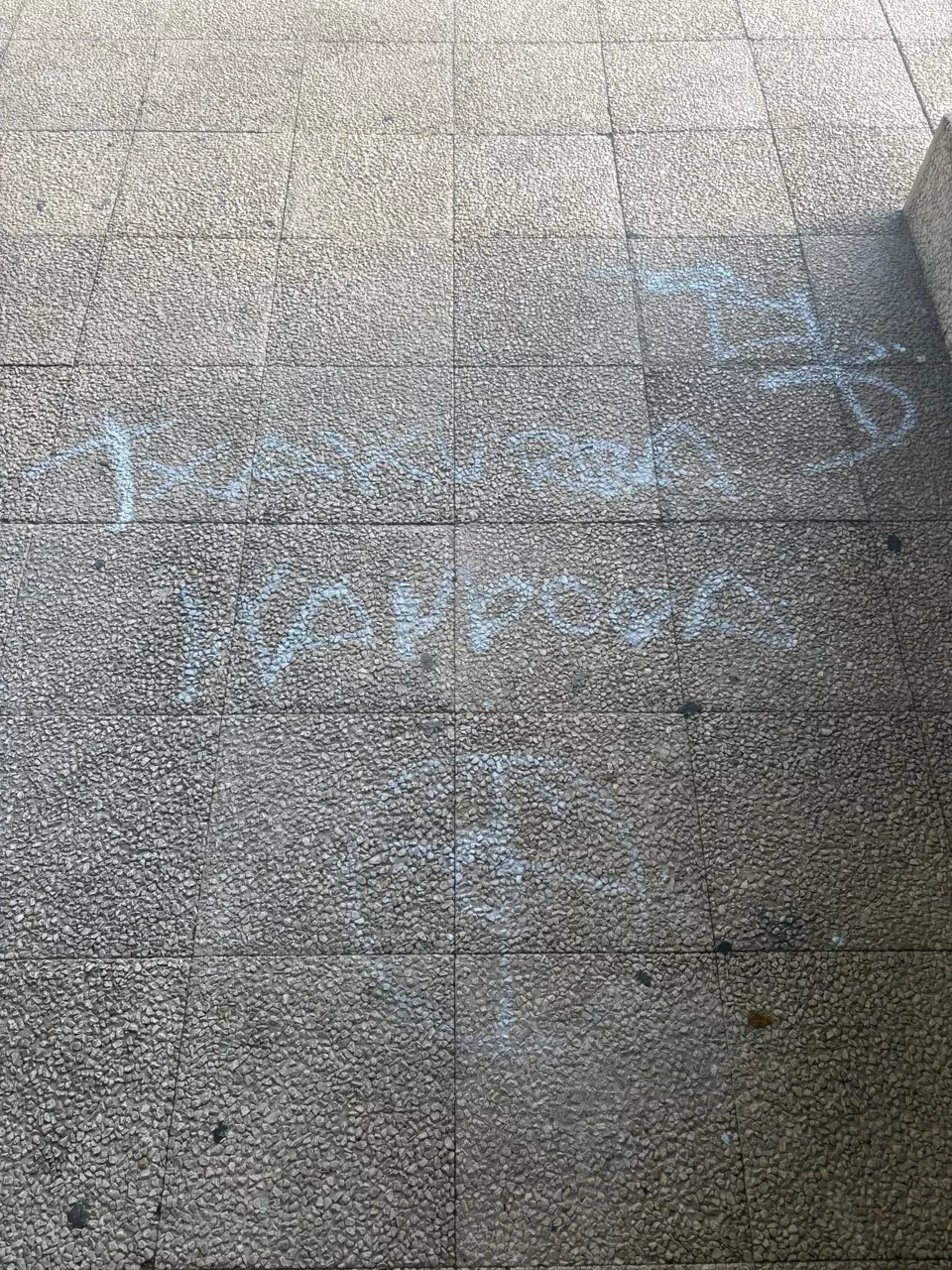
A painting against an ertzaina appears near his home in Vitoria-Gasteiz
The Department of Safety and Security has condemned "the threats and threats to the police, which recall past times and attack not only the said officer and the Ertzaintza, but also the foundations of democracy and coexistence".
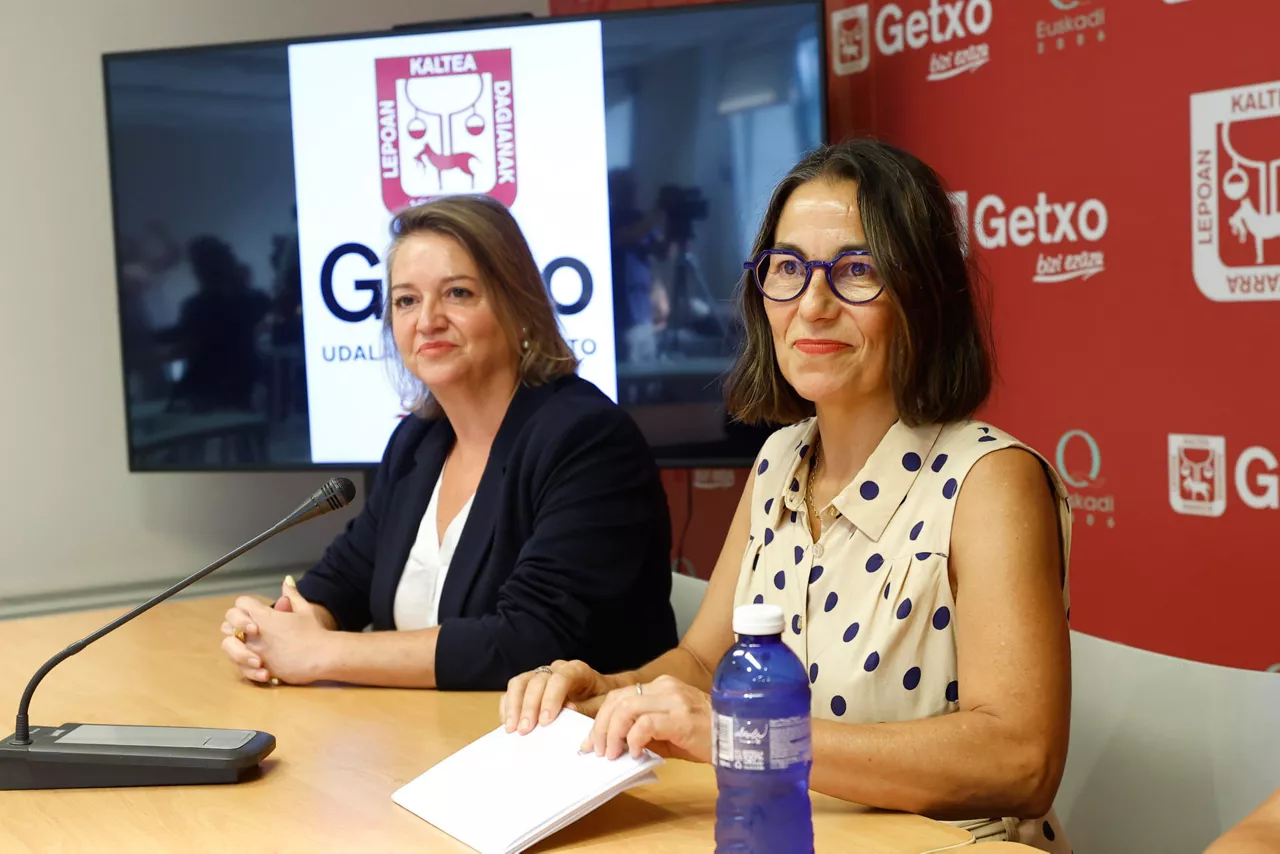
Agirre has called for a "public repair" of Irura's Bat Palace on the grounds that "progress" is not enough
According to the mayor, for months the debate has gone beyond the legal issue, with very serious accusations being made against the people affected and against the PNV, so he has clearly said that it is not enough to leave what happened behind.
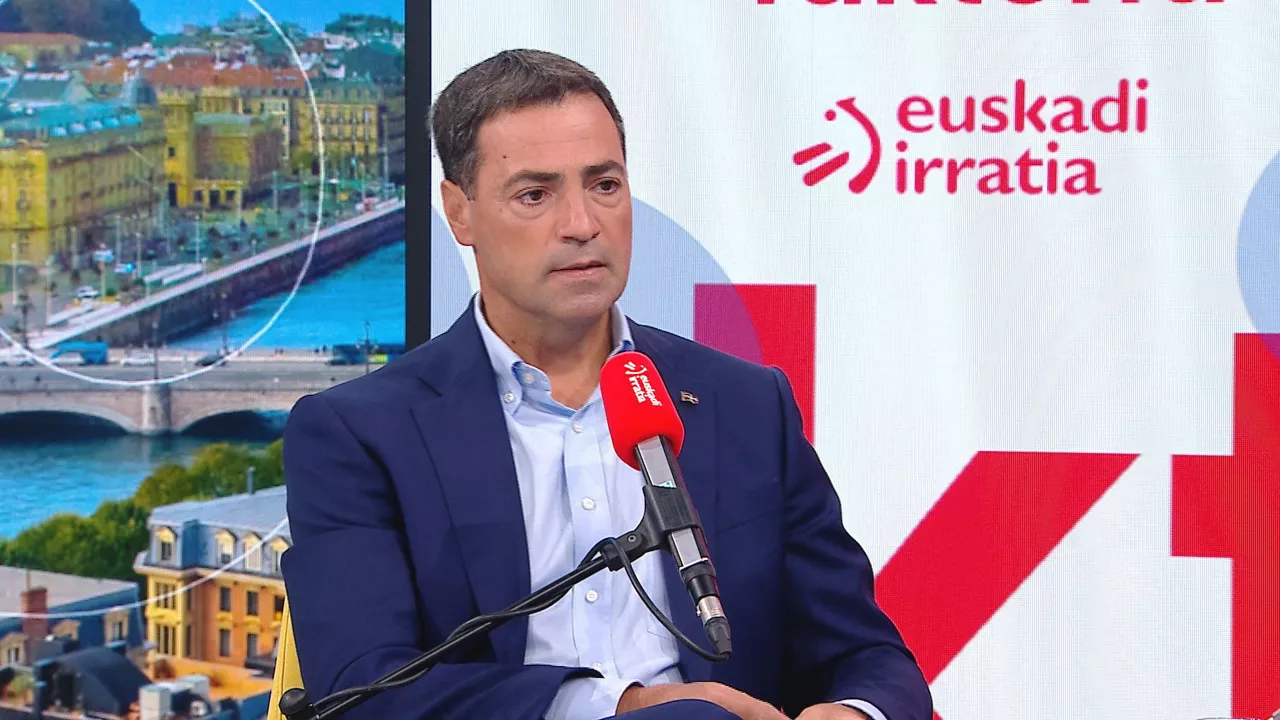
The President has assured us that there is no organized crime in the Basque Country today
Interviewed in the Faktoria programme of Euskadi Irratia, the President of the Basque Government, Imanol Pradales, has pointed out that the murders of recent years are mainly related to the deterioration of personal relations caused by drugs, addictions or gender-based violence, and has stressed that there is currently no organized crime in the Basque Country.
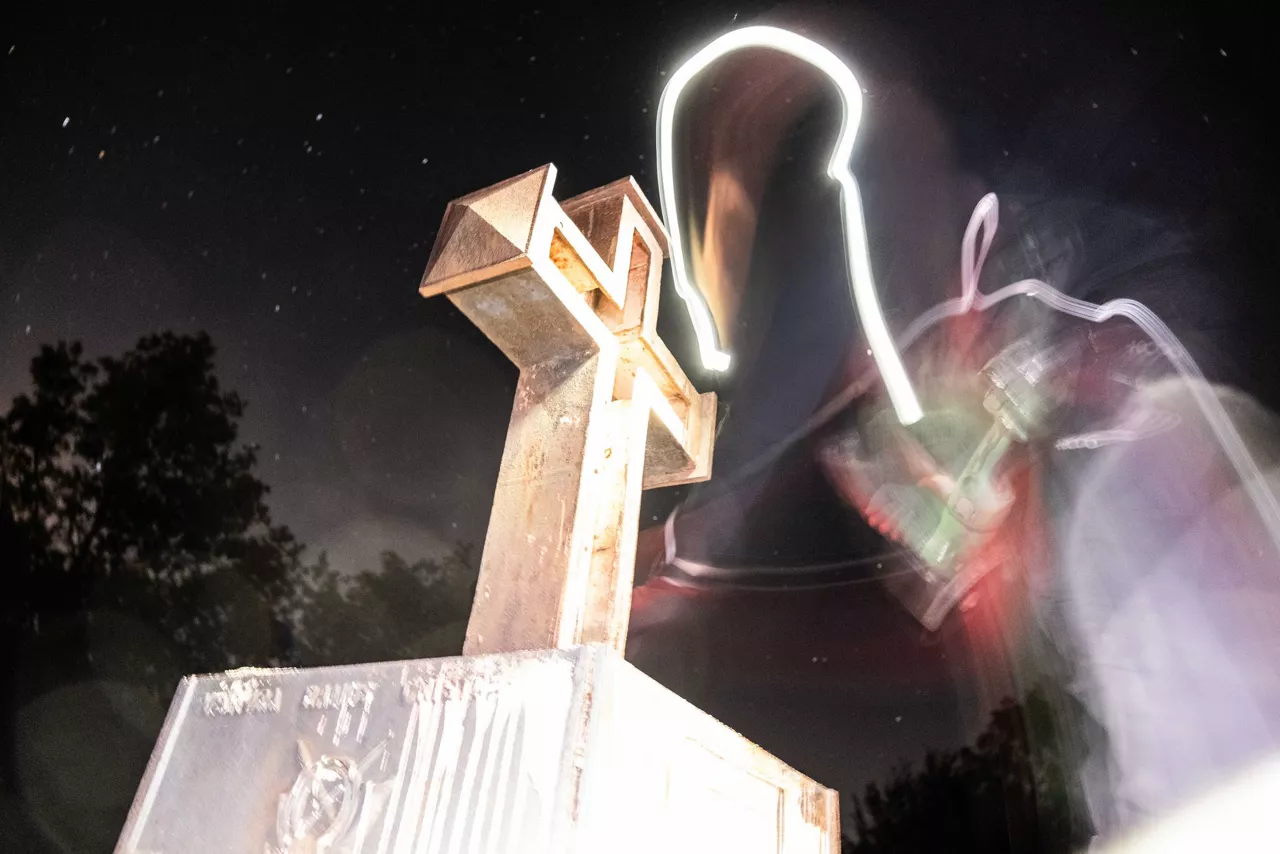
Ernai launches the Francoist cross of Mount Isuskitza
Ernai has shot down and videotaped the 1940 cross on Mount Isuskitza (Álava) in memory of the Franco requetés. The youth organization has claimed that fascism has no place in our country and has called for participation in the demonstration that will take place on 13 September in San Sebastian.
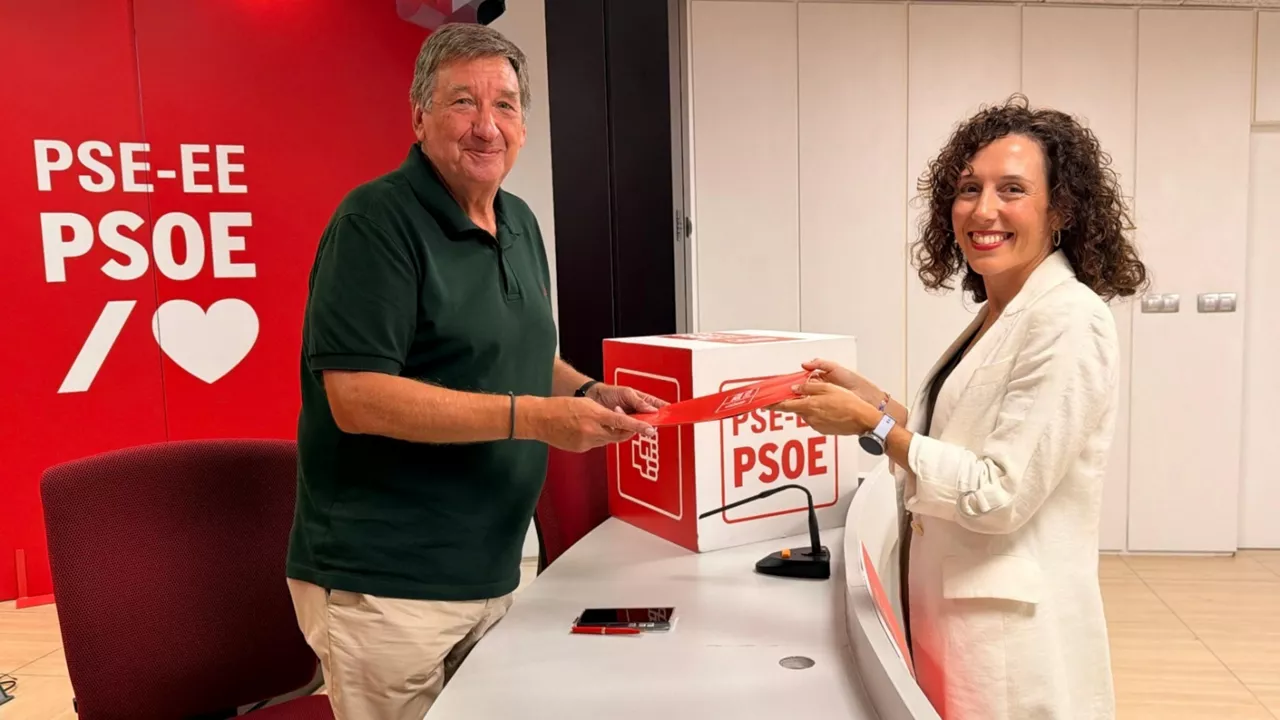
Nora Abete (PSE-EE) presents her candidacy for mayor of Bilbao
The current deputy mayor of the Bilbao City Council and spokesperson for the PSE-EE has explained that his candidacy stems from "proximity, listening and decision-making."
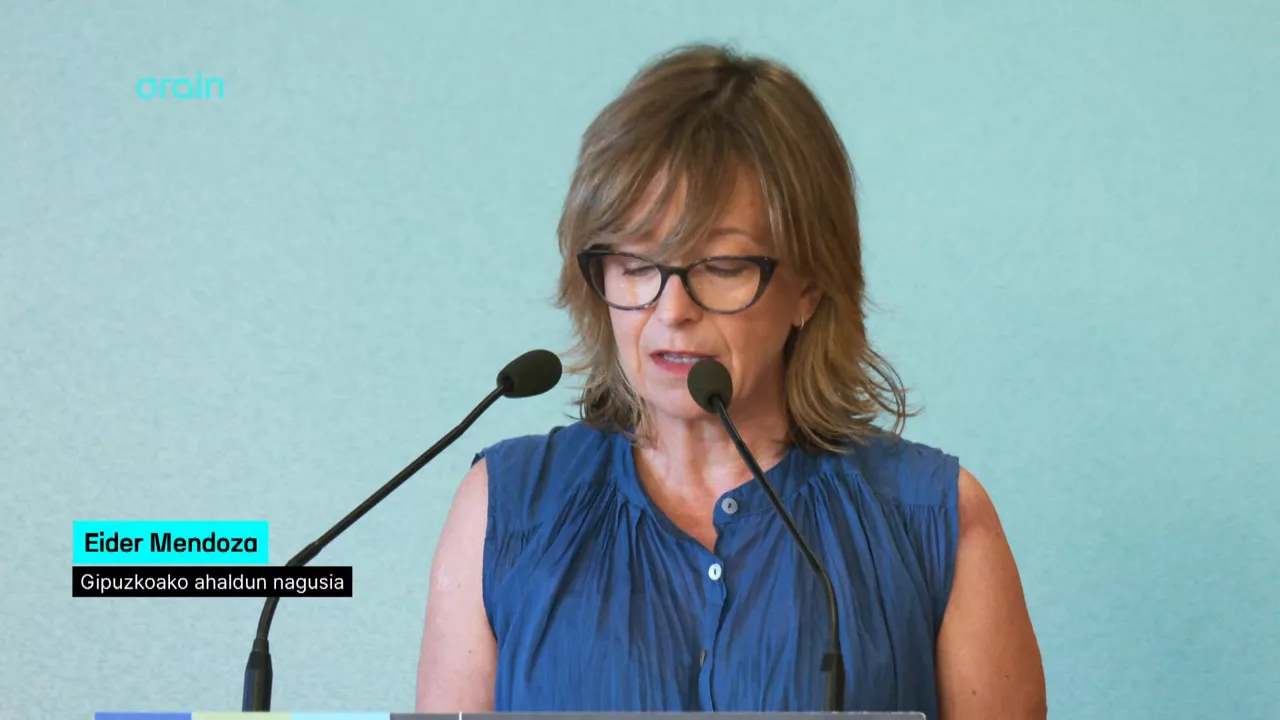
Gipuzkoa's Provincial Council will begin negotiating fiscal budgetary measures next week
Gipuzkoa MP Eider Mendoza has advanced her intention to start a round of talks with opposition groups to begin negotiations on the territory's budgets and some fiscal measures.
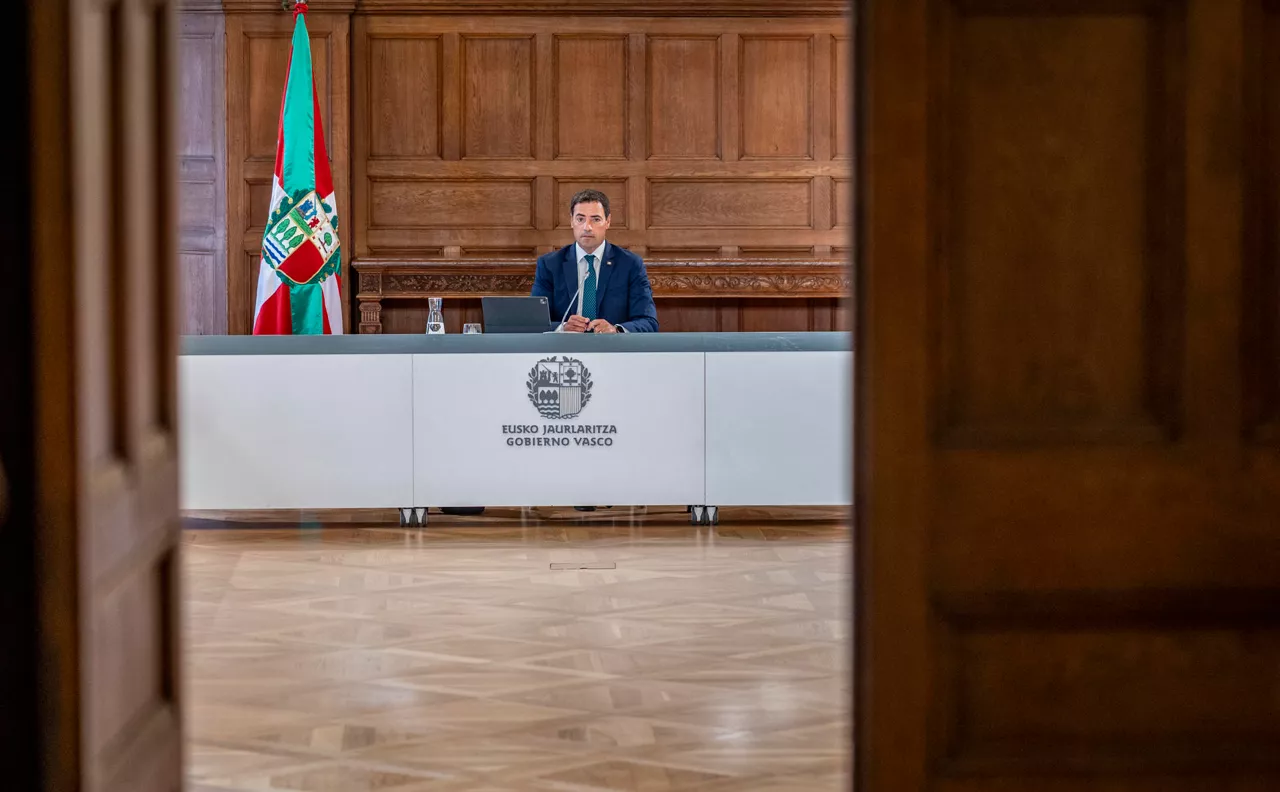
The President shall propose economic, self-government and housing agreements in his round of meetings with the parties and social partners
The meetings will take place from 8 to 15 September with the aim of strengthening dialogue and fostering partnerships in a context marked by international uncertainty and the electoral cycle of 2027.
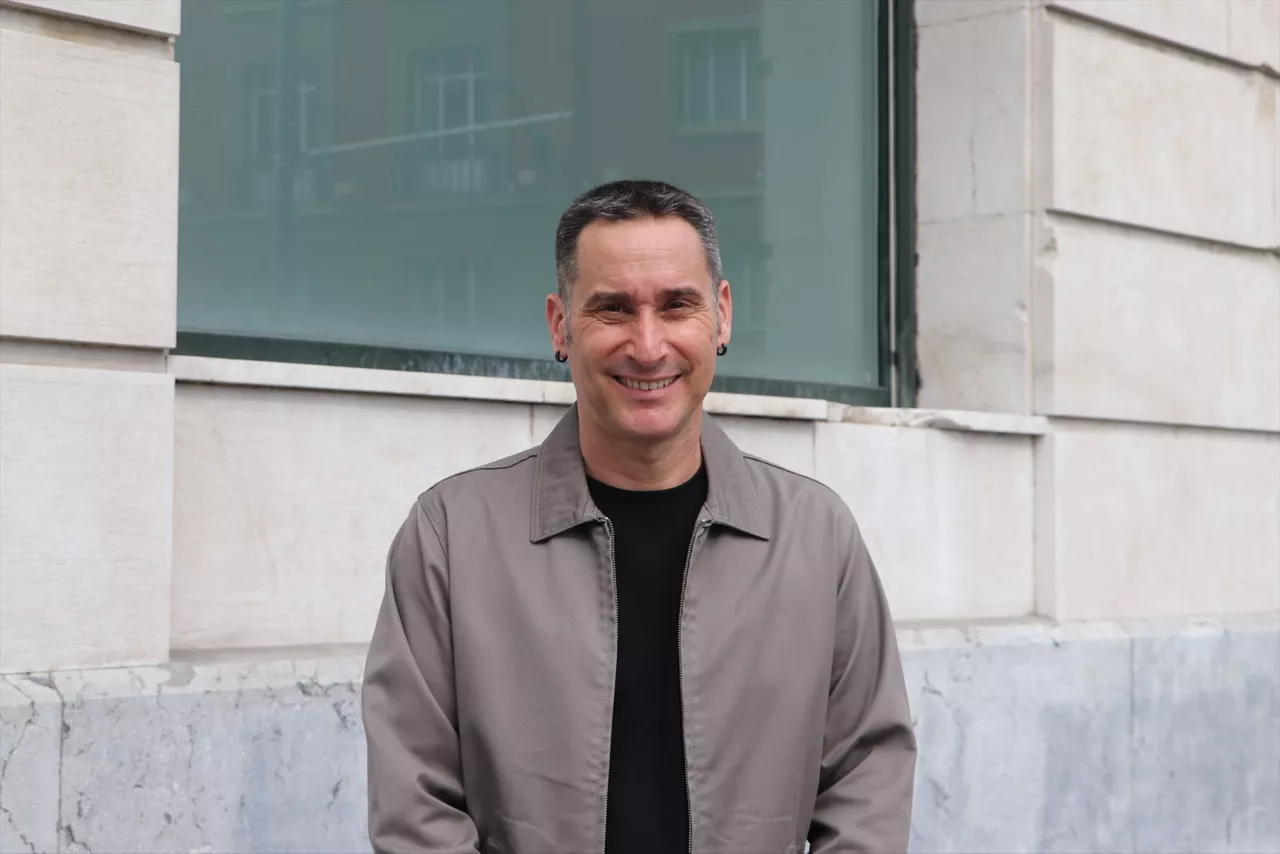
Iker Casanova will again be EH Bildu's candidate for Bizkaia's MP
EH Bildu's Bizkaia Political Bureau believes that baracaldés is the right person to represent the project of left-wing sovereignty.
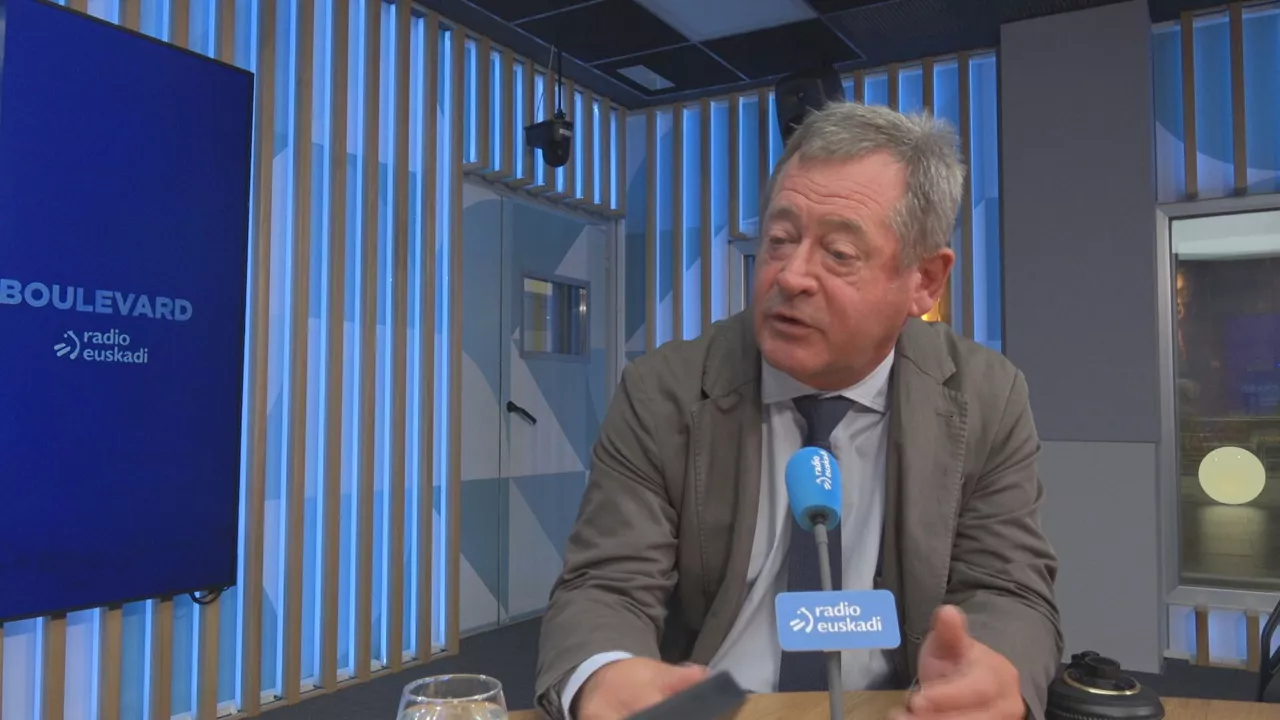
Zupiria believes that there is no political tint in the recent incidents between young people and the Ertzaintza
The Security Adviser of the Basque Government, Bingen Zupiria, has linked the incidents to young men, the consumption of alcohol and other substances and the "disinhibition" of night leisure. Asked about Ceuta, he regretted that Morocco was not asked to "assume its responsibility".