
The National High Court will investigate the migration crisis in Ceuta, as well as the "favourable attitude" of Morocco
Judge Maria Tardón, who has taken over the investigation into the events of 30 and 31 July, states in her order that the Moroccan armed forces made no special effort to stop the migrants, even accusing them of acting as "active guides".

Ceuta's El Trampolin beach, full of migrants, the day after the crisis.

Judge María Tardón of the National High Court (AN) has taken overthe investigation into the migration crisis in Ceuta at the end of July and referred to Morocco's "permissive and favourable" attitude to the trial, in which 140 people — 83 in Spanish waters — died.
In his order to assume the competence to investigate what happened, Tardón explains that it was "an alleged criminal conduct committed abroad that seriously attacked the territorial integrity of Spain and violated the lives and rights of Ceuta's neighbours."
For the judge, "it has become apparent that the Kingdom of Morocco had clear andunequivocal management in favour of the trial ", eta and that the behaviour of the Moroccan security forces was" graphically verified ".
In his car, Tardón cites the report of the National Immigration and Border Centre of the Spanish police, which states that the events of the end of July were not spontaneous and considers that the Moroccan forces "guided" the migrants .
It became apparent that uniformed officers had instructed those who were illegally crossing the border to overcome obstacles and reach Fnideq Beach in Castillejos, Morocco, and direct them into the water.
In addition to those dressed as policemen, the judge points out that there were people who were dynamizing and driving migrants, and that sometimes they were instructed by uniformed officers.
In the first phase, Moroccans aged 15 to 25 with neoprenes and fins entered, in the second phase, families and children in sportswear and without any equipment, and in the third phase, people with first-stage characteristics crossed the border.
He will also investigate the response to the alert.
The judge will also investigate the response to the crisis, the information provided and the alerts sent.
Tardon has detected different levels of responsibility, but for the time being he has not identified those responsible by name and surname. He has placed the migrants who crossed the border on a first level; the migrants who were harassed on social media; the migrants on the third level, the agents who led the migrants and the ununiformed people. He has also mentioned a fourth level in the car and included those who organised the process.
You might like
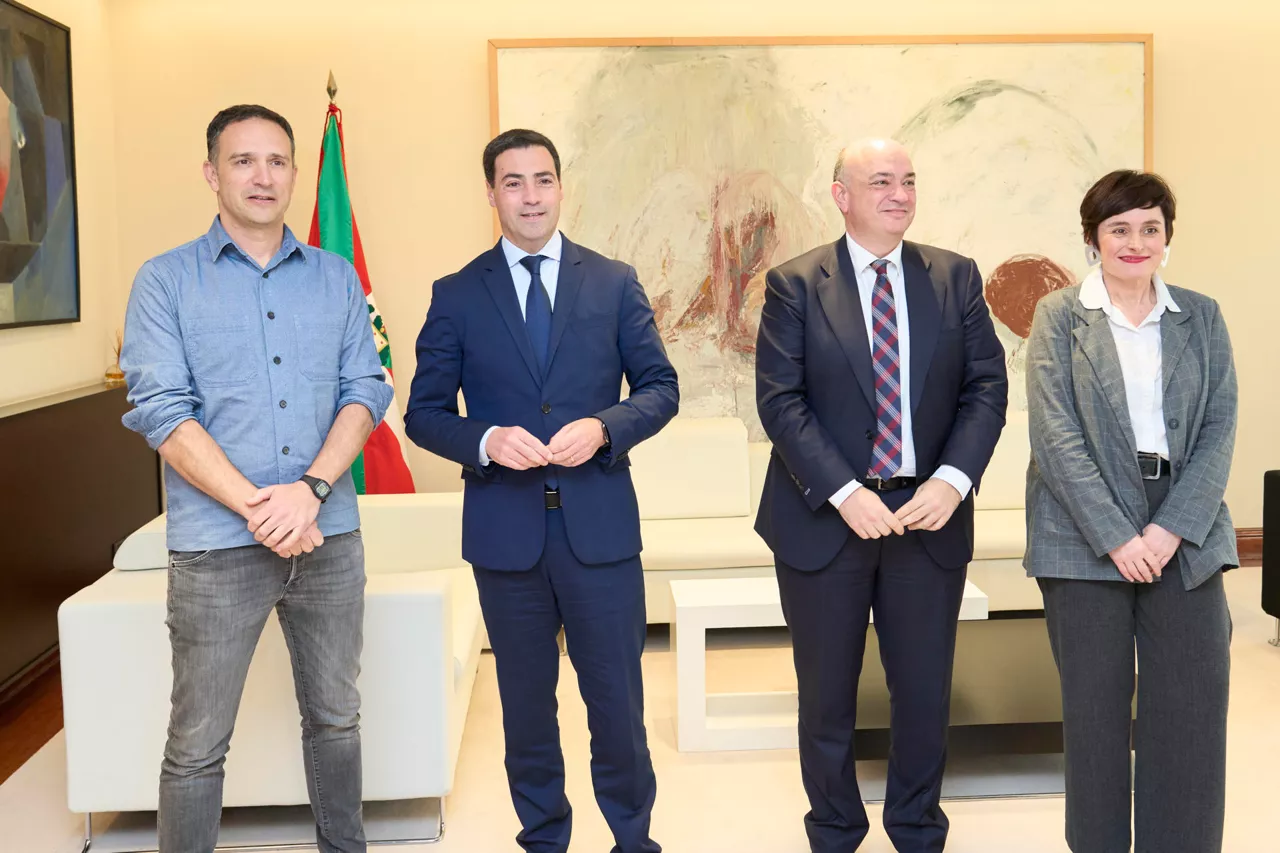
Pradales will take over the union majority, with the negotiation of the minimum wage and the Osakidetza conflict on the table
At 11:00 he will meet LAB General Secretary Garbiñe Aranburu and at 12:30 with Mikel Lakuntza (ELA). The nationalist unions have been very critical of the Basque Government, which they accuse of subjecting Confebask.
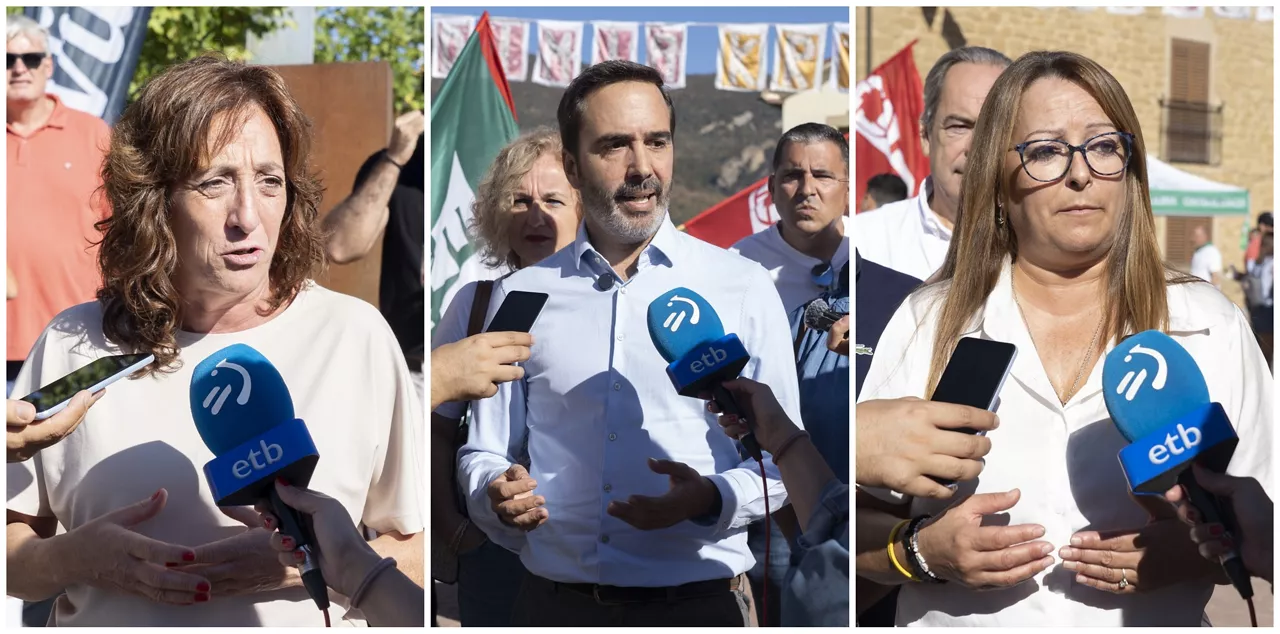
Parties show support for the primary sector and Rioja Alavesa
EH Bildu advocates a "shared" strategy between the sector and the institutions. The Socialists consider it necessary to create "a front of protection of the Rioja Alavesa against climate change." The PP believes that rural areas are "abandoned" and promises initiatives to change the situation.
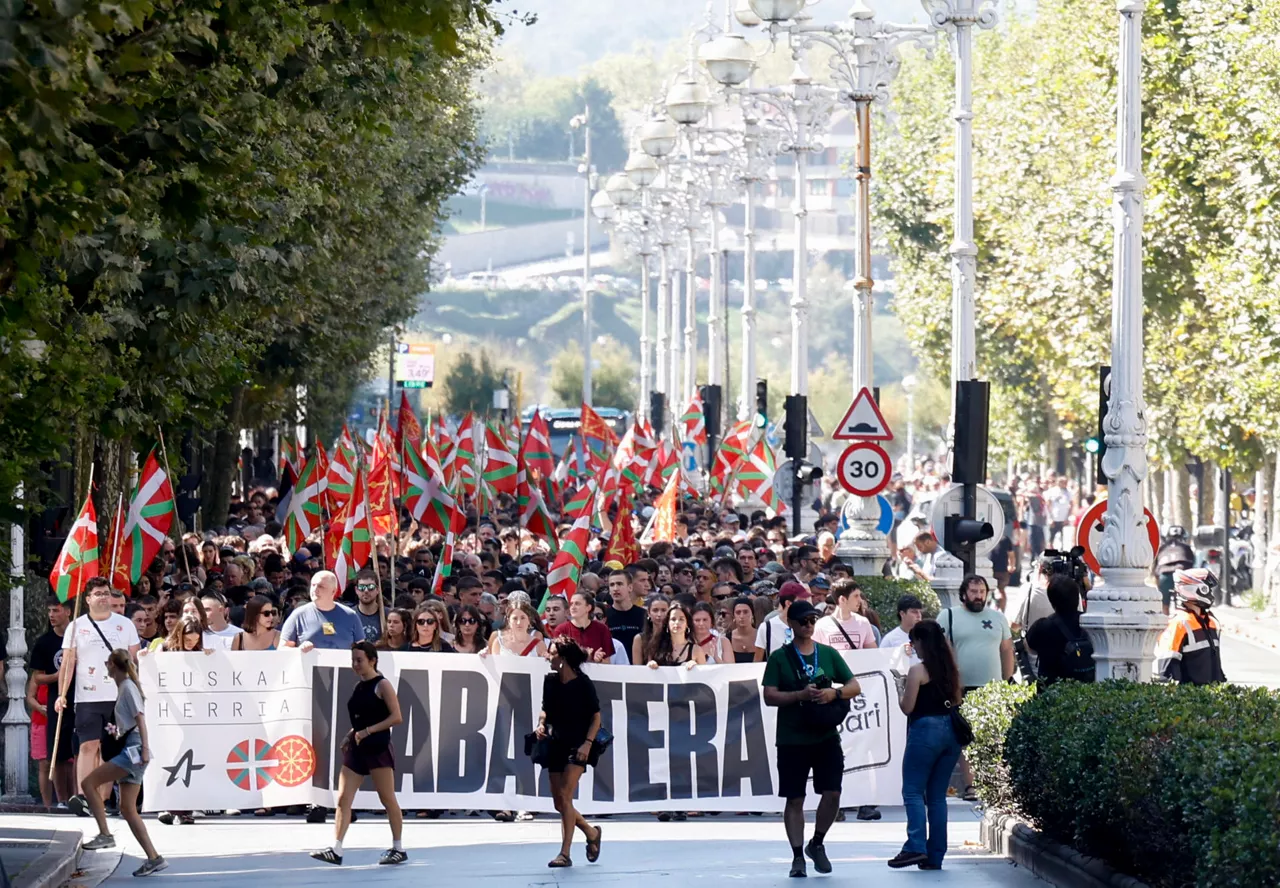
Mass demonstration against fascism in Donostia
Ernai has gathered thousands of people in the capital of Guipuzcoana under the slogan 'Euskal Herria to win'
Minister Rego calls the Autonomous Communities to account for the transfer of migrant minors from Ceuta to the peninsula
The Minister for Youth and Children has explained that there are 2,100 migrant children in the city, many of whom have fled from "very harsh circumstances" such as sexual violence or forced marriages.
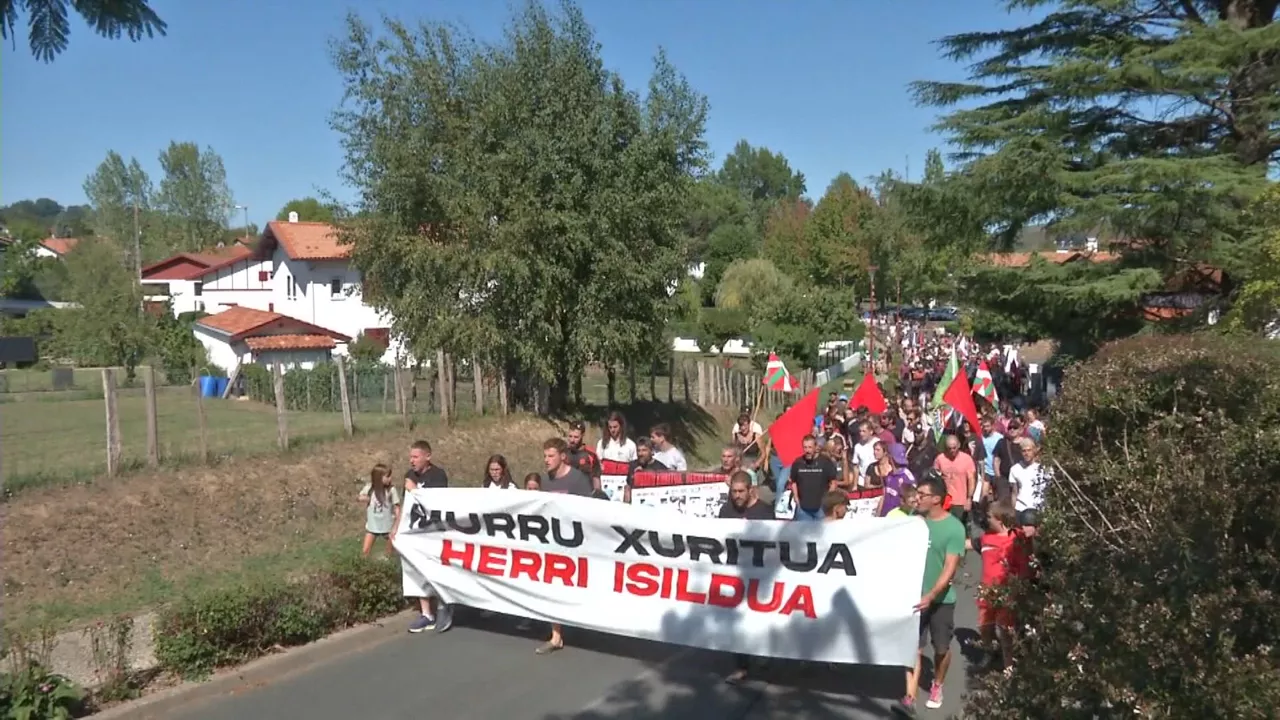
Demonstration against the order to erase the mural in memory of a member of Itsasun, Iparretarrak
After the French government delegate ordered the removal of the mural of a former member of the Iparralde armed group, hundreds of people in Itsasun, Lapurdi, took to the streets today to strongly criticize this decision. It is unclear when the City Council will remove the painting depicting Txomin Olhagaray, a member of the Iparretarrak group.
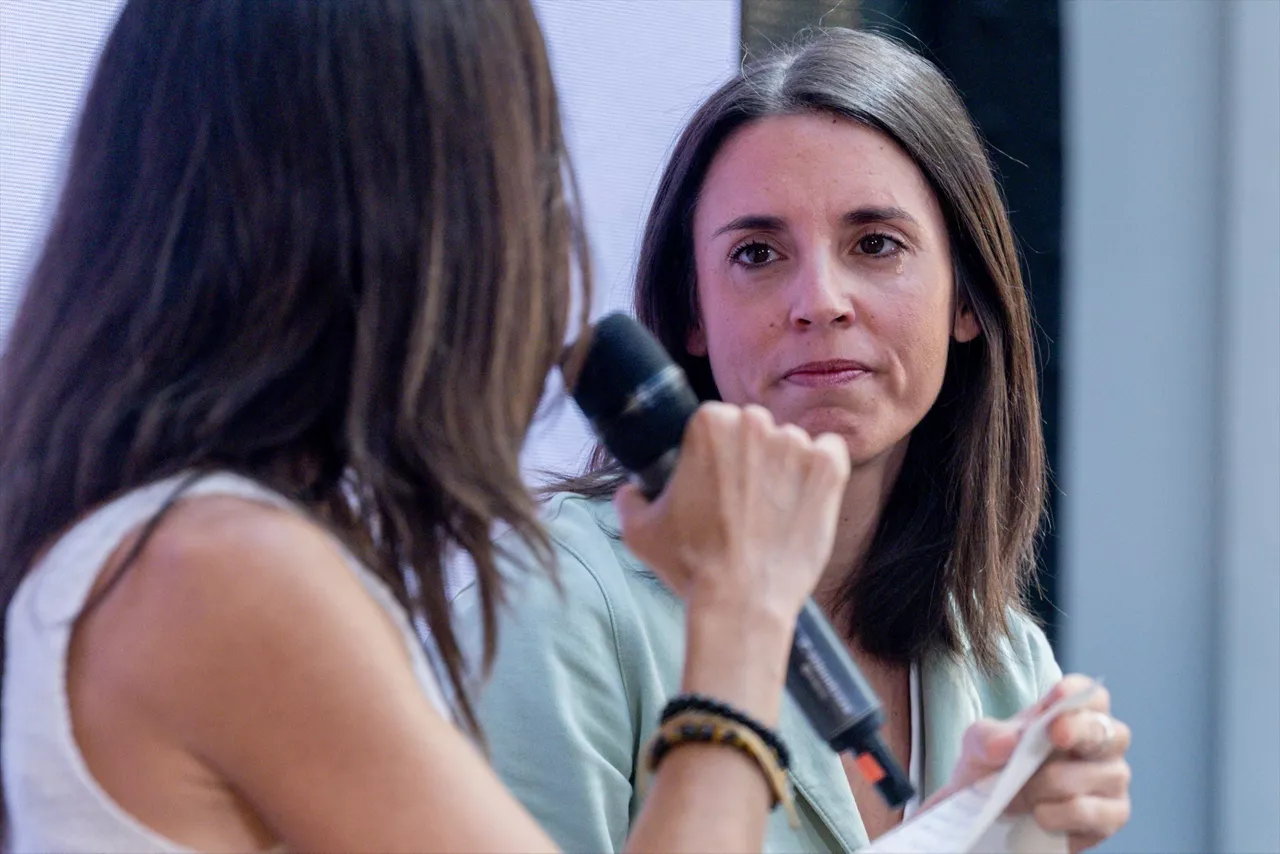
Irene Montero to run for open primary to run for Podemos in general election
The former minister wants to lead the alternative left in a context where the coalition of Sumar, IU, Mas Madrid and Comuns still has no candidate.
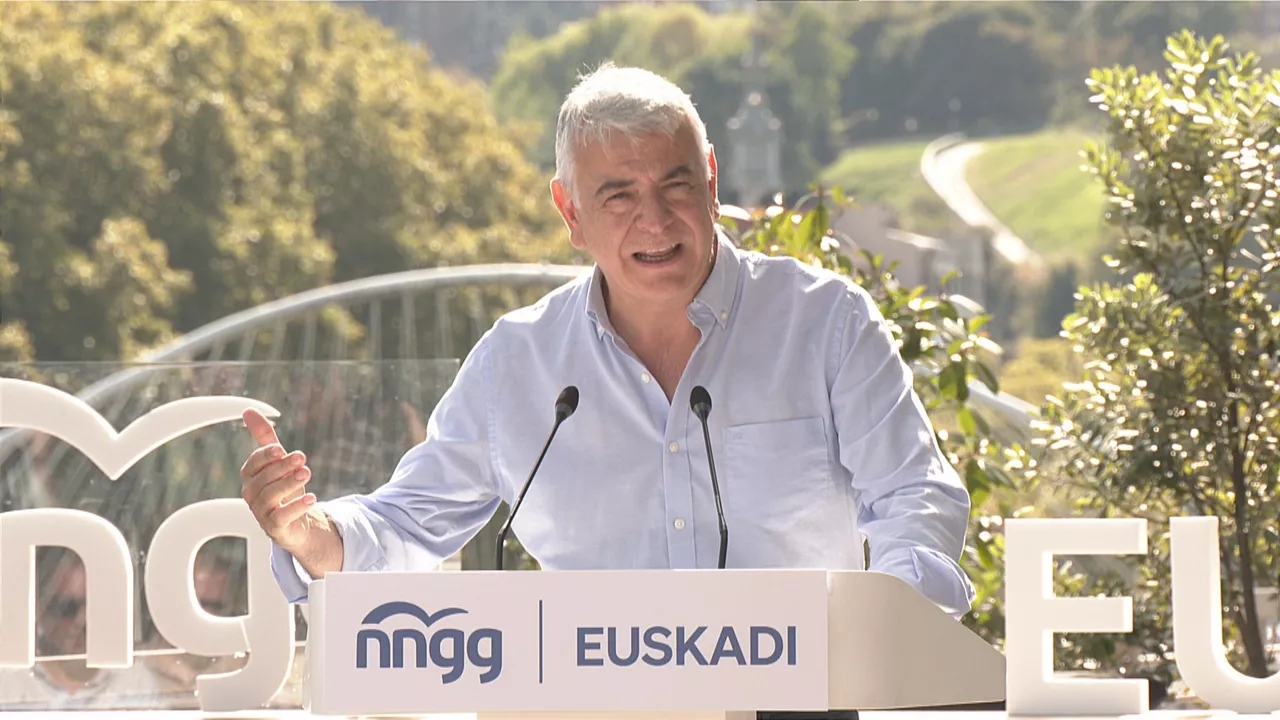
Javier de Andrés, president of the Basque PP, criticizes the prison policy of the Basque Government
The president of the Basque PP, Javier de Andrés, participated on Saturday in Bilbao at the end of a day organised by the New Generations of his party in which he criticised the prison policy of the Basque Government and reproached the former leader of ETA Henri Parot for having awarded him the third degree.
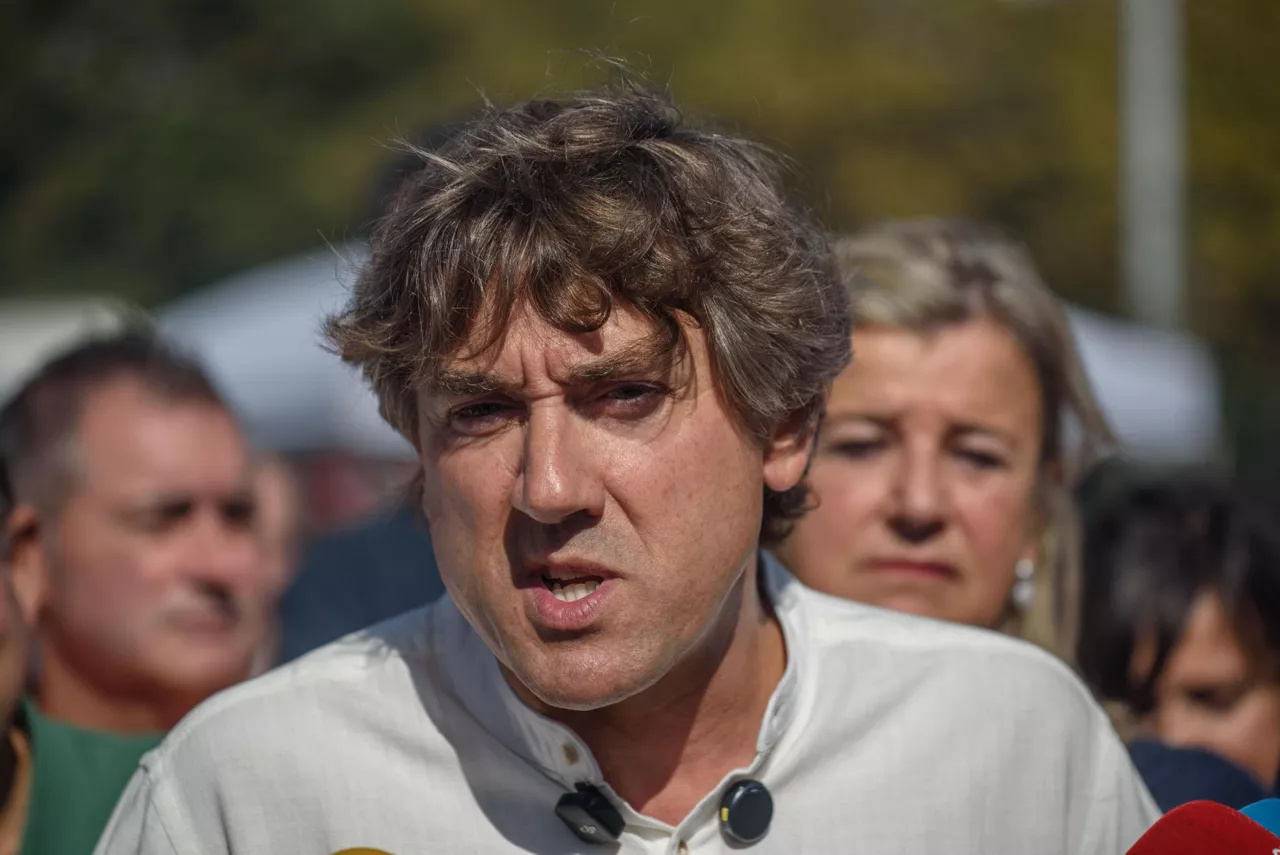
Eneko Andueza, PSEE-EE: "Let's move on to social priorities"
The leader of the Basque socialists, who has participated in the Iron Festival in Abanto, has made statements to the media gathered there, explaining that his party will prioritise social priorities over identity priorities.
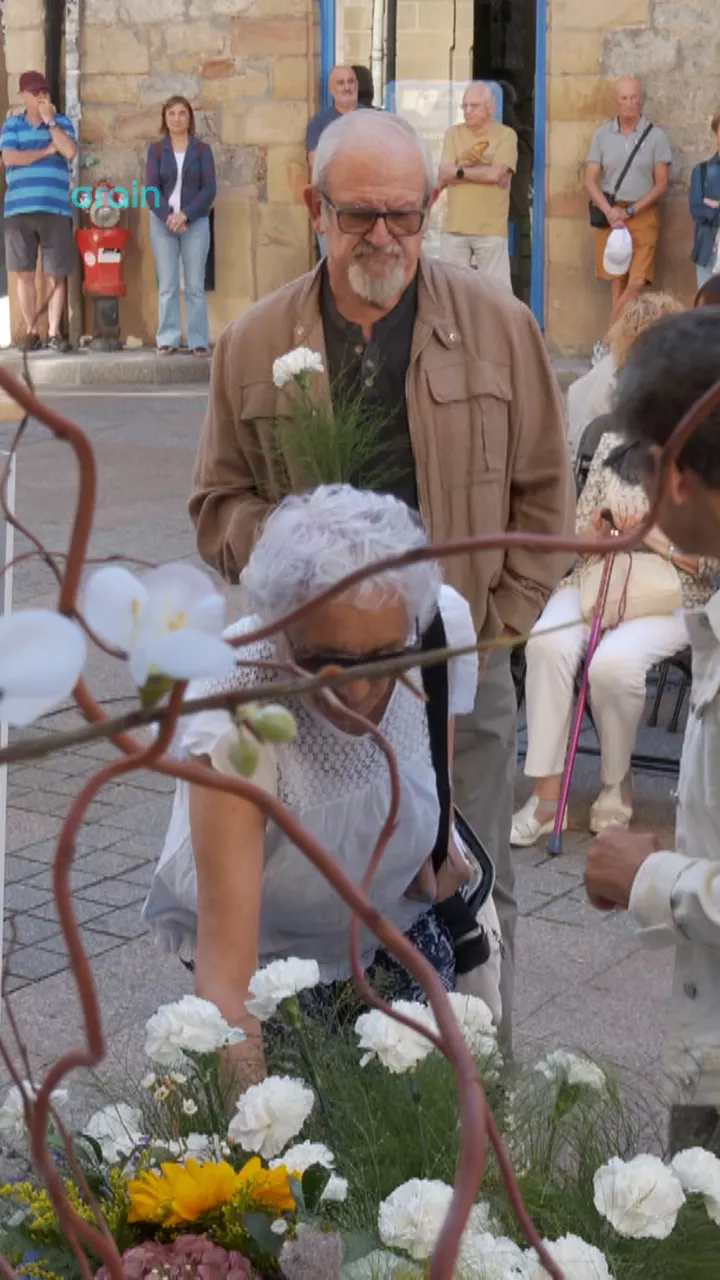
On the occasion of the 90th anniversary of the occupation of Errenteria by Francoist troops, the City Council held an event
Colonel Beorlegi's troops forcibly entered on 13 September 1936, and today, in memory of the events and the subsequent massacre, a floral offering and a minute's silence were held, organized by the City Council.
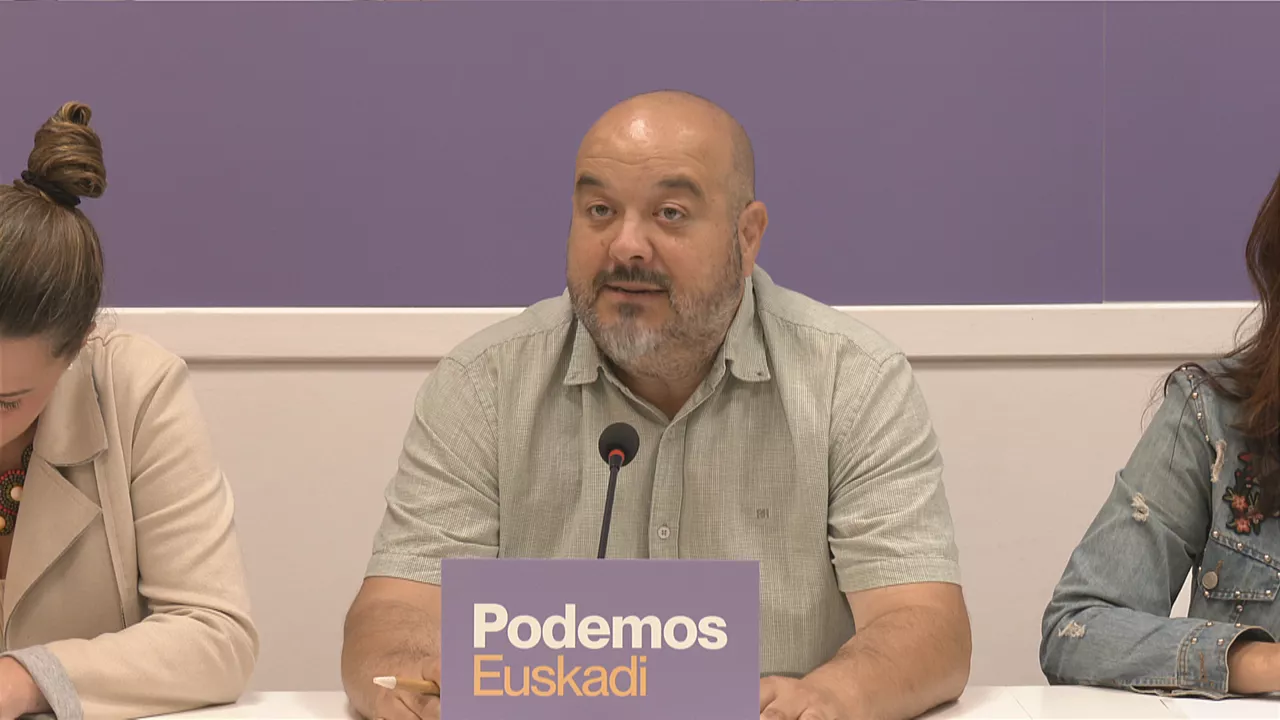
Richar Cowboy: "We will continue to work for the unity of the left"
The General Coordinator of Podemos Euskadi, Richar Vaquero, opened on Saturday the political course of the Autonomous Citizens' Council of the party, at which he stated that Podemos wants to build "a bloc capable of uniting, illusioning and transforming the Basque reality".