
On 6 October, a trial will be held in Donostia-San Sebastián to find out that warrior Txomin Letamendi was tortured
This is the first time that a procedure of this nature has been conducted in the Basque Country through "voluntary jurisdiction" for serious human rights violations. This process has been promoted by the EGTC with the consent of the family of the warrior and militant Txomin Letamendi, who died on 20 December 1950 under torture by the Franco regime.


On 6 October, a court in Donostia-San Sebastián will host a historic processof"voluntary jurisdiction" promoted by the Basque Observatory for Human Rights (OVHH) and the family of Txomin Letamendi Murua. This unprecedented outbreak is intended to officially certify the death of Letamendi, 76 years later, a PNV militant and combatant under the supervision of the Franco police.
As this is a voluntary judicial procedure, the trial does not seek the criminal prosecution of the already deceased offenders, but seeks the "final confirmationand judicial certification of facts which no one questions "and which do not give rise to controversy, so that they receive the consent of a judge.
The Observatory notes that the case of Letamendi is "paradigmatic" in relation to what the phenomenon of torture and imprisonment would entail in the Spanish State for the next seven decades. Aranco was resistant to the regime and tortured in both San Sebastián and Barcelona. He was sentenced to five years in prison in a court-martial for the crime of conspiracy to rebellion.\The physical and psychological deterioration suffered by the interrogations of the police station and the imprisonment of Guadalajara.
Recognition and legal protection
The procedure is protected by Act No. 9/2023 of 28 September 2023 on the Historical and Democratic Memory of the Basque Country, which regulates the right to truth and reparation. The Observatory recalls the institutional recognition of Letamendi's status as a victim, and the President himself participated in the official act of recognition held in Bilbao on 22 December.
However, at the hearing on 6 October, a final step is being taken to ensure that the facts are legally confirmed and validated by the justice system itself.
Court action, first step
Before proceeding in this way, the ECHR filed a criminal complaint under the Democratic Memory Act, a rule that declares these crimes "imprescriptible and non-amnesty. "Examining Court No. 5 of Donostia-San Sebastián initiated an investigation into the case and the facts that were admitted to trial, without automatically supporting them under the 1977 Amnesty Act.
However, this criminal procedure was finally dismissed when it was proved that the Francoist policemen involved, Fernando Escudero and José Nogues Recio, had died, since, according to the law, when someone died, their criminal responsibility was dropped.
This decision made it clear that these crimes can be legally investigated (since proceedings were authorized to clarify what happened), which is an important precedent for the trial of torturers who are still alive today.
Censorship in documentation
The case of Letamendi was also marked by institutional obstacles. The Historical Archive of the Ministry of the Interior initially sent "documentation fullof drafts and censorship ", according to the Observatory, instead of giving its file in its entirety.
The ECHR considers it clearthatthe Spanish State "has covered up the crimes" committed under its auspices and has granted "absolute impunity" to those responsible. They denounce the fact that judges are "turning a deaf ear"to the Memory Act, which" denies the trials of Francoism "under the old Amnesty Act of 1977.
"The facts are clear: of the 155 complaints filed in the Spanish State, only seven have been admitted, of which two have been brought by the EGTC," they said.
You might like
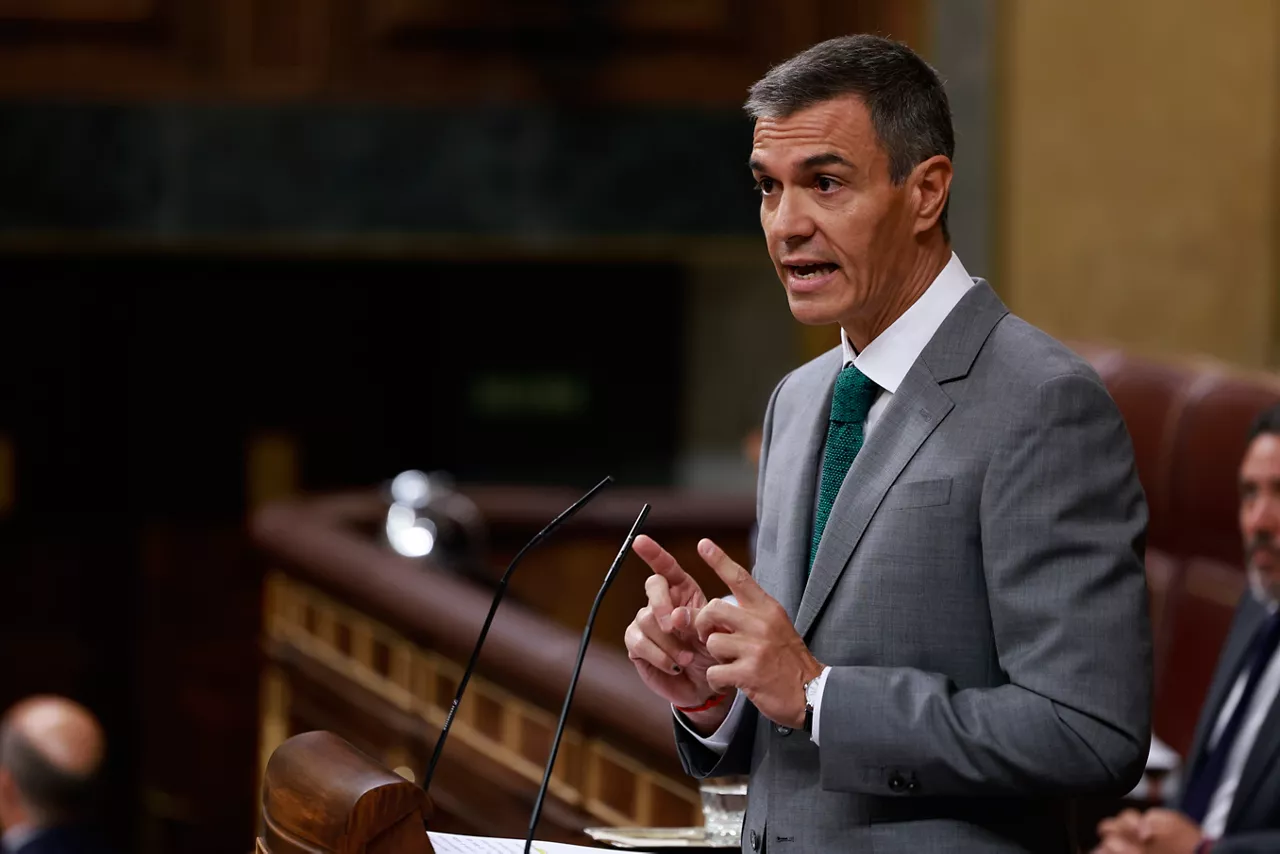
The PSOE would win the general election according to the CIS poll, despite falling two points after the Ceuta crisis
The September CIS poll predicts that the PSOE would get 31% of the vote, the PP 25.5% and Vox 16.6%. The People's Party would go down four tenths, while the far-right would go up 1.3 points. EH Bildu would stay ahead of the PNV with 1.3% and 0.7% respectively.
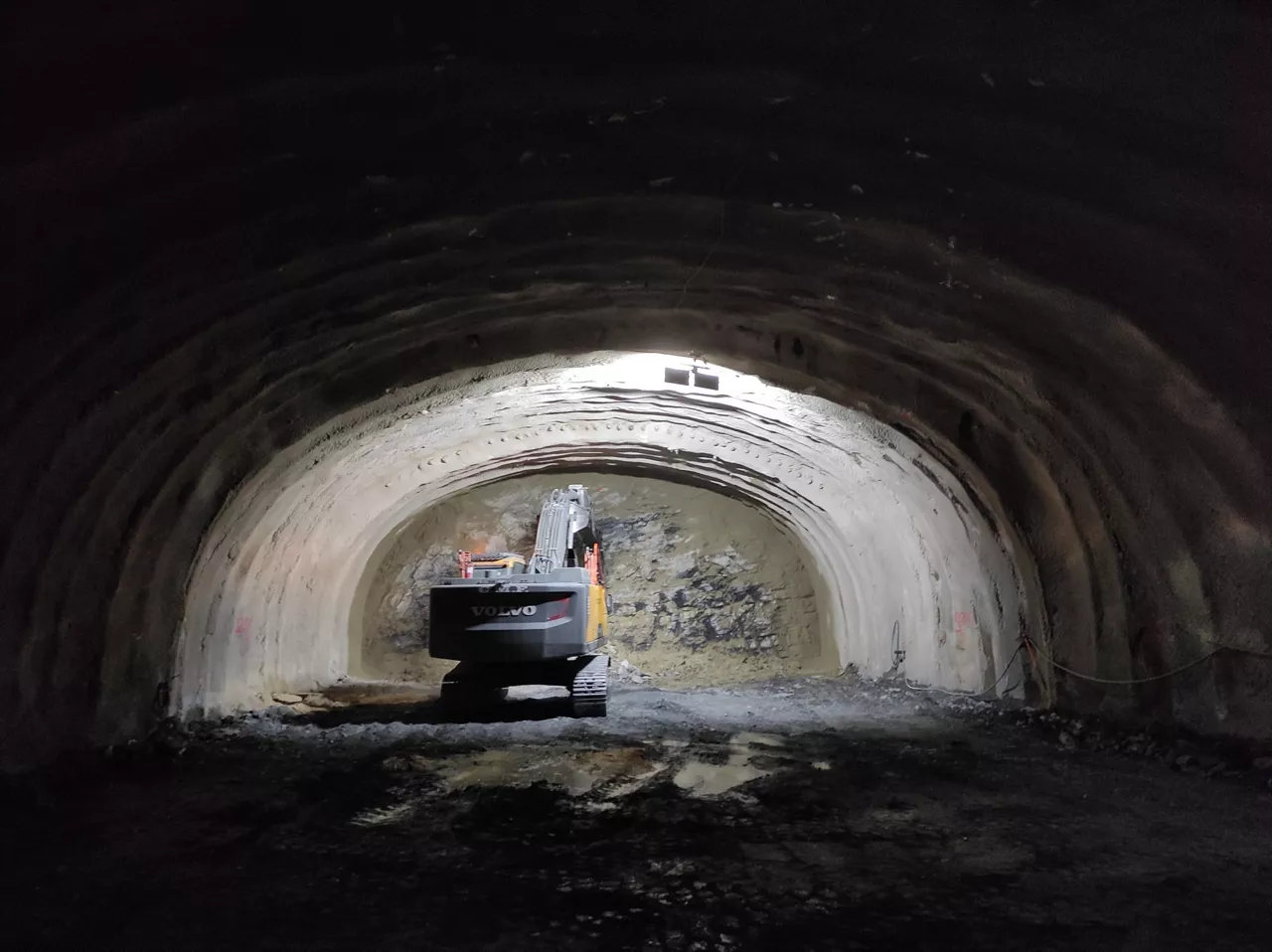
Chivite will appear in Parliament on Wednesday in connection with the stoppage of works in Belate
The Bureau of the House has set an urgent session at the request of several opposition groups, with the work completely paralysed and the payment of the 8.5 million extra cost legally blocked.
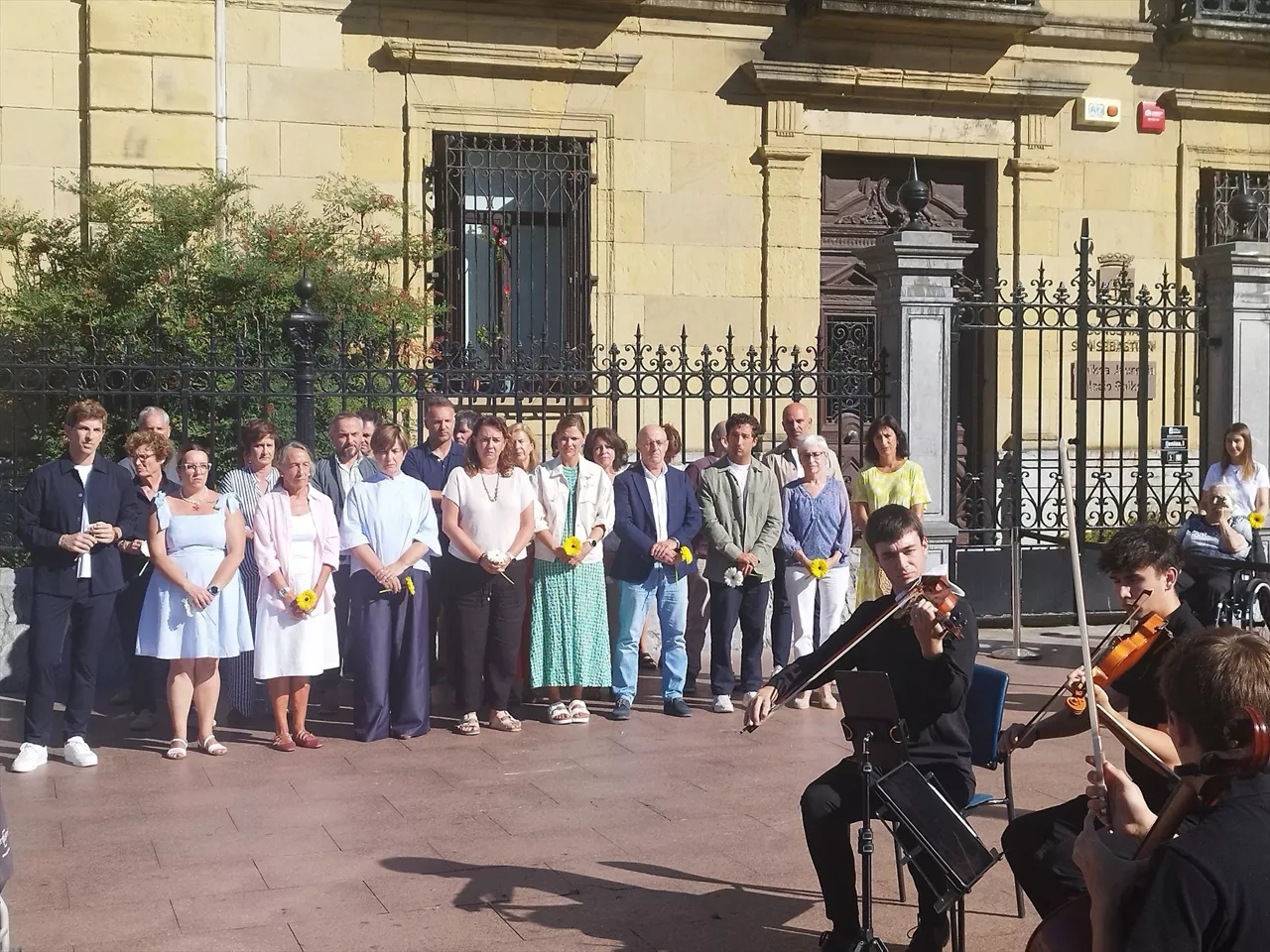
San Sebastian honours the victims of Francoism with a floral offering on Historical Memory Day
Mayor Jon Insausti stressed at the event that "San Sebastián is a benchmark in democratic memory" and reiterated his commitment to recognize and compensate those who suffered violence, repression and exile as a result of war and dictatorship.
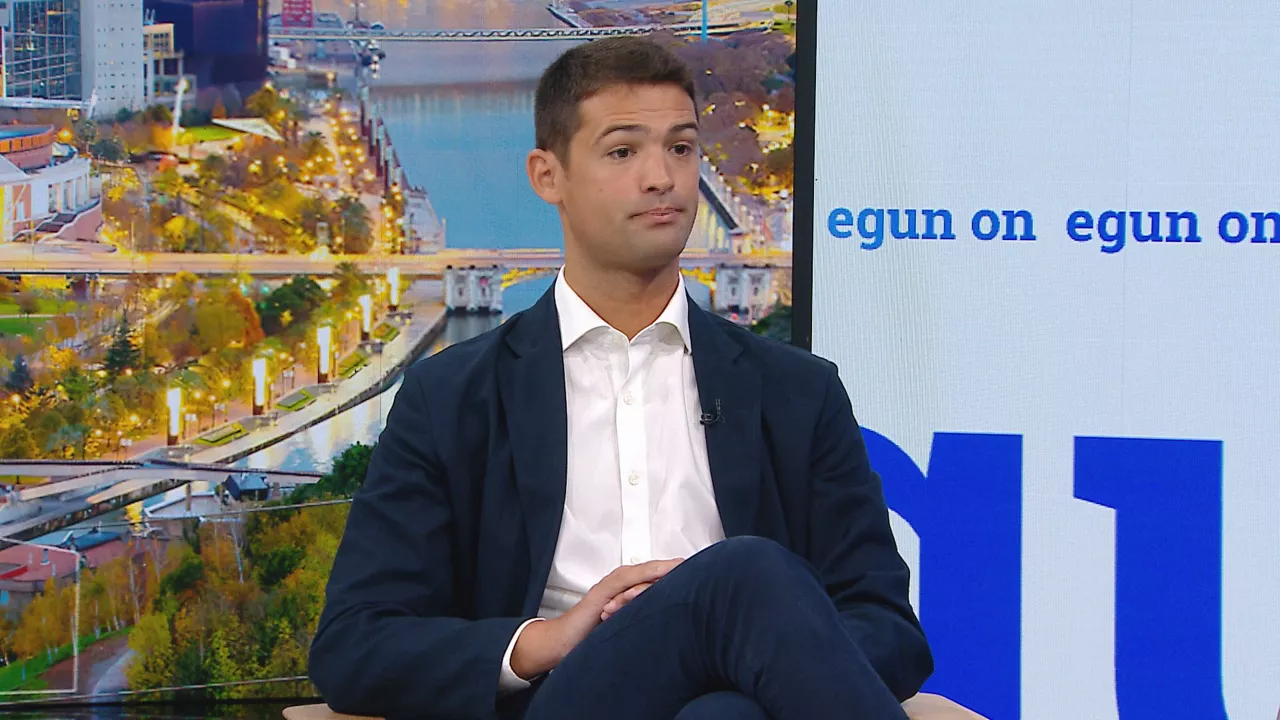
Diez Antxustegi calls for an in-depth analysis of security, moving away from scaremongering
Interviewed in the "Egun on Euskadi" programme of ETB1, the spokesman for the PNV in the Basque Parliament, Joseba Díez Antxustegi, has stated that it is necessary to hold the monographic meeting requested by the PNV and the PSE.
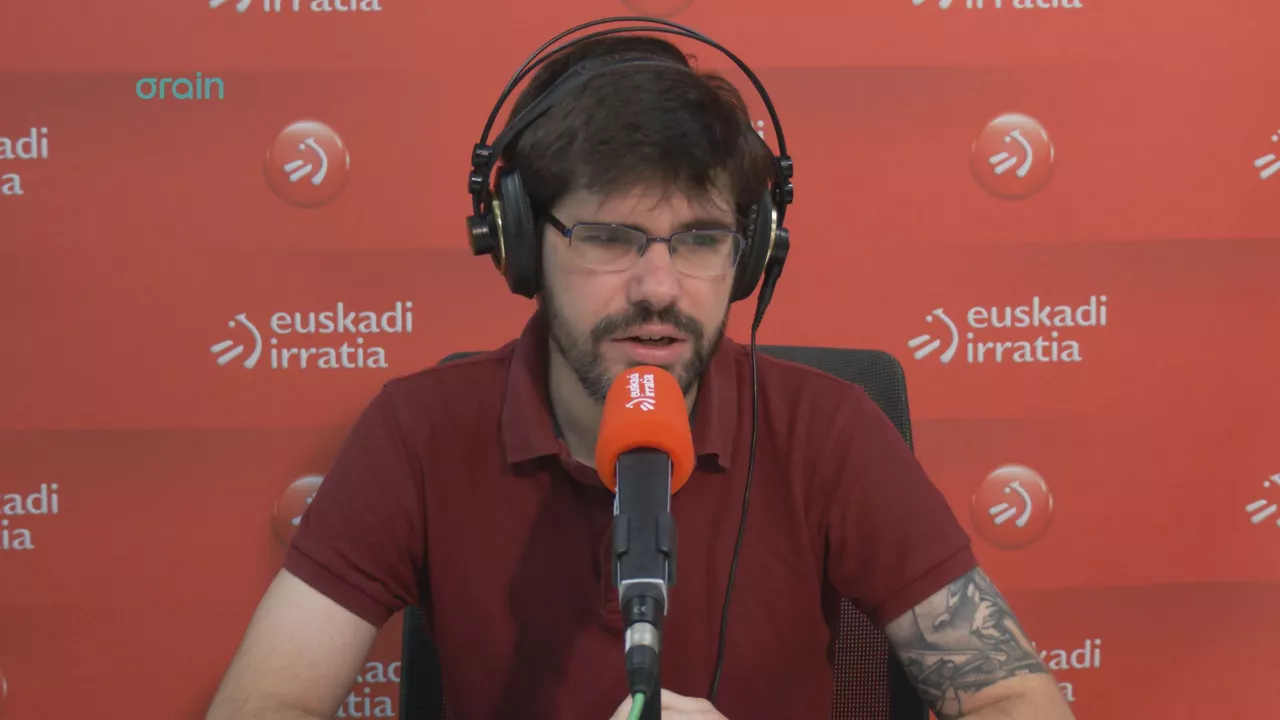
Lander Martinez: "It's true that budgets have to be presented, and we're going to stand firm on that."
"If the budgets do not go ahead, we will have to think about what to do, but we are in a position to deal with the things we take forward until July," he said.
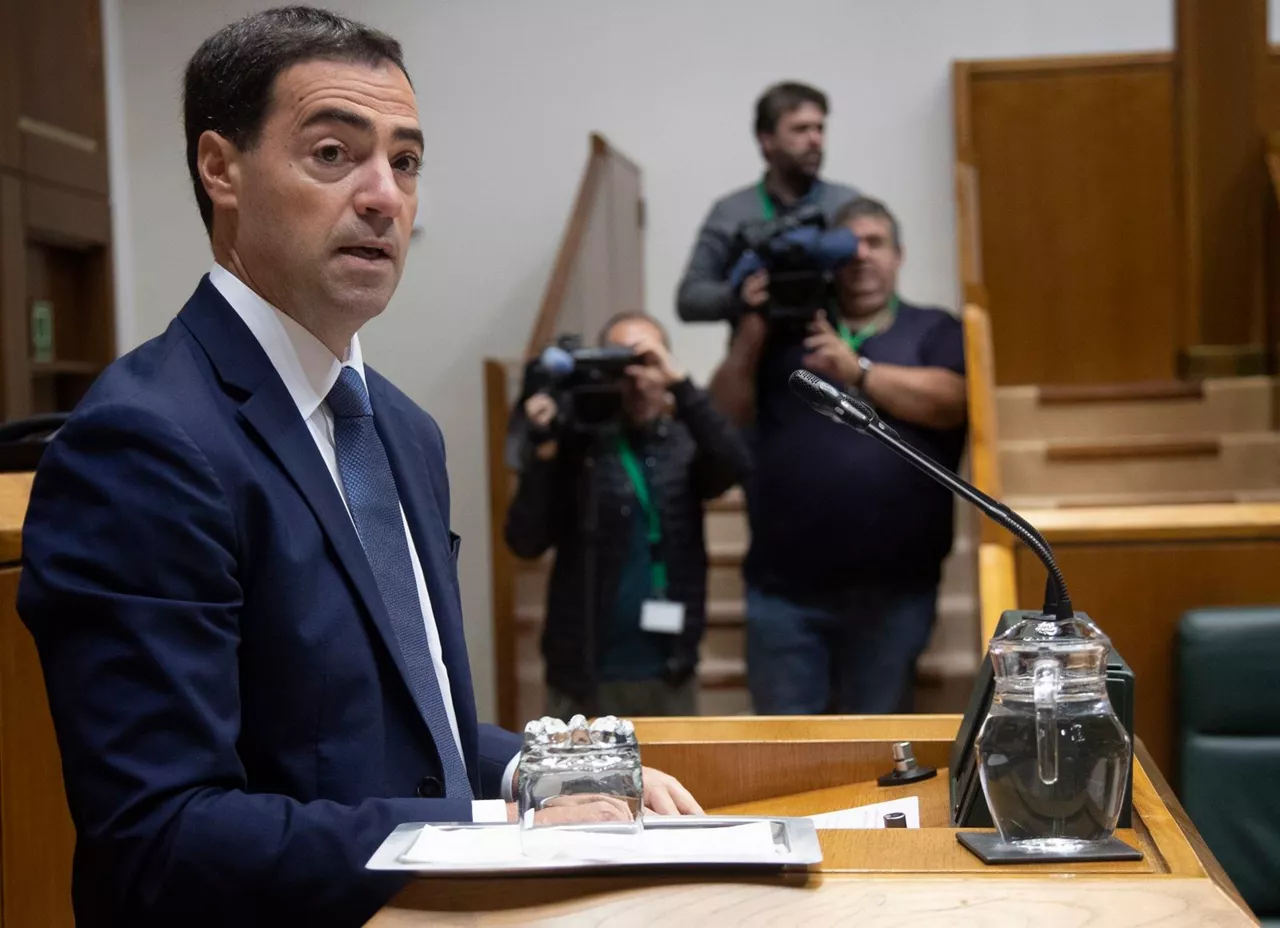
Pradales will demand "accountability" from the parties on Thursday to address international uncertainty
The President will place the plenary of general policy in the context of geopolitical conflicts, inflation and technological transformation and will defend the Basque model as a means of strengthening public services, the economy and well-being.
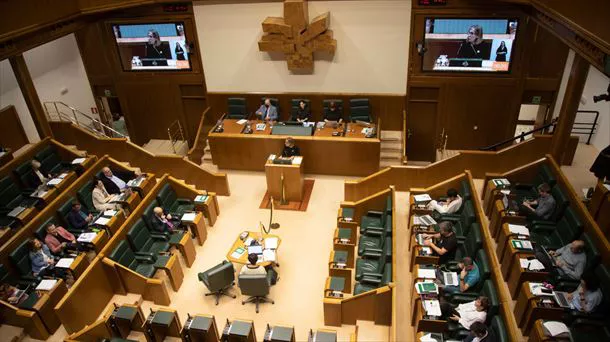
The General Policy Plenary of the Basque Parliament, live
From 09:30, the Basque Parliament will hold a plenary session to open the political course.
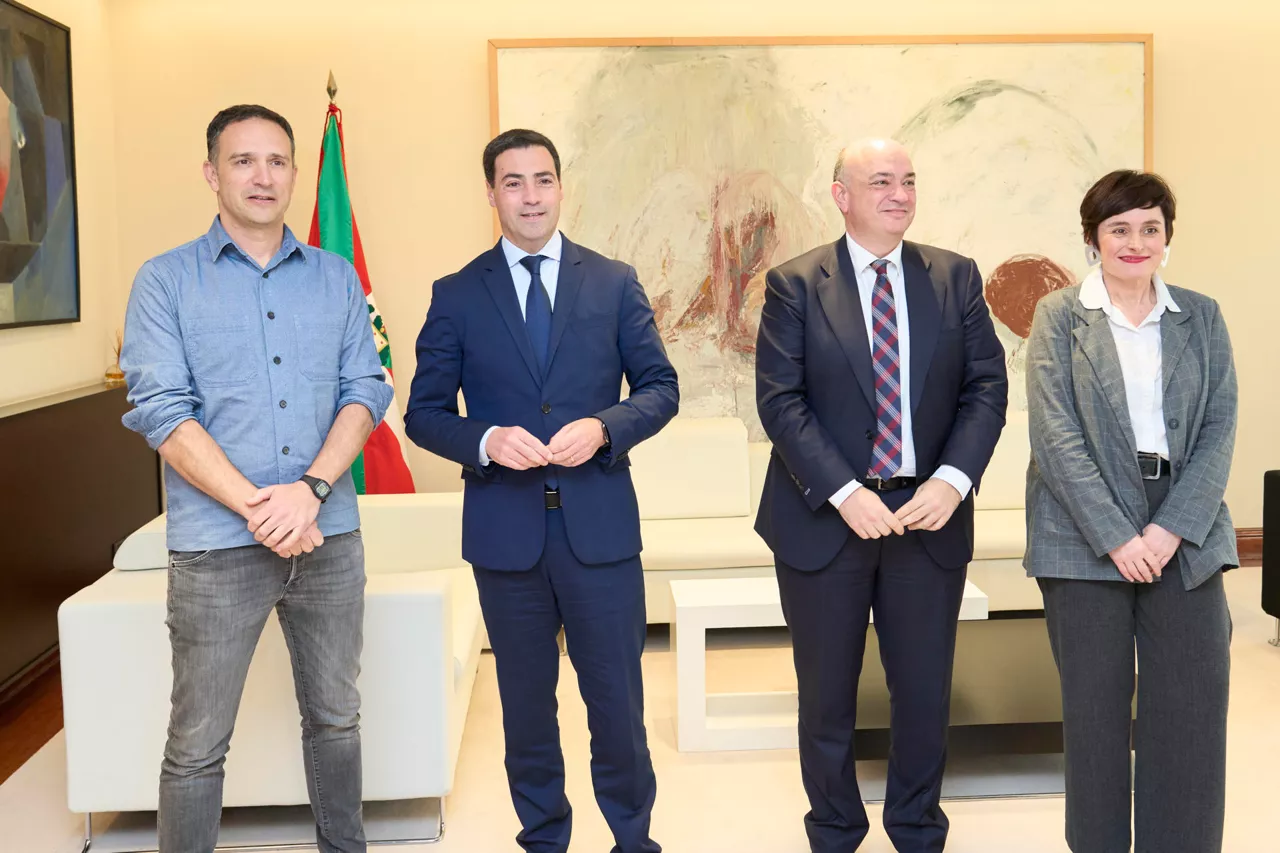
The president will meet with ELA and LAB, the opposition wins in Sweden and the presentation of the Basque Film Gala
In two words, a summary of what will be news of the Present today.
Pradales will take over the union majority, with the negotiation of the minimum wage and the Osakidetza conflict on the table
At 11:00 he will meet LAB General Secretary Garbiñe Aranburu and at 12:30 with Mikel Lakuntza (ELA). The nationalist unions have been very critical of the Basque Government, which they accuse of subjecting Confebask.
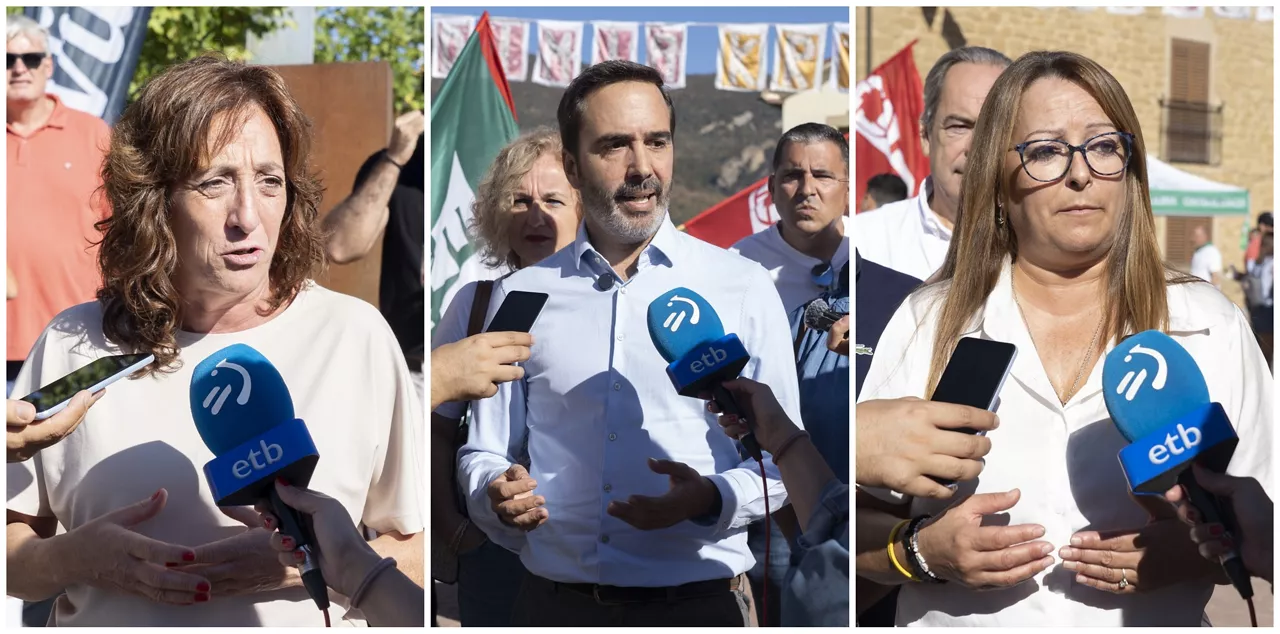
Parties show support for the primary sector and Rioja Alavesa
EH Bildu advocates a "shared" strategy between the sector and the institutions. The Socialists consider it necessary to create "a front of protection of the Rioja Alavesa against climate change." The PP believes that rural areas are "abandoned" and promises initiatives to change the situation.