The new Basque Country Industrial Plan aims to mobilise EUR 15.9 billion to create quality jobs
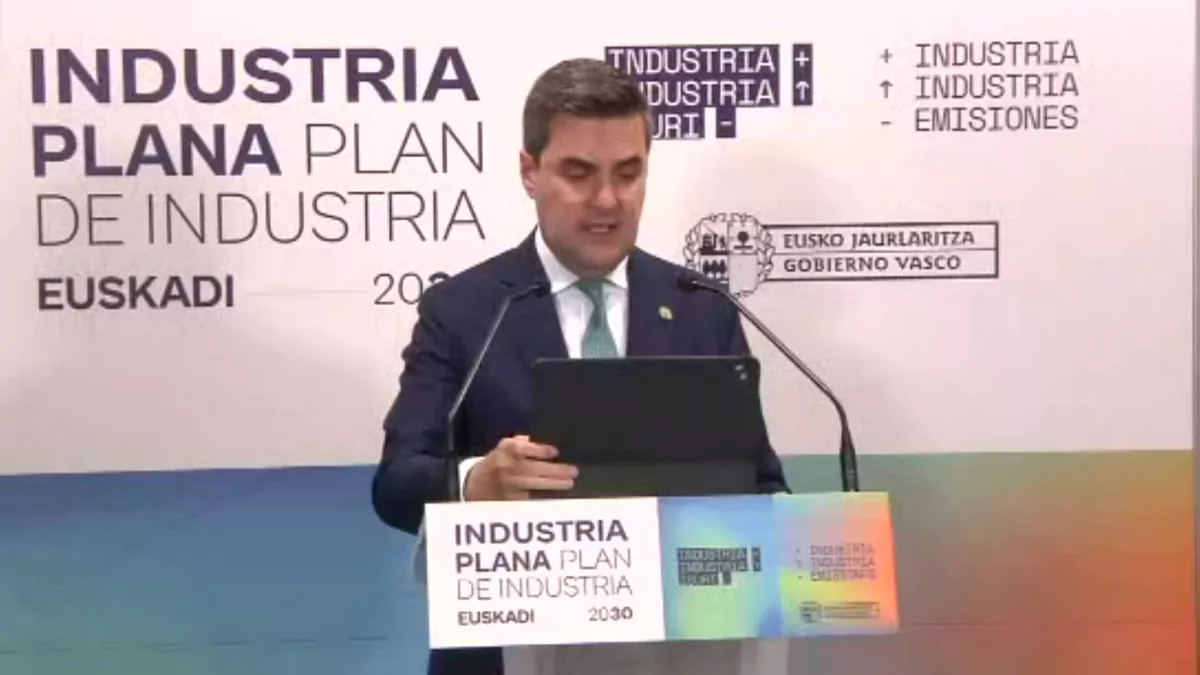

Within the framework of the new Basque Country Industrial Plan, the Basque Government will invest EUR 3.9 billion in this parliamentary term and aims to obtain another EUR 12 billion from the private sector, which means mobilising a total of EUR 15.9 billion.
Thus, the public/private resources allocated to the promotion of the Basque industry will grow by 50%, but the aid programmes will be halved. There will be fewer programmes, but each of them will receive more money. The Basque Government presented this morning in Mungia the Industrial Plan that it has drawn up until 2030 and which has been attended by, among others, the Industry, Energy Transition and Sustainability Adviser, Mikel Jauregi.
According to Jauregi, the main objective of the Industry Plan is to lay the foundations for creating quality jobs for future generations: stable and well-paid employment.
The Industrial Plan also provides for the development of 20 transformative projects whose leadership will be shared equally between the public and the private.
The Industry Plan is based on three main axes: more industry, better industry and less emissions. The Basque Government also wants to reduce investment time by 30% in decarbonisation.
Strategic sectors and transformative projects
The new Industrial Plan is committed to strategic sectors that are currently tractors, such as automotive, sustainable mobility, advanced production and metallurgy, as well as prioritizing investment in potential sectors of the future.
Among the Basque Government's 15 priorities are to consolidate businesses, attract foreign investment, develop new talent, attract women to industry and, decarbonize, increase the size of small and medium-sized enterprises and boost artificial intelligence.
The new Basque Industrial Plan, developed by the Basque Government with the support of public institutions, the European Commission and industrial clusters, business associations and reference companies, will henceforth receive contributions from social, business and economic actors.
You might like
Glovo is accused of having kept the company's distributors working on the streets during the October 3 storm
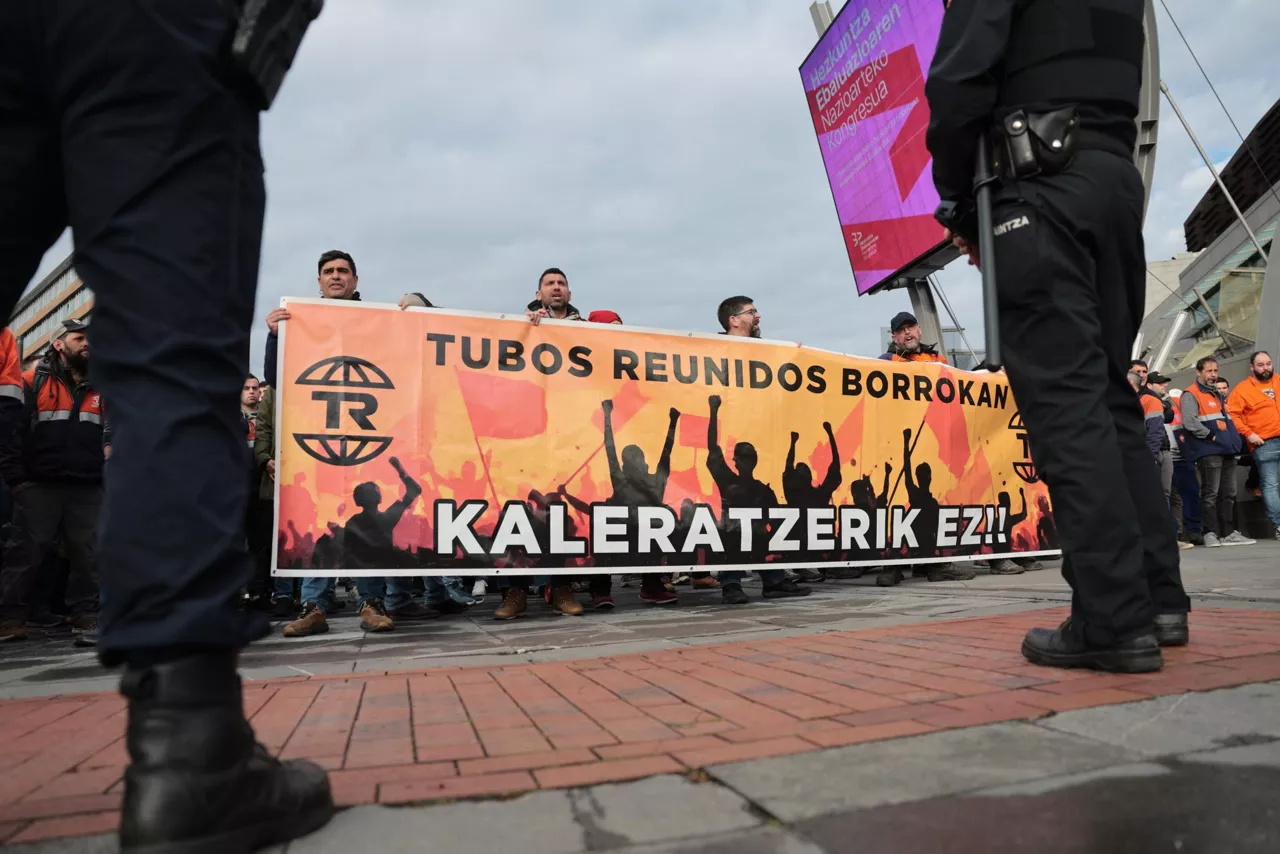
The five investors interested in buying Tubos Reunion will meet with the unions next week

ELA and LAB demand "more leadership" from the government to convene employers to negotiate their own SMI

SpaceX and Tesla are considering merging to create a tech giant backed by Elon Musk

Wine unions announce mobilizations in Rioja Alavesa in search of an agreement

There will be news: the lehendakari meeting with ELA and LAB, the cold front and protests in France

Denis Itxaso advocates new measures to rent empty homes

The average income in the Basque Country increased by 7.2% in 2024, to 28,170 euros
LAB's General Coordinator calls for participation in the November 11 general strike to channel citizens "demands