Cebek calls for collective bargaining incentives to reduce absenteeism
The employers of Bizkaia have called for collective bargaining to be tackled "without impositions" and with a commitment to dialogue, and have advocated the inclusion in the conventions of agreements and incentives (not necessarily economic) that will reduce the impact of absenteeism.

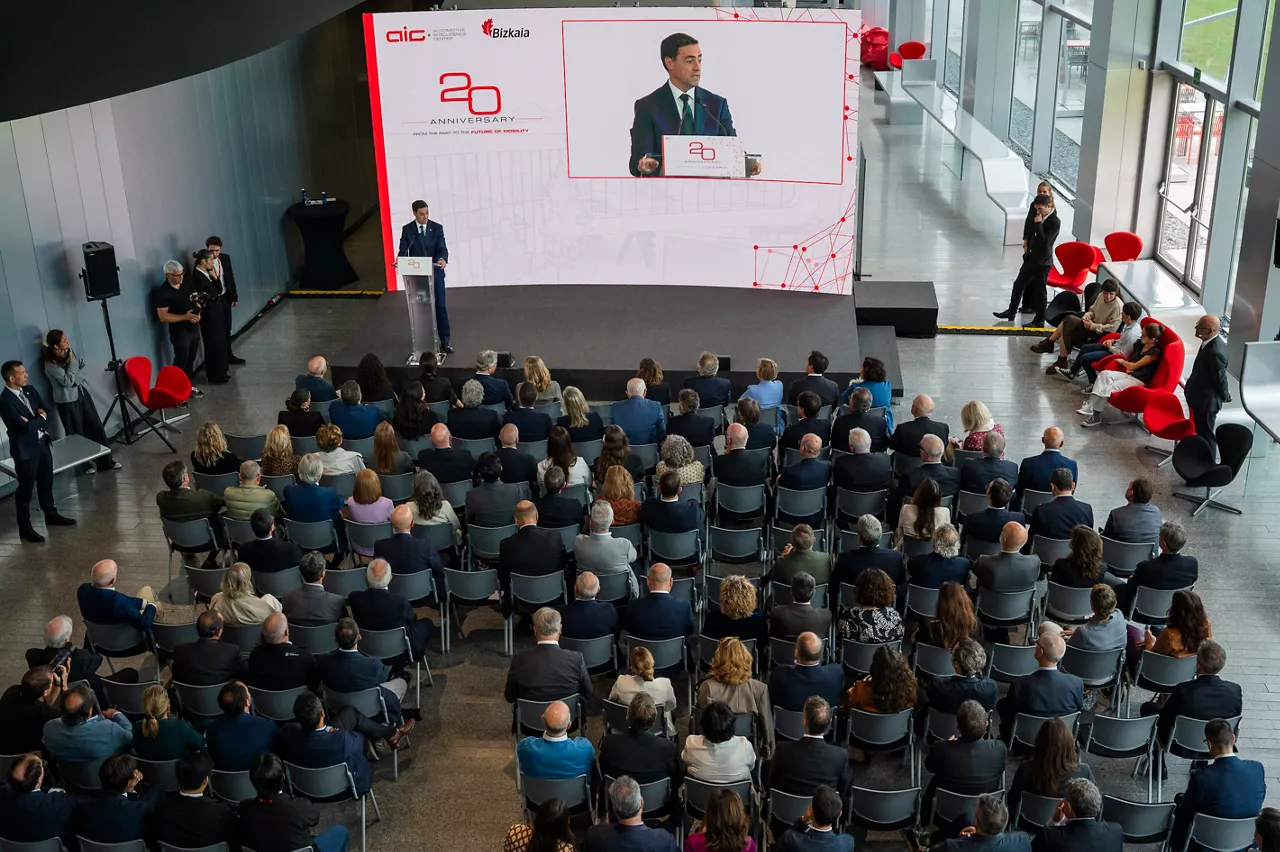
Buces and Azpiazu (downtown) during the presentation of Cebek's 2026 forecasts this Tuesday.

Cebek , the employers of Bizkaia, has called for collective bargaining to reach agreements with the unions to reduce the "high rates" of absenteeism at work, and has advocated agreeing incentives to that end, not necessarily economic ones.
Representatives of the business organisation, led by its president , Guillermo Buces, have highlighted the importance of this year in terms of collective bargaining, in the presentation of the results of the survey of 383 companies conducted in January on forecasts for 2026.
This year, Cebek and his associations in the sector are negotiating 15 conventions out of the 24 sectoral agreements they negotiate, which affect a total of 140,000 workers, including the Bizkaia Metal Convention, which affects some 55,000 workers.
For Buces, this is "an opportunity to modernize collective bargaining" by including in the agreements measures to reduce the impact of absenteeism on companies and "elements to improve organizational flexibility."
The "real" negotiations
Buces has advocated "real" negotiations in which everything can be negotiated, regardless of what was agreed in previous conventions, in order to reduce "rigidities . "
At present, on average, the negotiation of the conventions is being extended for two years, and it is also intended to reduce this period by the head of the entrepreneurs. He has stressed that in this context 'there is plenty of confrontation and conflict, dialogue and agreement are needed'.
According to the data provided, Bizkaia companies lost between 24 and 25 days on average a year due to la-absenteeism, the problem, he said, is widespread, not just in companies, and it is a matter for all parties, according to Cebek's Secretary General, Francisco Javier Azpiazu .
In this regard, the business representative has referred to the inclusion of incentives in agreements to reduce absenteeism as a measure that could be agreed with the trade unions, but has clarified that 'not everything should be linked to financial compensation'.
Recalling what CEOE President Antonio Geramendi said that job losses occur on Mondays and Fridays, Azpiazu said his message is different and stressed the need to address the problem between all parties.
You might like
The five investors interested in buying Tubos Reunion will meet with the unions next week

ELA and LAB demand "more leadership" from the government to convene employers to negotiate their own SMI

SpaceX and Tesla are considering merging to create a tech giant backed by Elon Musk

Wine unions announce mobilizations in Rioja Alavesa in search of an agreement
There will be news: the lehendakari meeting with ELA and LAB, the cold front and protests in France
Denis Itxaso advocates new measures to rent empty homes

The average income in the Basque Country increased by 7.2% in 2024, to 28,170 euros

LAB's General Coordinator calls for participation in the November 11 general strike to channel citizens "demands
The top five offers from Tubos Reunion propose reducing staff and changing working conditions