The Basque Government calls for strengthening biosecurity after detecting cases of swine plague in Catalonia
At the same time, it calls for care, prudence and vigilance for all the agents of the Basque Country linked to the pig sector, which has killed six boars in Barcelona in two days.


Following thedetection of several cases of swine pests in the province of Barcelona , the Basque Government has sent a message of tranquillity to the population. The Department of Food, Rural Development, Agriculture and Fisheries recalls that poses no risk to human health, either by contact with pork or by consumption.
However, the Government has called on all actors involved in the pig sector in the Basque Country to exercise due diligence, prudence and vigilance. Strengthening the cooperation and biosecurity of the entire sector is essential to prevent the spread of the virus. It has also urged people engaged in hunting to comply with these biosafety measures.
Counsellor Amaia Barredo has stressed that "it is essential to strengthen biosafety measures on all pig farms in the Basque Country. Animal health and food safety depend on the collective and responsible response of all actors."
In particular, they urge producers, carriers, distributors and marketers to strictly comply with established protocols.
Six boars die in Barcelona
In the last two days, six bodies of wild boars have appeared in Barcelona, affected by the plague of African pigs, which has not been seen in the Spanish state since 1994. They have already fenced 20 kilometres in the area where the affected animals have appeared, where there are 39 farms.
What's pork plague?
The African swine plague is a very worrying viral disease for the pig sector, which is highly contagious among the European boar, the African fakokero and the pigs of livestock, but it does not affect humans and is not contaminated even by the consumption of pork products.
You might like

The TSJPV has ruled that the villa built by Xabi Alonso in Igeldo is legal

UPV/EHU will not renew its partnership agreement with CAF after five years of running

Lack of resources is the main cause of teacher stress in the ACV, according to a study
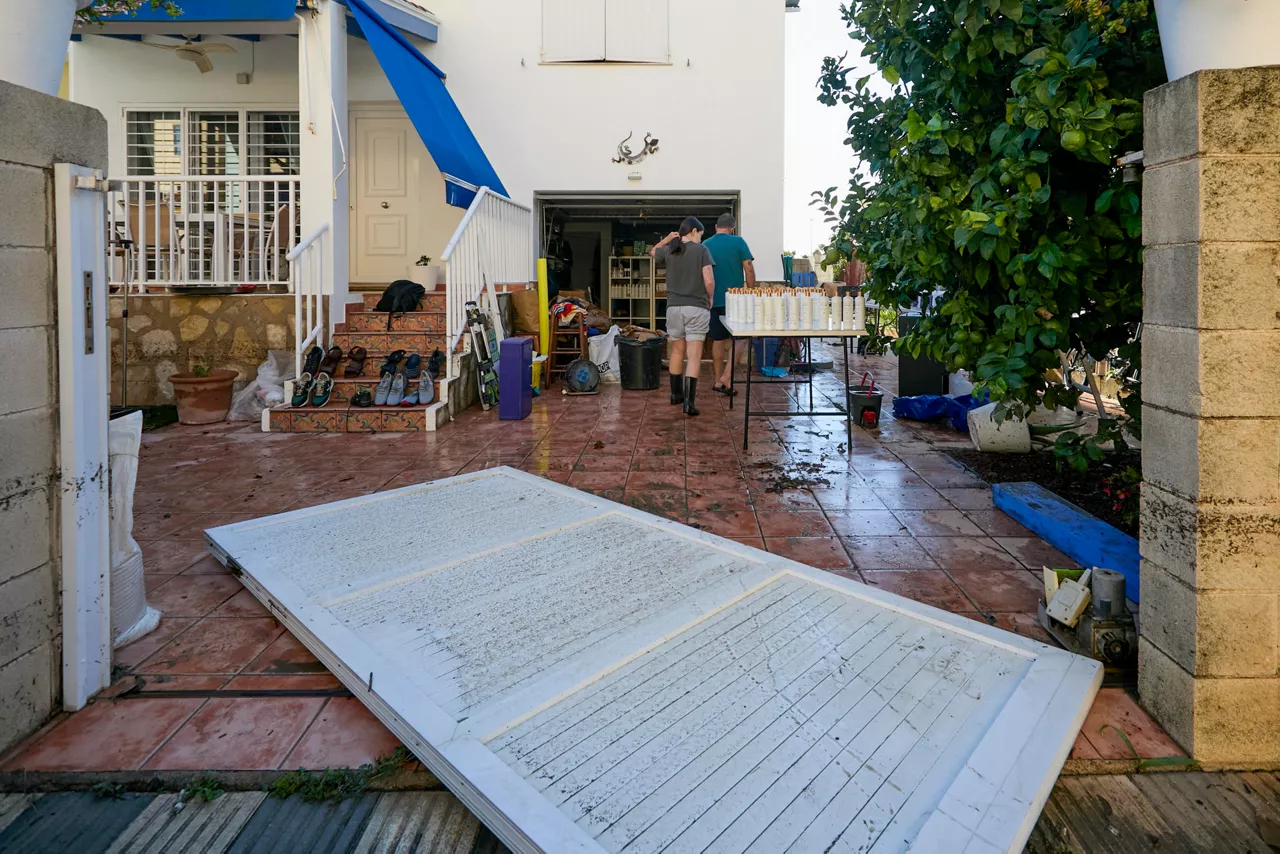
Residents are working to clean up the municipalities most affected by the isolated depression in the Adam Heights

Benta Berri residents will remain on protected rental terms

The Council will launch a virtual league between Guipuzcoan municipalities to promote healthy ageing
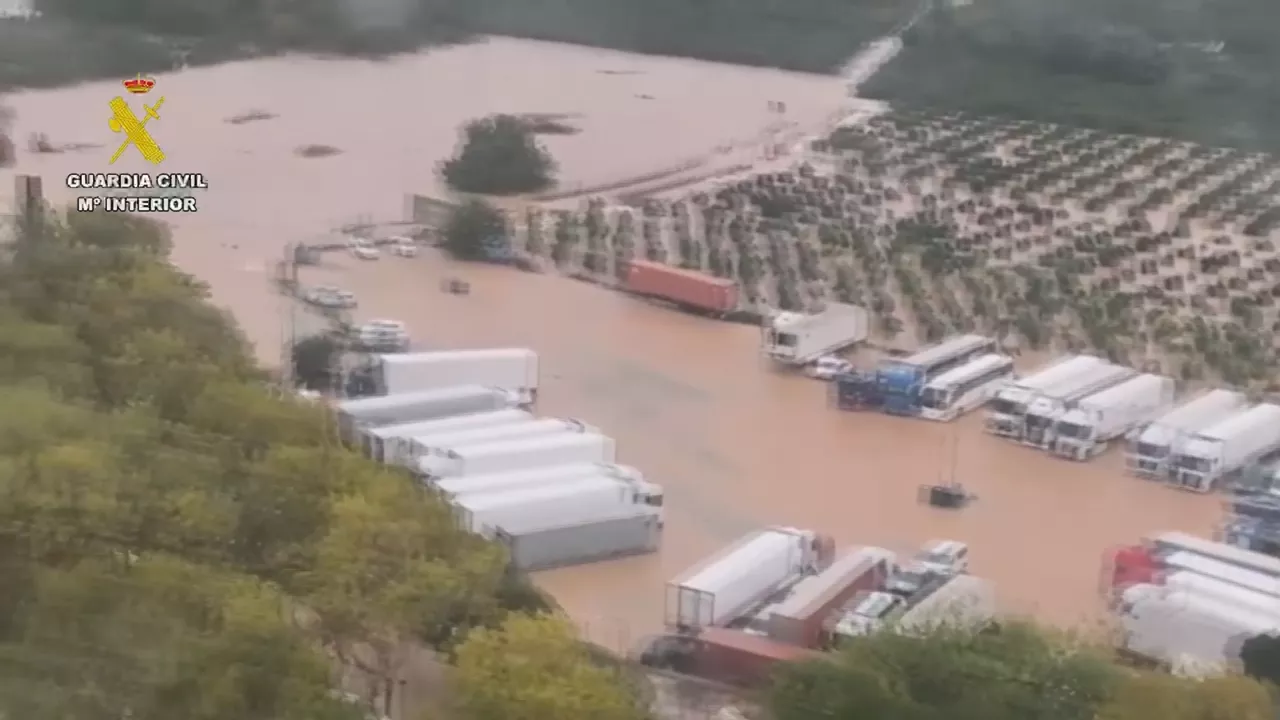
The storm has left two dead in Valencia, where the government is preparing a restraining order
The remains of Neanderthals have been found for the first time in Navarre in the caves of Abaunz

There will be news: Vaccinations in the ACV and flu vaccination in Navarre, Adam GOIDI and protests in France