The figures show that in the Basque Country machismo continues to grow
Equality is not yet a reality. Women have lower wages, they take on a greater burden of care, and they live under the threat of male violence, even in the digital field.


Machismo and violence against women are not unique cases, they are behaviours driven by the social fabric, and this year, March 8 , the raw figures will be visible. As long as the streets are filled with purple banners and proclamations, the movements of women in the courts will not cease. They are women who have decided to break with silence.
Breaking the silence is the first step, but it is the responsibility of society as a whole to ensure that women are not afraid to report because, according to Emakunde's latest data, only 15% reportthe violence suffered . Machismo is alive.
MACHISMO CAUSES DEATHS
In the Basque Country, 7 women were killed as a result of male violence iaz. One in Navarre. Ba murders are extreme cases. In addition to these eight deaths, thousands of women reported male violence in 2025 in Hego Euskal Herria.

More and more young women victims of male violence are asking for help by calling 900 840 111, and these are mostly cases of violence by their partner or ex-partner.
Male violence is often associated with blows or physical assaults, but machismo can manifest itself in many ways and is not always obvious. Wage discrimination and job insecurity, for example, can be seen as structural violence, violence can be integrated into systems and structures.
MACHISMO IMPOVERISHES
The publication published last year by the Basque Institute for Women Emakunde highlighted the pay gapbetween women and men in Hego Euskal Herria. Euskadi, women earn 16.27% less overall than men and 18.54% less in the Foral Community.
Senior management positions are still in the hands of men, including in Hego Euskal Herria. Women account for about 35% of the leadership, but the majority are still male.
The greatest weight of care is also borne by women, and the distribution of responsibilities remains very unequal, which directly affects women's career and career opportunities.
Womenin theBasque Country spend between 0.8 and 2.2 hours morethan men a daycaring for minor children ; in the 25-34 age group, for example, women spend 6.1 hours a day on these tasks and men 3.9 hours a day.

MACHISMO CONSIDERED NORMAL
In the Basque Country, great progress has been made in favour of equality (laws, protocols, the strength of the feminist movement...), but in everyday life , micromachismo continues. "You look like a little pussy. "" Can I help you make dinner? "It is the daily gestures, the comments that are heard at home, in the workplaces, in the company.
Social networks have also become a new scene of male violence. Cyberharassment and more specifically sexual harassment on networks affects one in five women in the Basque Autonomous Community, especially those between the ages of 20 and 29.

The figures show that equality is not yet a reality. In Hego Euskal Herria, women have lower wages, take on a greater burden of care, and live under the threat of male violence, even in the digital sphere.
If you are mistreated or know of any case, please follow theadvice of this guide /or call the following free phones: 900 840 111 (Basque Country), (Spanish State) or 3919 (North, 24 hours a day, Sundays and holidays from 09:00 to 18:00).
You might like
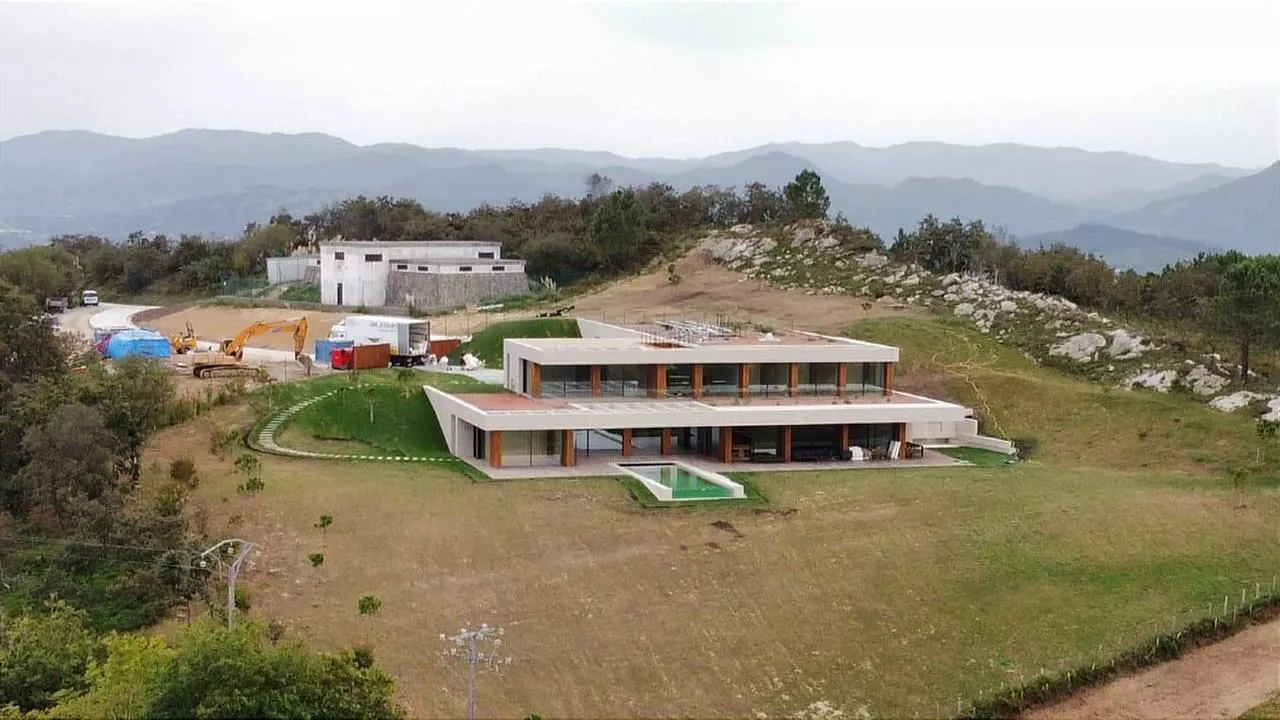
The TSJPV has ruled that the villa built by Xabi Alonso in Igeldo is legal
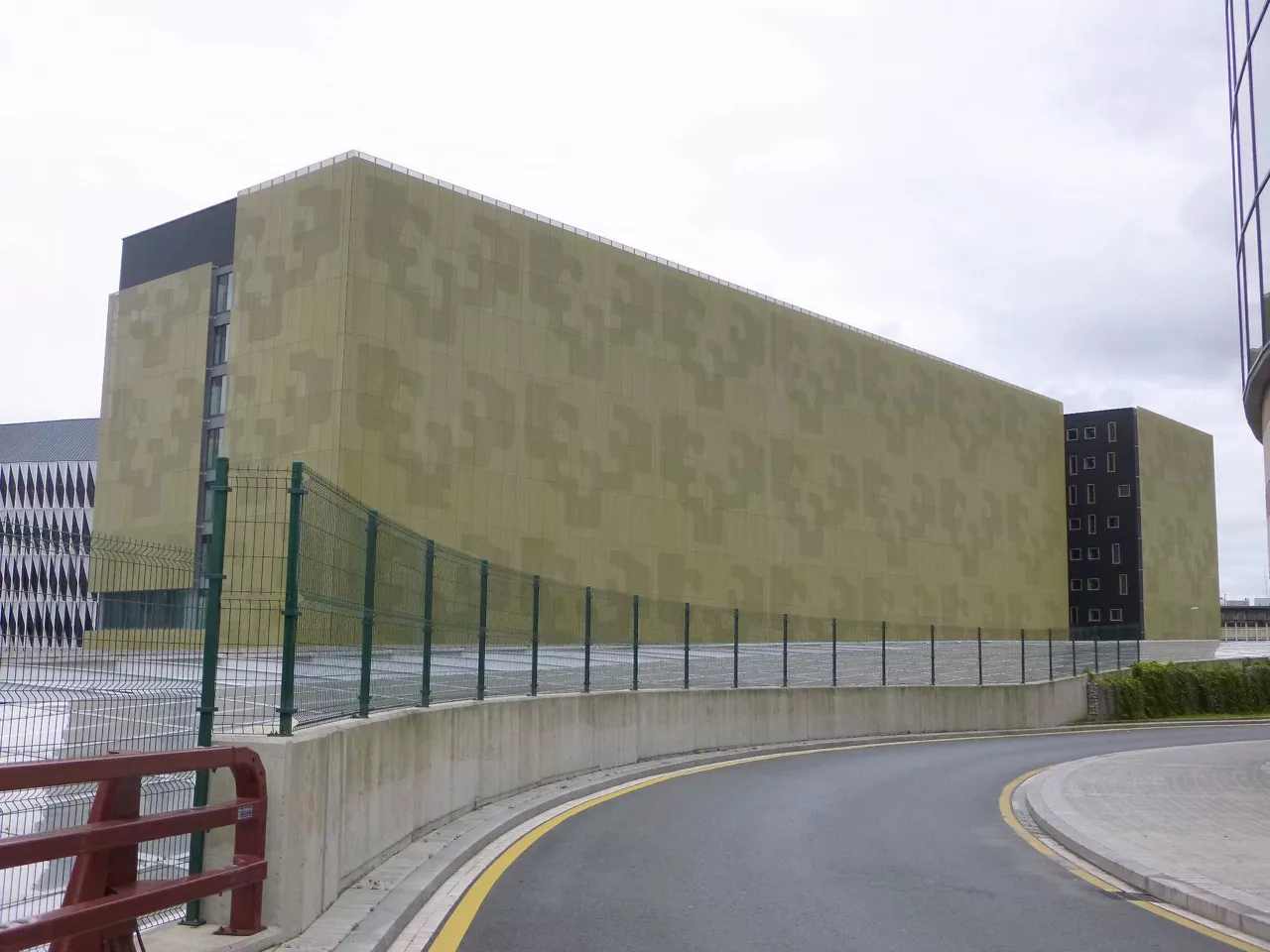
UPV/EHU will not renew its partnership agreement with CAF after five years of running
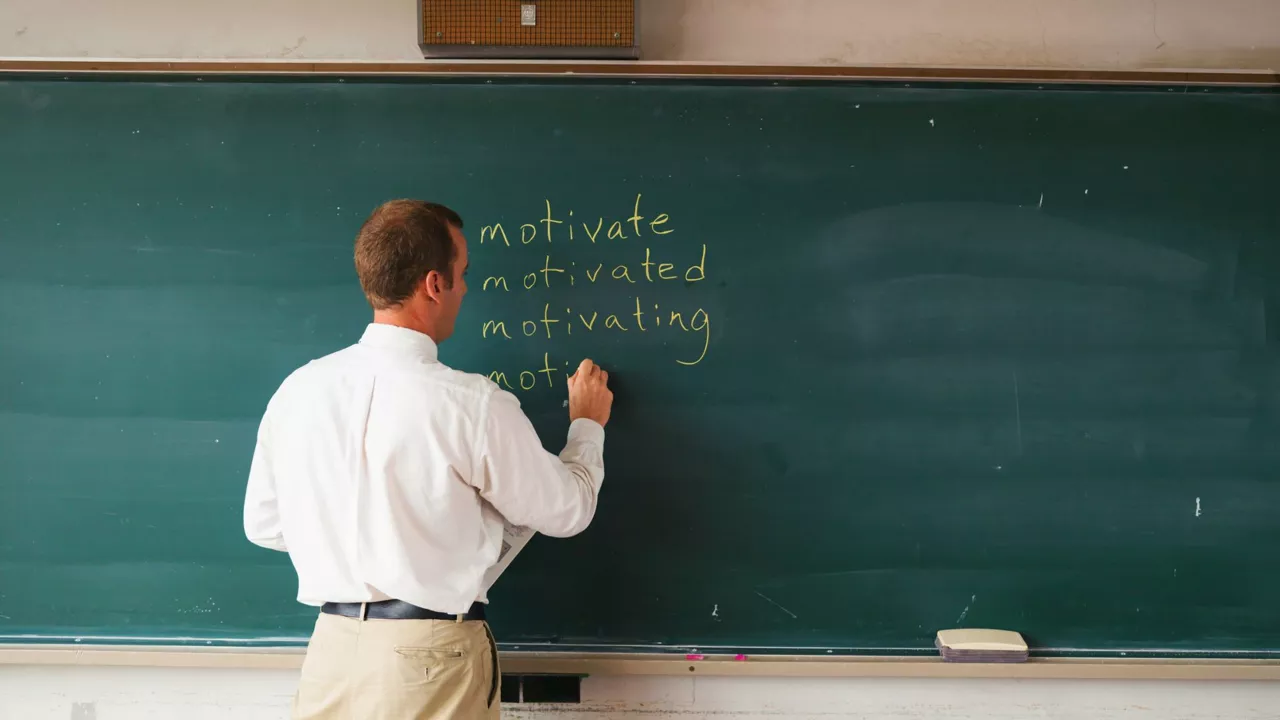
Lack of resources is the main cause of teacher stress in the ACV, according to a study
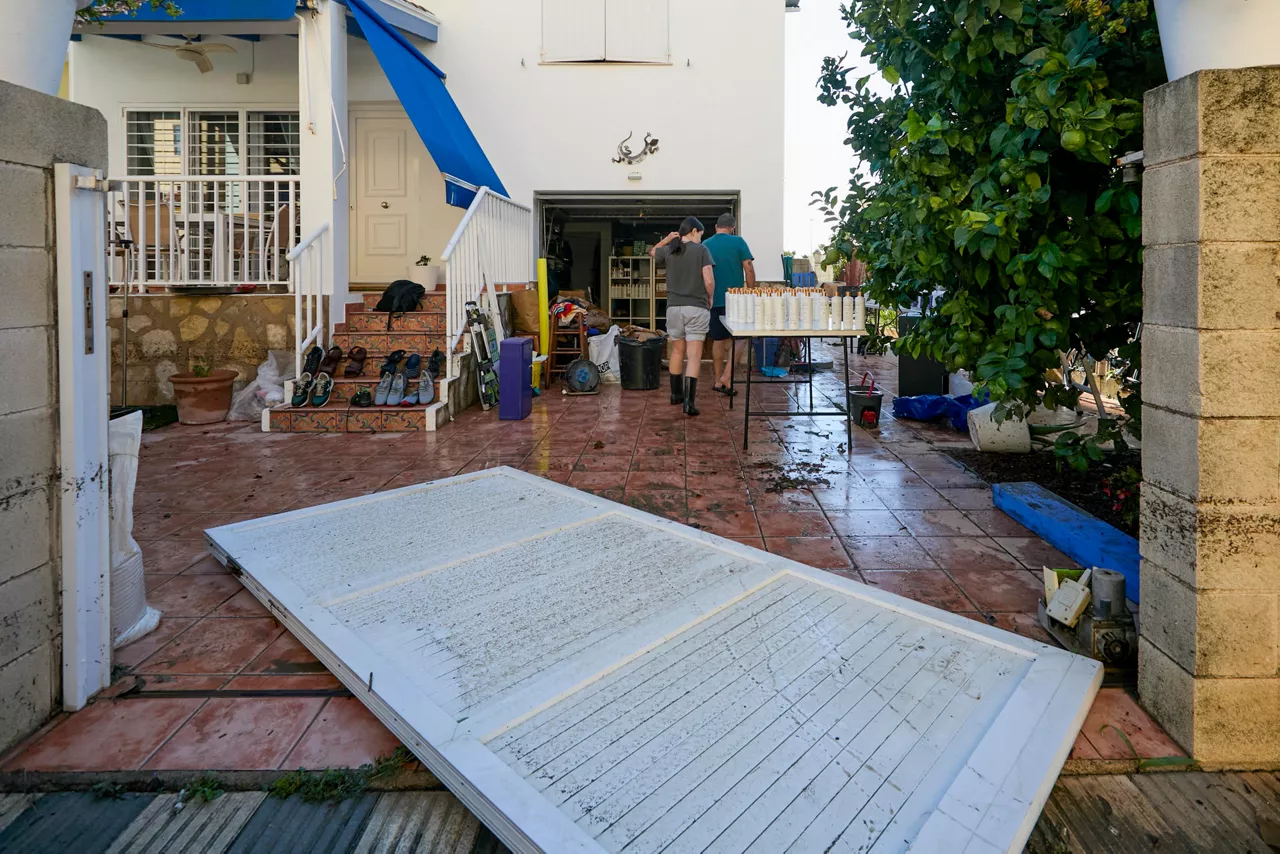
Residents are working to clean up the municipalities most affected by the isolated depression in the Adam Heights
Benta Berri residents will remain on protected rental terms
The Council will launch a virtual league between Guipuzcoan municipalities to promote healthy ageing
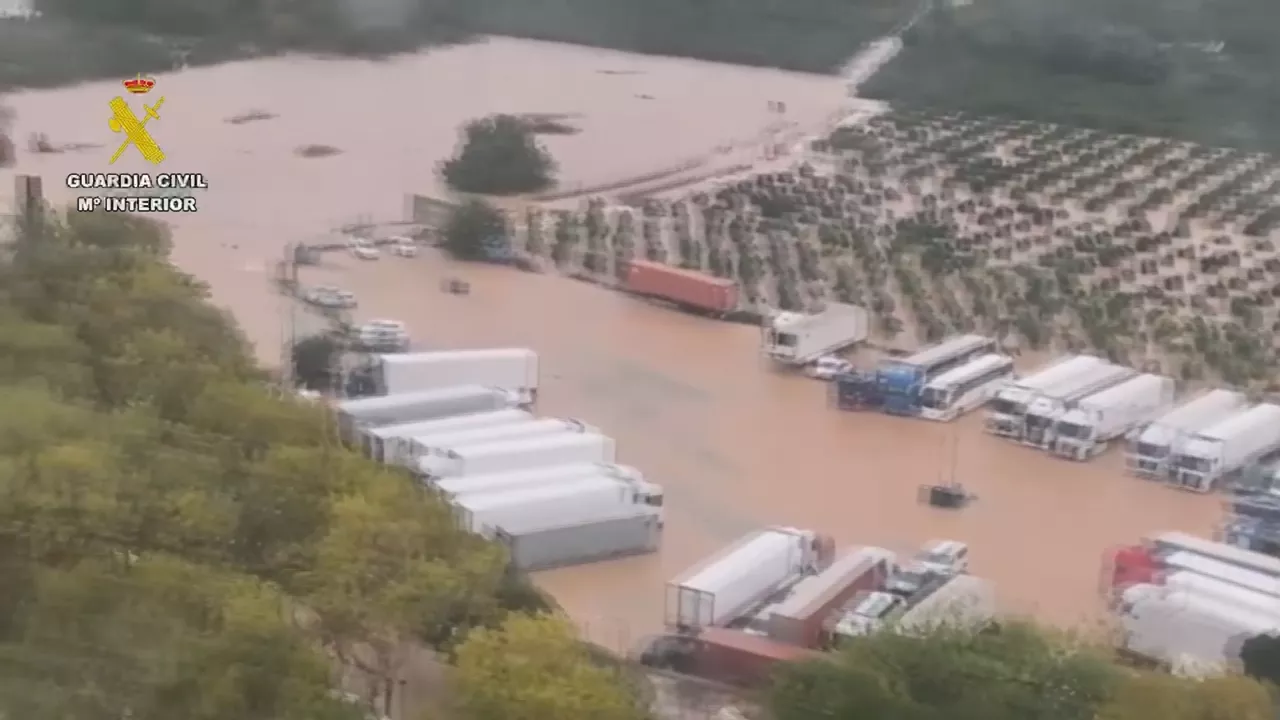
The storm has left two dead in Valencia, where the government is preparing a restraining order
The remains of Neanderthals have been found for the first time in Navarre in the caves of Abaunz

There will be news: Vaccinations in the ACV and flu vaccination in Navarre, Adam GOIDI and protests in France