Regularization of migrants: everything you need to know, step by step
The process will begin on 16 April, can be done online or by prior appointment, and will be open until 30 June, and will allow one year's residence and work permits.


The Spanish Government has approved an extraordinary regularization process aimed at migrants in an irregular situation in Spain, a measure that could benefit the hundreds of thousands of people already residing in the State. The procedure, which will enter into force on 16 April and will last until 30 June , will allow applications to be submitted both telematically and in person.
The fastest option will be the online route available 24 hours a day through the mercury platform, while those who choose to go to an office will have to request a mandatory and free appointment beforehand. Face-to-face care will begin on 20 April at the Social Security, Post Office and Aliens offices, although the Spanish Government has warned that not all centres and schedules will be available.
Conditions for regularization
Migrants who are in Spain before 1 January 2026 and who have been in the country for at least five consecutive months may be subject to this procedure, and it will be essential that theyhave no criminal record and do not pose a threat to public order.
In addition to these basic conditions, applicants must prove at least one of the following certificates: having worked in Spain, having direct family ties, such as minor children or dependants, or being in a situation of vulnerability, which must be officially accredited.
Documents to be submitted
In order to prove their stay in Spain, a large number of documents, whether public or private, shall be admitted, provided that they are verifiable and dated, including registration (although not mandatory), invoices, medical reports or contracts.
One of the essential aspects of the proceedings will be the verification of criminal records, a prerequisite which, according to the Spanish Government, will be strictly applicable during the processing of cases.
How to apply
The procedure may be carried out online by means of a digital certificate, by lawyers or administrative managers, or by authorized collaborating entities.
As for the face-to-face route, an appointment must be made from 16 April, via the Internet or by telephone 060. The Social Security offices will attend in the afternoon, while the post offices will have a longer schedule, and the Aliens offices will also attend mainly in the afternoon.
Where to ask
In the Basque Country, the persons concerned may carry out the procedure in the Social Security Offices, post offices and in some Aliens Offices, which shall be specified in official information. There shall be hotspots in the three provinces: Bizkaia, Gipuzkoa and Álava. However, it is appropriate to consult in advance which offices are prepared to prevent unnecessary travel.
What do you get from regularization?
Persons who obtain a favourable resolution shall be entitled to a residence and work permit in Spain for an initial period of one year, and shall be assigned a social security membership number and shall have access to the public health system.
In the case of minors, the residence permit shall be five years and may be processed in conjunction with the application of the family.
After the first year, beneficiaries may enter the ordinary channels provided for in the Aliens Regulations, which will facilitate their gradual incorporation into the system.
Pre-trial proceedings
It will be the seventh regularization process to be carried out in Spain. In the previous six years, the situation of around 1.3 million people was regularized. The Spanish Government is now defending this measure as a necessary tool to order social reality, facilitate integration and respond to the needs of the labour market.
You might like
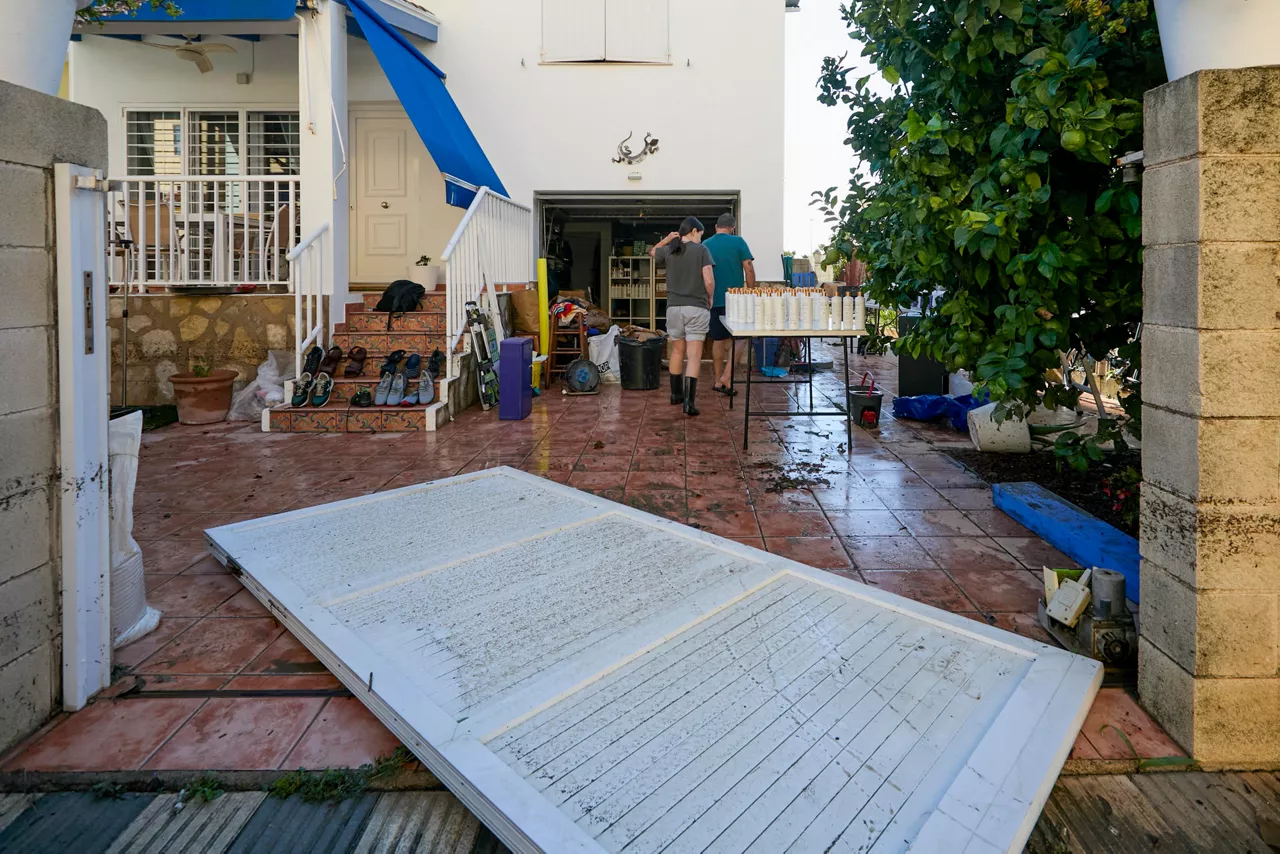
Residents are working to clean up the municipalities most affected by the isolated depression in the Adam Heights
Benta Berri residents will remain on protected rental terms
The Council will launch a virtual league between Guipuzcoan municipalities to promote healthy ageing
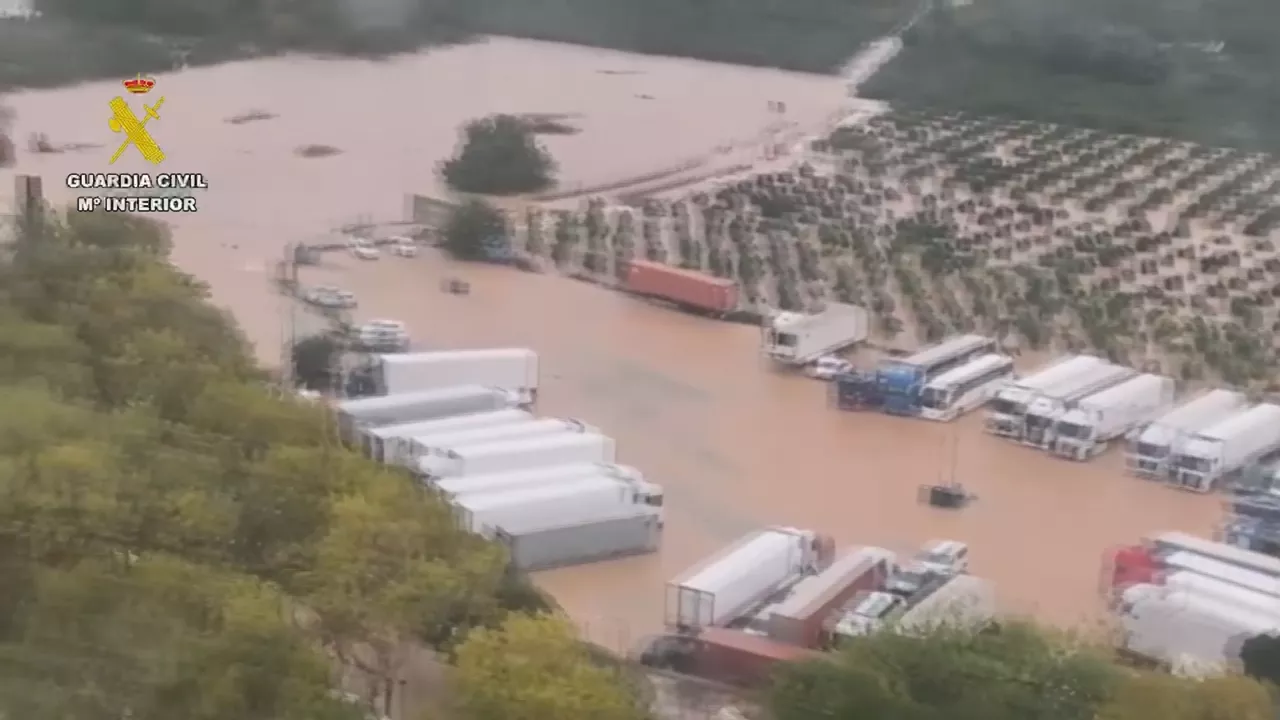
The storm has left two dead in Valencia, where the government is preparing a restraining order
The remains of Neanderthals have been found for the first time in Navarre in the caves of Abaunz

There will be news: Vaccinations in the ACV and flu vaccination in Navarre, Adam GOIDI and protests in France

The Invisible Breast Cancer Bill
Red alert continues in Valencia and Alicante for storm Adam heading for Catalonia

More than 200,000 people are called to be vaccinated against influenza and covid in Navarre today