
After the eclipse, look to the heavens; The rain of the stars of the Perseids is coming
This year's New Moon will offer the opportunity to see brighter bolides, brighter than in previous years.


After today's historic solar eclipse oso, the sky offers us another magnificent spectacle: after dark, thestars ofPerseid or "Tears of Saint Laurendi" sky will cross.
The peak moment of the astronomical phenomenon of the Perseids isonthe night of 12 to 13 August, from 4 a.m. to 6 p.m., when the constellation of Perseus rises on the horizon and the number of meteors is the highest.
This year it coincides with the new moon , so we can see brighter bulbs and brighter than in previous years, with 100 meteors per hour expected in the dark sky and 40 meteors per hour in areas of mild urban pollution.
What are the Perseids?
The name Perseid comes from the group of stars Perseus, either fleeting or seeming to come from the point or radiator of Perseus. Every year, at this time, the Earth crosses the orbit of the comet Swift Tuttle, which is located near the Sun every 133 years, and the last time it passed near it was in 1992.
Where to go to see the Perseids?
In general, it'sbest to choose a dark place, free of light pollution and away from obstacles like buildings and trees, and you can share observation with other astronomy enthusiasts.
Some of the best places to enjoy this astronomical phenomenon are Urkiola Natural Park and Mount Serantes in Bizkaia; Izki and Valderejo Natural Parks, Gorbeia Natural Park and Garaio Park in Álava; and Mount Igeldo in Gipuzkoa.
Take what?
To see the Perseids you don't need any special artifacts, it's enough with our eyes. But it's convenient to carry some objects that can help us, such as a celestial map that will help us find the constellation of Perseus.
What can I do to get pictures of Perseid?
The Spanish Society for the Observation of Comets and Meteors (SOMYC) has on its website an instruction on how to take photos, for example, using a digital reflex camera, it is convenient to use a high-brightness target; and setting up a tripod, a switching battery, a high-capacity card and a camera to take pictures automatically will help.
In order to improve photo quality, the sensitivity of the camera (ISO) must be configured and adapted to the exposure conditions required by the night sky (light pollution, clouds...).
You might like
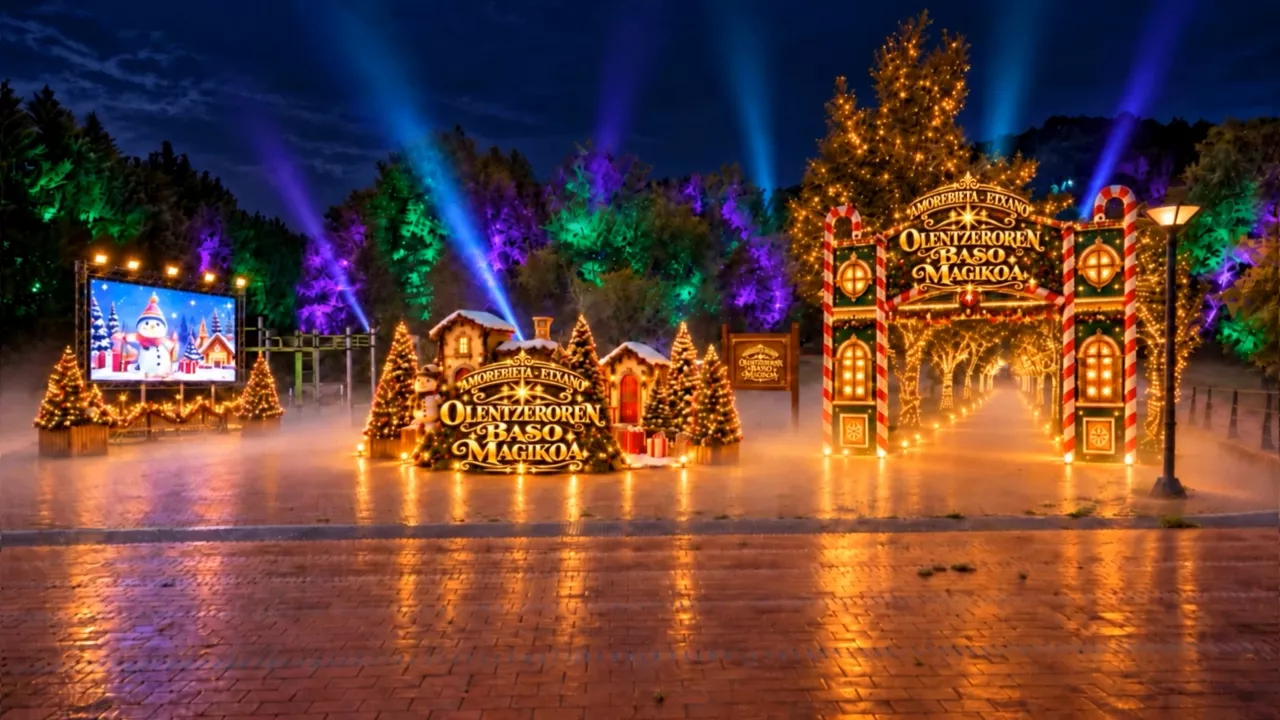
Olentzero's Magic Forest: Zornotza's New Christmas Light Park
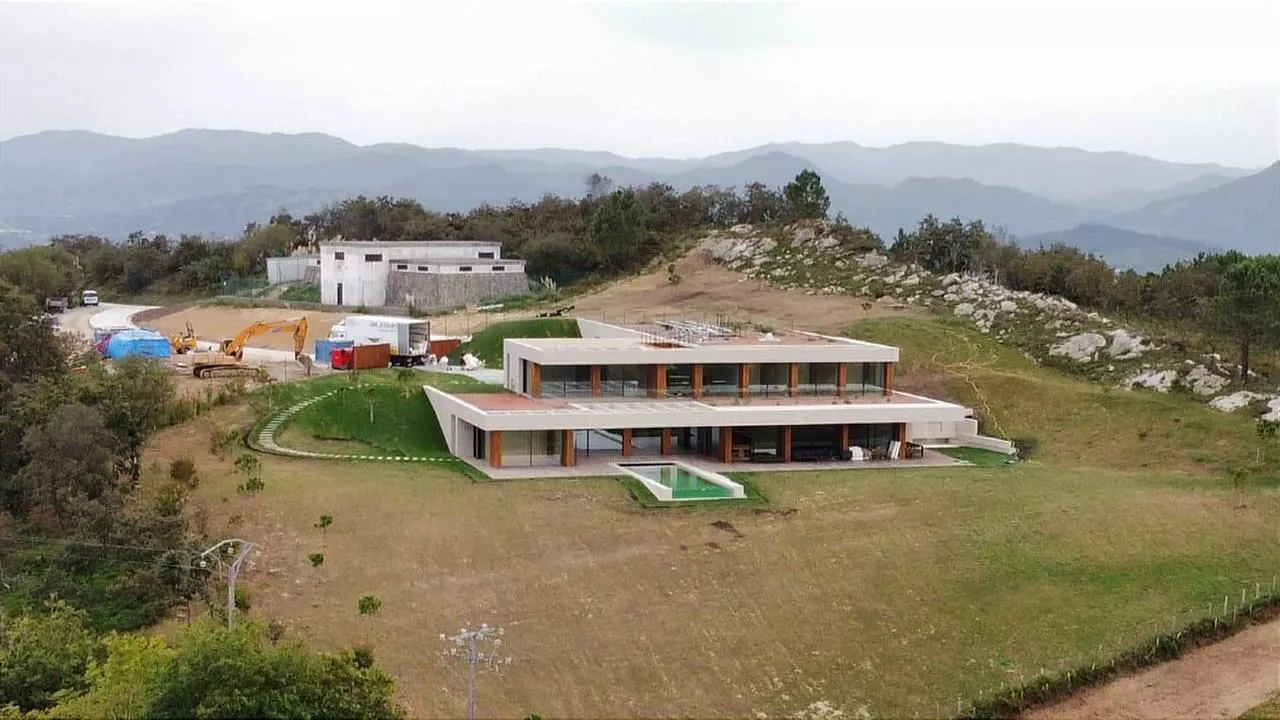
The TSJPV has ruled that the villa built by Xabi Alonso in Igeldo is legal
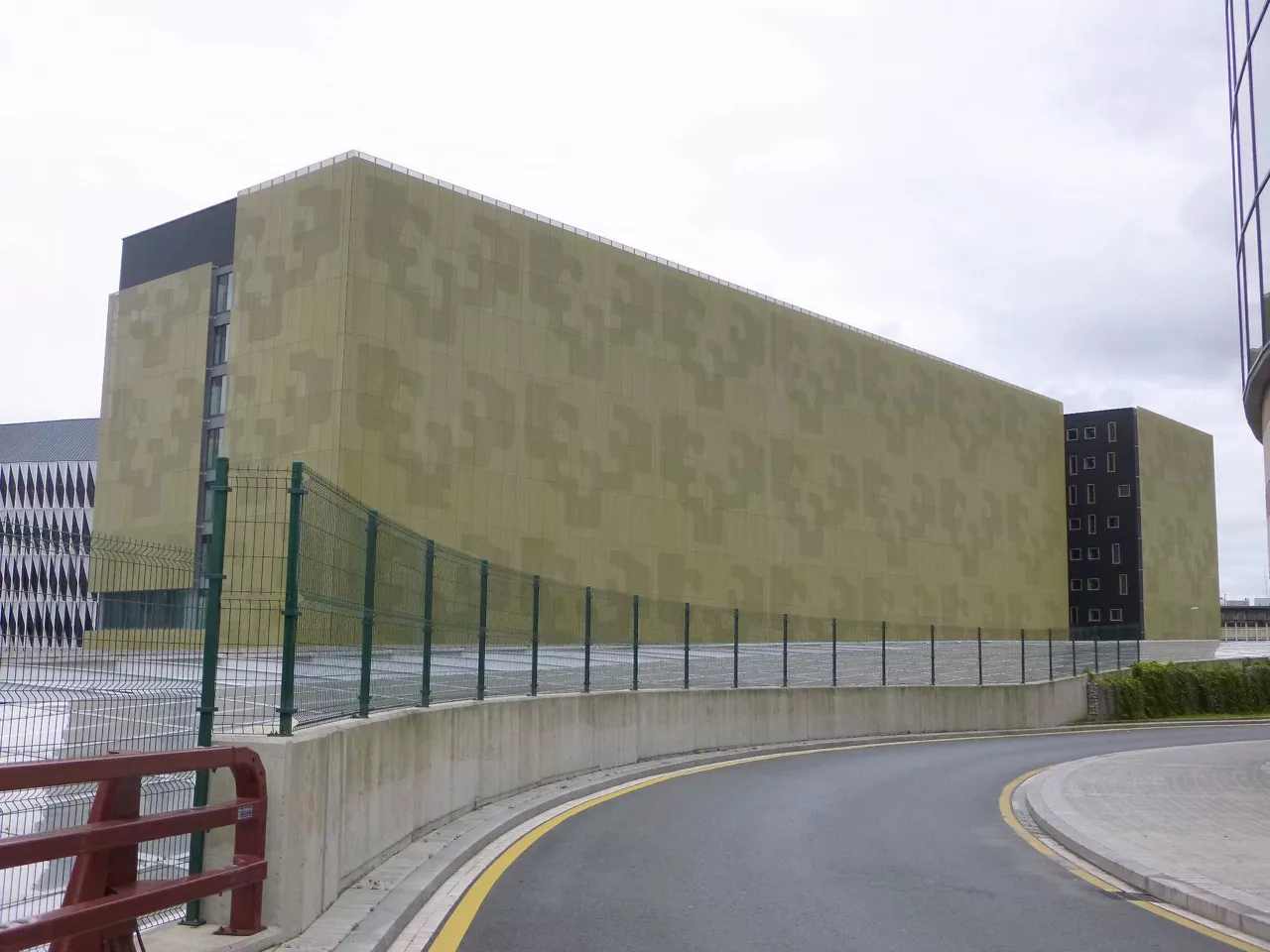
UPV/EHU will not renew its partnership agreement with CAF after five years of running
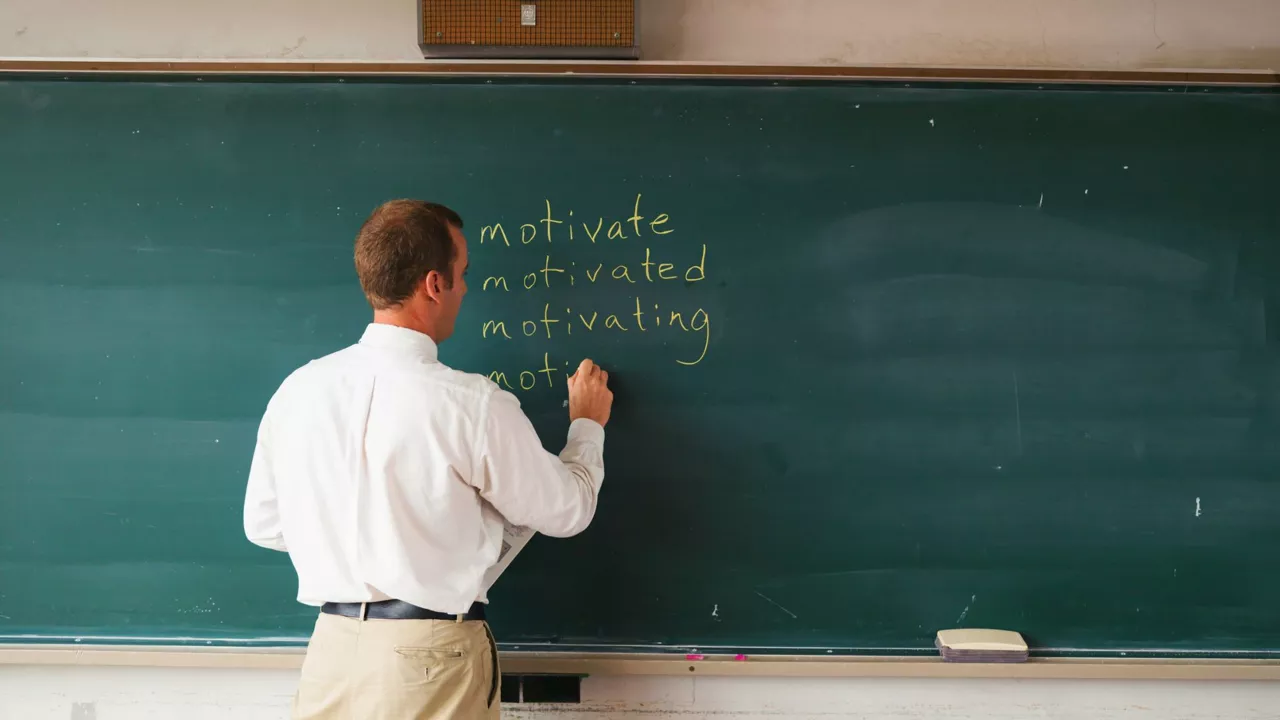
Lack of resources is the main cause of teacher stress in the ACV, according to a study
Residents are working to clean up the municipalities most affected by the isolated depression in the Adam Heights
Benta Berri residents will remain on protected rental terms
The Council will launch a virtual league between Guipuzcoan municipalities to promote healthy ageing
The storm has left two dead in Valencia, where the government is preparing a restraining order
The remains of Neanderthals have been found for the first time in Navarre in the caves of Abaunz
