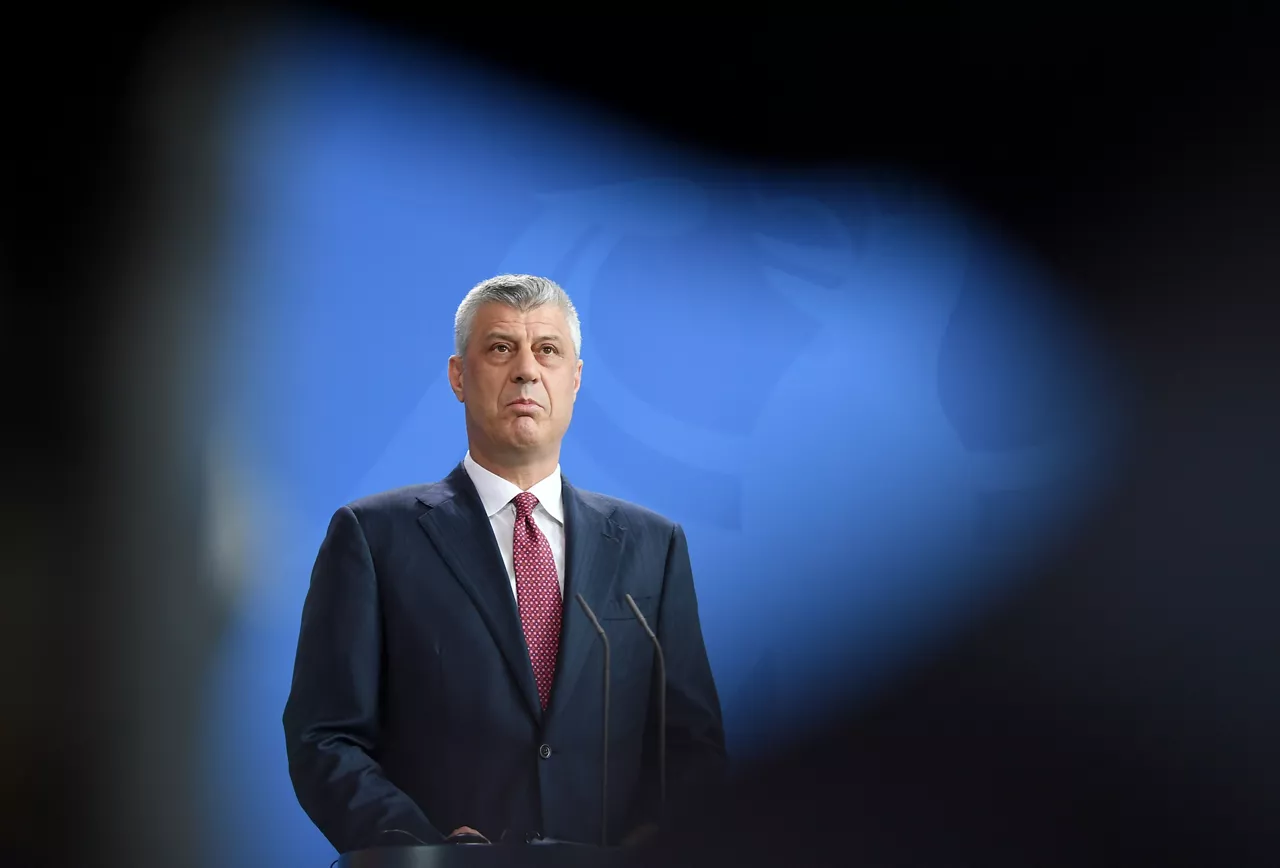
Von der Leyen proposes a "flexible" emergency framework for managing migration crises like Ceuta
In addition, the President of the European Union has announced a proposal to ban social media for children under 13 years of age and to use it with restrictions up to the age of 15.


European Commission President Ursula von der Leyenannounced on Wednesday that the European Union will allow greater flexibility in migration and asylum management procedures in emergency situations where migratory flows are 'orchestrated and used as weapons', as happened this summer in Ceuta.
"We will propose the new European Emergency Response Framework , which will only be activated on the basis of strictly defined criteria, in which case it will allow for specific and limited flexibility over the time of normal procedures, "Von der Leyen announced during his European Union speech in Strasbourg, France.
He also supported the Spanish Government 's stance on the Ceuta crisis: 'Ceuta is Europe and Europe will be there for you', he said in his speech, inwhich Von der Leyen reviewed the challenges facing the European Union and highlighted the 'road map' that the government intends to promote in this parliamentary term to meet these challenges.
Canada as the first associate member
On the other hand, Von der Leyen proposes to make Canada the "first associate member" of the European Union as part of anew phase of bilateral relations to strengthen economic, technological, industrial and defence ties.
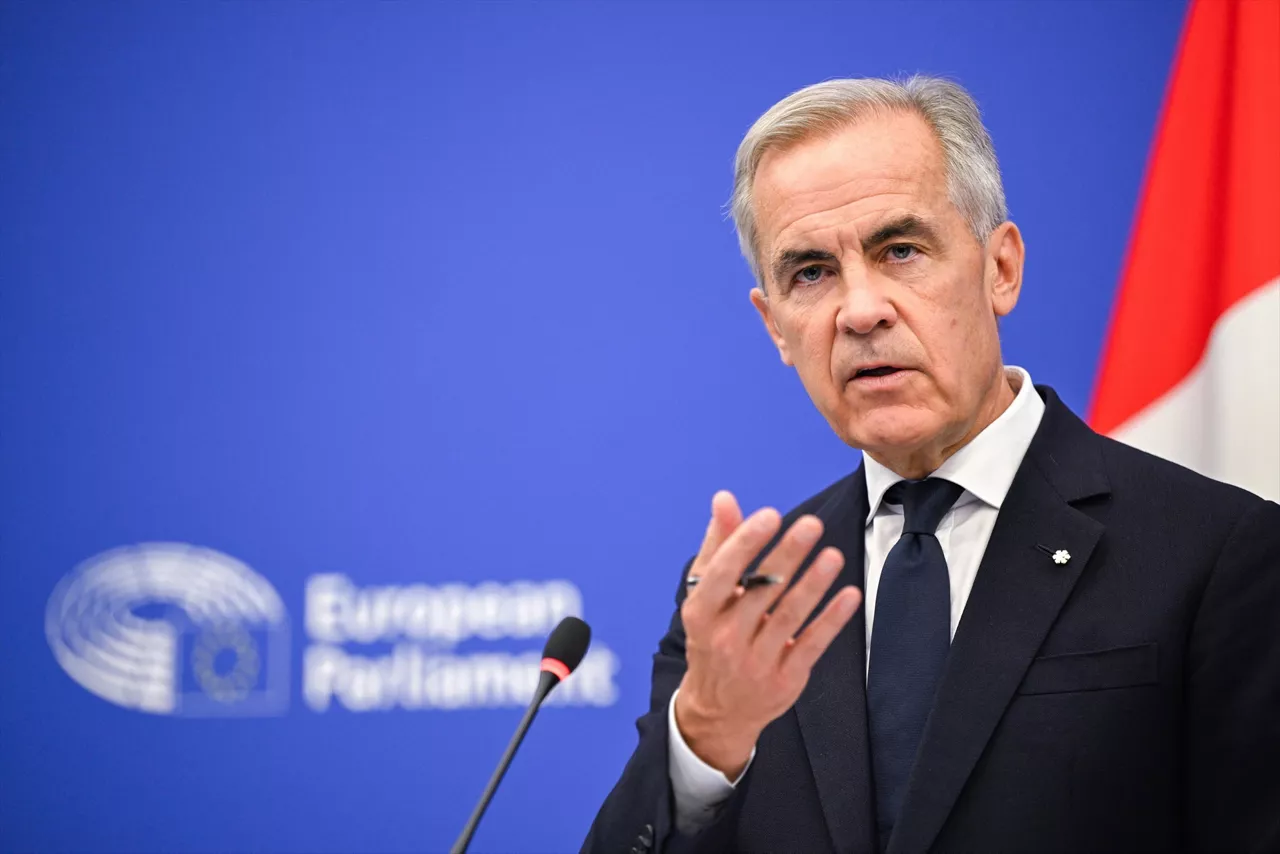
In the presence of Canada's Prime Minister, Mark Carney, the head of the European Commission has proposed in his speech to take this step. "Dear Mark, I have said that we need to rethink our partnerships as soon as possible, so I would like to work with you to make Canada the first associate member of the European Union.
Von der Leyen has stressed the need to "urgently re-edit" EU alliances in the face of the "breakdown" of the international rule-based system, advocating that Europe build new coalitions with partners who share its values to strengthen resilience and democracies.
What does the EU say about slowing down AI development?
In his speech, the President of the European Commission supported slowing down the development of the most advanced artificial intelligence models, the so-called border AI, for security reasons, while calling for a massive boost to Europe's computing capacity so as not to lose its global technological career.
"The CEOs of the most advanced companies have told us that it is time to slow down self-recursive models, to set the pace for the limit. If those who develop the technology are clear, we should too," said Von der Leyen, who announced that the main AI laboratory will invite them to a debate to support this industry effort.
Thepresident has linked this approach to the European AI Act , which was a "vital part" of implementing protective measures, and announced that the EU will work with partners such as Canada and the UK on model assessment, verification and early warning.
"The AI is rapidly becoming the genesis of our economy and security," said Von der Leyen, who considered himself "optimistic" about the potential of technology to benefit humanity, but warned that it implies a "balance of opportunities and risks" that Europe must address in order to take advantage of.
The president has warned that the most advanced models will enable cyber-attack capability "at a level we never thought possible," and would end up "in the hands of rivals who see the world very differently from ours."
Banning social media for children under 13
With regard to new technologies, von der Leyen has also announced a proposal to ban social networksthroughout the European Union for children under 13 years of age to 15 years of age, following the recommendations of the ad hoc expert group set up to respond to pressure from countries such as France and Spain that require a minimum age of access to protect minors from risks due to lack of platform control.
'It is time for Europe to act, 'he argued in plenary, announcing that on Thursday he will present details of his proposal for a European 'Child Act' (EU Kids Act) setting these limits.
At a joint press conference on Thursday with Henna Virkkun's Vice-President for Technological Sovereignty, Security and Democracy, von der Leyen said it would be a rule that would allow "a gradual and differentiated approach" to take into account that "each age has its own sensitivities."
You might like
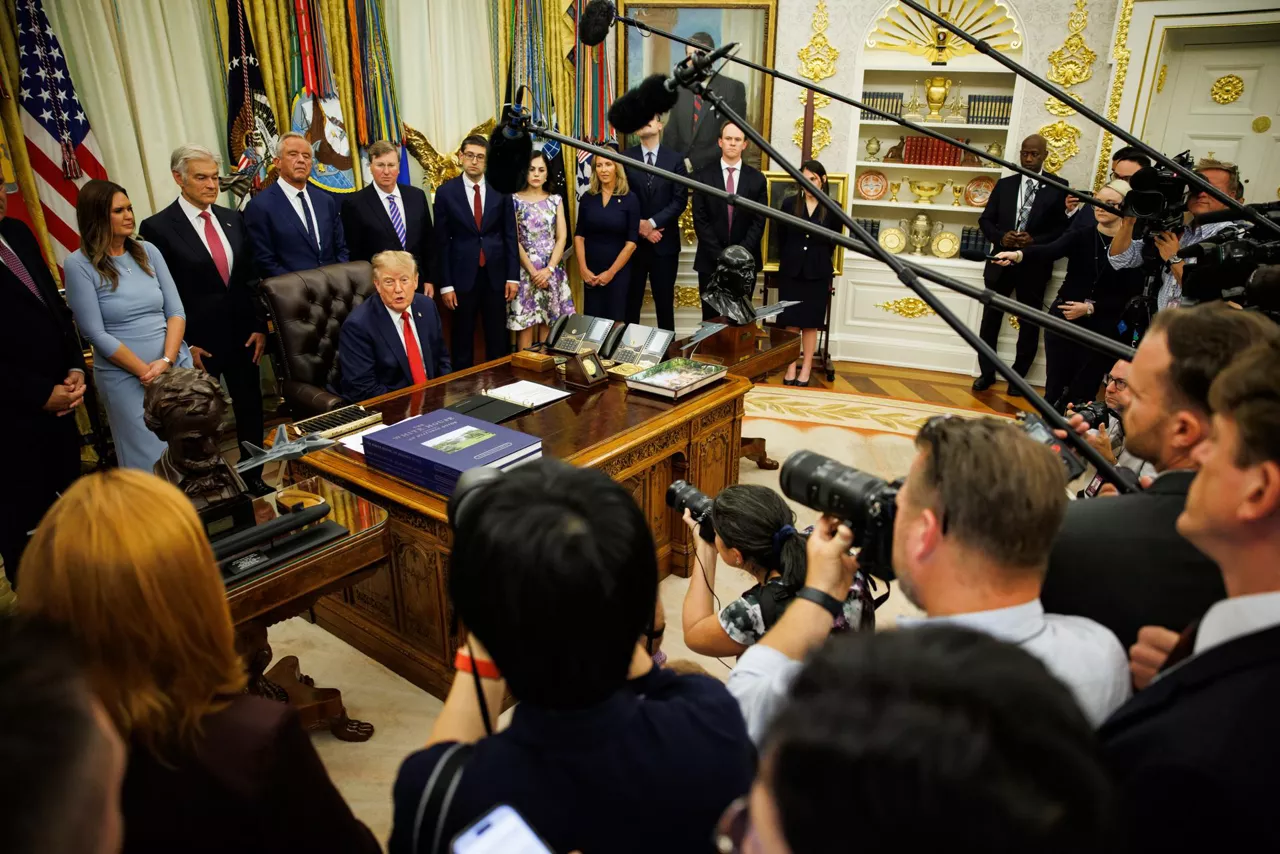
The White House has banned access to CNN, MS Now, and Politico media, as Trump ordered
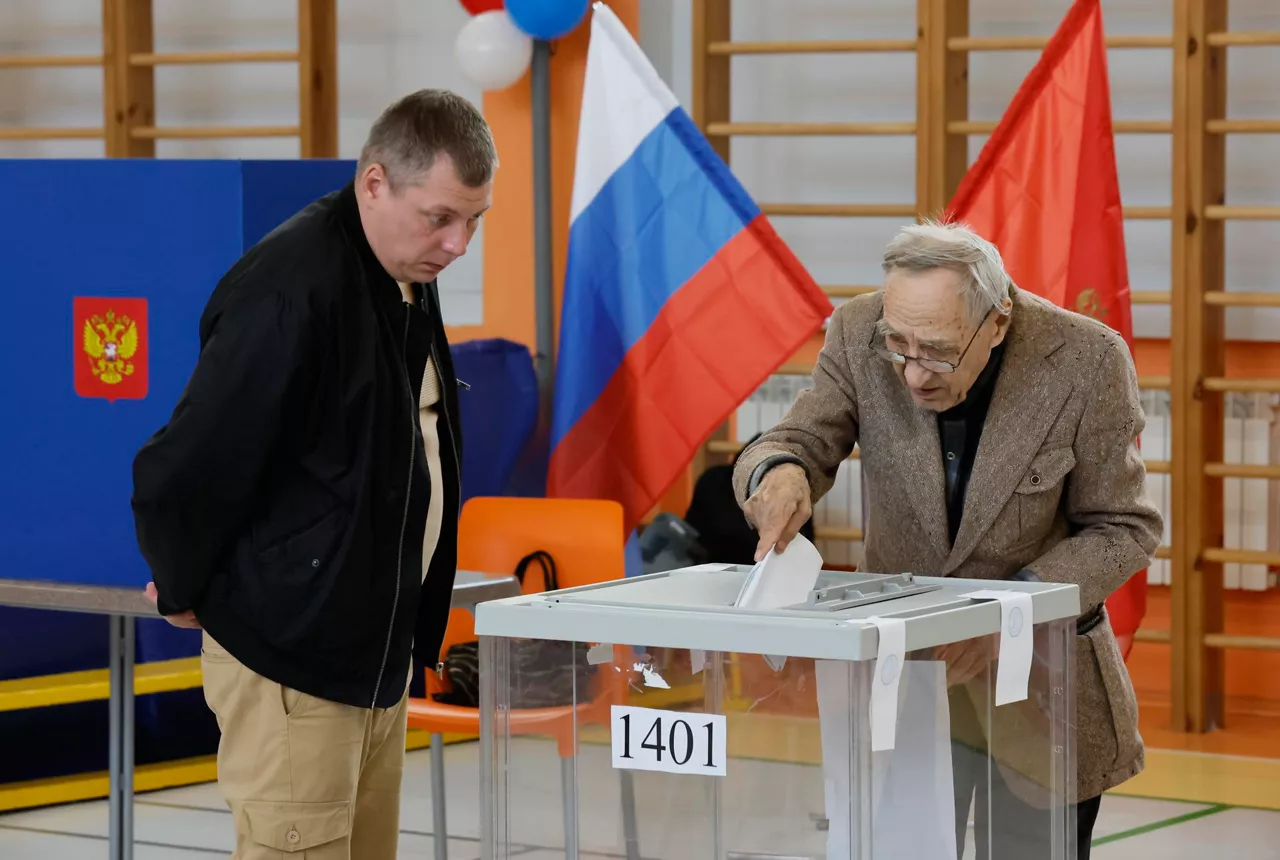
For the first time since the start of the war in Ukraine, legislative elections are taking place in Russia
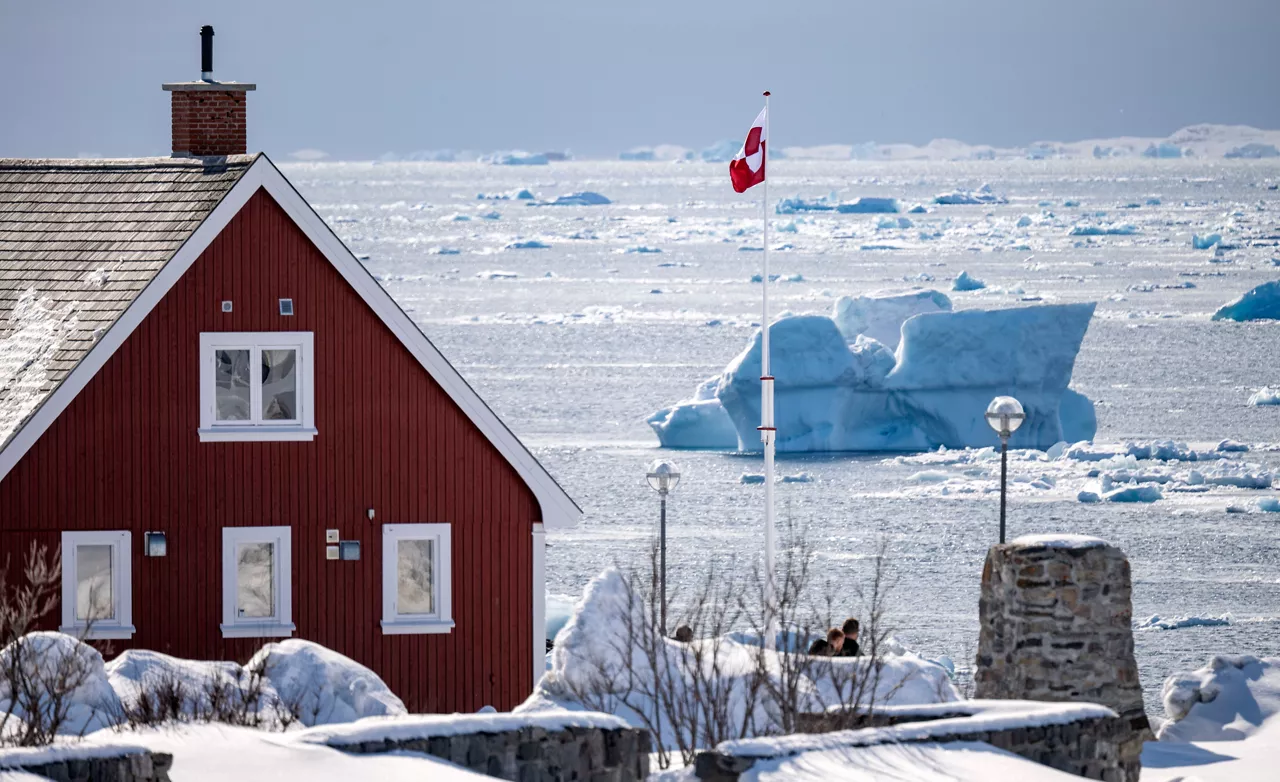
Agreement between trump and Denmark on Greenland: US permanent presence on the island and veto of China and Russia

The disappearance of seven women and the alleged murders are under investigation in the United States
Lecornu announces a budget adjustment of EUR 54 billion
Carney: "Canada and the European Union are stronger together"
Brussels responds to Trump that the plan to strengthen ties with Canada "is not against anyone"
Trump will impose very high tariffs on the EU if he makes Canada "malicious" associate membership