Garaikoetxea, the lehendakari who laid the foundations for Basque self-government
A politician who played an indispensable role in the transition, one of his main responsibilities was to draw and build the structure of the Basque institutions. Disagreements with the PNV led him to create Eusko Alkartasuna.
?ts=1777908755757&dpr=off&fmt=webp-alpha&qlt=80 "Carlos Garaikoetxea in 1979. Photo: Wikipedia")
Carlos Garaikoetxea, 1979.

"I went into politics because it hurt me to see the Euskera of Navarre retreat." These words were used by Carlos Garaikoetxea to explain the beginnings of his vocation and his career asapolitician in the documentary 'Garaikoetxea, an unfinished transition'.
Born in Pamplona in 1938, Carlos Garaikoetxea Urriza was the first President of the Transition since the Basque Nationalist Party in 1980. While the traces of Franco's dictatorship were still very much present, his main task was to set in motion institutions almost exclusively, combining different political sensitivities. He was elected to the post of President twice (1980 and 1984).
He conducted his first studies in the Escolapios of the Navarre capital, and thengraduated in Law and Economics from the University of Deusto. He completed his academic career in London and Paris. Indeed, his technical vision as a lawyer and economist was key to his arrival in the Government of Vitoria to develop the newly born Gernika Autonomy Statute (1979).
In 1975 he took his first steps in politics, affiliated with the PNV, and four years later he left the private sector to devote himself entirely to politics. Healso became president of the Euzkadi Buru Batzar (EBB), from 1977 to 1980, and in the 1979 municipal and foral elections he took his seat in the Foral Parliament of Navarre. In June of the same year he was appointed president of the Basque General Council, replacing Ramón Rubial.
During his tenure as President, the Government launched, among others, the Ertzaintza, Osakidetza or EITB. The rule allowing the union of public employees was also introduced during his term of office and was responsible for managing events that had a major impact on Basque society, such as the 1983 floods , the plane crash in Oiz or the explosion in a school.
The disagreements with the PNV leadership over the Historical Territories Act led him to resign as President in 1985 and to take over from José Antonio Ardanza, which led to a split within the party, and a few months later to the formation of the Eusko Alkartasuna party, led by Garaikoetxea.
He left active politics in 1999 but has always been closely linked to EA decisions. In 2009 he participated in the presentation of the document promoting the unity of nationalist parties, from which, after a long process, EH Bildu was born.
He married Sagrario Mina, with whom they had three children, and died this afternoon in Pamplona.
You might like
The absolute majority of the Senate, the most coveted: Why are parties considering formulas for a majority?
Tension and police charges at Abascal's event in A Coruña
The assessment committee recognizes 60 other people as victims and proposes that the police centre declare them a "memorial centre for torture"
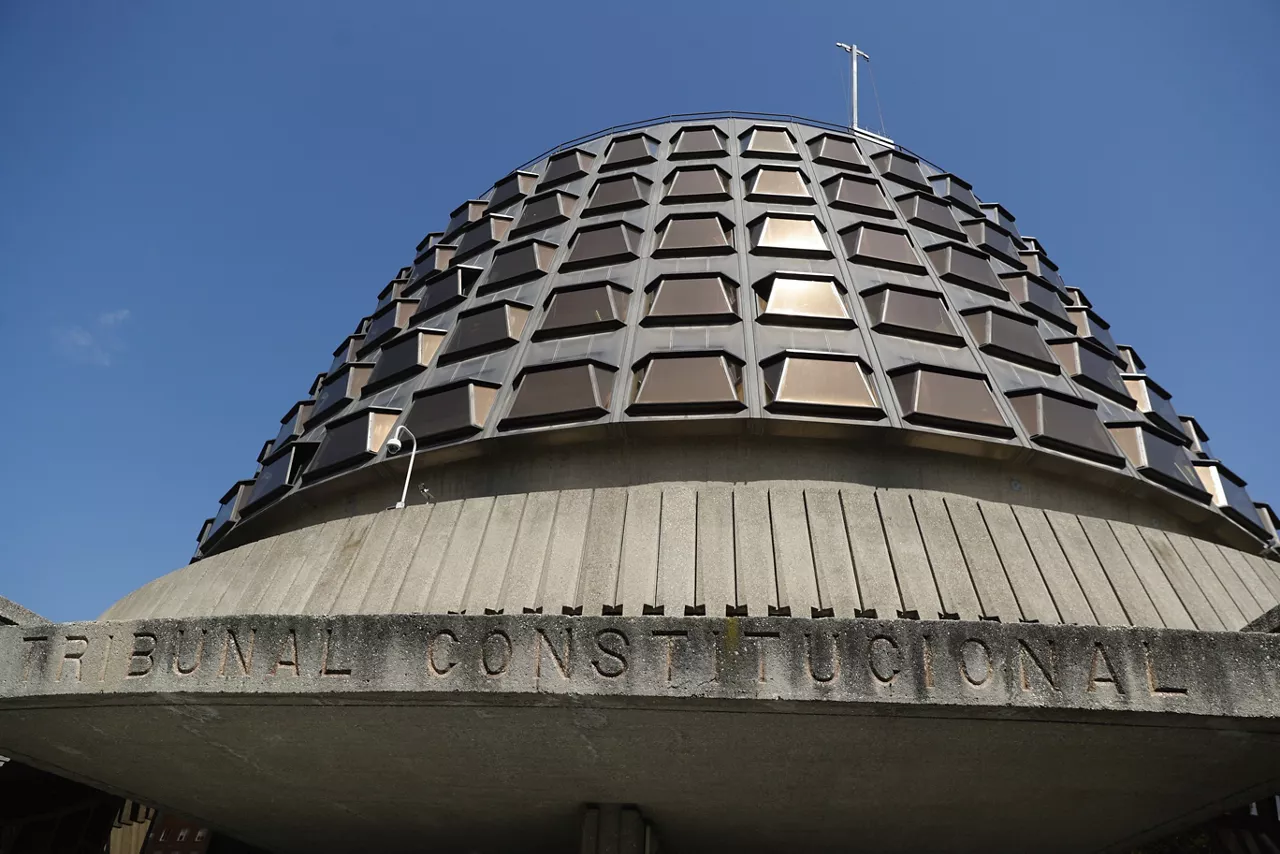
The Constitutional Court rejected the Ombudsman's appeal against the Grandchildren 'Act
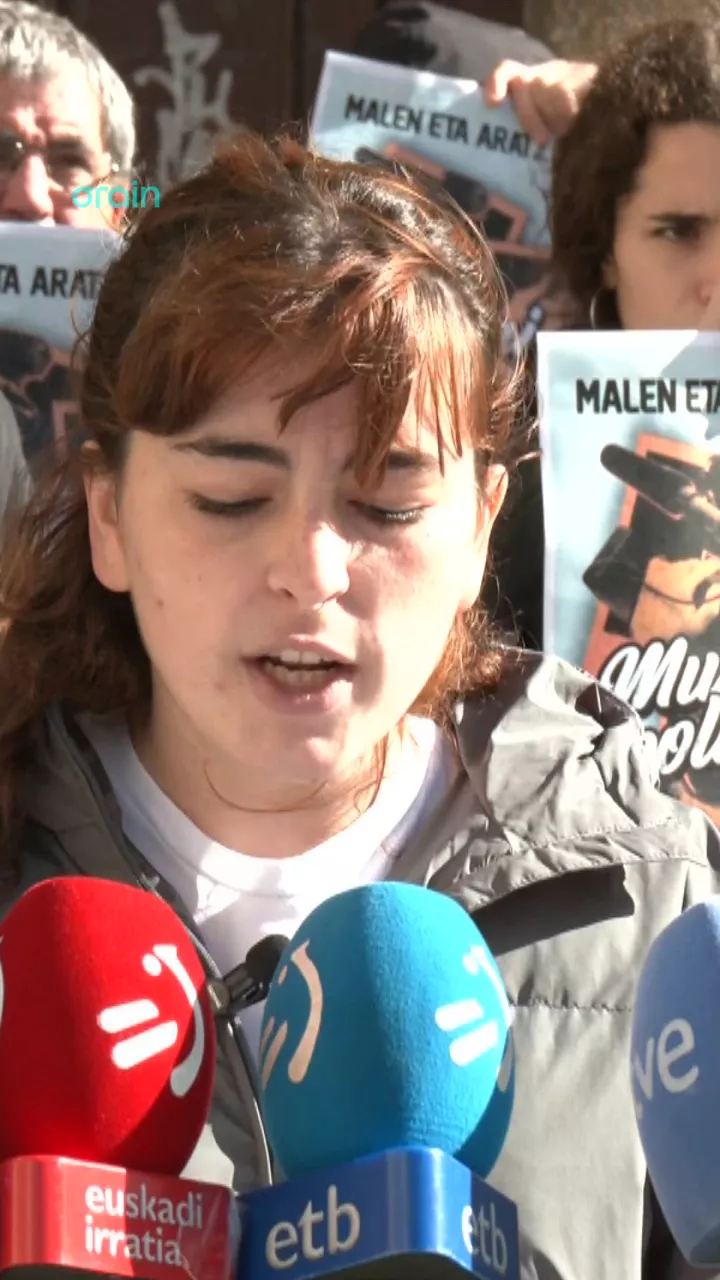
Aske alleges that the two imprisoned by the National High Court are victims of a "criminalization campaign"
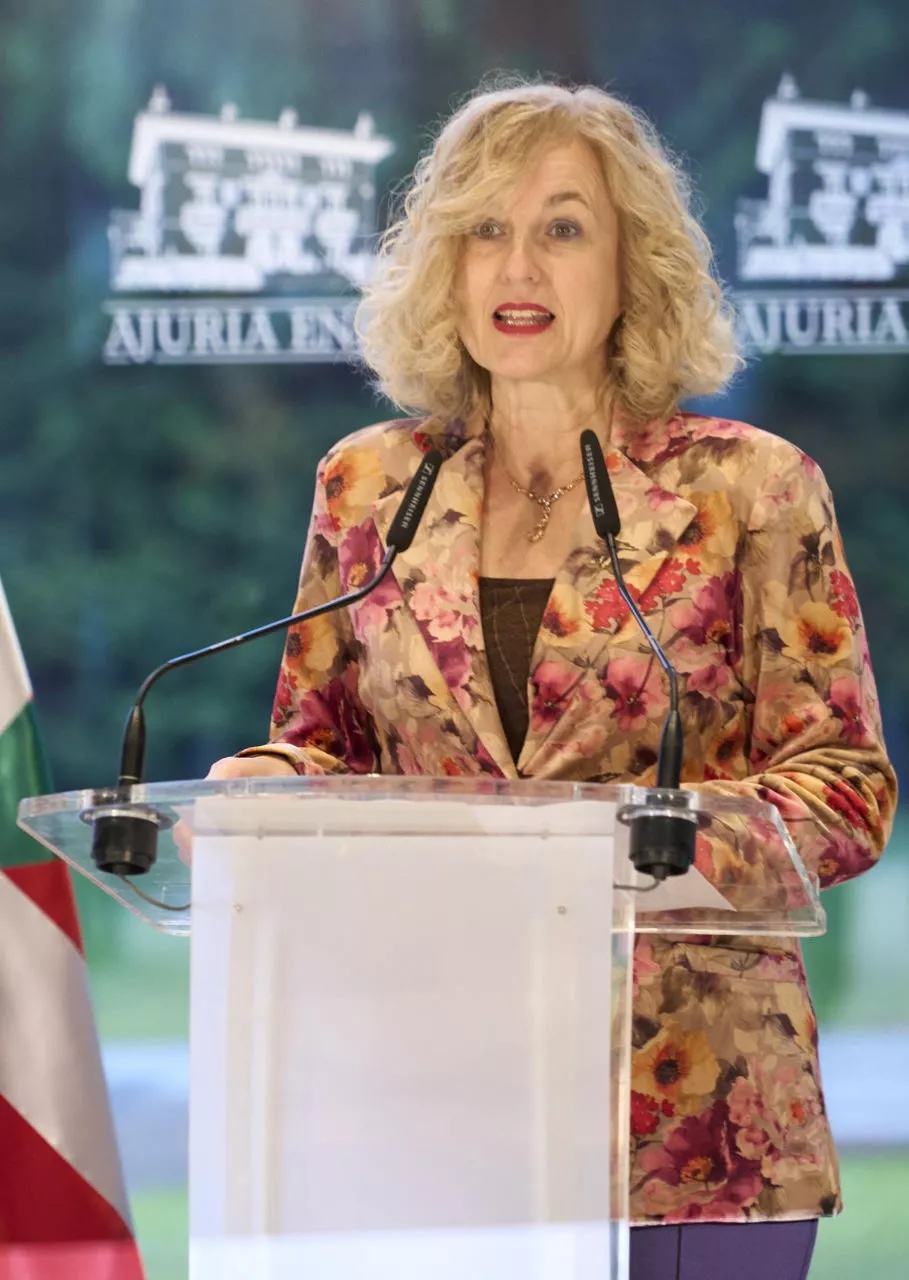
Cristina González takes office as Counsellor for Tourism, Trade and Consumption of the Basque Government

EH Bildu Navarra presents his candidacy for general election, led by Maiz and Aoiz
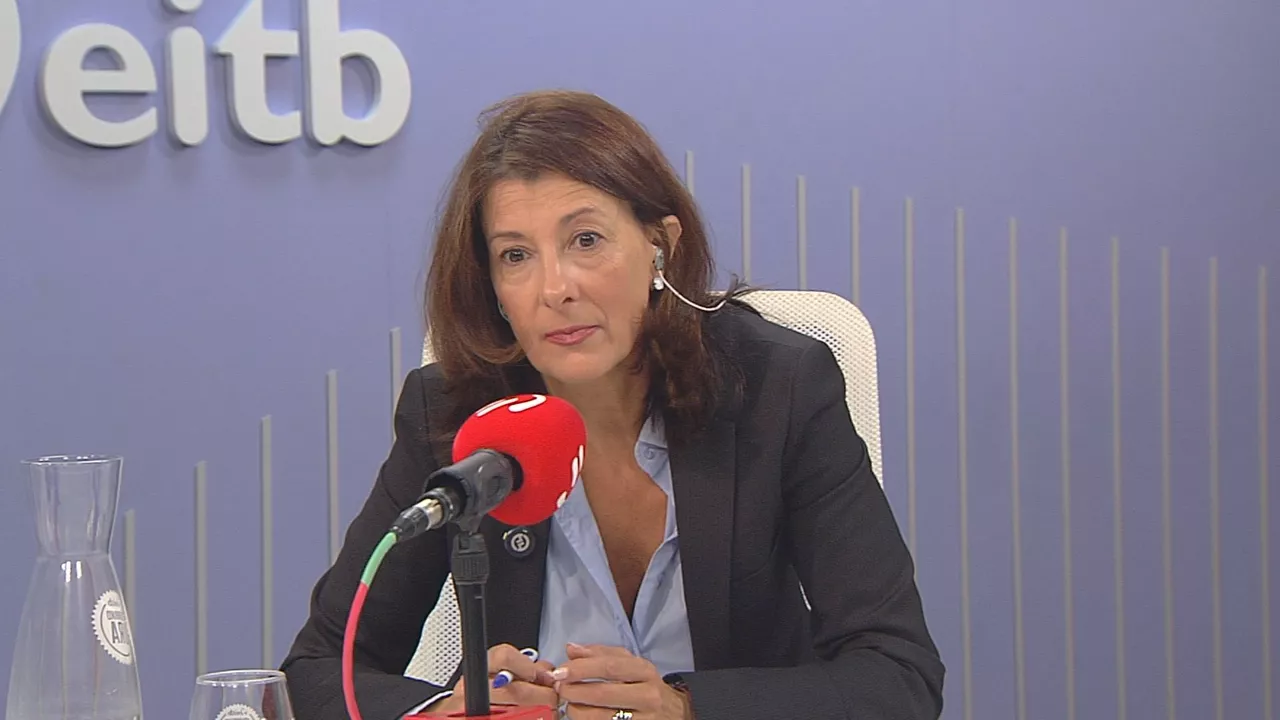
The PP calls for "respect for justice" in the case of two people imprisoned for a terrorist offence
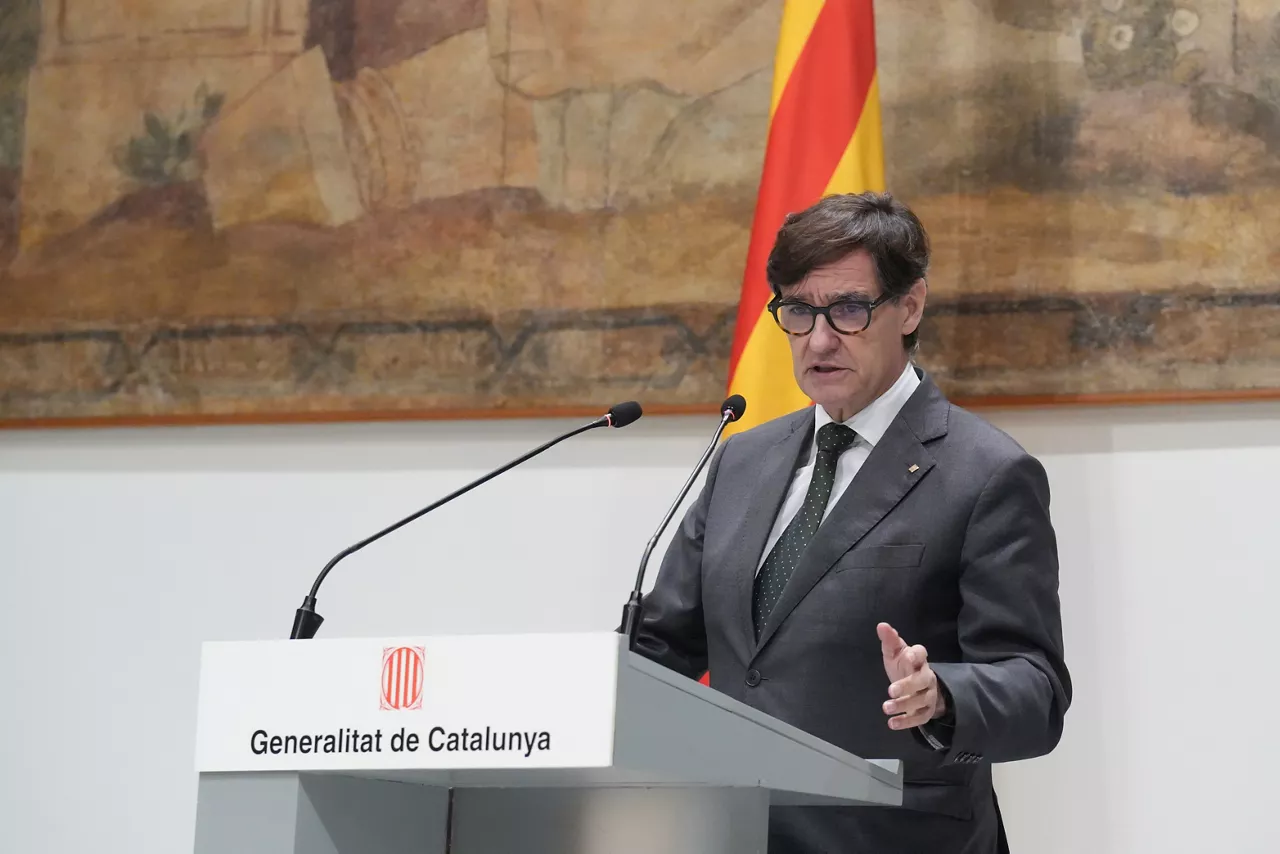
Illa has argued that amnesty opens a new stage in Catalonia: "It is everyone's victory."