
Garaikoetxea, the lehendakari who laid the foundations for Basque self-government
A politician who played an indispensable role in the transition, one of his main responsibilities was to draw and build the structure of the Basque institutions. Disagreements with the PNV led him to create Eusko Alkartasuna.
?ts=1777908755757&dpr=off&fmt=webp-alpha&qlt=80 "Carlos Garaikoetxea in 1979. Photo: Wikipedia")
Carlos Garaikoetxea, 1979.

"I went into politics because it hurt me to see the Euskera of Navarre retreat." These words were used by Carlos Garaikoetxea to explain the beginnings of his vocation and his career asapolitician in the documentary 'Garaikoetxea, an unfinished transition'.
Born in Pamplona in 1938, Carlos Garaikoetxea Urriza was the first President of the Transition since the Basque Nationalist Party in 1980. While the traces of Franco's dictatorship were still very much present, his main task was to set in motion institutions almost exclusively, combining different political sensitivities. He was elected to the post of President twice (1980 and 1984).
He conducted his first studies in the Escolapios of the Navarre capital, and thengraduated in Law and Economics from the University of Deusto. He completed his academic career in London and Paris. Indeed, his technical vision as a lawyer and economist was key to his arrival in the Government of Vitoria to develop the newly born Gernika Autonomy Statute (1979).
In 1975 he took his first steps in politics, affiliated with the PNV, and four years later he left the private sector to devote himself entirely to politics. Healso became president of the Euzkadi Buru Batzar (EBB), from 1977 to 1980, and in the 1979 municipal and foral elections he took his seat in the Foral Parliament of Navarre. In June of the same year he was appointed president of the Basque General Council, replacing Ramón Rubial.
During his tenure as President, the Government launched, among others, the Ertzaintza, Osakidetza or EITB. The rule allowing the union of public employees was also introduced during his term of office and was responsible for managing events that had a major impact on Basque society, such as the 1983 floods , the plane crash in Oiz or the explosion in a school.
The disagreements with the PNV leadership over the Historical Territories Act led him to resign as President in 1985 and to take over from José Antonio Ardanza, which led to a split within the party, and a few months later to the formation of the Eusko Alkartasuna party, led by Garaikoetxea.
He left active politics in 1999 but has always been closely linked to EA decisions. In 2009 he participated in the presentation of the document promoting the unity of nationalist parties, from which, after a long process, EH Bildu was born.
He married Sagrario Mina, with whom they had three children, and died this afternoon in Pamplona.
You might like
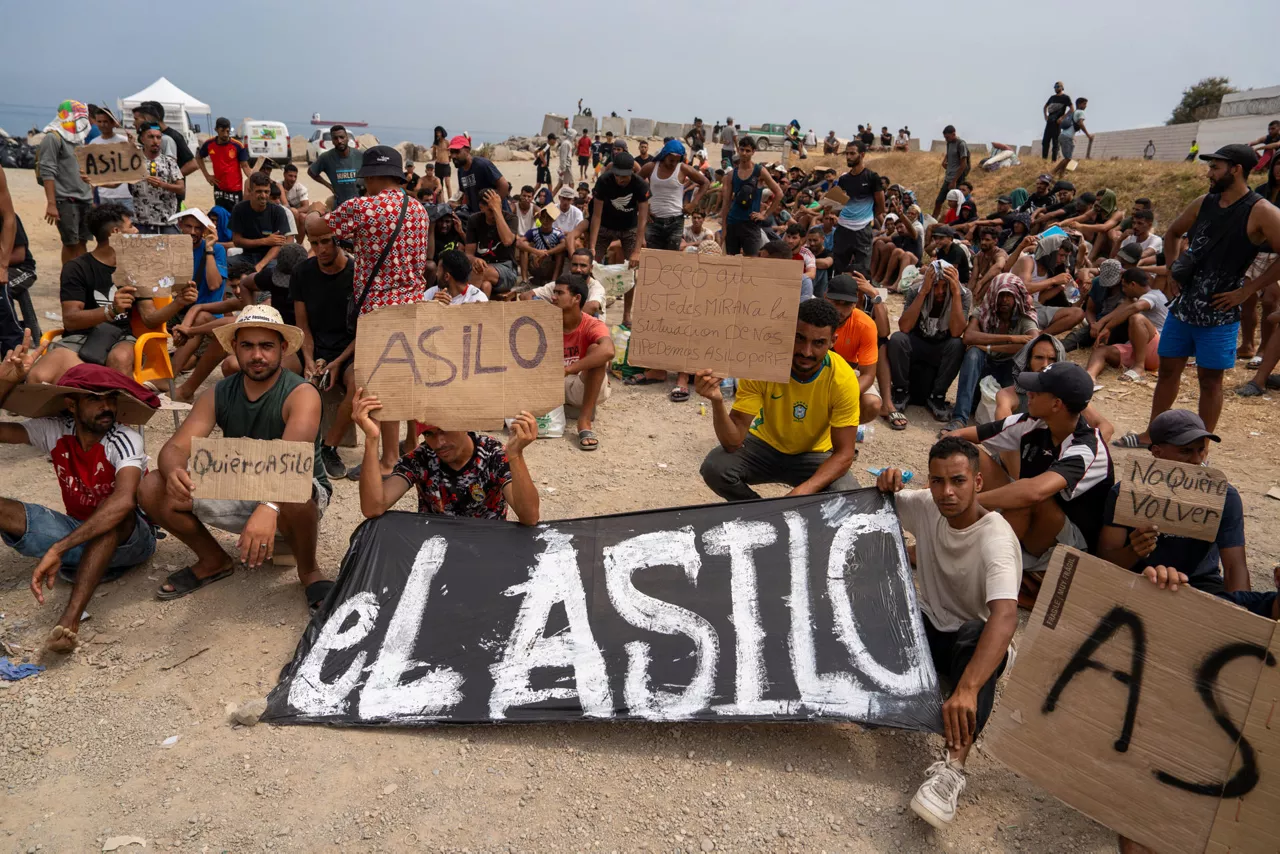
The Basque Government stresses the need for unaccompanied minors in Ceuta to return to their families
Lakua urges the Spanish Government to exhaust all options before distributing them to the Autonomous Communities.
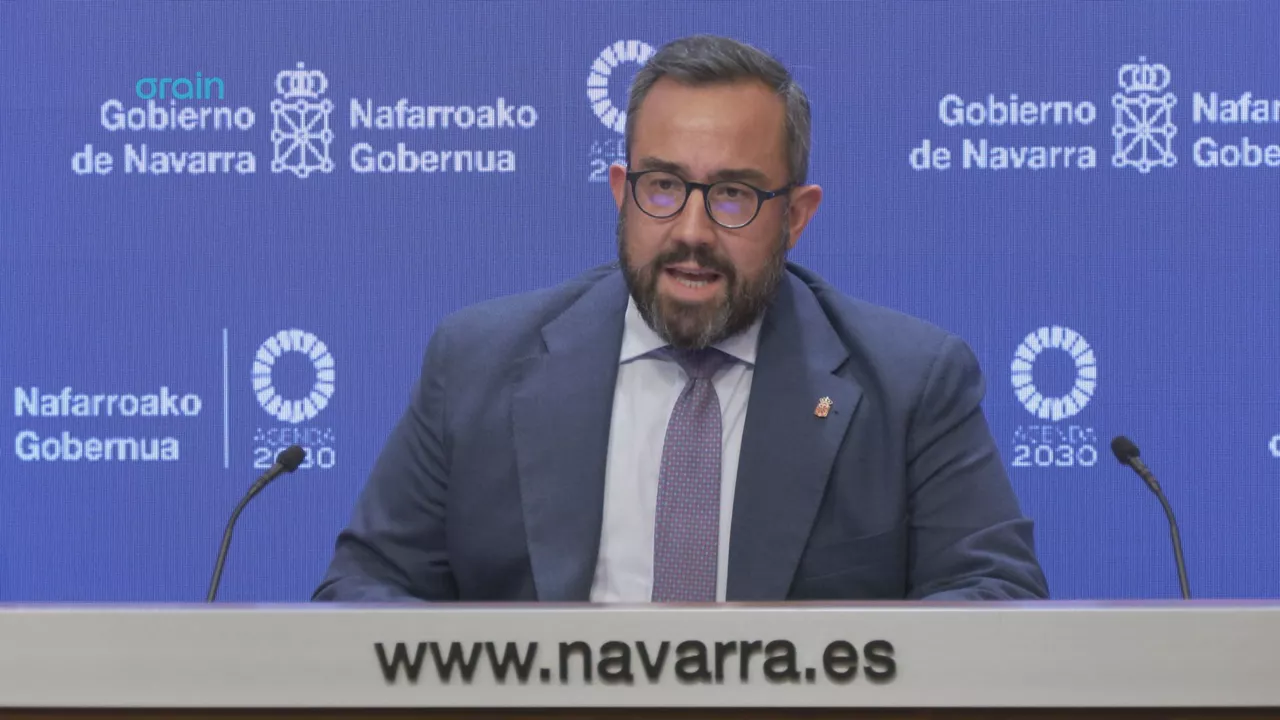
Navarre will "comply" with the distribution of minors, but without paying for the "lack of solidarity" of other communities
The first Vice-President and spokesperson for the Government of Navarre, Javier Remírez, has stated that Navarra "will comply with the regulations" and will abide by the distribution and reception of unaccompanied migrant minors, but will not accept "the lack of solidarity of other autonomous communities".
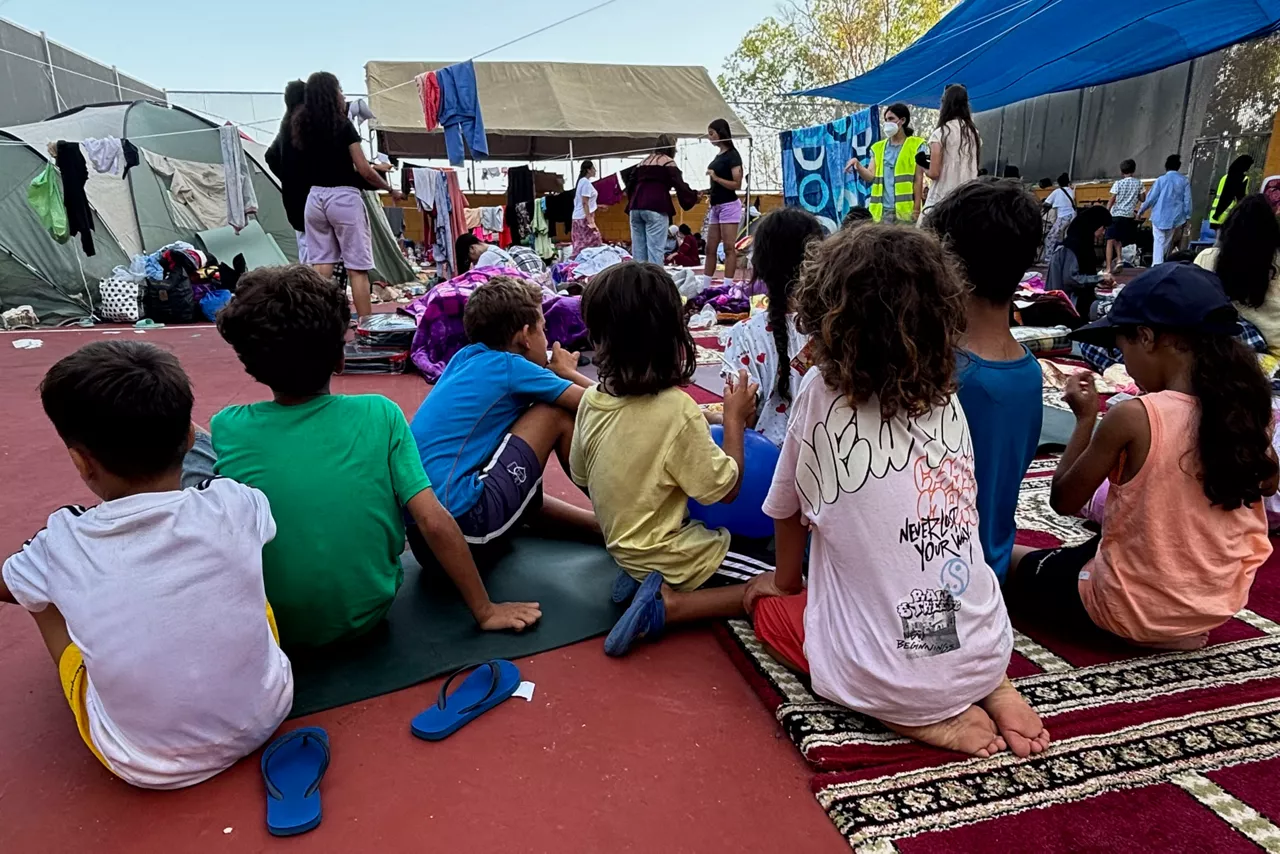
The Spanish Government is working to bring 500 migrant girls from Ceuta to the peninsula
The Spanish Government is working on the transfer to the peninsula of some 500 unaccompanied migrant girls who are in Ceuta after the massive entry in late July. The Ministry of Youth and Children is studying to ensure that child protection agencies receive them in adapted resources, without the need to transfer their guardianship to the Autonomous Communities.

Bilboko Konpartsak and Sare have called for a demonstration on 28 August to demand that there be no prisoners in 2027
Sare and Bilboko Konpartsak have called for a Home Day on 28 August, in the middle of Big Week, to proclaim the return home of Basque prisoners, refugees and deportees through a demonstration and a popular meal, and at today's hearing they have set themselves the goal of making the 2027 festivities the first without prisoners or repressors.
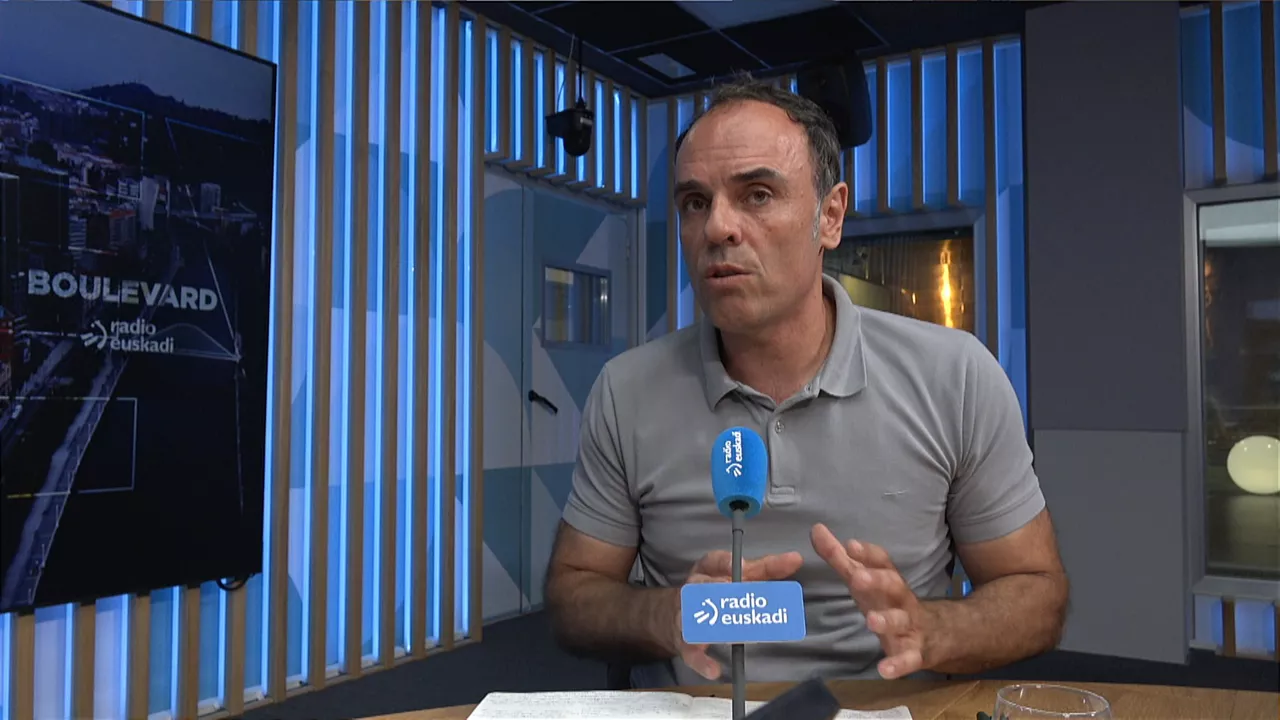
The Government advocates the return of migrant minors from Ceuta to their families and, in cases where it is not possible to receive them
The Director of Children, Adolescents and the Family, Txema Ezkerra, considers it "unacceptable" for Vox to break the law in the communities that manage this area and has asked the state to intervene.
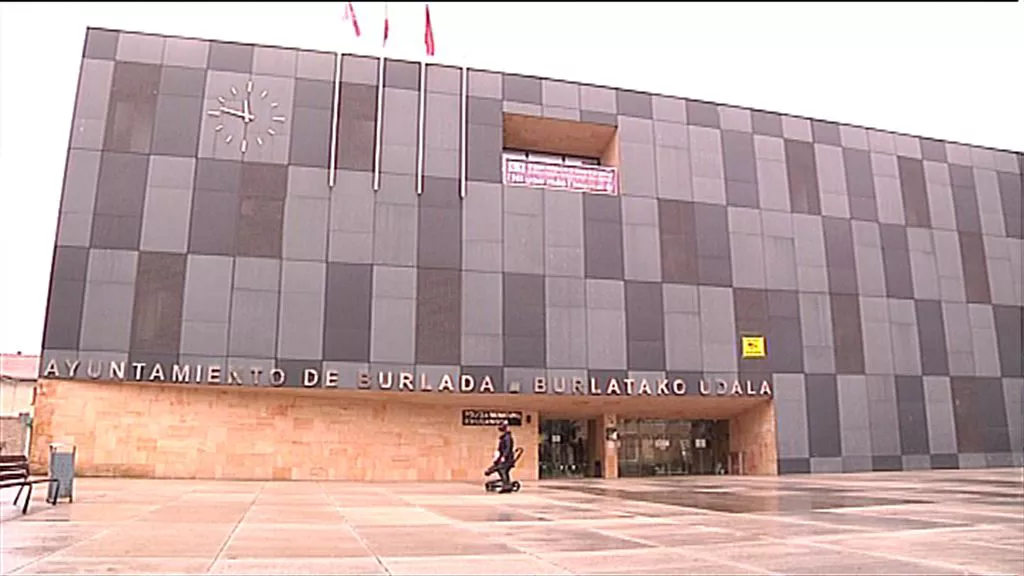
Burlada City Council Unanimously Condemns Attack on UPN Councilman at Parties
Last Saturday, UPN councillor Carlos Oto was attacked at the headquarters of the regionalist party, where several party members and others were gathered.
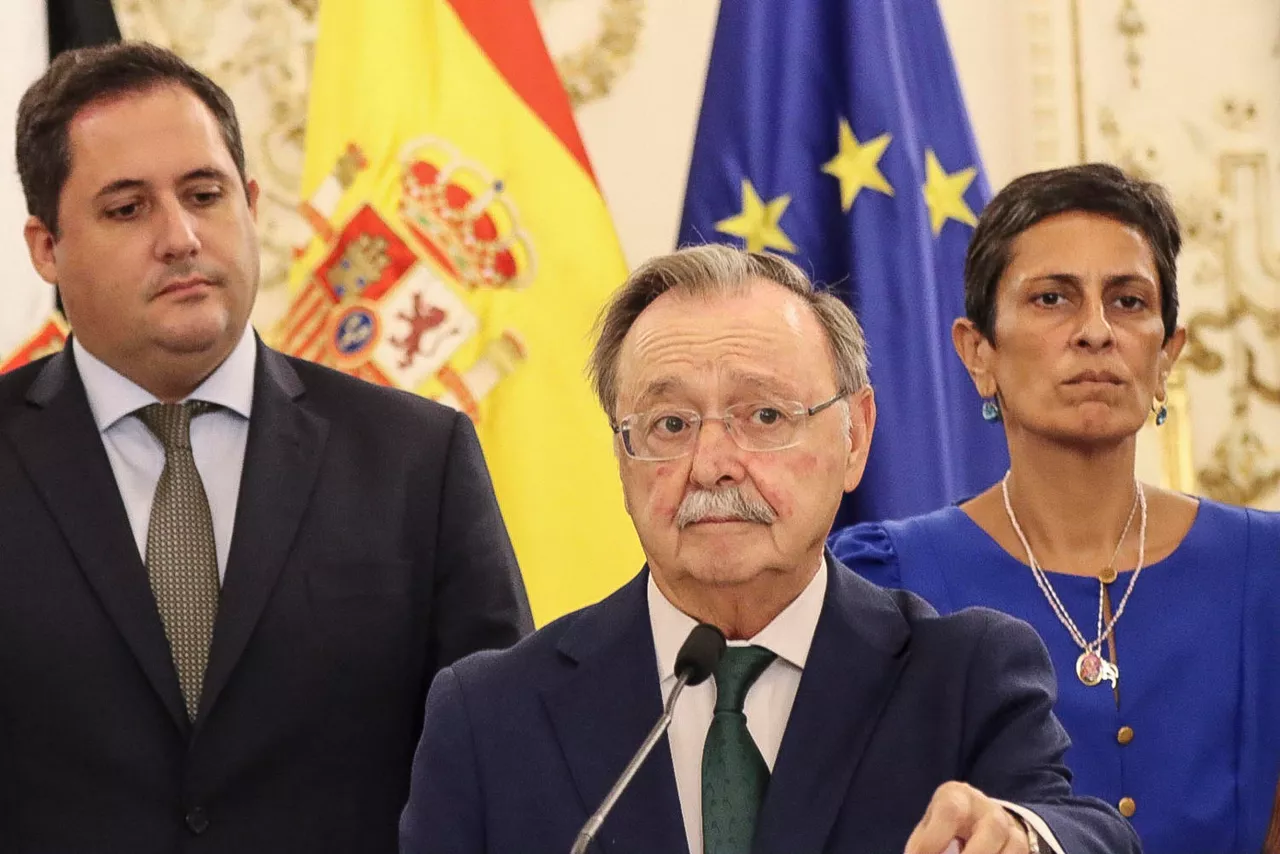
Ceuta's president accuses the government of "make-up reality" and gives it 30 days to resolve the crisis
Juan Vivas has strongly criticized the government for its "lack of response" and "passivity" in the face of the migration crisis that has arisen following the entry of some 70,000 people from Morocco into the autonomous city on 30 and 31 July. In a hearing, Vivas asked whether the government's passivity seeks to "not disturb" Morocco and announced that it will turn to the judiciary and other levels if the crisis is not resolved within 30 days.
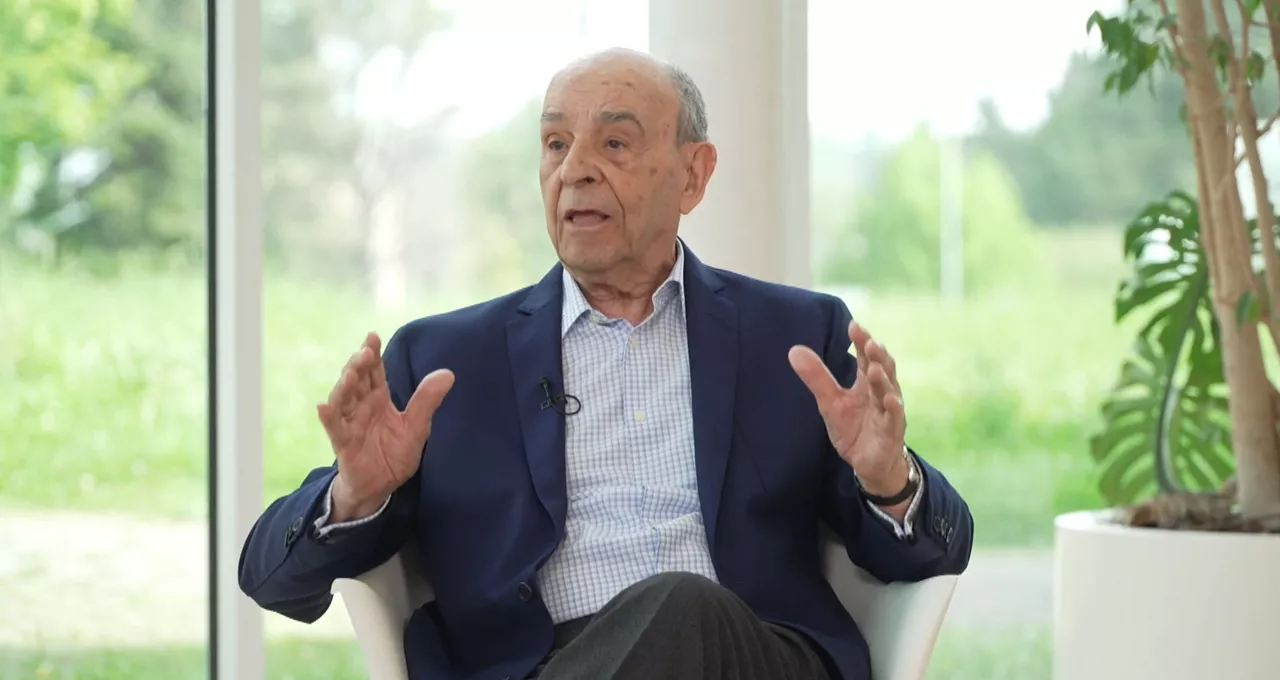
Javier Lasagabaster, Counsellor for Territorial Policy and Public Works, dies between 1980 and 1984
Lasagabaster was a member of the Government headed by Carlos Garaikoetxea in his first term between 1980 and 1984.
UPN denounces assault on a councilman at Burlada parties
The party claims that Carlos Oto was hit in the chest at UPN headquarters, while the Navarre president and several parties have condemned the attack and shown their support for the councillor.

The Court of Pau has provisionally revoked the confessions of the houses of Bayonne and Sara to the Euskera
On 2 July, the House of Sara and the House of Bayonne on 23 July adopted a decision recognizing the Basque language as the language of the place. The Administrative Court of Pau has annulled both decisions. Both municipalities will appeal on Monday.