
The keys to the Transparency Act in the Basque Country: access to public information, greater control and complaint mailbox
The independent body known as Gardena shall ensure compliance with the law and shall have an area of activity covering all public sector administrations, agencies and entities, both private and private, provided that non-compliance is limited to the Basque Country.

Plenary session of the Basque Parliament. Photo: Basque Parliament

The Transparency Act of the Basque Country adopted this Thursday will make it possible to increase control over the management of public resources and cooperation with lobbies (lobbies) of administrations, and to strengthen the protection of citizens who report on infringements and corruption in the public sector.
The Act is binding on the public sector of the Basque Administration, on local entities, on the general meetings of the three territories, on the Ararteko, on the Labour Relations Council, on Parliament and, in some respects, on the private sector, but not on the Member States, which have their own regulations, and regulates everything relating to the "good" functioning of the public sector.
The right of individuals to free access to public information is guaranteed as a general rule and the participation of citizens in the design and adoption of decisions of public interest is regulated.
Public institutions shall publish on their own initiative relevant public information to ensure transparency, such as grants and subsidies granted and beneficiaries or remuneration for senior officials and contracts.
Public service organizations shall also provide information on their work and include a complaint and suggestion mailbox.
All citizens shall have the right to know the reasons for their failure to provide information and to respect obligations based on the principles of good faith.
Transparent, the authority that ensures compliance with the law
In this context, the Basque Transparency Authority -Gardena- is established as an independent body to ensure compliance by the public administration with its obligations with regard to active publicity and the right of access to information, with the capacity to issue decisions containing corrective measures and to initiate punitive procedures or disciplinary proceedings.
It shall also act as an independent authority for the protection of information on violations and the fight against corruption and shall include all administrations, agencies and institutions in the public and private sectors where such non-compliance is limited to the Basque Country.
Citizens may file a complaint with this body when they are denied the right to receive information or when the citizen does not wish to do so. The person responsible shall be appointed by the Basque Parliament by a three-fifths majority of its members.
Another section of the regulation regulates the creation ofa register of interest groups , also known as lobbies, which will facilitate their public identification and ensure transparency and control of their activity vis-à-vis the Basque public sector.
Interest groups are those persons or entities which, regardless of their form or legal status, carry out activities that may directly or indirectly affect the processes of public policies or normative provisions, their implementation or the decision-making of public sector administrations and entities.
In addition, a system of penalties is established for offences in the field of transparency, with penalties attributable to senior officials for breach of the law, with fines of up to €12,000, or with the need to cease in the case of very serious offences.
If the breaches are committed by private entities obliged to provide information and by public law corporations, the penalties may amountto EUR 400 000 and, in some cases, the refund of the subsidies received or, where appropriate, the termination of the contract or agreement.
You might like
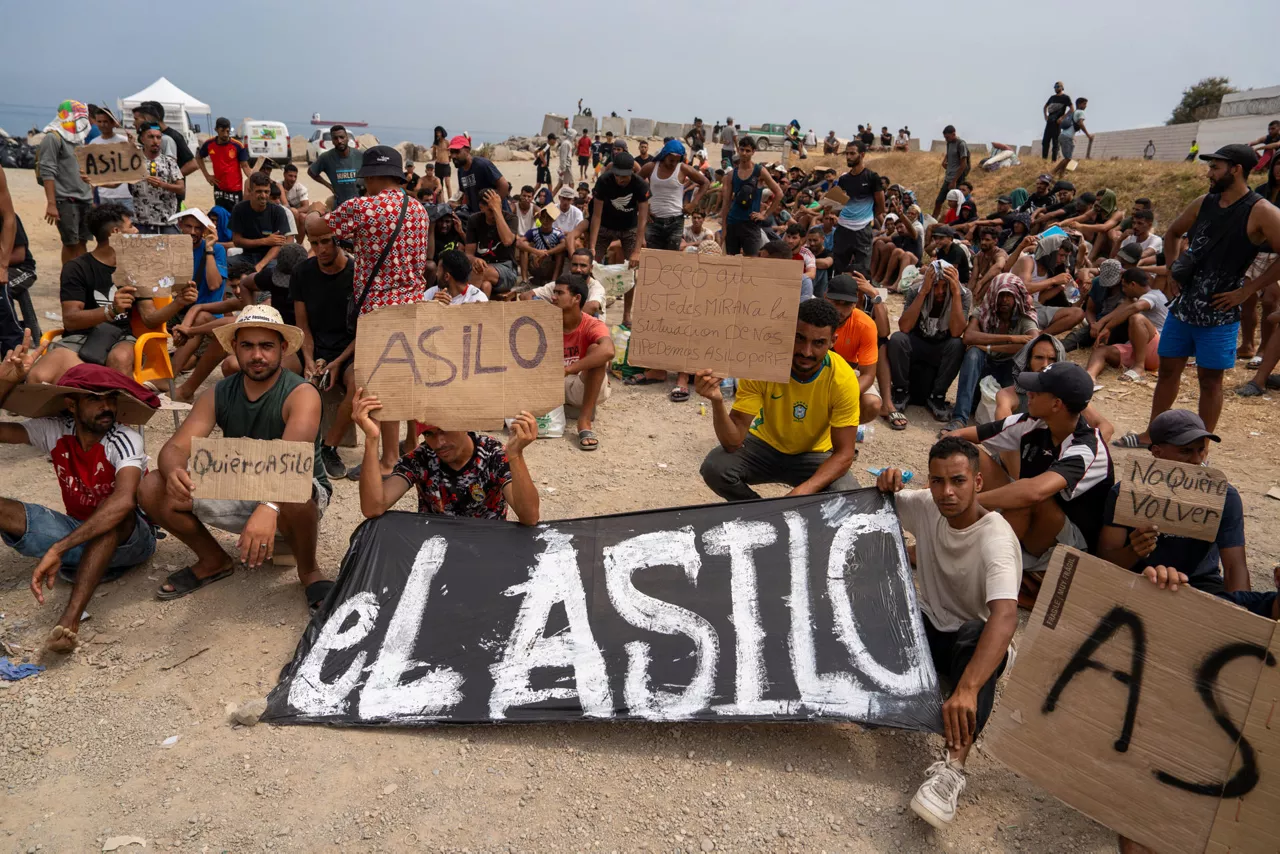
The Basque Government stresses the need for unaccompanied minors in Ceuta to return to their families
Lakua urges the Spanish Government to exhaust all options before distributing them to the Autonomous Communities.
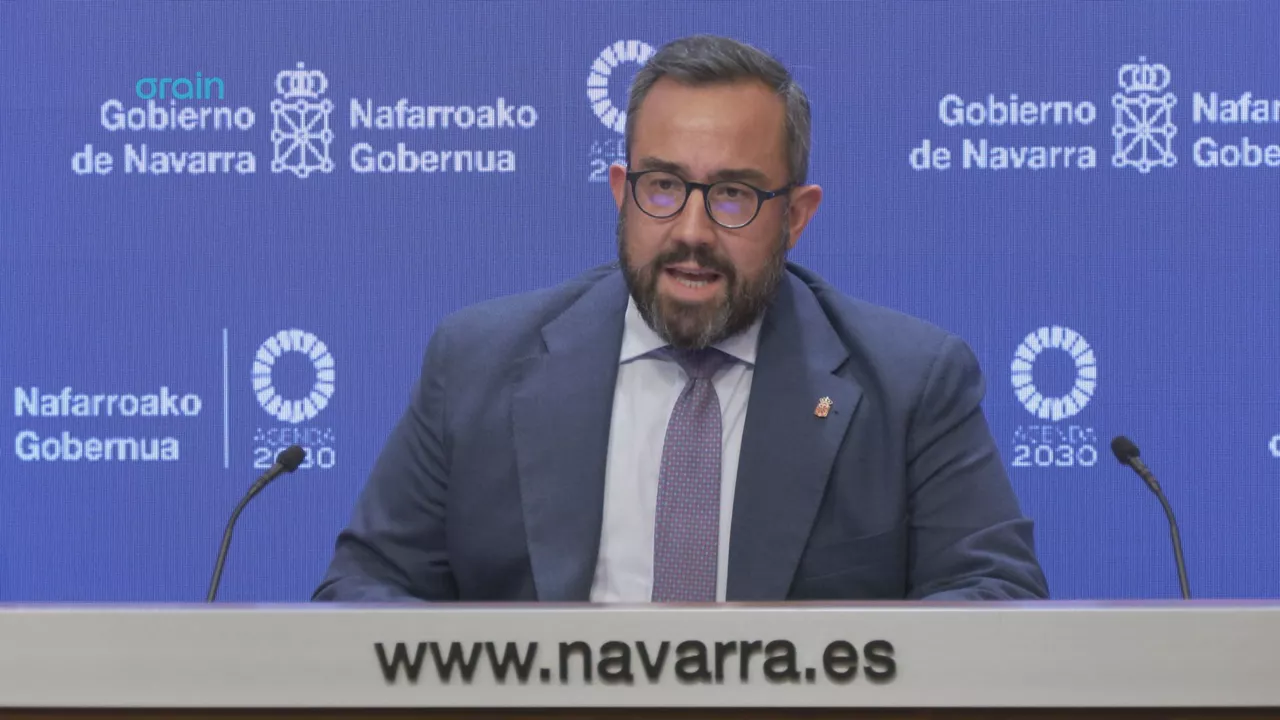
Navarre will "comply" with the distribution of minors, but without paying for the "lack of solidarity" of other communities
The first Vice-President and spokesperson for the Government of Navarre, Javier Remírez, has stated that Navarra "will comply with the regulations" and will abide by the distribution and reception of unaccompanied migrant minors, but will not accept "the lack of solidarity of other autonomous communities".

The Spanish Government is working to bring 500 migrant girls from Ceuta to the peninsula
The Spanish Government is working on the transfer to the peninsula of some 500 unaccompanied migrant girls who are in Ceuta after the massive entry in late July. The Ministry of Youth and Children is studying to ensure that child protection agencies receive them in adapted resources, without the need to transfer their guardianship to the Autonomous Communities.

Bilboko Konpartsak and Sare have called for a demonstration on 28 August to demand that there be no prisoners in 2027
Sare and Bilboko Konpartsak have called for a Home Day on 28 August, in the middle of Big Week, to proclaim the return home of Basque prisoners, refugees and deportees through a demonstration and a popular meal, and at today's hearing they have set themselves the goal of making the 2027 festivities the first without prisoners or repressors.
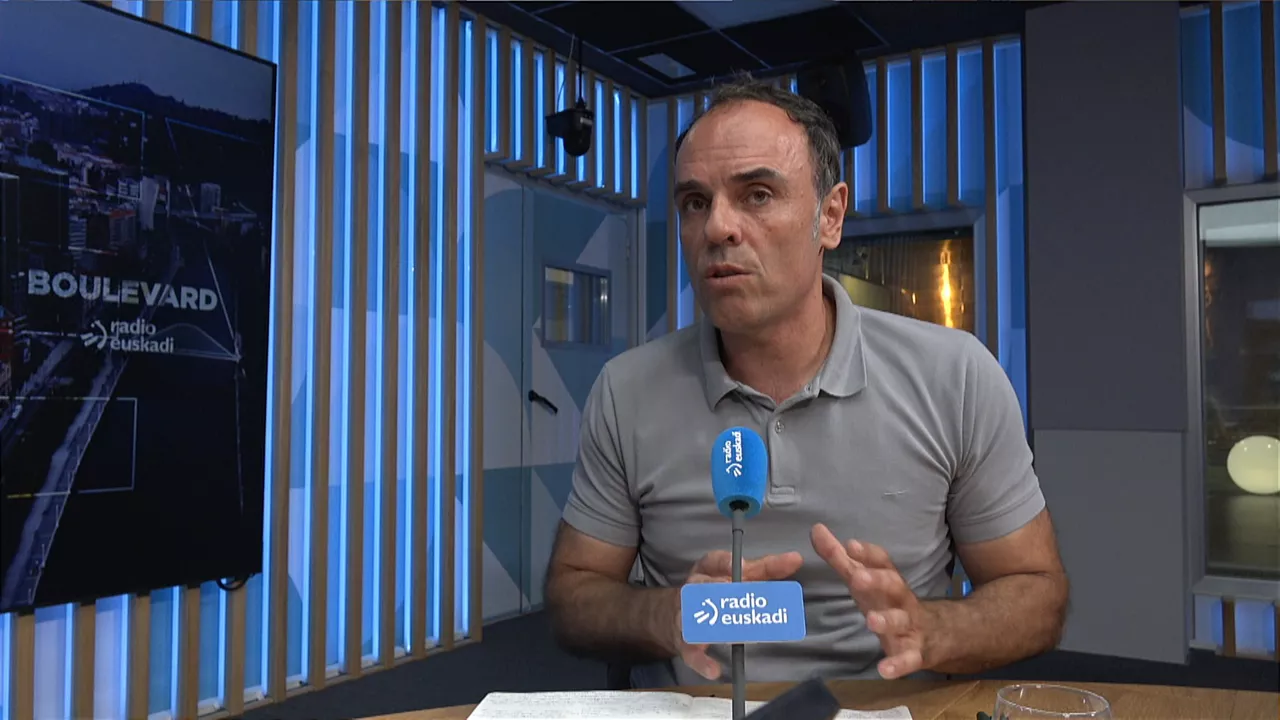
The Government advocates the return of migrant minors from Ceuta to their families and, in cases where it is not possible to receive them
The Director of Children, Adolescents and the Family, Txema Ezkerra, considers it "unacceptable" for Vox to break the law in the communities that manage this area and has asked the state to intervene.
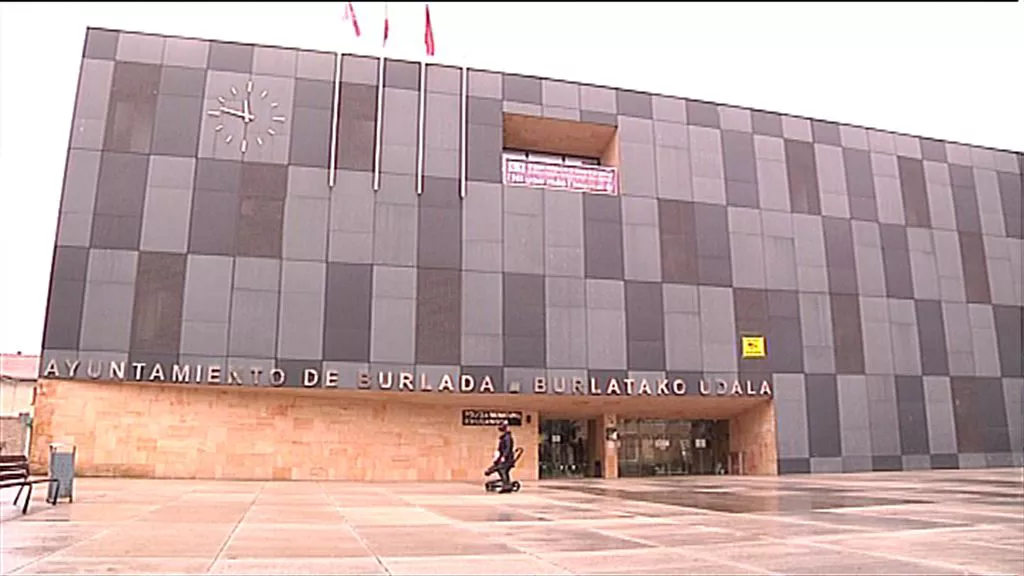
Burlada City Council Unanimously Condemns Attack on UPN Councilman at Parties
Last Saturday, UPN councillor Carlos Oto was attacked at the headquarters of the regionalist party, where several party members and others were gathered.
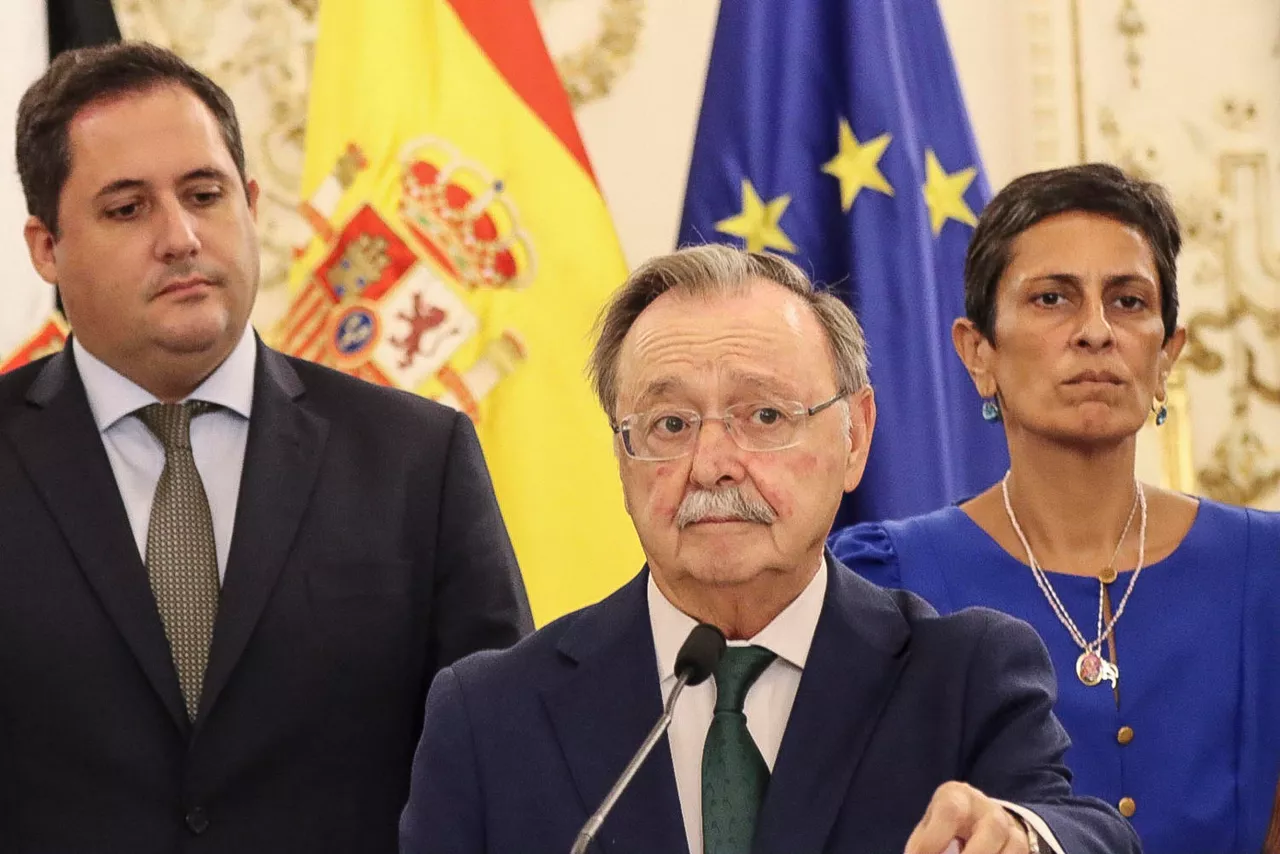
Ceuta's president accuses the government of "make-up reality" and gives it 30 days to resolve the crisis
Juan Vivas has strongly criticized the government for its "lack of response" and "passivity" in the face of the migration crisis that has arisen following the entry of some 70,000 people from Morocco into the autonomous city on 30 and 31 July. In a hearing, Vivas asked whether the government's passivity seeks to "not disturb" Morocco and announced that it will turn to the judiciary and other levels if the crisis is not resolved within 30 days.
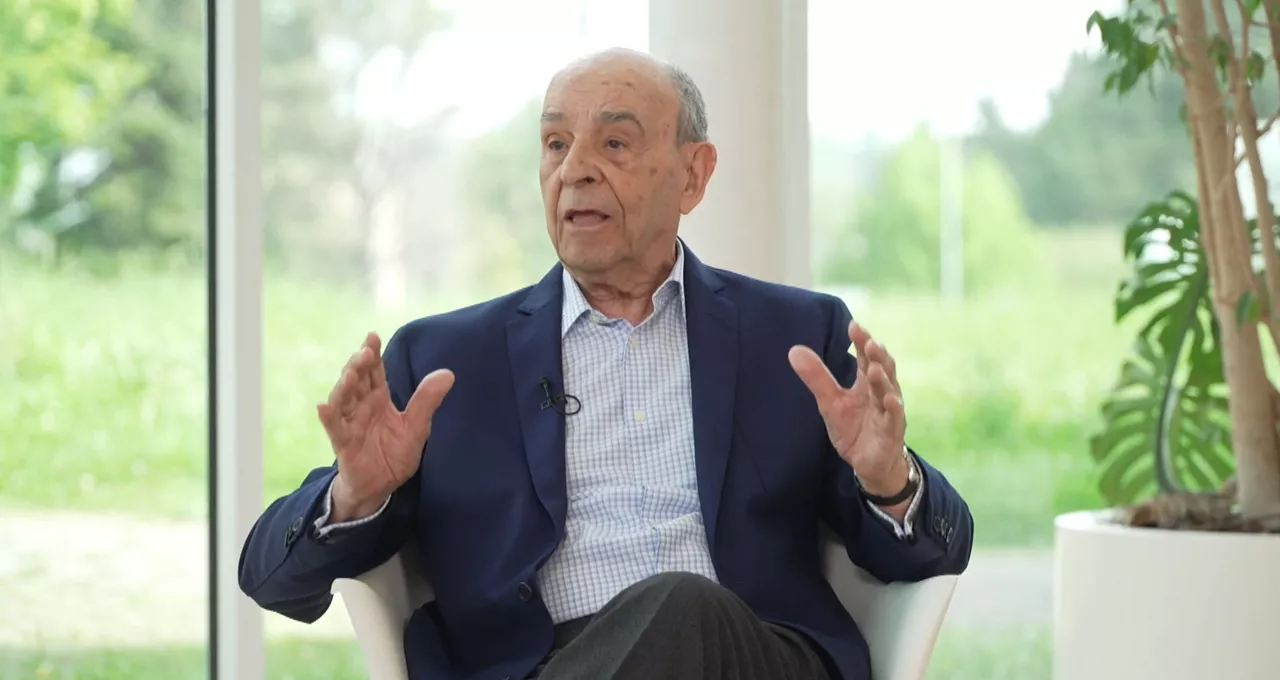
Javier Lasagabaster, Counsellor for Territorial Policy and Public Works, dies between 1980 and 1984
Lasagabaster was a member of the Government headed by Carlos Garaikoetxea in his first term between 1980 and 1984.
UPN denounces assault on a councilman at Burlada parties
The party claims that Carlos Oto was hit in the chest at UPN headquarters, while the Navarre president and several parties have condemned the attack and shown their support for the councillor.

The Court of Pau has provisionally revoked the confessions of the houses of Bayonne and Sara to the Euskera
On 2 July, the House of Sara and the House of Bayonne on 23 July adopted a decision recognizing the Basque language as the language of the place. The Administrative Court of Pau has annulled both decisions. Both municipalities will appeal on Monday.