
The Spanish Government
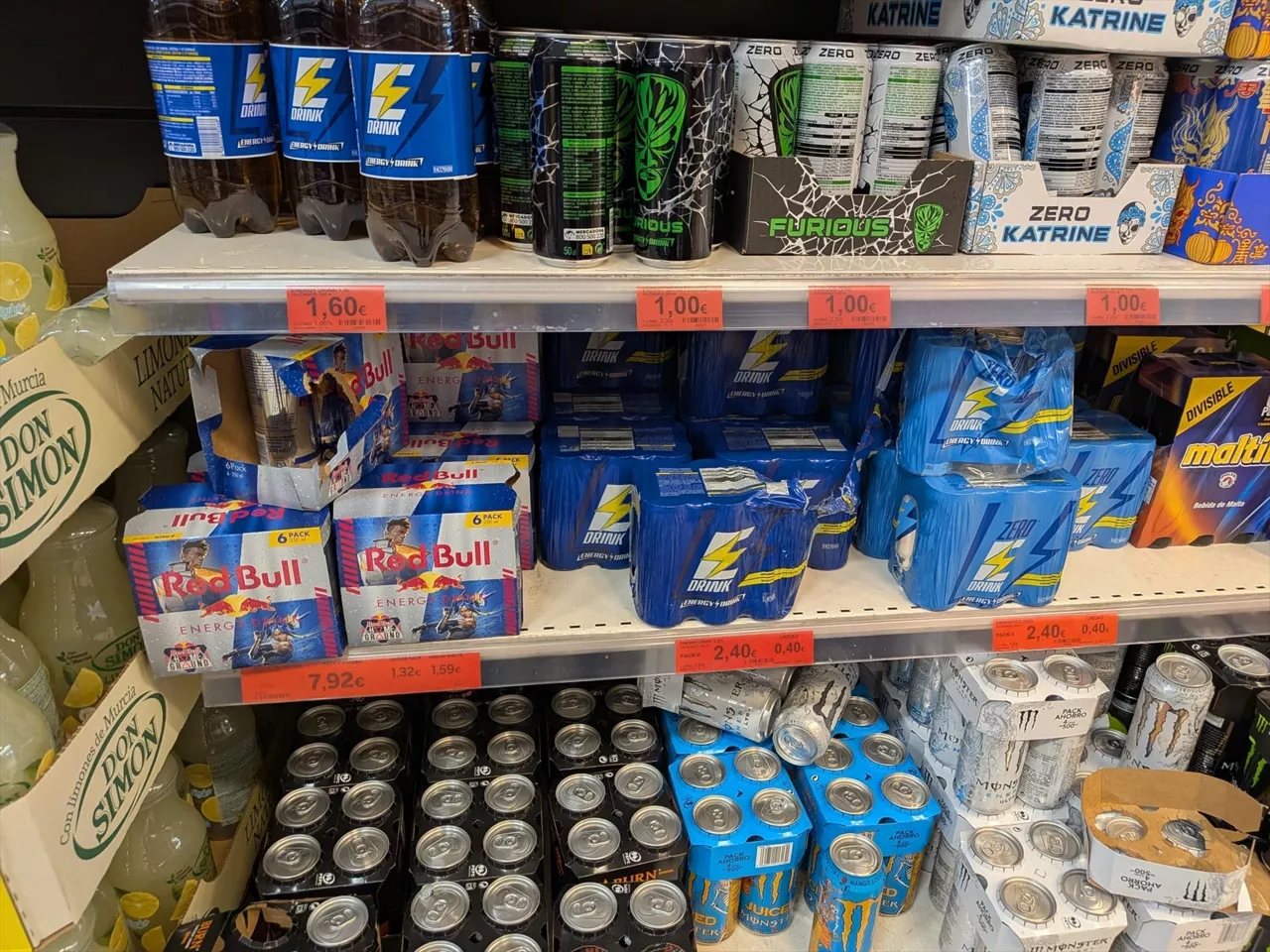
The Spanish Government will ban the sale of energy drinks to children under 16
The Minister of Consumer Affairs has announced that he will implement a regulation prohibiting the sale of energy drinks to children under 16 years of age, which will be up to 18 years for drinks containing more than 32 milligrams of caffeine per 100 military personnel.
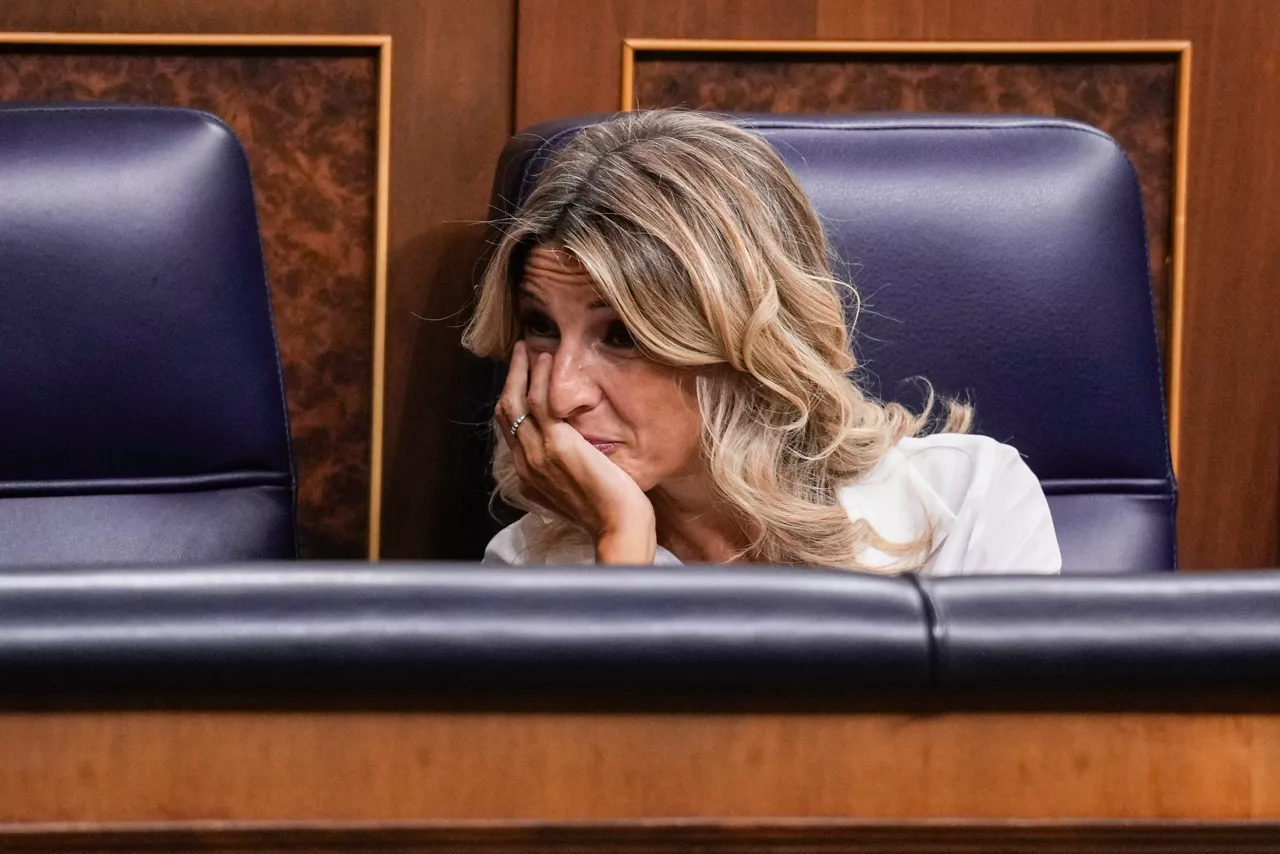
Yolanda Díaz announces she will not run for re-election in the 2027 general election
The Second Vice-President of the Spanish Government has announced this decision through a message posted on the Bluesky social network, taking stock of his term at the Ministry of Labour.
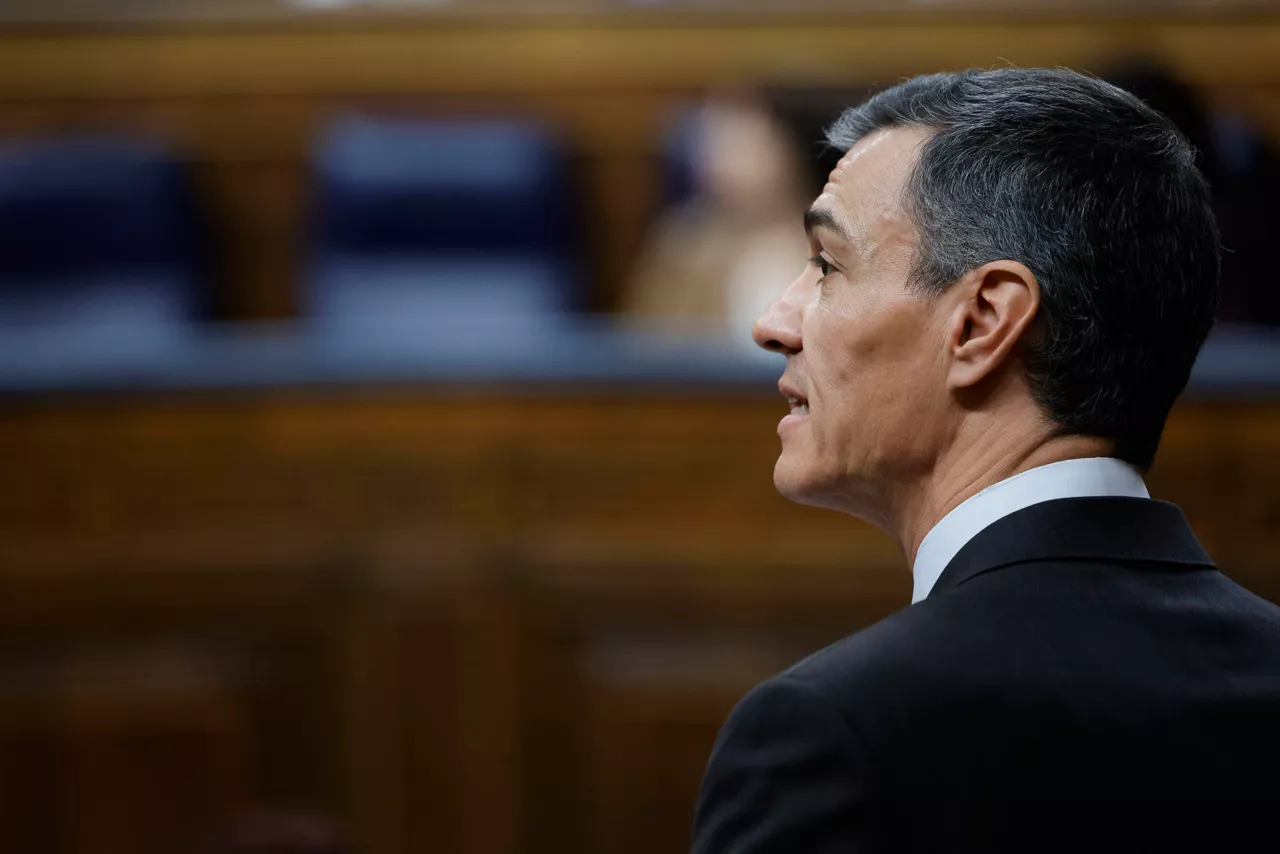
Sanchez has stated that the O23 papers pay off the debt to the citizens
EH Bildu's congressional spokeswoman, Mertxe Aizpurua, has welcomed the decision, but has urged the president to go further and also to raise secrets about the murder of the GAL or Mikel Zabalza, as cases of "great importance to Basque society".
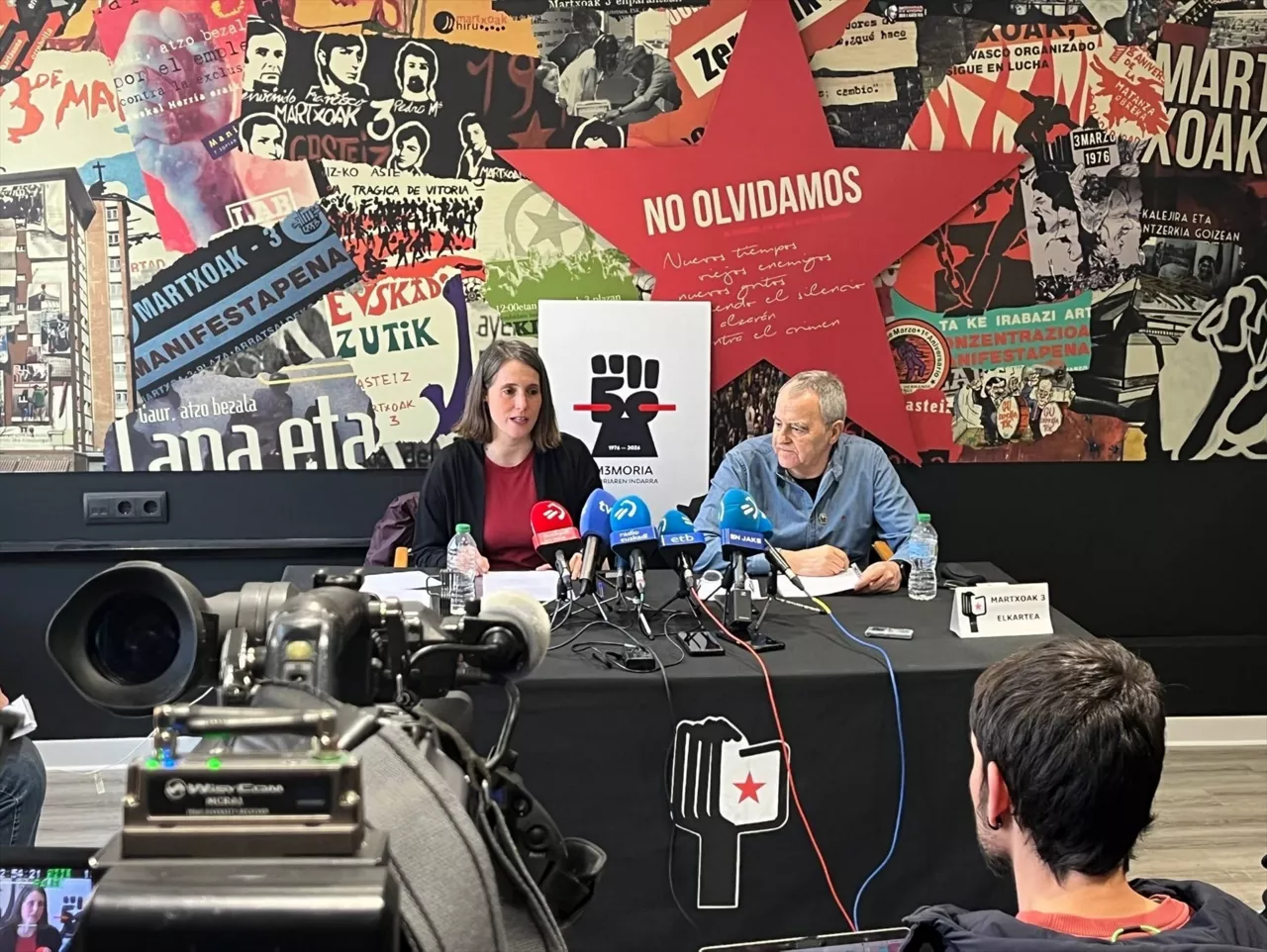
March 3 calls on the Spanish Government to recognize the main and direct responsibility of the State for the crimes of March 3, 1976
The Association calls for "an official statement denying the official Franco version and recognizing the Kingdom of Spain as responsible for the criminal activity of the police".
The Spanish Government will declassify "all" of its documentation on the 23-F, 153 documentary units
The Spanish Government spokeswoman, Elma Saiz, has explained that from noon on Wednesday, anyone interested will be able to consult "all the documentation" found so far on the attempted coup d'état of 81, which has been kept secret for decades. She also hopes that the draft Classified Information Act will be passed in Congress so that "decisions of this kind will cease to be an exception and become a rule."
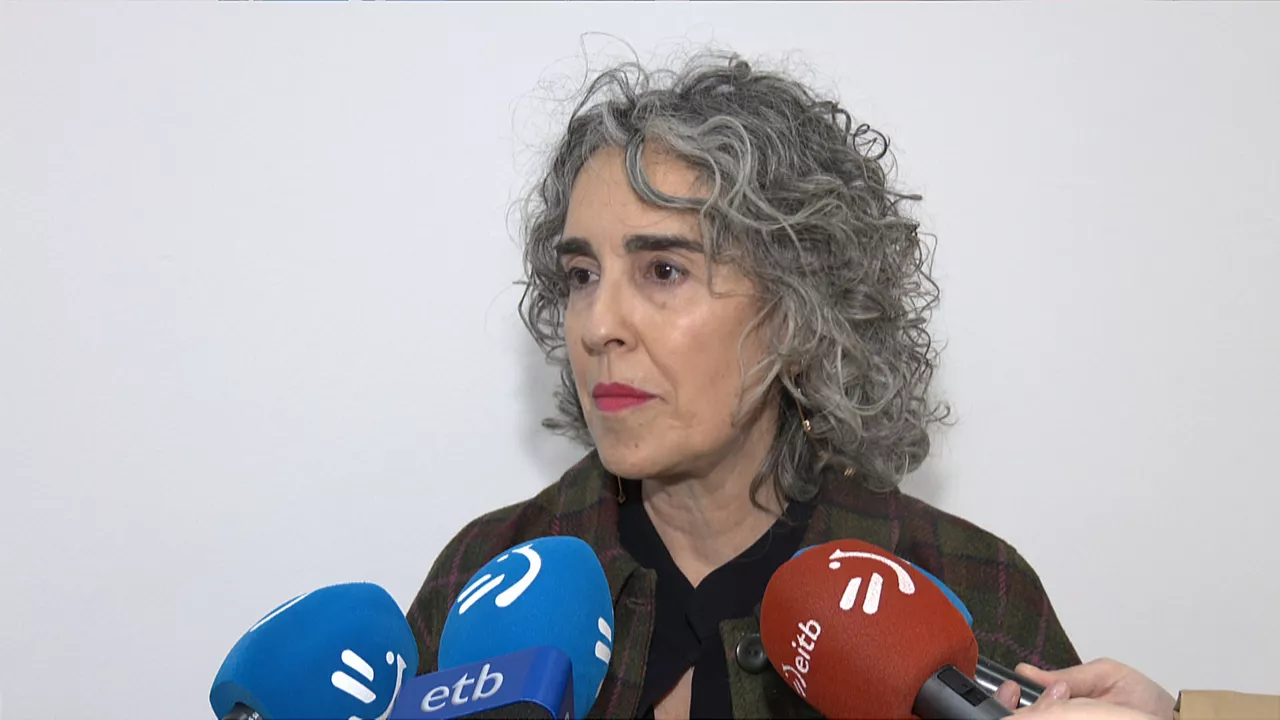
The Basque Government wants knowledge of the Basque Country to be an instrument of cohesion to strengthen the process of integrating migrants

Rufian: "What's the point of 14 left-wing parties defending the same thing competing with each other?"
Under the slogan 'Fight the Present to Win the Future', the event organized by the ERC leader has involved all the left-wing parties in the Spanish state except EH Bildu, Podemos and BNG.
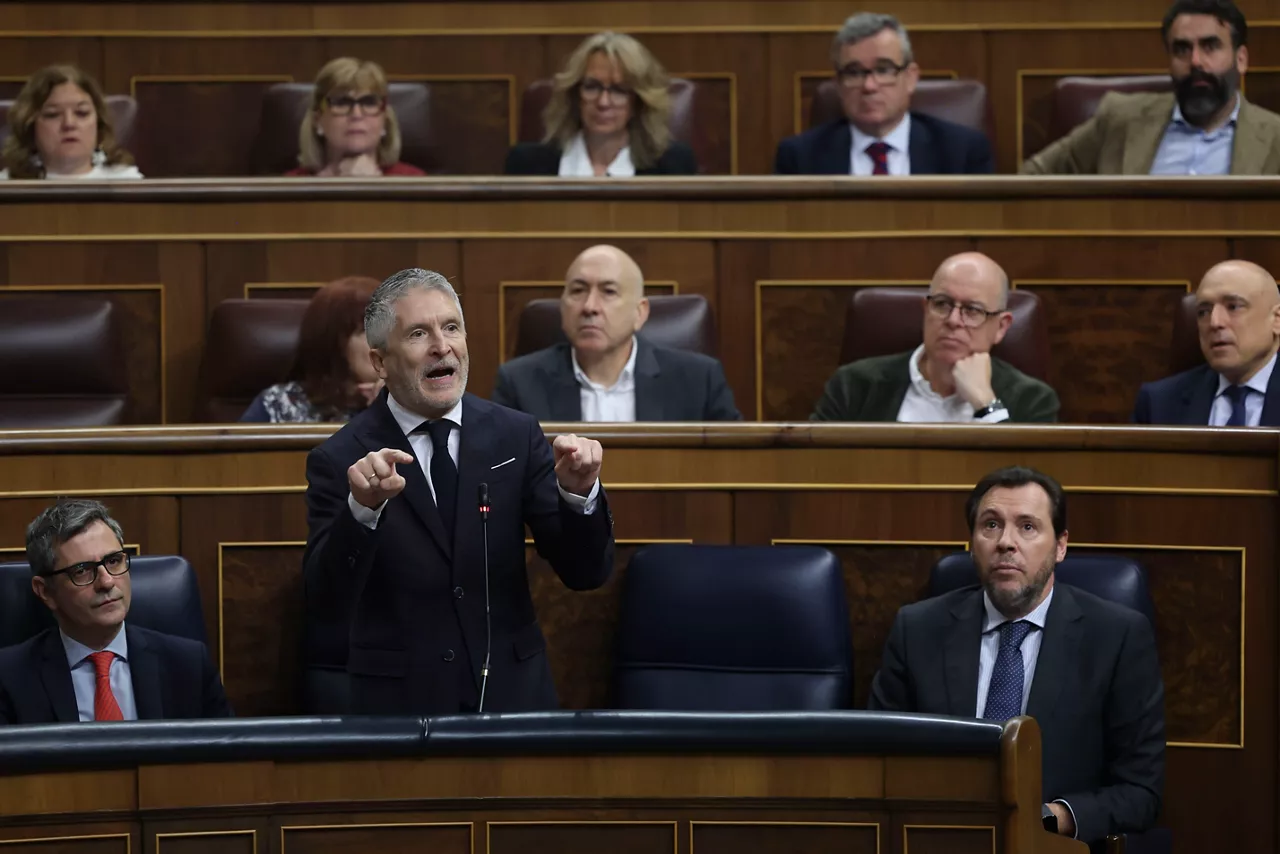
Marlaska says he'll resign if he thinks the accuser failed him
The Minister of the Interior has ignored the PP's request for resignation and has defended his action in the face of the complaint against police number two.

The Spanish Government will ask the Public Prosecutor's Office to investigate whether X, Meta and TikTok have committed crimes
"These platforms are violating the mental health, dignity and rights of our children, something that the state cannot tolerate," Pedro Sánchez stressed on the X social network.
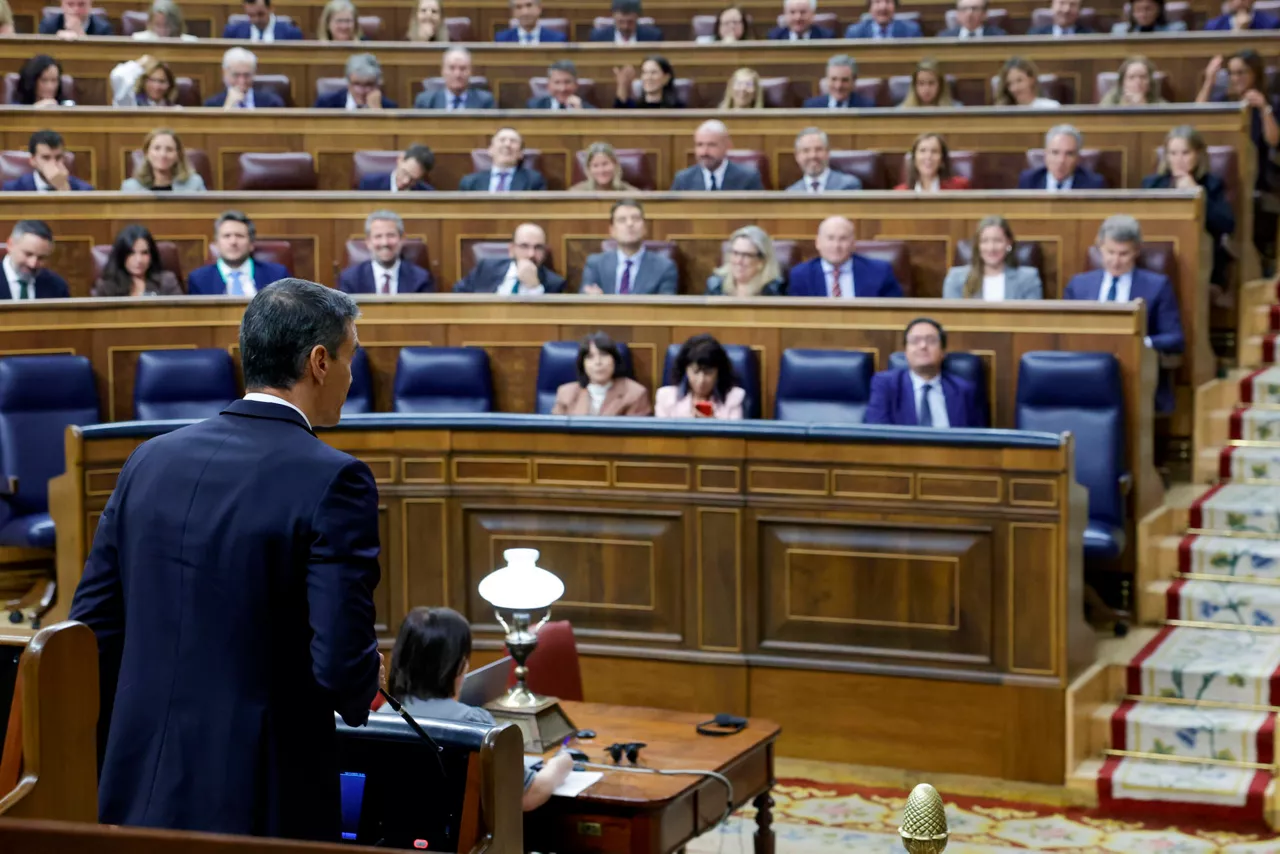
The Spanish Congress will vote today on a law to tighten the penalties for repeat offenders
Government opposition support is expected in this final vote. Junts' reform tightens the penalties for mobile theft.
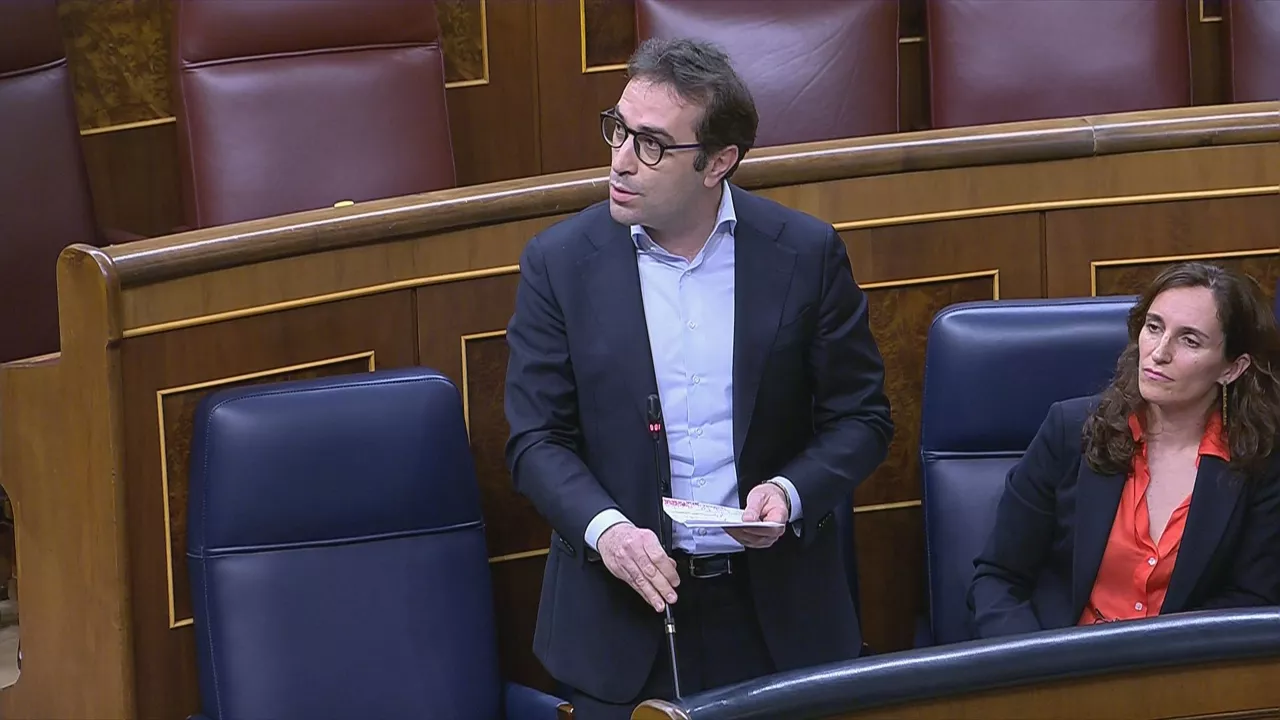
The Spanish Government expresses its readiness to seek solutions for Tubos Reunidos
In statements to the Congress, the Minister of the Economy, Carlos Cuerpo, has assured us that the Government has the "outstretched hand" to seek measures to promote the viability of companies in strategic sectors. In response to a question from EH Bildu, the Minister has said that he has previously received aid of "EUR 112 million through the Solvency Support Fund, more than EUR 20 million from eight financial institutions, thanks to the ICO guarantee line, and almost EUR 10 million from the electrointensive industry."
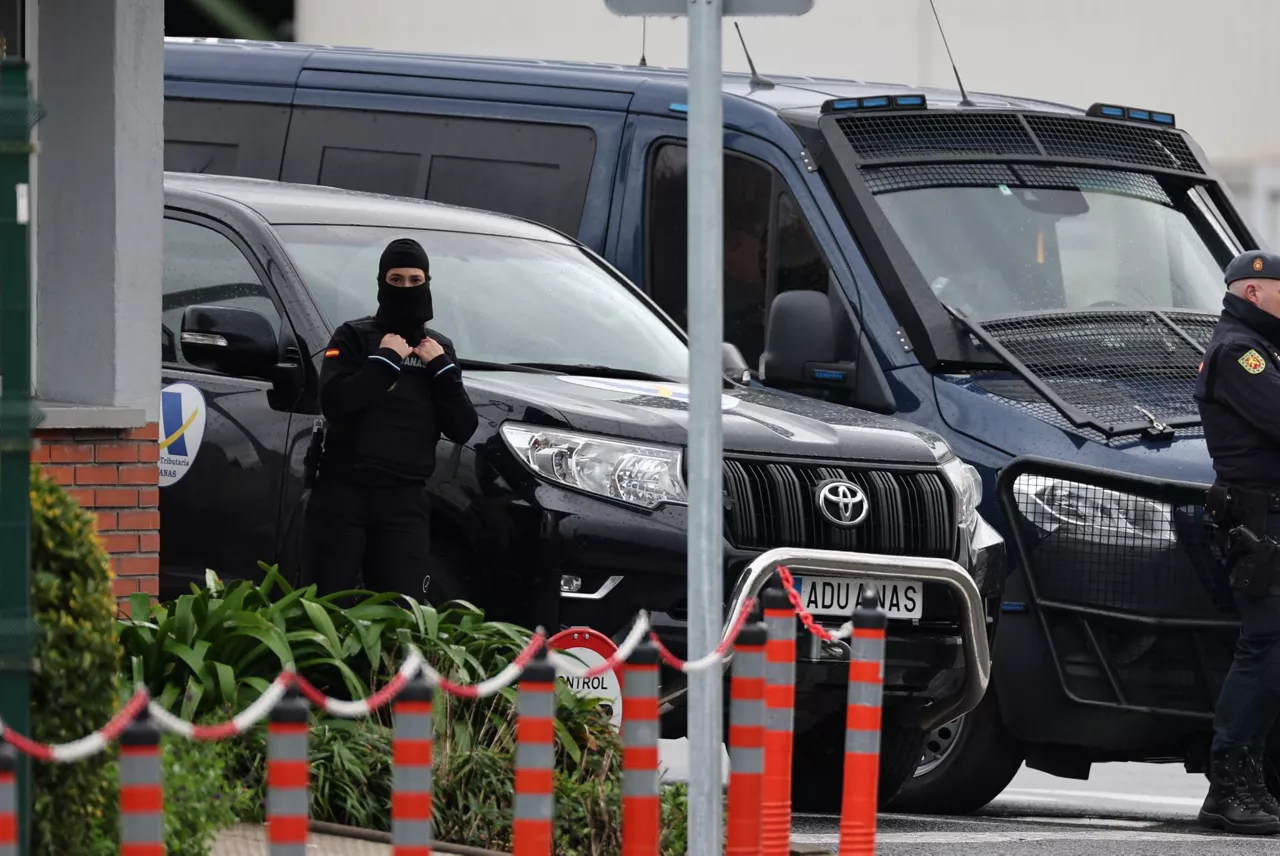
The secret of a separate piece of the investigation opened to Jainaga for selling steel to Israel has been removed
The court decision was issued one day after the Spanish National Police entered the Sidenor headquarters in Basauri.
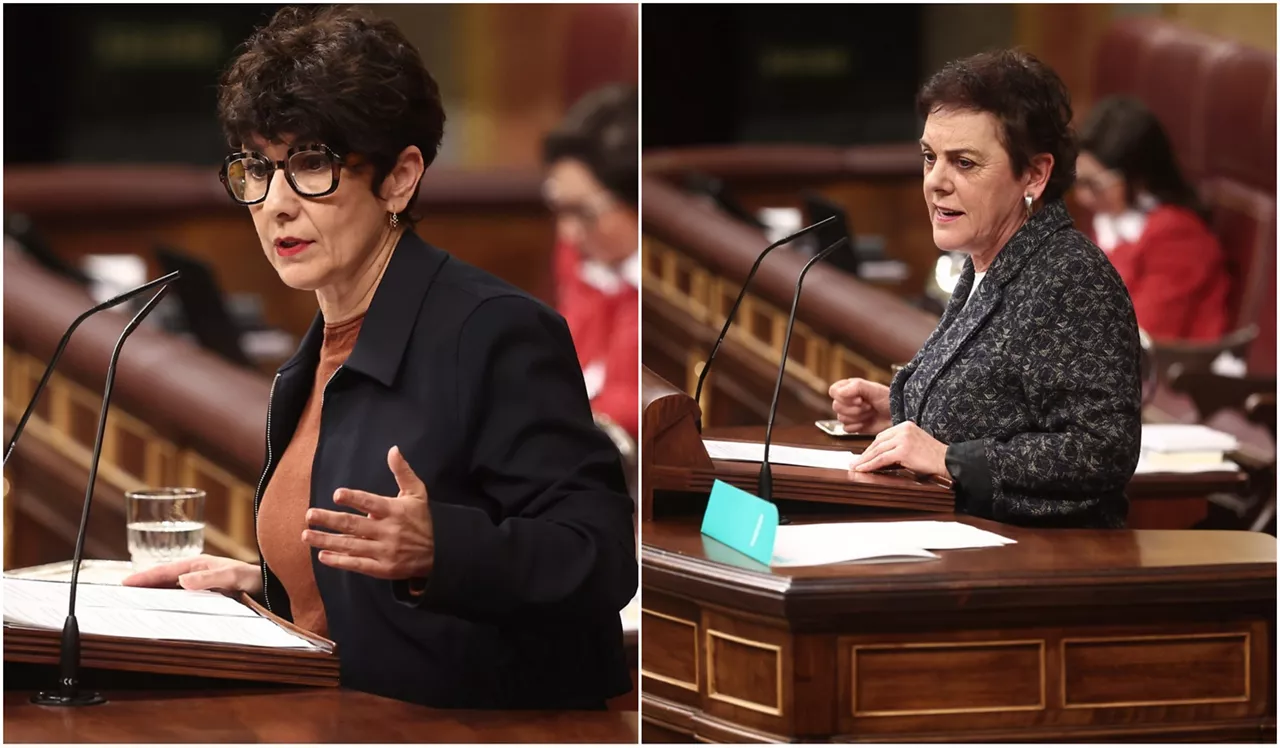
EH Bildu and PNV have called for clarification of the Adamuz accident so that citizens can trust the railway network
The Congress of Deputies of Spain has hosted the first plenary session of the year and the President of the Spanish Government, Pedro Sánchez, has appeared at his own request to explain railway accidents.

The Spanish Government approves a package of measures to protect customers of electric companies, including banning commercial calls
The new Royal Decree, promoted by the Ministry for Ecological Transition and Demographic Challenge, provides that electrodependents and vulnerable persons may not be suspended from electricity even if they do not pay, and suspension of contracts shall not generally be punishable. Penalties are also provided for companies for violations of the rules.
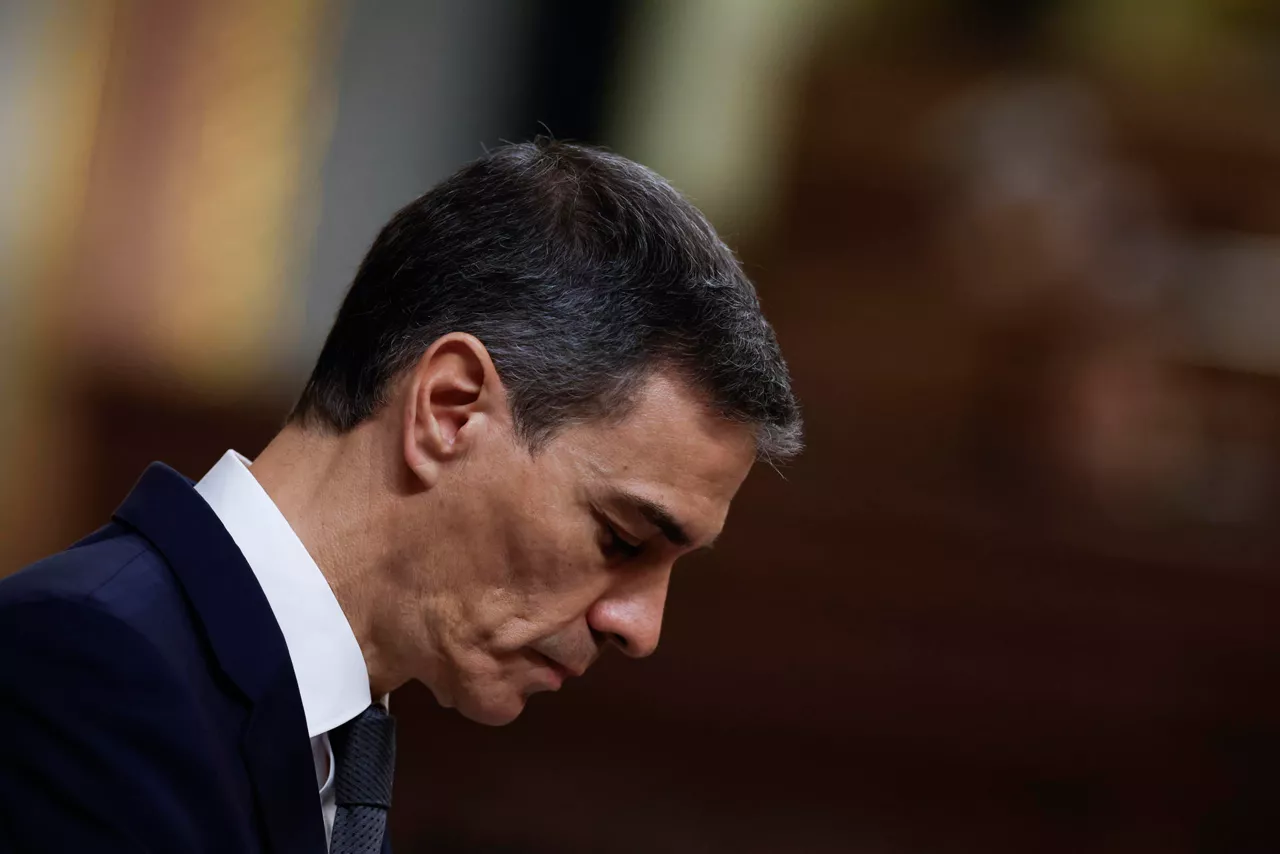
Sanchez has promised "all necessary measures" following the Adamuz accident and has defended the state's rapid response
The President of the Spanish Government has defended in Congress the immediate implementation of the emergency device and has highlighted the coordination between the various administrations in the care of victims.
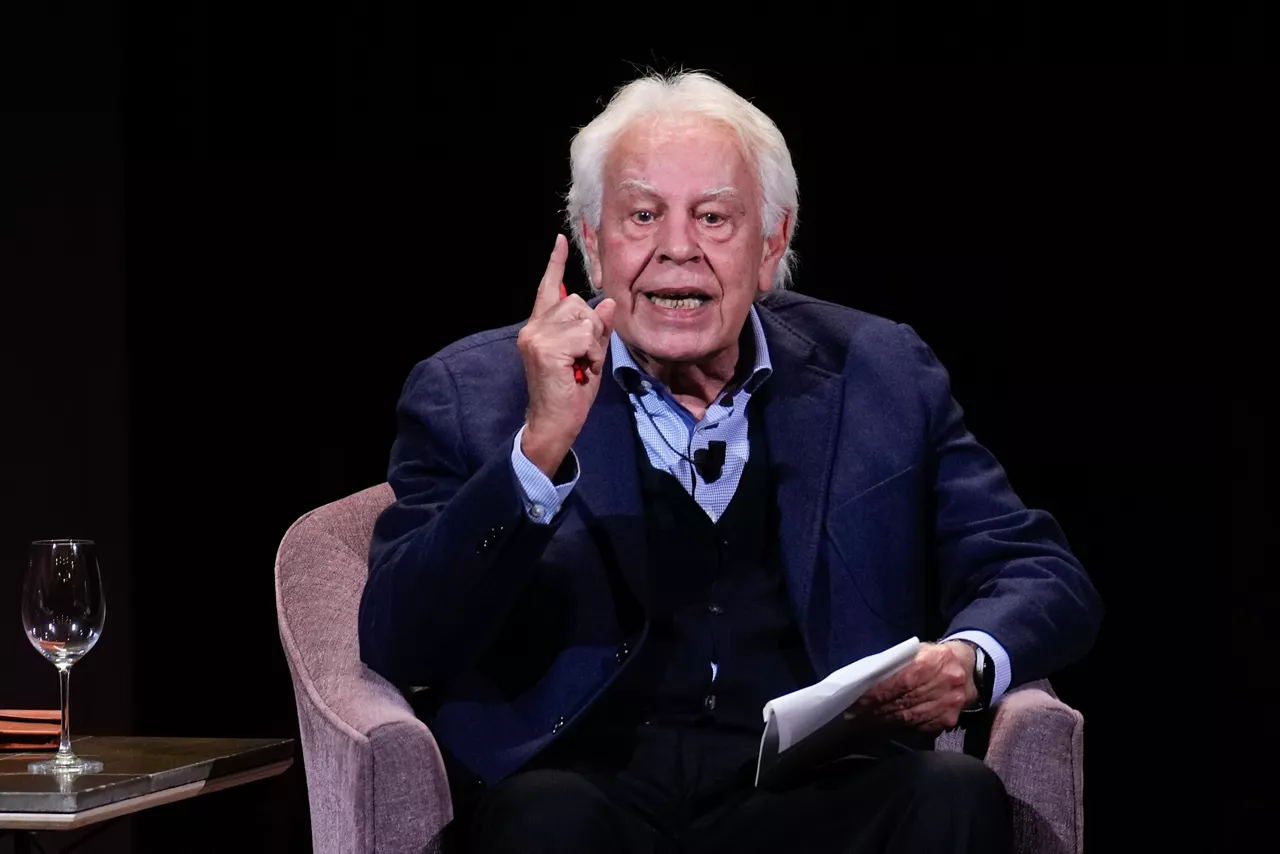
Felipe González announces he will vote blank in the next general election
The former President of the Spanish Government warns that the results of Aragon and Extremadura can be repeated at the state level and criticizes the PSOE and the PP for not having a political project.
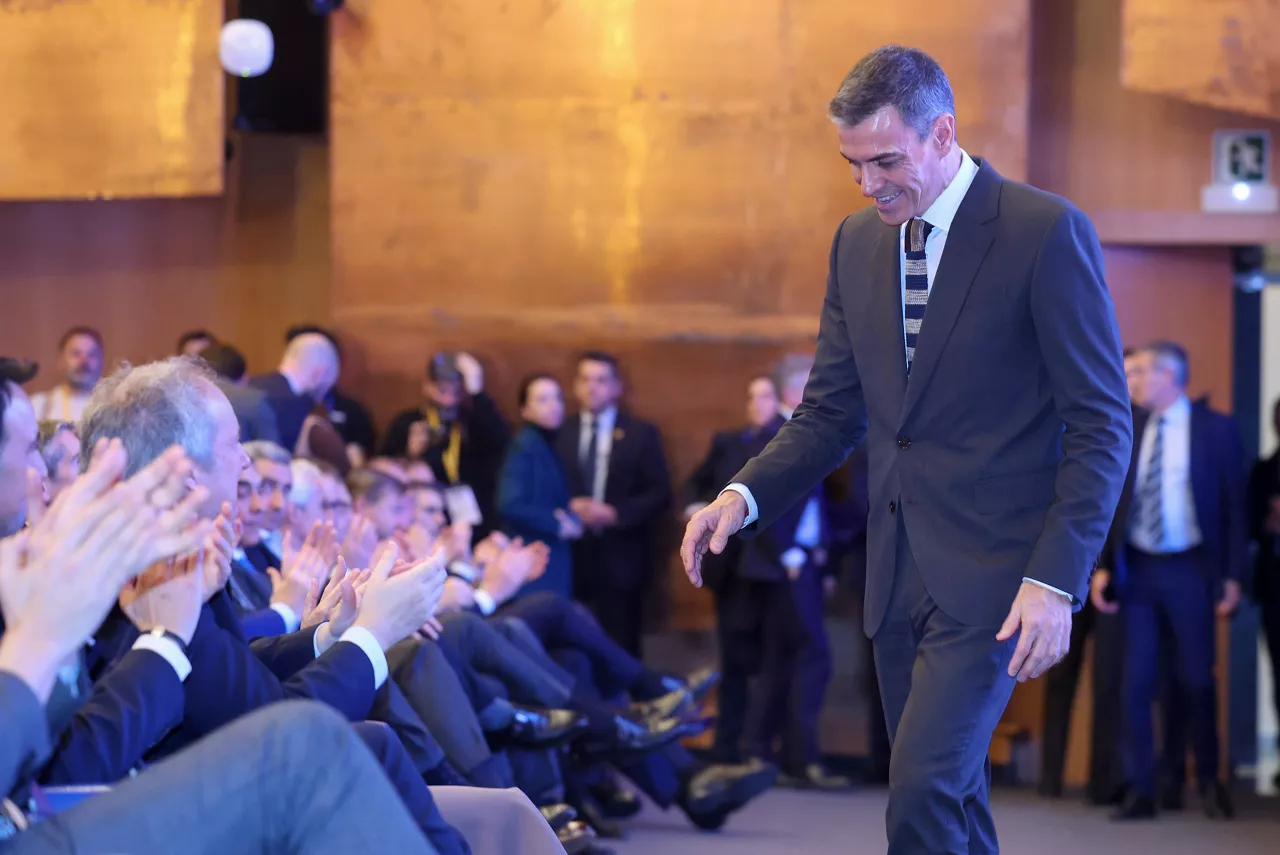
Sanchez said "techno-oligarchs will not crush democracy."
The President of the Spanish Government, without naming a name, responded today in Bilbao to the CEO of the Telegram after the leader of the platform attacked him yesterday in the face of new measures on social networks.
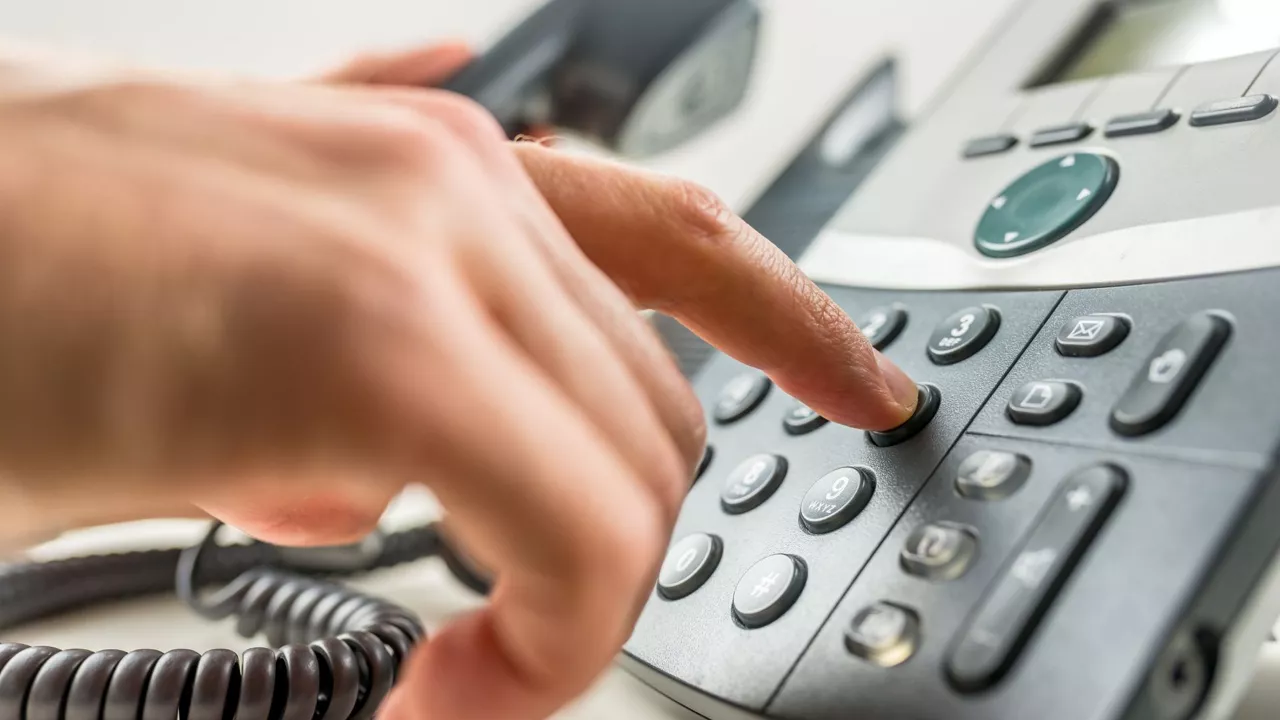
Commercial calls will use 9-digit numbers with 400 prefixes
In addition, calls to customer service may be made only from short numbers, free intervals (800 and 900) or geographical numbers specifically assigned for this purpose.

The founder of the telegram lashes out at Sanchez for his social media plan: "These are control steps."
He has sent a message to users of the Spanish State warning that the measures announced yesterday by Pedro Sánchez may make Spain a "state under surveillance under the pretext of protection".
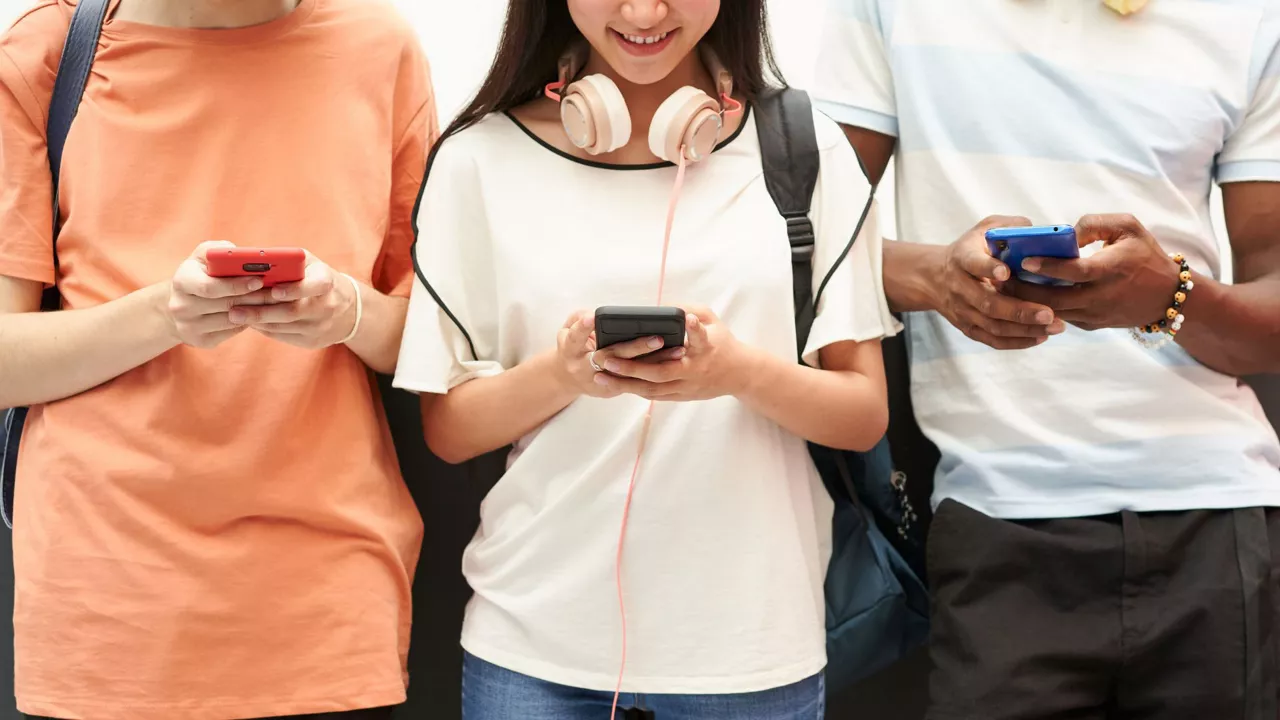
Age check, the main obstacle to preventing minors from accessing social media
The biometric facial examination, the credit card number or the ID don't convince you because of the risk of protecting sensitive data.