The Spanish Government proposes an investment of 13,590 million in electricity grids until 2030, 65% more
According to the proposal, access to the new consumer transport network will be 14 times greater, up to 27.7 gigawatts (GW), of particular importance to industry (9 GW), green hydrogen (13.1 GW) and data centres (3.8 GW). Applications for more than 150 GW photovoltaic, 60 GW wind and 100 GW storage have been registered.


The Spanish Government has proposed to invest 13,590 million euros in electricity transport networks between now and 2030, 65% more than the current planning (2021-2026) planned to help boost demand.
This was detailed this Friday by the Vice-President of the Government and Minister for the Ecological Transition, Sara Aagesen, during the presentation of the proposal to plan the 2025-2030 electricity transport network.
A plan aimed at meeting demand needs and meeting the objectives of the National Integrated Energy and Climate Plan (PNIEC) will now be made public.
"Today we present a new framework for the development of a modern electricity grid that will allow us to continue electrifying our economy, a country opportunity," Aagesen said.
According to the proposal, access to the new consumer transport network will be 14 times greater, up to 27.7 gigawatts (GW), of particular importance to industry (9 GW), green hydrogen (13.1 GW) and data centres (3.8 GW). Applications for more than 150 GW photovoltaic, 60 GW wind and 100 GW storage have been registered.
The Ministry has also made public a royal decree regulating investment plans in transport and distribution networks, extending investment limits and establishing control mechanisms to ensure compliance with them.
According to government estimates, every million euros invested in networks has an impact on gross added value of 1.27 million and a multiplier of 20 million on job creation.
You might like
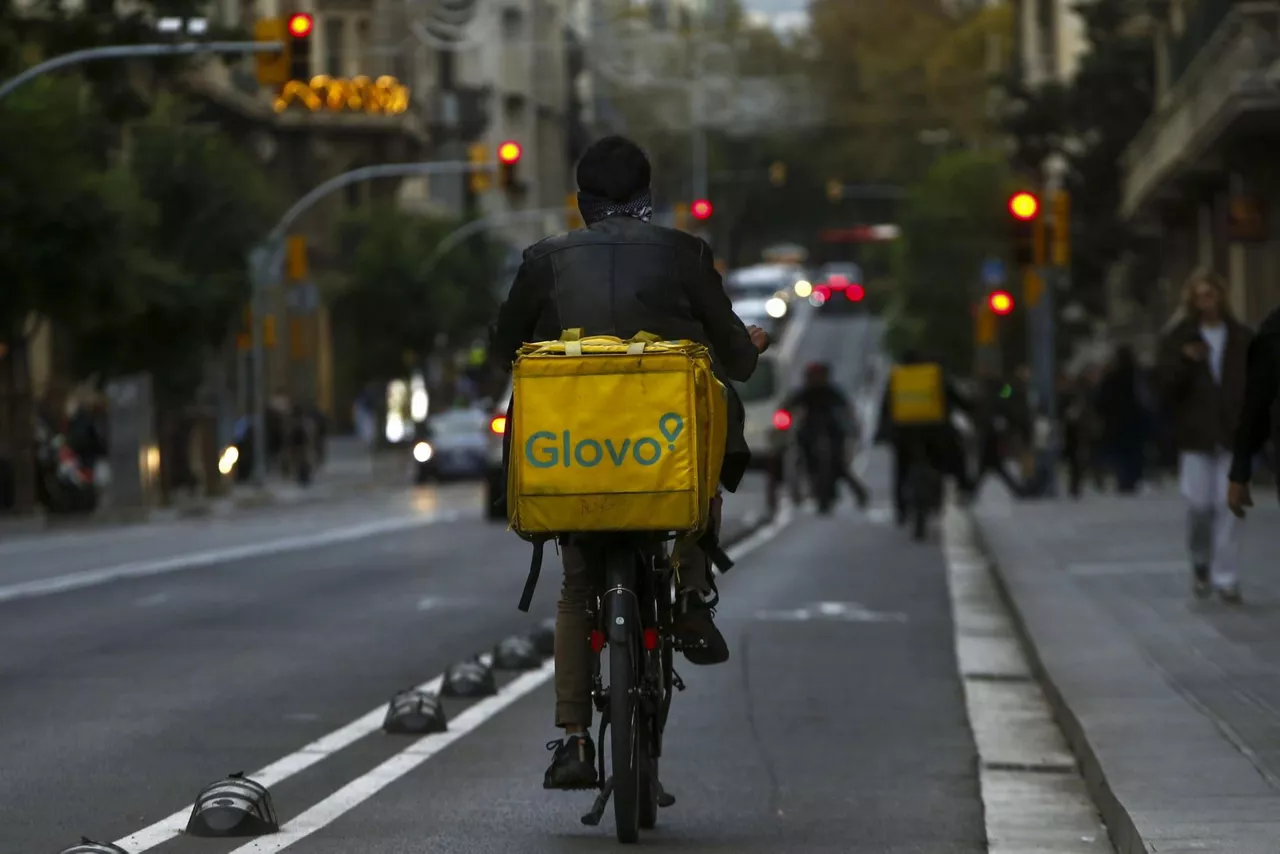
Glovo is accused of having kept the company's distributors working on the streets during the October 3 storm

The five investors interested in buying Tubos Reunion will meet with the unions next week
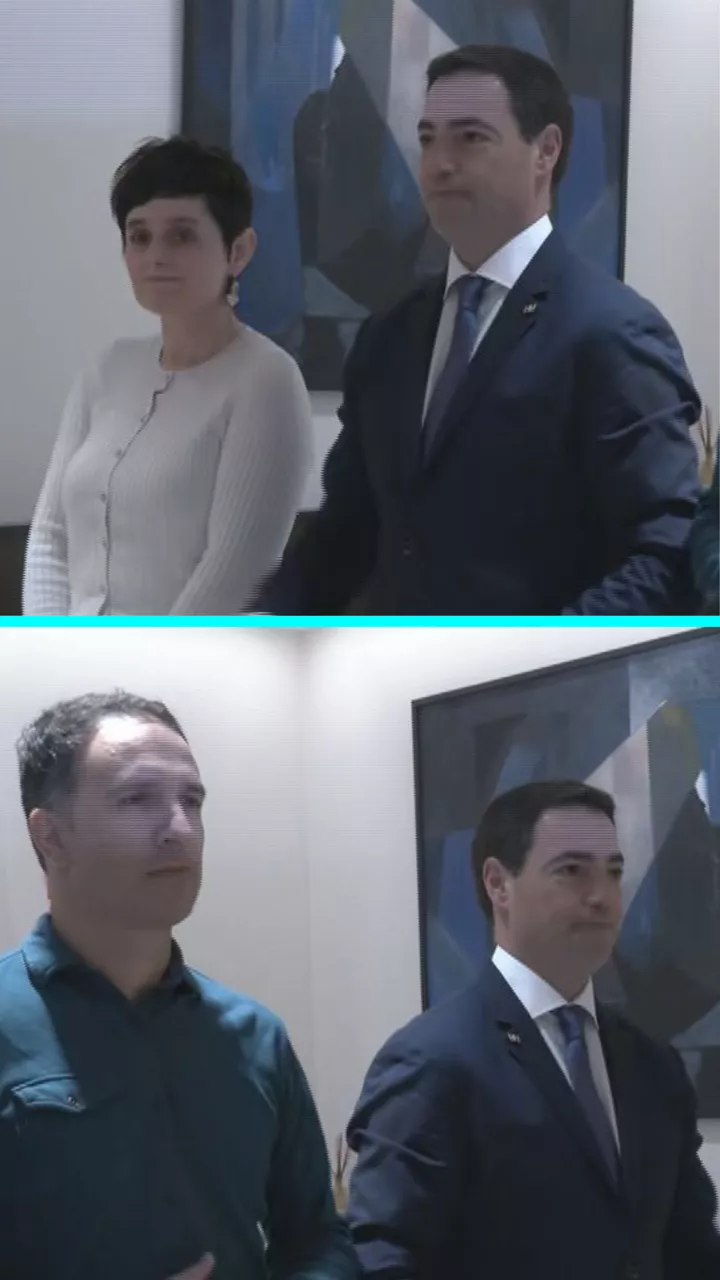
ELA and LAB demand "more leadership" from the government to convene employers to negotiate their own SMI

SpaceX and Tesla are considering merging to create a tech giant backed by Elon Musk

Wine unions announce mobilizations in Rioja Alavesa in search of an agreement

There will be news: the lehendakari meeting with ELA and LAB, the cold front and protests in France

Denis Itxaso advocates new measures to rent empty homes

The average income in the Basque Country increased by 7.2% in 2024, to 28,170 euros

LAB's General Coordinator calls for participation in the November 11 general strike to channel citizens "demands