Girls in the CSC have twice as much risk of malaise and suicide as boys
Girls have worse indicators in terms of anxiety and depression (17.5% compared to 9.8% for boys) and suicide risk (7.8% compared to 4.1% for boys), according to the Children , Adolescents and Digital Well-being report presented this Tuesday by Unicef in Bilbao.


In the ACV, teenage girls between the ages of 13 and 20 have almost twice as much risk of suicide as boys and generally also show worse indicators of psychological discomfort, according to the Children , Adolescents and Digital Well-being report presented this Tuesday by Unicef in Bilbao.
The study has been based on a sample of 7,675 children in the Basque Country (between the ages of 10 and 20, while the risk of suicide has been assessed among those between the ages of 13 and 20) and has highlighted the impact of the digital environment on mental health, as well as showing that adolescent girls have worse indicators than boys.
According to the report, girls and adolescents (aged 10 to 20) have worse indicators of anxiety and depression than boys (17.5 per cent compared to 9.8 per cent for boys) and suicide risk (7.8 per cent compared to 4.1 per cent for boys), so the conclusion is clear: there is also a gender gap in mental health.
Overall, 13.9 per cent of children and adolescents surveyed in the Basque Country report symptoms of anxiety, depression or somatization, while the suicide risk figure is 6.1 per cent.

Why does emotional discomfort affect girls more strongly?
However, Unicef warns that the situation should not be seen as an "isolated local phenomenon, but as a structural challenge". Thus, in its conclusions, the organization links the serious deterioration of health indicators to an early and continuous exposure to the digital environment, with an average age of access to mobile phones of 11.18 years.
In addition, the UN Child Protection Agency stresses that the digital well-being of children and adolescents cannot be ensured solely by controlling the time spent on screens, a challenge that, according to the agency, requires a comprehensive response that guarantees health, coexistence, education and rights, for which it proposes the collaboration of institutions and social partners through prevention plansthat combine school work, home digital hygiene and active parental mediation.
You might like
The Council will launch a virtual league between Guipuzcoan municipalities to promote healthy ageing
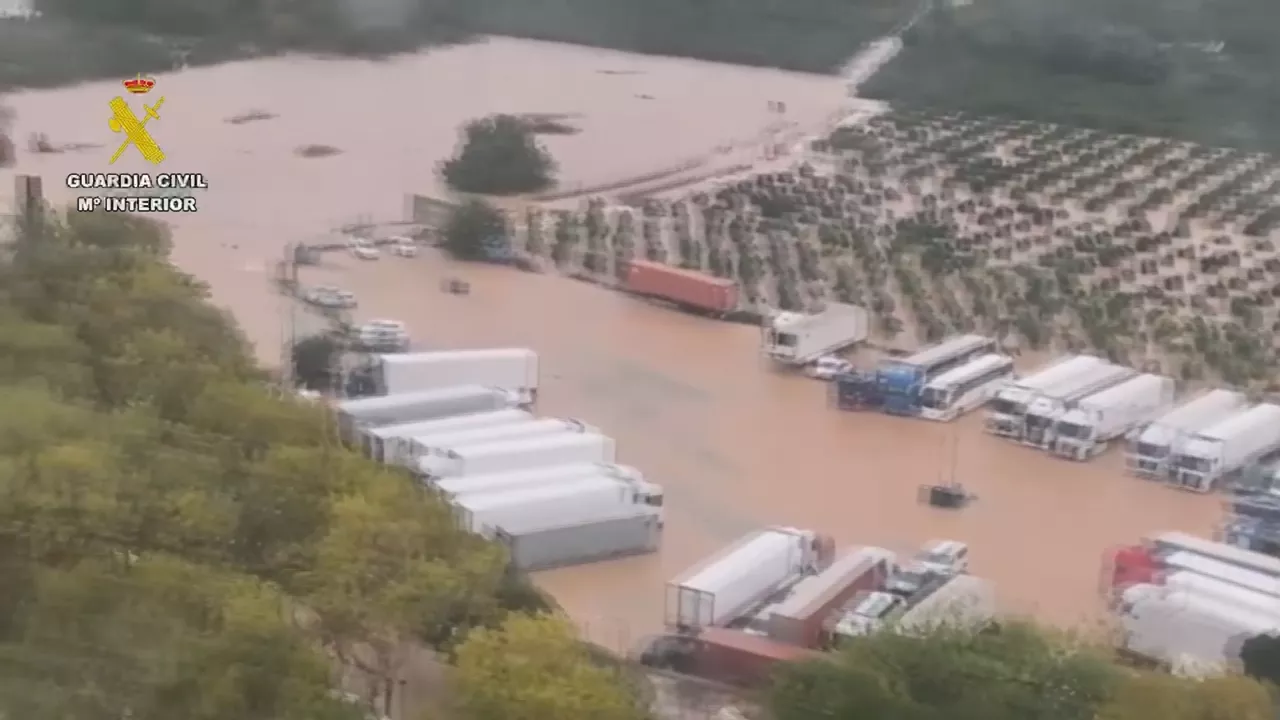
The storm has left two dead in Valencia, where the government is preparing a restraining order
The remains of Neanderthals have been found for the first time in Navarre in the caves of Abaunz

There will be news: Vaccinations in the ACV and flu vaccination in Navarre, Adam GOIDI and protests in France

The Invisible Breast Cancer Bill
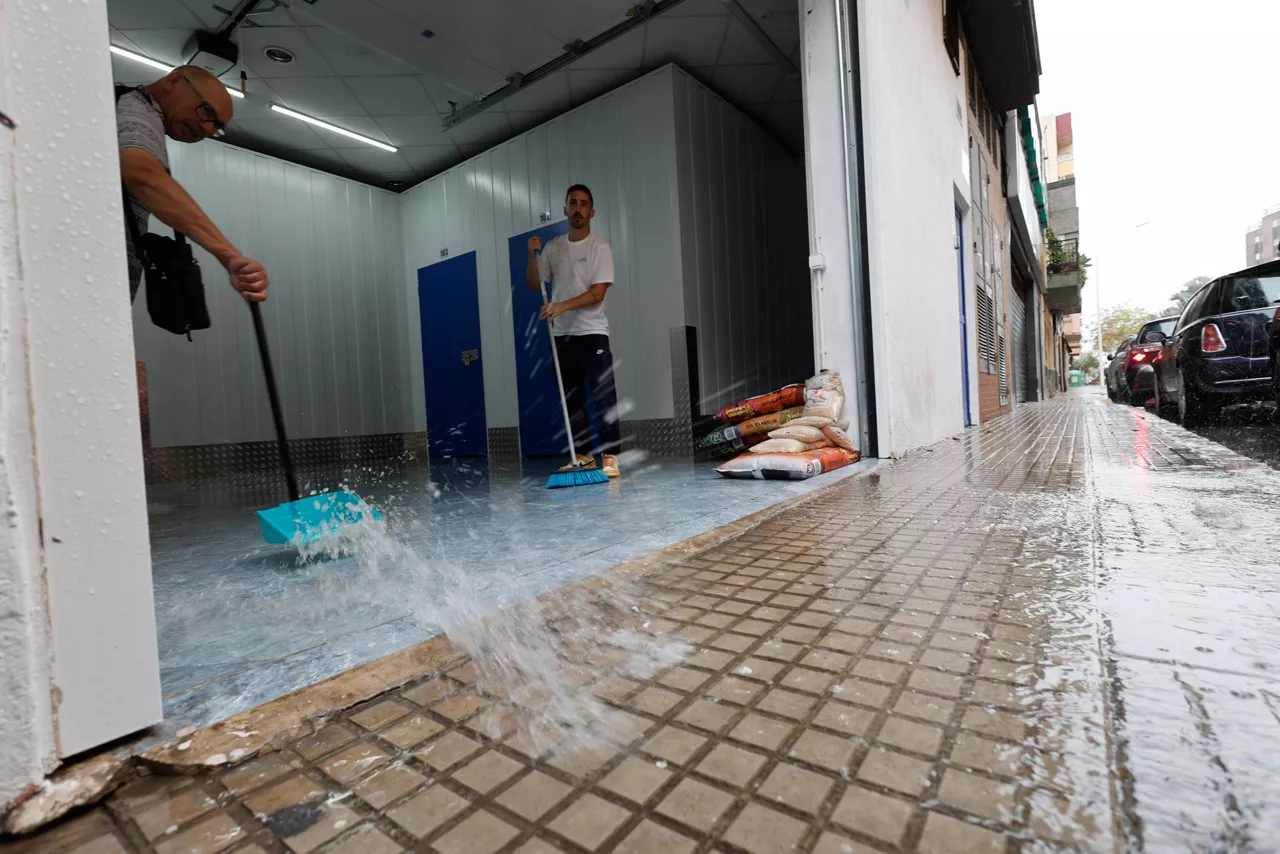
Red alert continues in Valencia and Alicante for storm Adam heading for Catalonia

More than 200,000 people are called to be vaccinated against influenza and covid in Navarre today

A talo with record jokes: Barakaldo gets the longest in the world
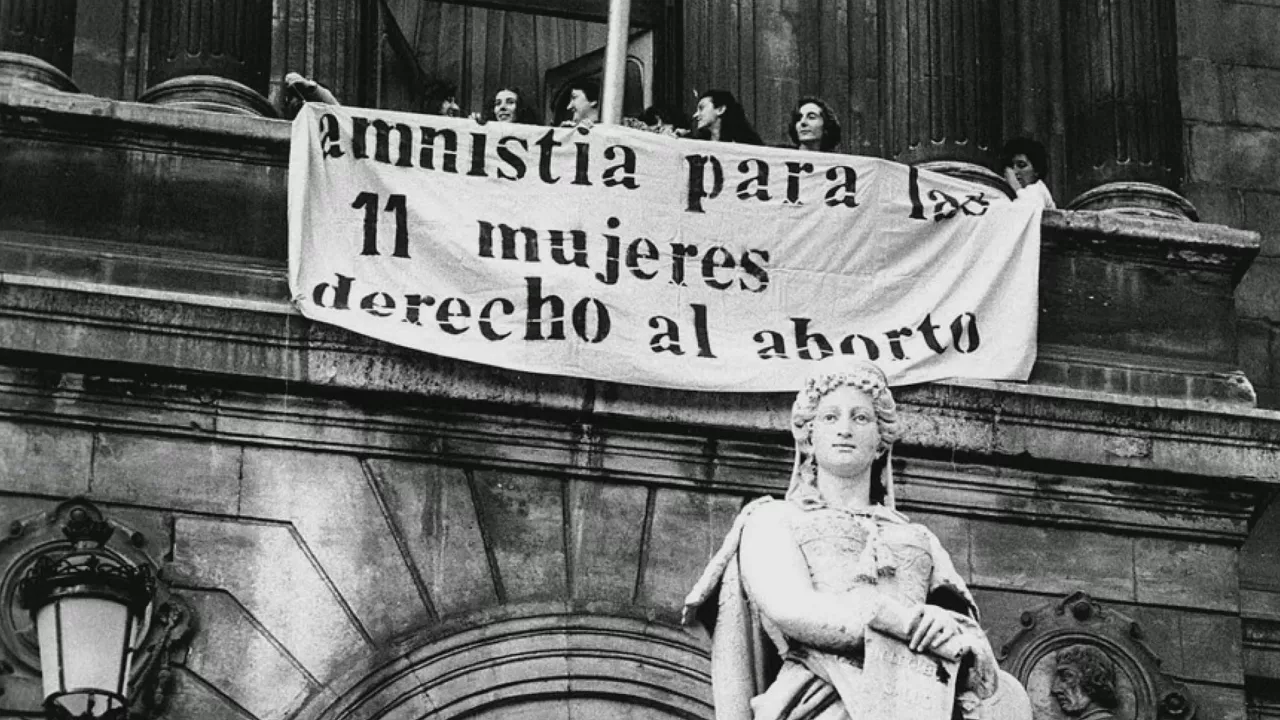
The "Basauri Eleven" case, convicted of abortion in the 1970s, turns 50