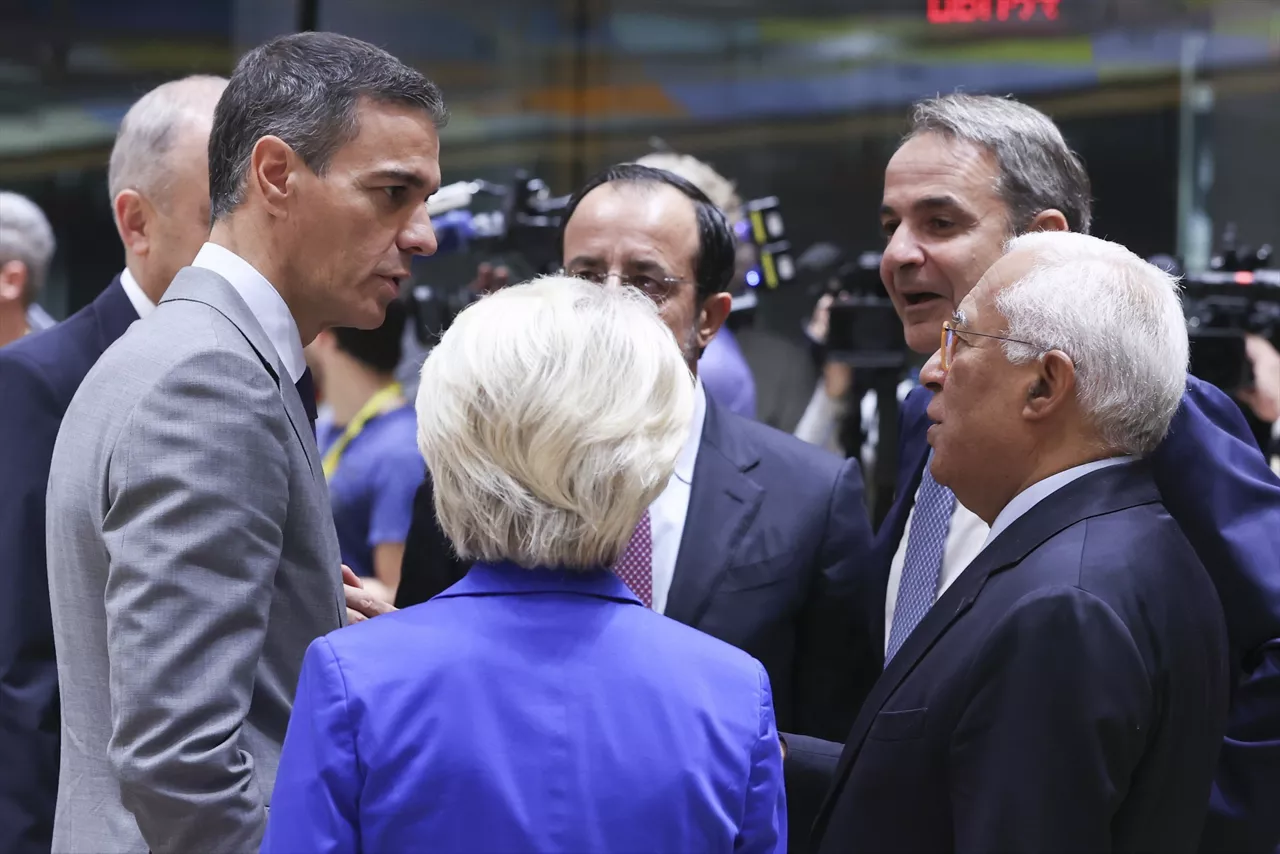
Costa Rica confirms its right path and will be chaired by Laura Fernández
He has won by a large majority in the first round and promised "profound and unalterable" changes, while Pposition has warned that he will not tolerate "any injustice."


Costa Rica has elected Laura Fernández as the next president for the period 2026-2030, thus consolidating the country's path to the right.
The president-elect, who will begin his term on May 8, announced this Sunday in his victory speech a "profound and unalterable change" towards the creation of a "third republic" and promised the opposition that his government would seek "dialogue and reconciliation."
"It is our duty to build the Third Republic. The mandate given to me by the sovereign people is clear, it will be a profound and unalterable change , "Fernandez said from a stage outside a hotel in San Jose.
In Costa Rica, the political changes resulting from the 1948 civil war, such as the abolition of the army and the drafting of a new political constitution, are known as the second republics.
Fernandez, a 39-year-old political scientist, did not specify the changes he intends to bring about in the "third republic" , but in his campaign he promised to reform the judiciary and other state institutions, while his party leaders acknowledged that one of his goals is to reform the political constitution in order to have the possibility of being re-elected.
The president-elect won 48.5% of the vote, counting 88.4% of the tables, well above the 40% needed to win in the first round, and described him as a "convinced democrat" and "defender of freedom, life, and family."
Fernandez spoke on the phone to the prestigious right-wing economist and current president, Rodrigo Chaves, who thanked him for his "example" during his tenure.
The Fernandez Sovereign People's Party obtained 30 of the 57 deputies in Congress, according to preliminary data, but for the far-reaching reforms that require the vote of two-thirds of the Legislature, it will have to seek agreements.
The opposition will be led by the Social Democratic National Opposition Party , whose candidate, Alvaro Ramos, won 33.3% of the vote and warned that he will not tolerate "injustice."
The abstention was 30.3 per cent, according to data from the electoral commission.
You might like
Partial curfews will be imposed in several French cities due to riots
Macron holds the far left responsible for the violence and conveys his support to the police and traders
Violent protests in Italy and Albania against rising prices
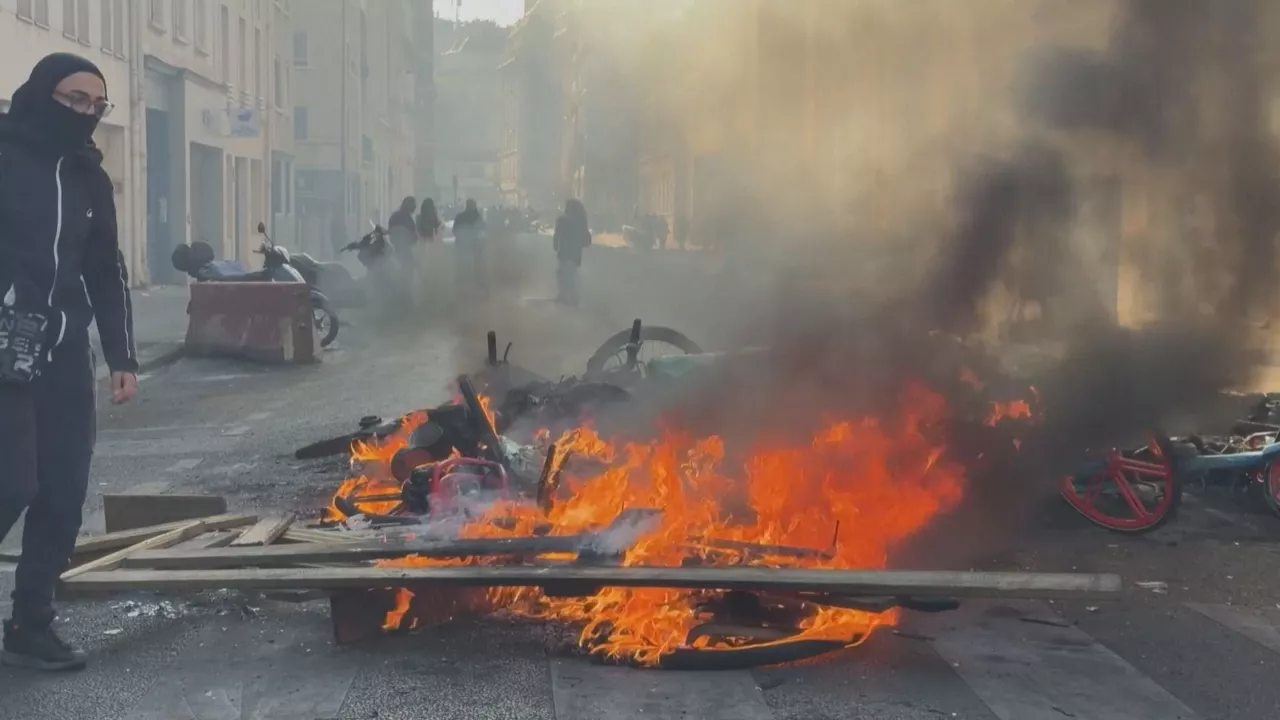
Riots erupt again in Paris the day after the protests
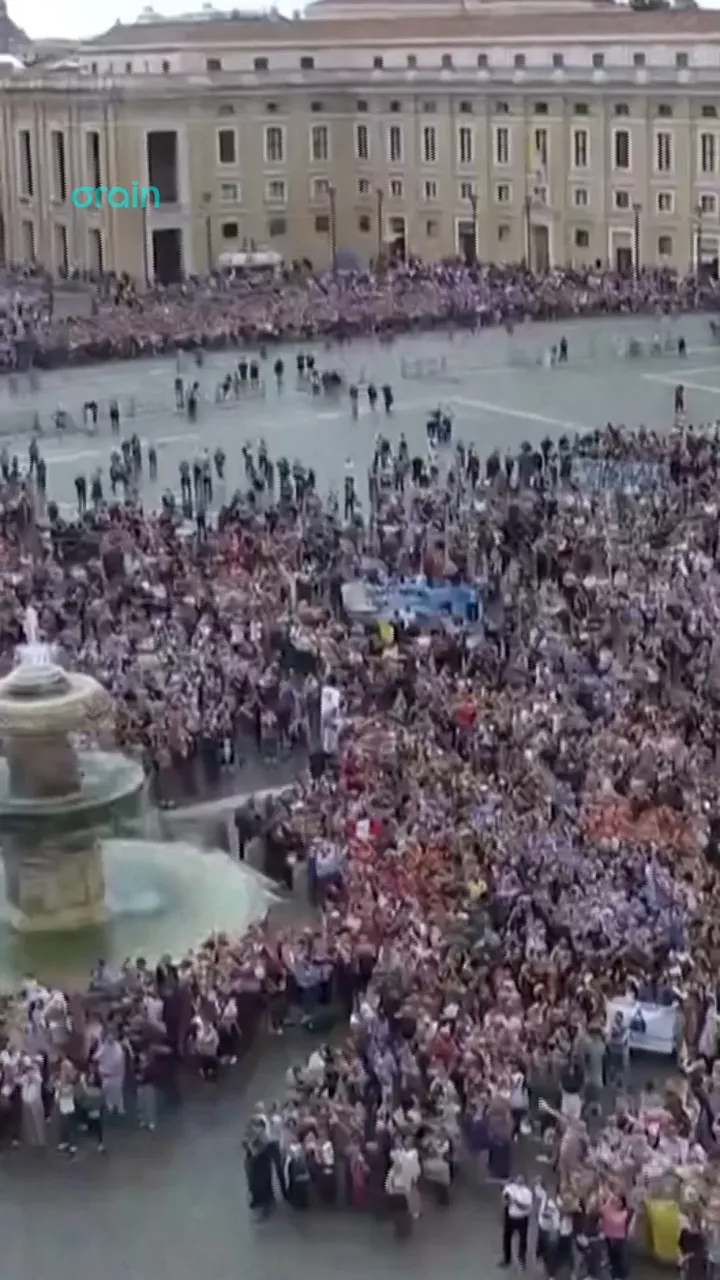
The Pope reappears in the Vatican to pray for the Angelus
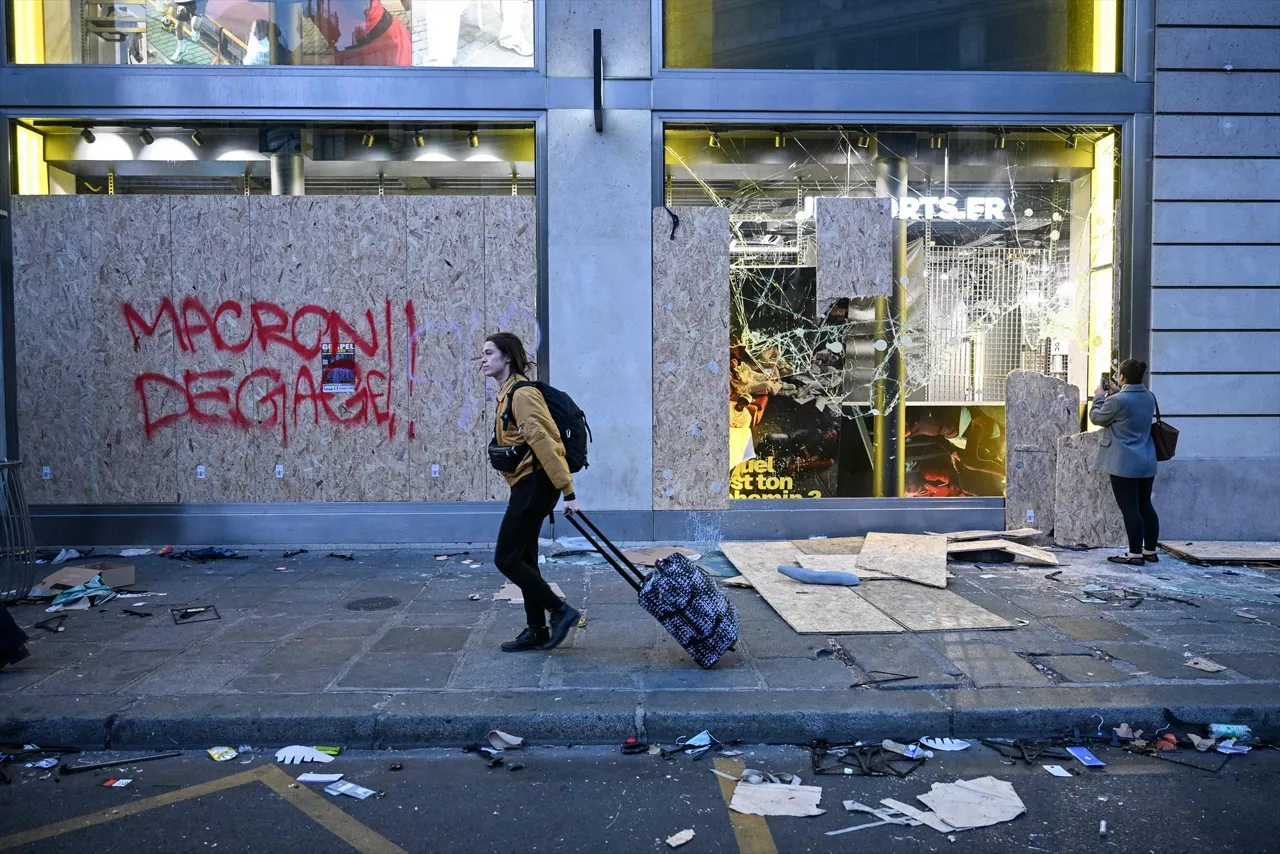
Consequences of the protests in France: one person has died, 1,200 have been arrested and there is destruction everywhere
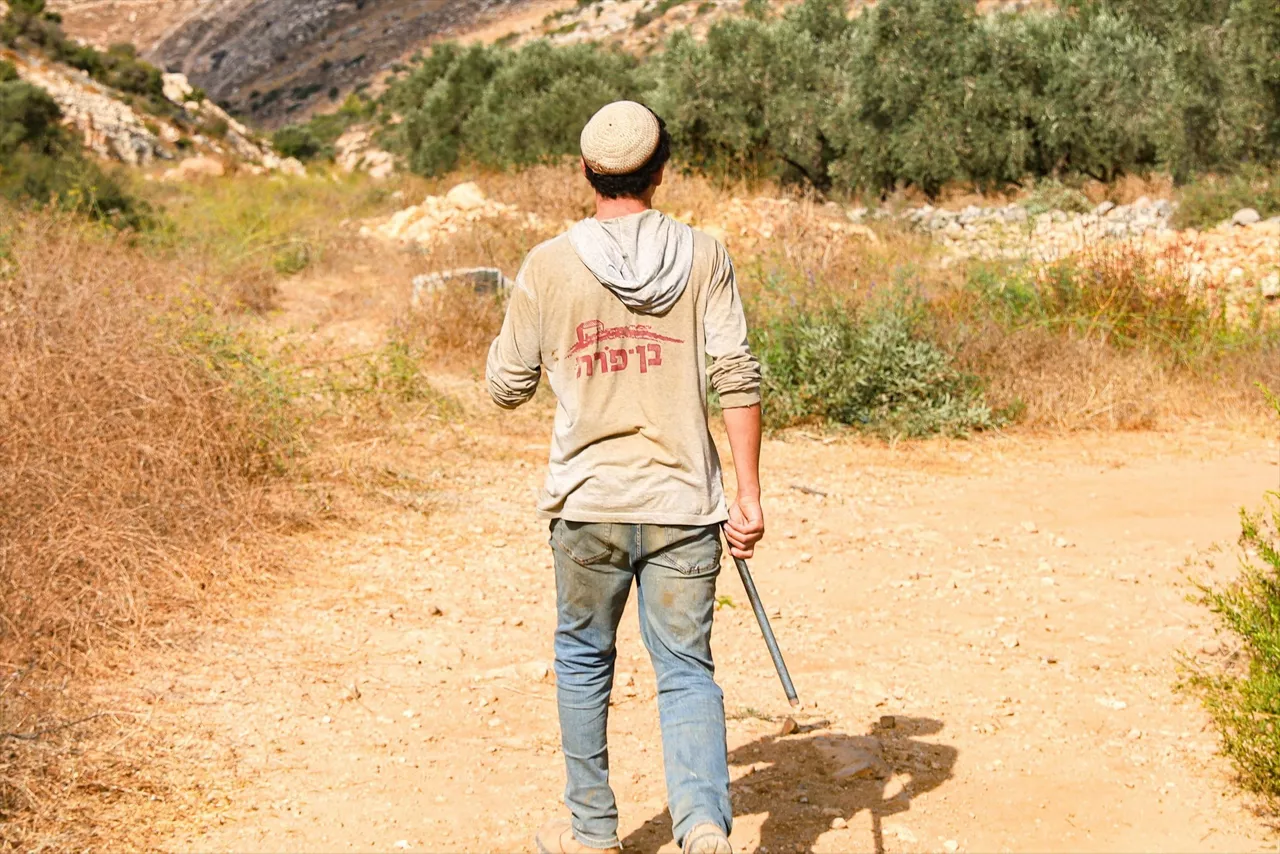
Israeli settlers attack diplomats from France, Belgium and Poland in the West Bank
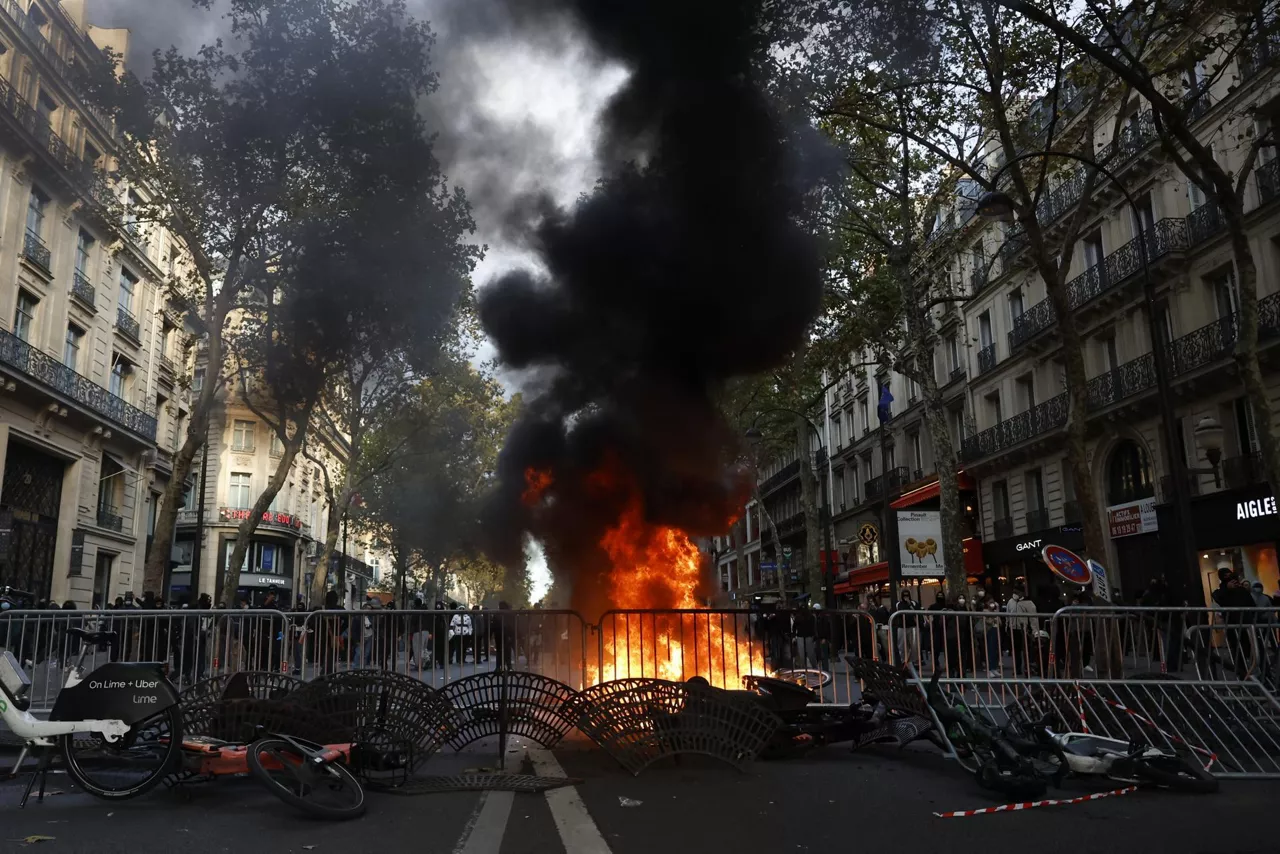
France on fire for student protests and 'yellow vests'
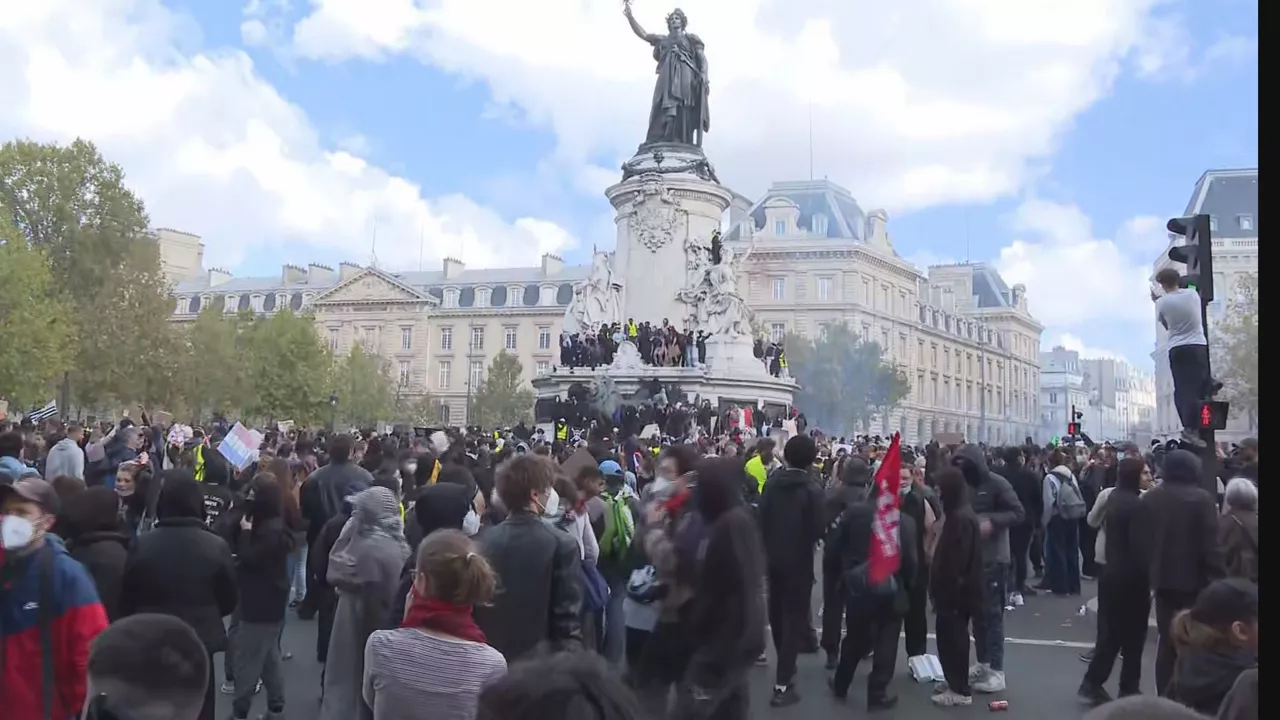
Riots and dozens of detainees in protests in Paris and other French cities