
Vivas calls for strengthening border control in Ceuta and at least 1,000 agents
The President of Ceuta has urged the Spanish Government to significantly increase the forces of the National Police and the Civil Guard and to take steps to ensure that the massive influx of 30 July does not recur.


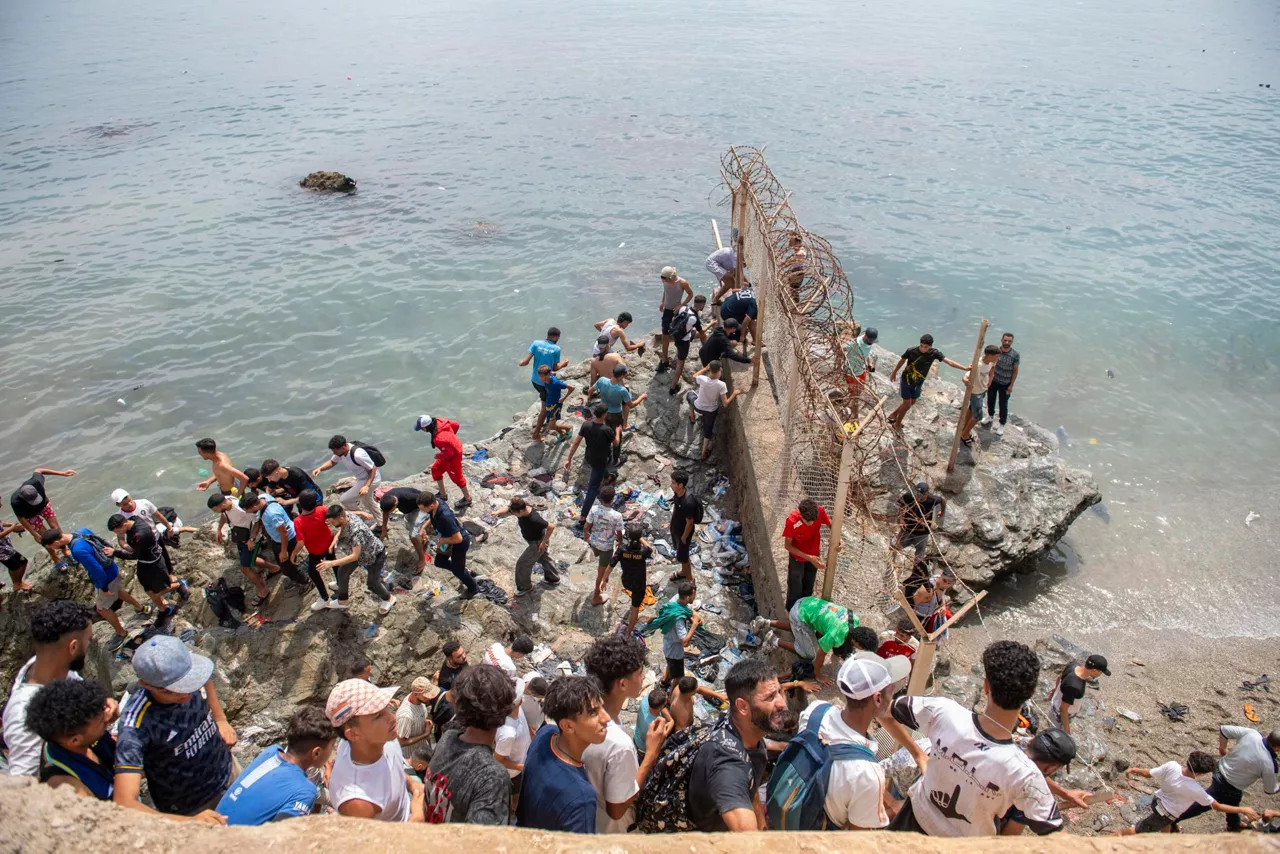
The President of Ceuta, Juan Vivas, has asked the Spanish Government to significantly increase the presence of officers of the National Police and the Civil Guard in the city, with an extraordinary deployment of at least 1,000 officers, and to guarantee the border with Morocco in order to prevent the recurrence of the massive influx on 30 July.
Vivas, who presented these requests at the hearing following the extraordinary meeting of the Ceuta Governing Council, considered that the Spanish Government should provide a proportionate response to the situation in the city.
The President of Ceuta, who believes that the current number of officers in the city is insufficient and that the situation requires extra reinforcement, has acknowledged the work of the State Security Forces, the Local Police and the Army, but has warned that even the officers themselves recognize the "precariousness in terms of staffing".
It therefore calls for a "significant" increase in police presence on the streets for the duration of the current situation and for the army to remain deployed in Ceuta to ensure public safety and tranquillity.
"The border cannot be in the hands of a third country."
The second major demand made by Vivas concerns the border with Morocco. The President of Ceuta has argued that Spain must have the means to carry out effective border control and has called for "preventive, deterrent and reaction" measures to possible attempts to attempt or provoke mass entry.
In this regard, he has warned that the border with Europe, Spain and Ceuta "cannot be in the hands of a third country" and has considered that the measures should prevent a repeat of what happened on 30 July.
Moreover, as the 15th of August approaches, he has expressed concern about the possibility of similar events again, noting that he understands the public's fear that the July 30 crisis "revealed the vulnerability of the border."
Vivas has acknowledged that the city alone does not have the capacity to ensure that a similar situation does not recur and has hoped that the Spanish Government will take the necessary measures.
You might like

Government of Navarre declares level 2 emergency due to eclipse
The Foral Government has also set up an Emergency Advisory Council, which will put in place a security apparatus of 1,165 members.

Ertzaintza unions condemn attacks on police officers, calling for more means
The unions ErNE, Euspel and Sipe have denounced that attacking a police officer cannot become "normal" and have called for "institutional support" and strengthening the working group.

Bilbao airport carries out random checks on passengers from Italy without incident
The measure was activated this Saturday and will last until 7 September in response to the Italian Government's decree to suspend the Schengen area for travellers from Spain.
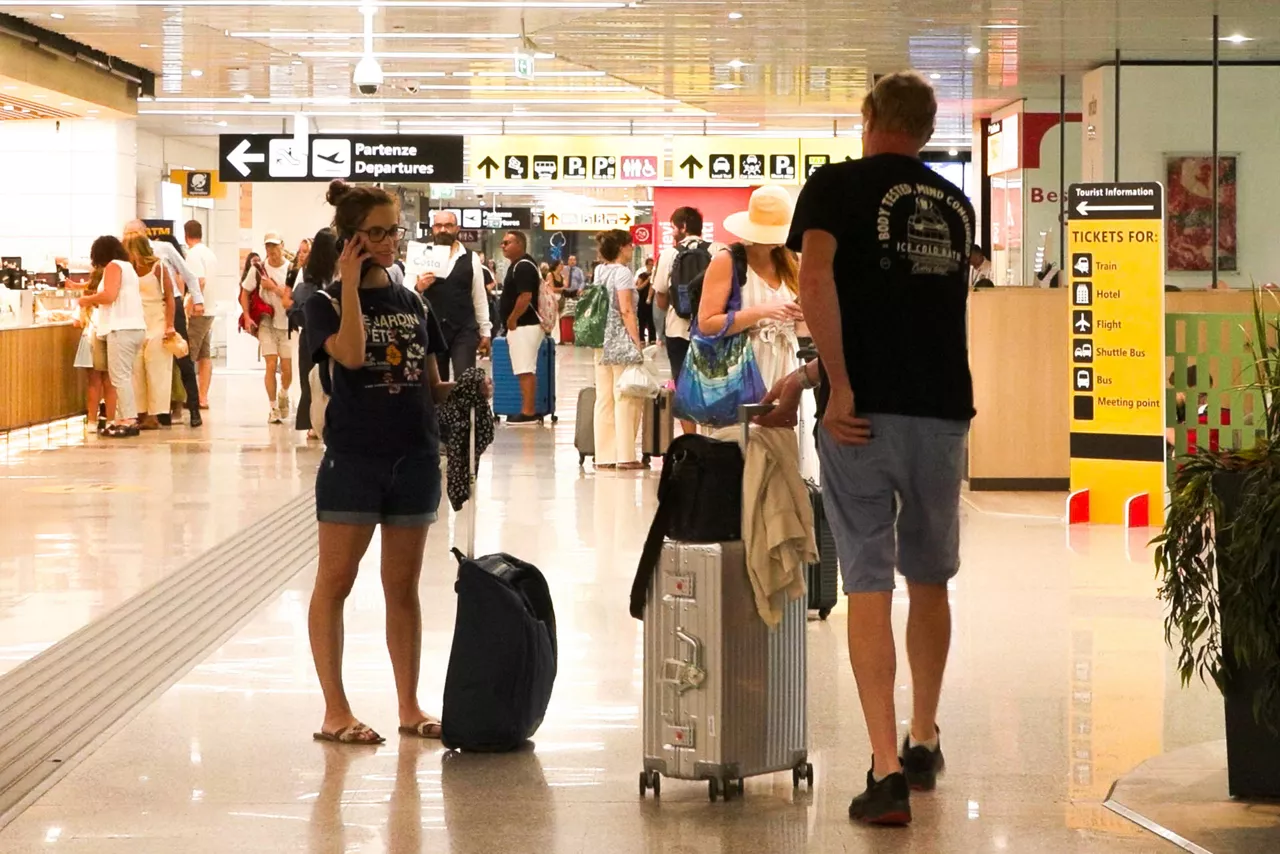
Spain restores border controls on passengers from Italy
Port and airport controls will be in place until 7 September and will be carried out randomly in the face of migratory pressure from Italy.
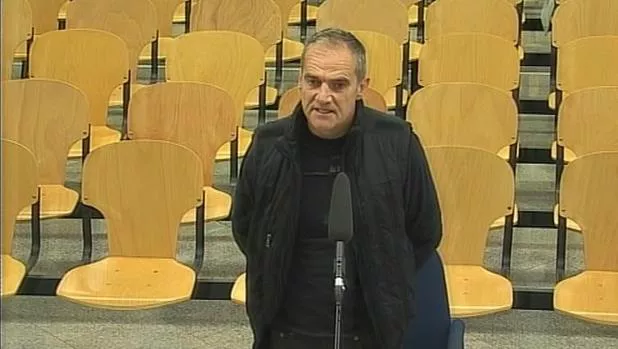
The prosecution asks for 30 years in prison for five former ETA leaders for the murder of Gregorio Ordóñez
The defendants, who were part of the leadership of ETA, decided to assassinate the PP councillor in San Sebastián in January 1995, according to the indictment.
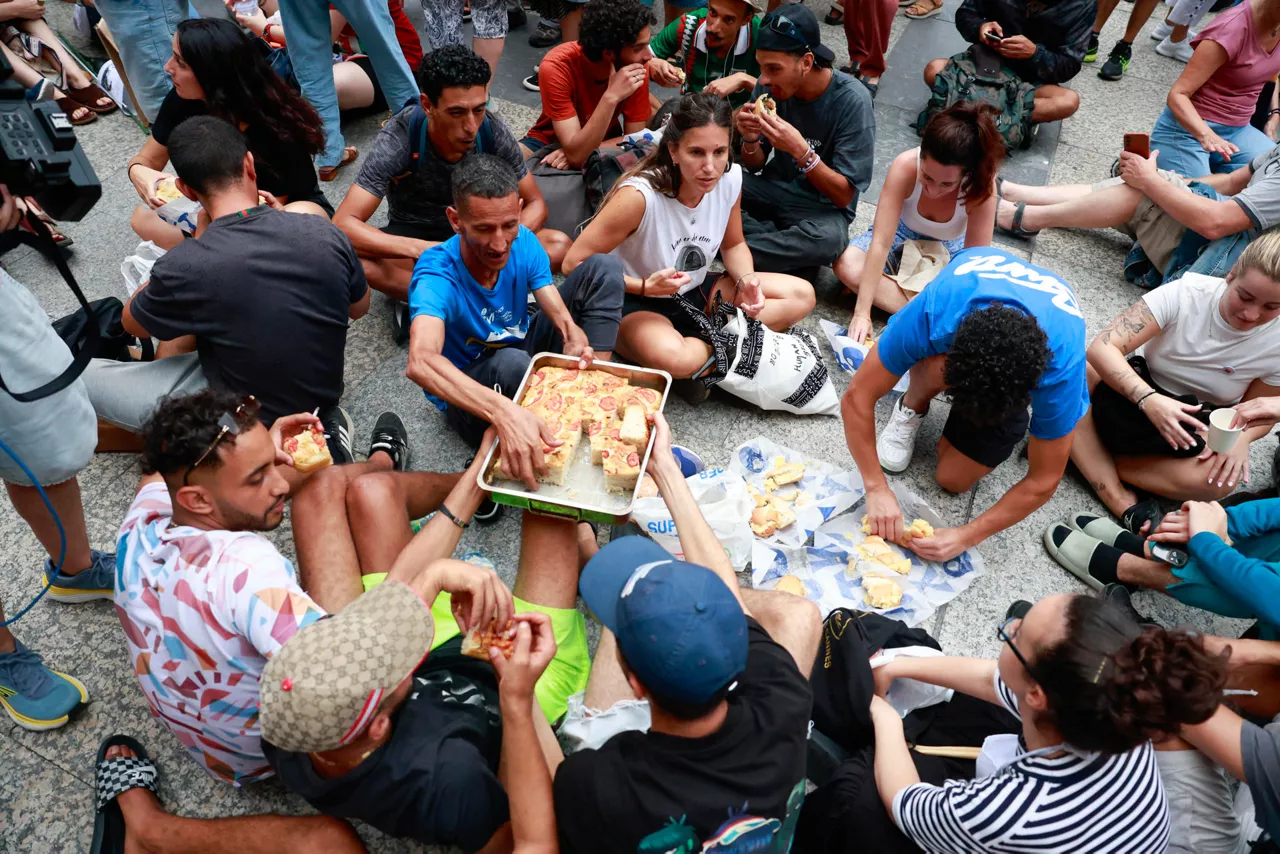
Elkarrekin Donostia is considering appealing the ban on supportive dinners
The coalition sees the rule as disproportionate and with a dubious legal basis, while EH Bildu denounces the "harassment" of volunteers on the Kale Afari Solidariak platform and calls for the ban to be lifted.

Robles, Marlaska, Bolaños and Albares will appear at the Congress at the end of August because of the migration crisis in Ceuta
The Spanish Government has requested the extraordinary hearings of the four ministers to report on the migration crisis that began on 30 July in Ceuta.
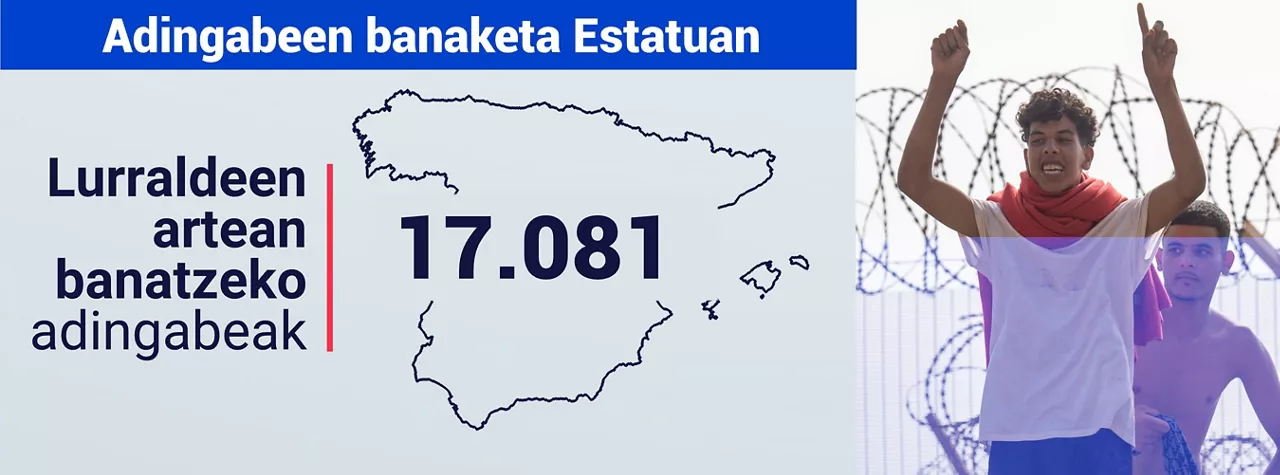
The ACV is above the quota set by the State for the reception of migrant minors, while Navarre is below
Álava, Bizkaia and Gipuzkoa currently serve 843 foreign minors, 65 more than their due, while the latest data put the Foral Community at around 30% of its capacity.
Judge asks Civil Guard if he received alerts before the migration crisis in Ceuta
The National High Court has opened proceedings following a complaint by Iustitia Europa requesting information on the whereabouts of survivors and fatalities.