
Some 69,500 migrants have returned to Morocco from Ceuta for lack of food and water
Some migrants say they will try again, and they criticize the "police strategy" by urging businesses to close.

Thousands of migrants have returned to Morocco for lack of food.

More than 69,500of the migrants who have arrived in Ceuta in recent days, especially on Thursday, have returned voluntarily to Morocco, according to the Security Forces . These returns are accelerating because bars, supermarkets and other shops are practically closed and access to food and water is becoming increasingly difficult.
While the death toll continues to rise to 67, the Moroccan authorities have arrested 70 migrants in connection with several incidents.
The Spanish Government initially said that some 50,000 people had entered Ceuta illegally, while the local government raised the figure to 60,000, although it is clear that the actual number of arrivals has been higher.
Therefore, according to the sources consulted, this morning there were almost 70,000 people who had returned to Morocco, a reliable figure since it is much easier to count departures than to count entrances from various border areas.
Bars and supermarkets completely closed.
In the last few hours, thousands of people have returned toMorocco. Among the reasons for this are the repatriation measures agreed between Spain and Morocco, but also the difficulties in meeting basic needs in Ceuta , where most bars, supermarkets and shops are closed and access to food and water has become almost impossible.
A number of migrants have explained their intention to return to Castillejos to eat, rest and regain strength and then try to cross back to Spain . Some believe that border surveillance is still insufficient and that they will have new opportunities to enter Ceuta.

Several people aboard a bus in the Moroccan city of Castillejos.
Intention to try again
Mohamed, 15, a native of Fez, says he arrived in Ceuta on Saturday and has not received food for three days. "We have dreams and a lot of talent, but Morocco does not want us there," he says. Like many other young people, he says he will return to Castillejos, regain strength and try to cross the border again, hoping to be welcomed into the Temporary Stay Center for Foreigners (CETI).
Ahmed and Youssef are from Chaoue and are 20 and 21 years old. They say they saw on Instagram that it was easy to pass to Spain and that's why they went to the border. They deny that they were driven by the mafias and consider the reason for their decision to be unable towork in Morocco.
Ashraf, 32, from Ifran, has decided to stay in Ceuta until the number of arrivals decreases, waiting for the opportunity to find work or then move to the Peninsula. He claims that the police have asked the shops to close in order to force migrants to return to Morocco. He also accuses his compatriots living in Ceuta of not providing assistance and, in some cases, of attackingthem with "knives".
Ashraf believes that people are leaving Morocco on a massive scale because of living conditions, but what has happened is also a "political decision." "If Morocco wants, not a mosquito passes through the border," he ironically said, adding that he would not say so in his country, where he could be sentenced to "20 years in prison" for protesting.

Several people in a roundabout in the Moroccan city of Castillejos.
Most of them are between the ages of 18 and 35.
Meanwhile, officers of the Spanish Police, the Local Police and the Army continue in various parts of the city to inform migrants in Ceuta that they must return to Morocco , mostly male Moroccans aged between 18 and 35, who travel through the neighborhoods of the city.
On the other hand, the Civil Guard and the 54th Army Regular Corps maintain a permanent device on Tarajal Beach to prevent further entry from the sea. Commercial activity is still almost completely paralysed in Ceuta; most shops remain closed due to the insecurity of neighbours following the massive influx of migrants.
You might like
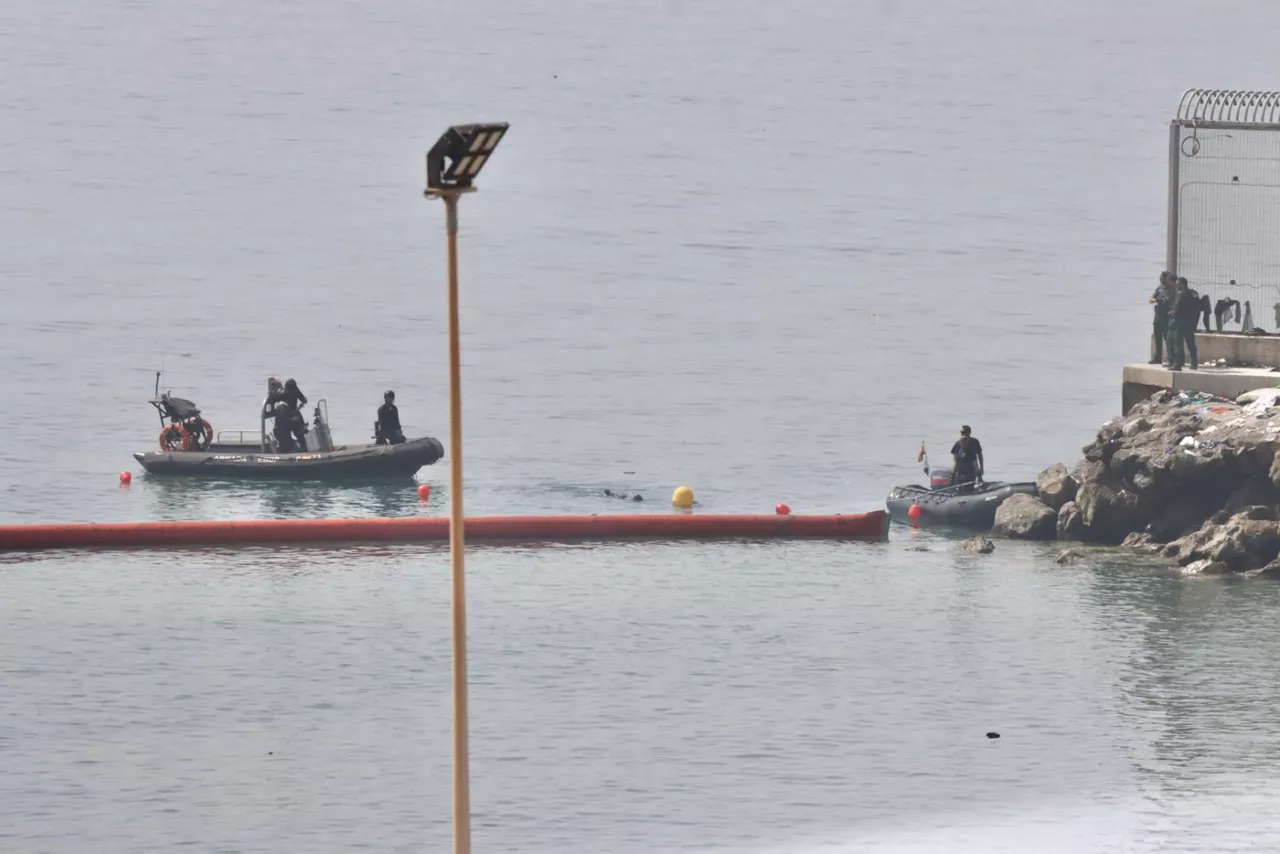
Why the new fence could change the management of the Ceuta border
The new infrastructure, which is 500 metres long, seeks to resolve a legal dispute over immediate reimbursements.
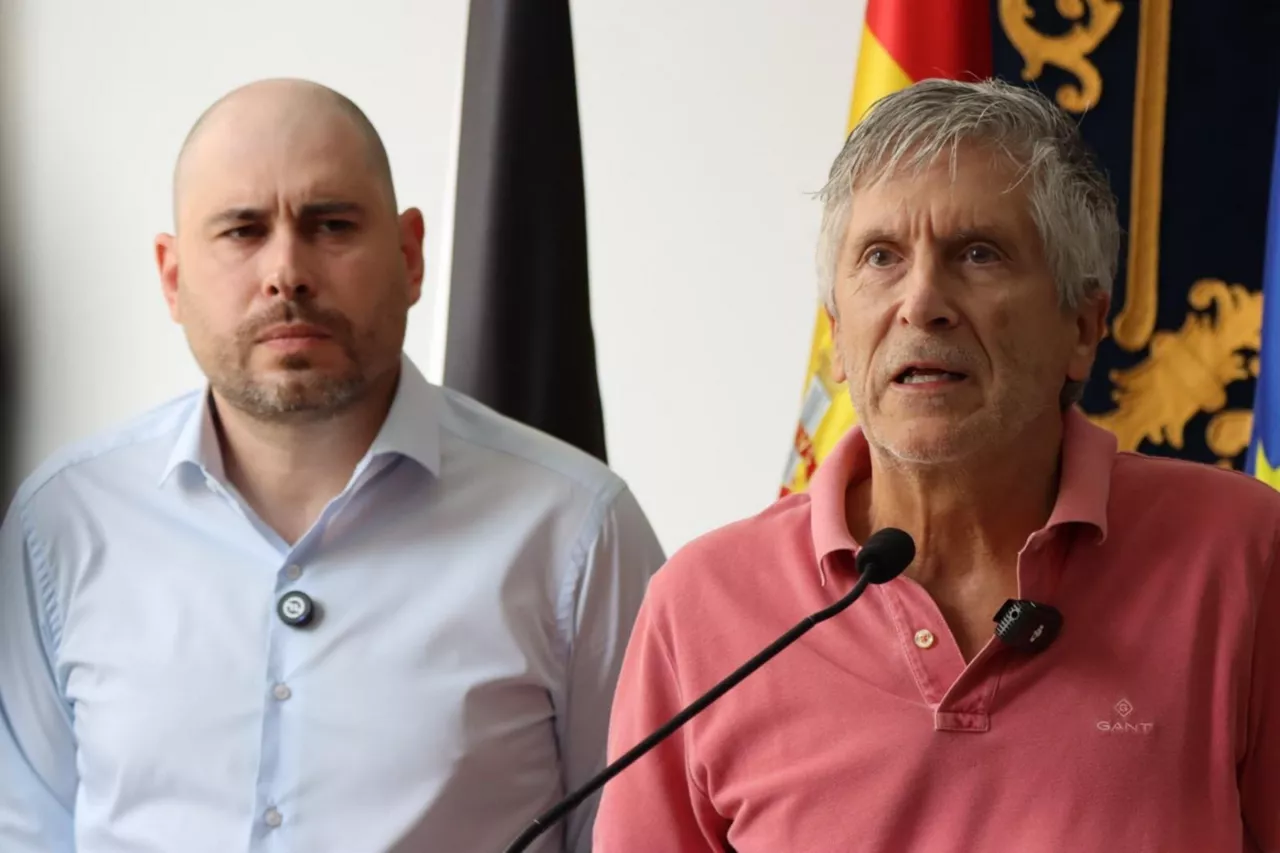
According to Marlaska, Morocco "is not a threat," and migrants arriving in Ceuta will not be able to regularize their situation
The Minister of the Interior has stated that the Spanish Government is working to ensure that a massive influx such as that of 30 July does not recur, although he has admitted that he cannot guarantee that it will not happen again.
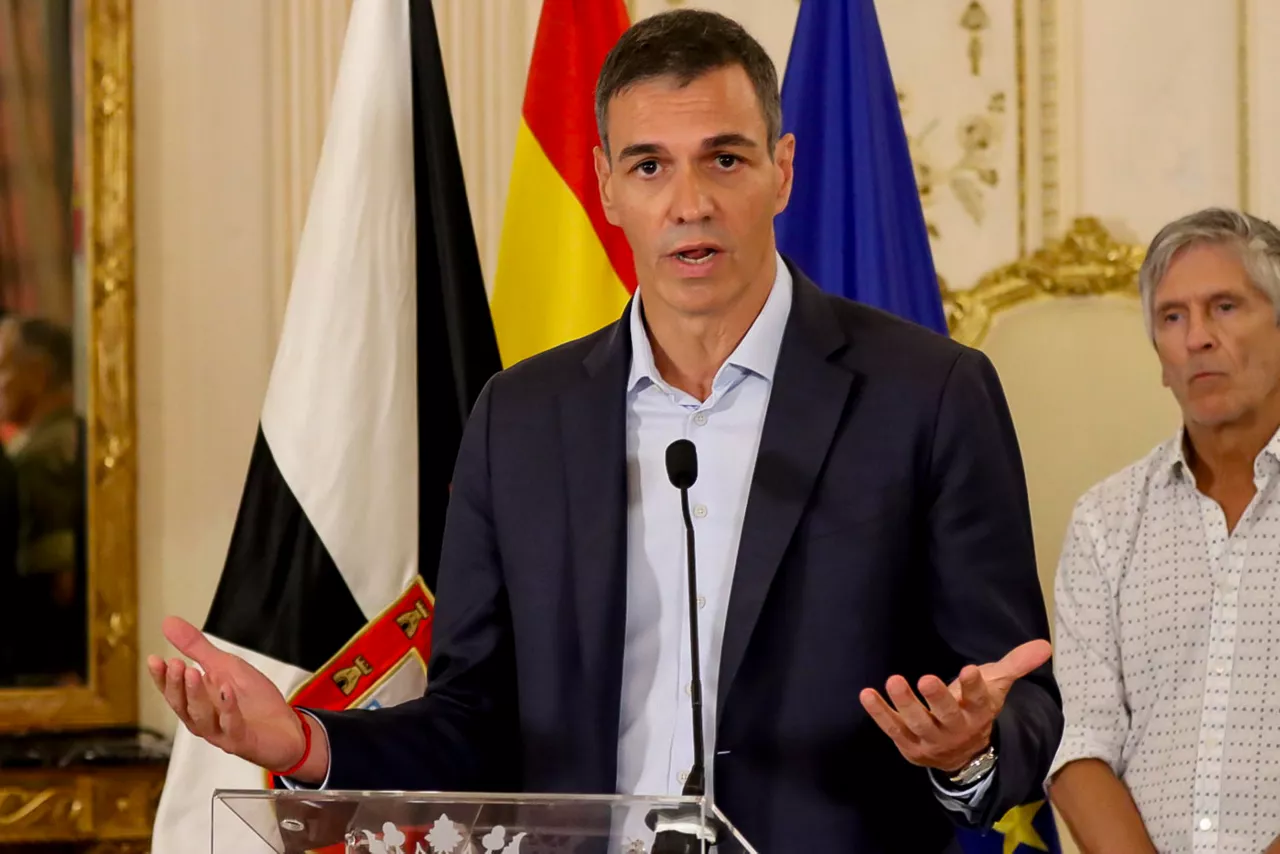
Sanchez calls for an urgent meeting of EU interior ministers on the migration crisis in Ceuta
The Spanish Prime Minister has conveyed to Ursula von der Leyen his "grave concern" about the reaction of some European governments and has strongly criticised the closure of the borders announced by Italy.
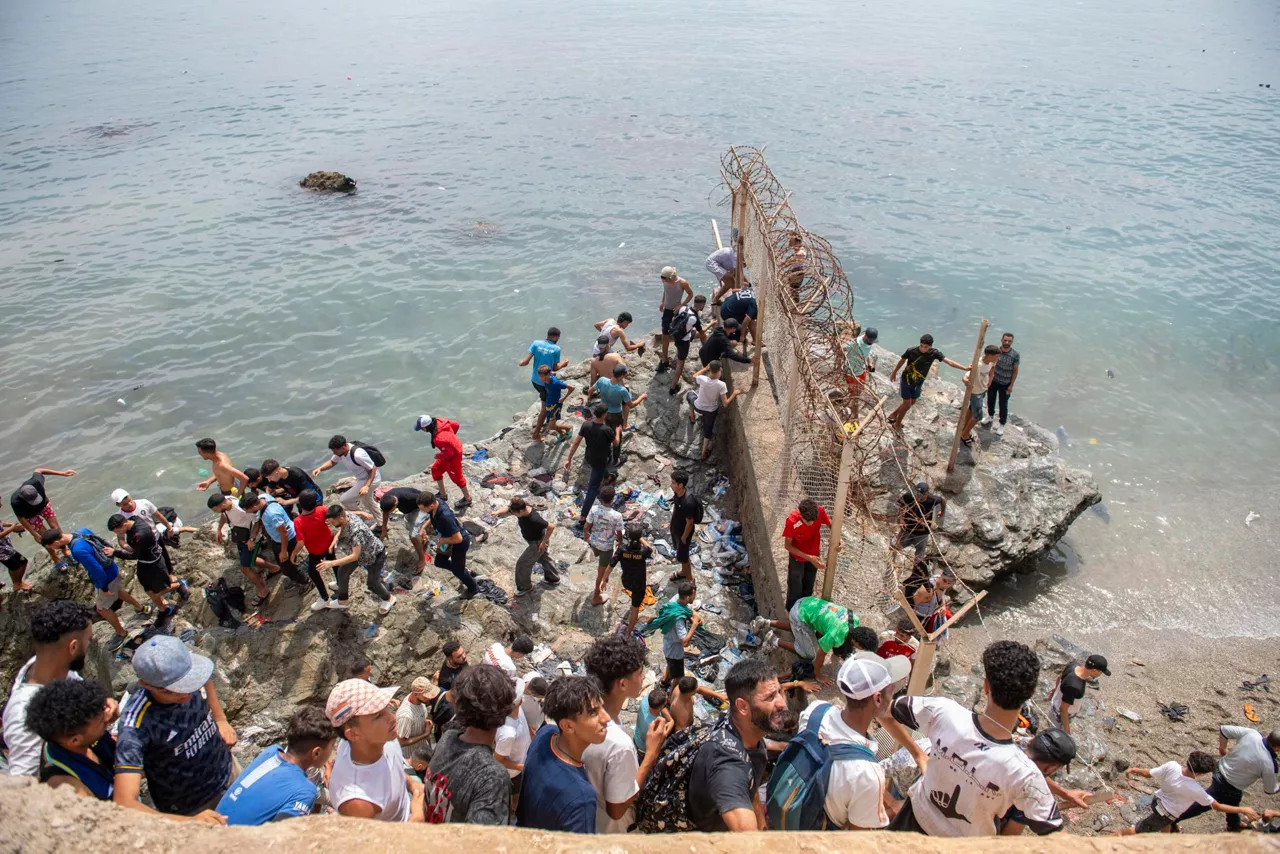
The Spanish Government is setting up a border fence in Ceuta
The Supreme Court ruled that immediate refunds can only be made in the case of those who exceed the "frontier elements"; this measure is intended to meet that requirement.

The Puy Descent has been suspended at Estella parties for the third year
At the plenary session on 29 July, opposition groups joined their votes in a motion urging UPN to rectify the decision. As last year, Mayor Marta Ruiz de Alda drove down to avoid the street where people were making proclamations for the location of the txosnas.

Italy suspends Schengen agreement with Spain by closing maritime and air borders
The Ministry of the Interior has ordered the closure of the maritime and air borders with Spain in connection with the migration crisis in Ceuta.
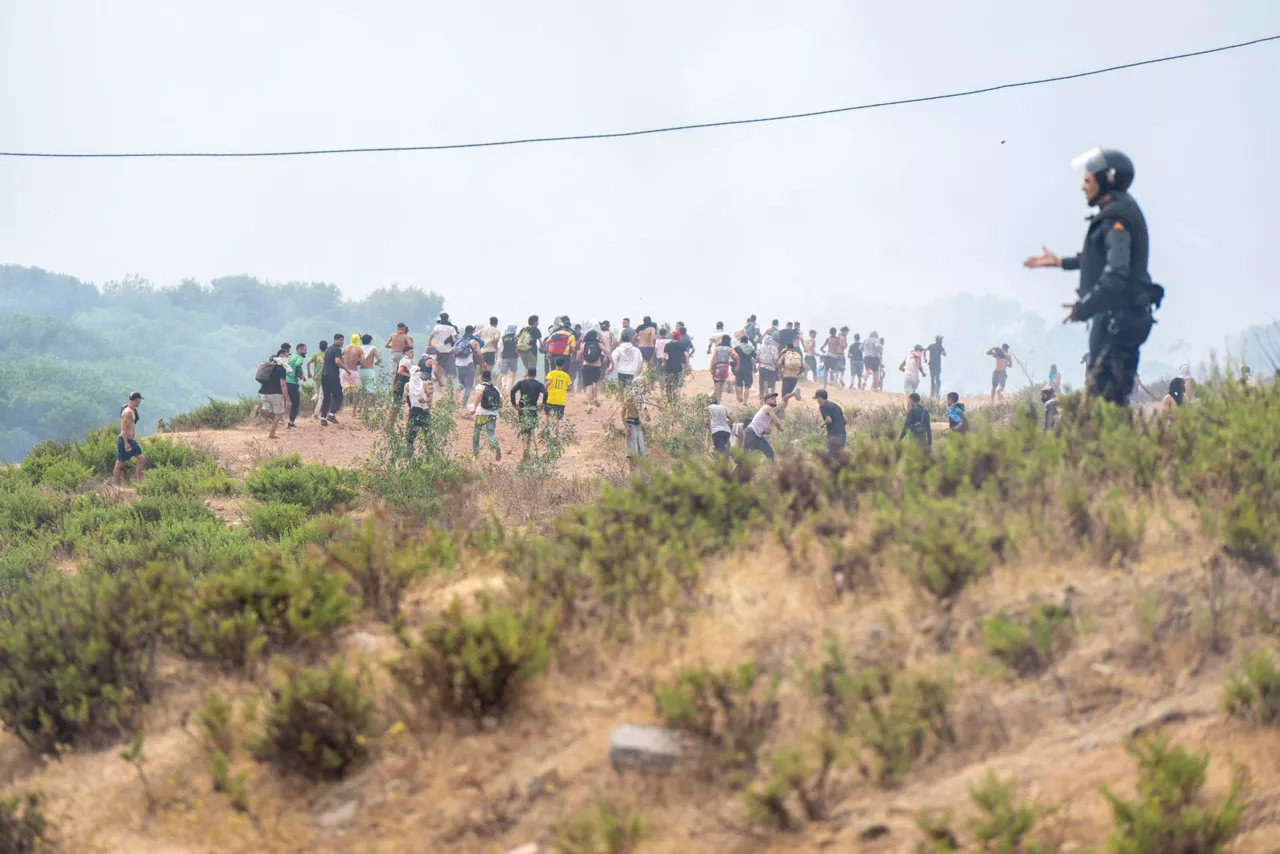
Thousands of migrants begin to return to Morocco
The entry of more than 50,000 migrants into Ceuta has left the city saturated, and many have embarked on returning to Morocco.
The Basque Government denies Solaria's 19 applications for permission to build photovoltaic parks in Álava
The Department of Industry, Energy Transition and Sustainability alleges that prior permits for access to and connection to the transport network have expired.
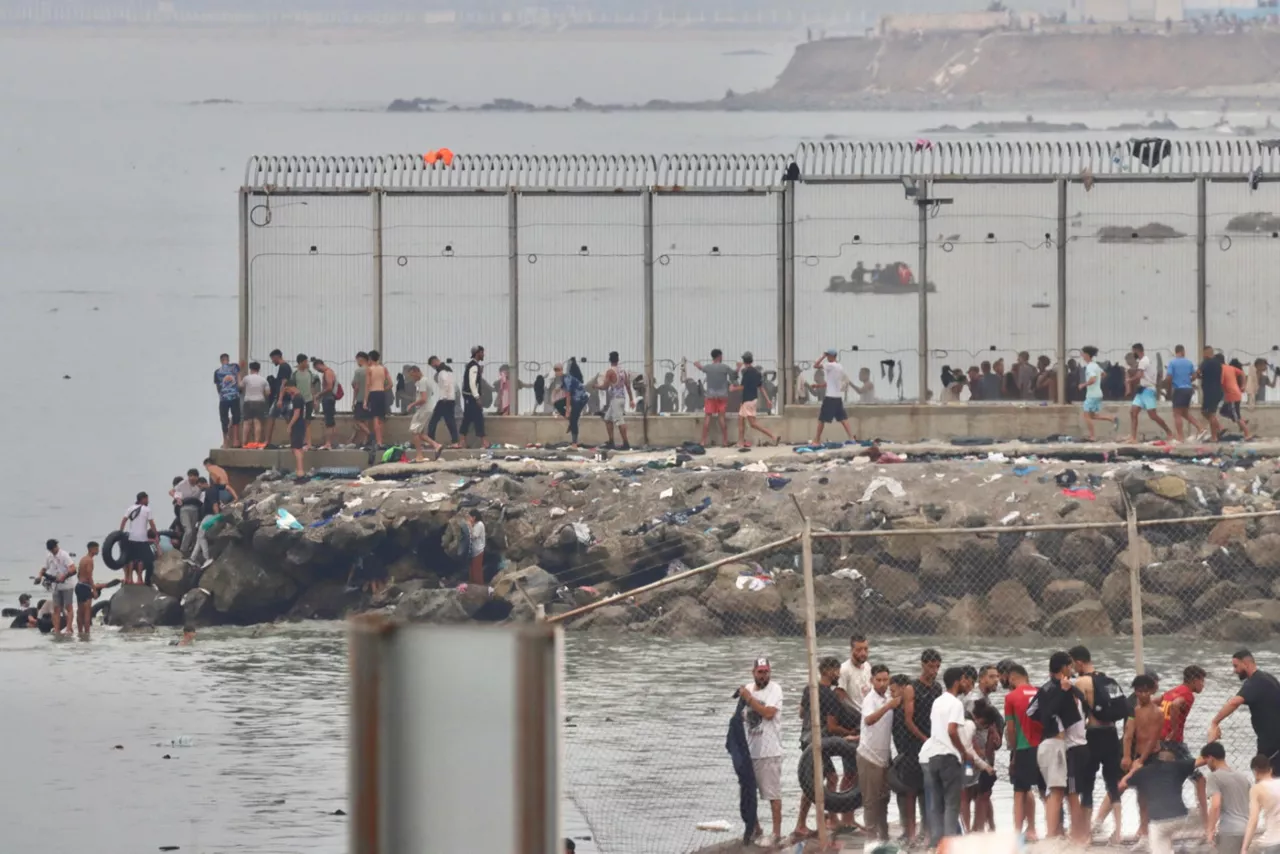
Feijóo calls for "exceptional" measures in the face of the migration crisis as the first political reactions arrive
The PP leader has called for strengthening security in Ceuta, reforming the Aliens Act and for Pedro Sánchez to appear in Congress. ERC, Vox and IU have also expressed their position on the migration crisis.