
Why the new fence could change the management of the Ceuta border
The new infrastructure, which is 500 metres long, seeks to resolve a legal dispute over immediate reimbursements.

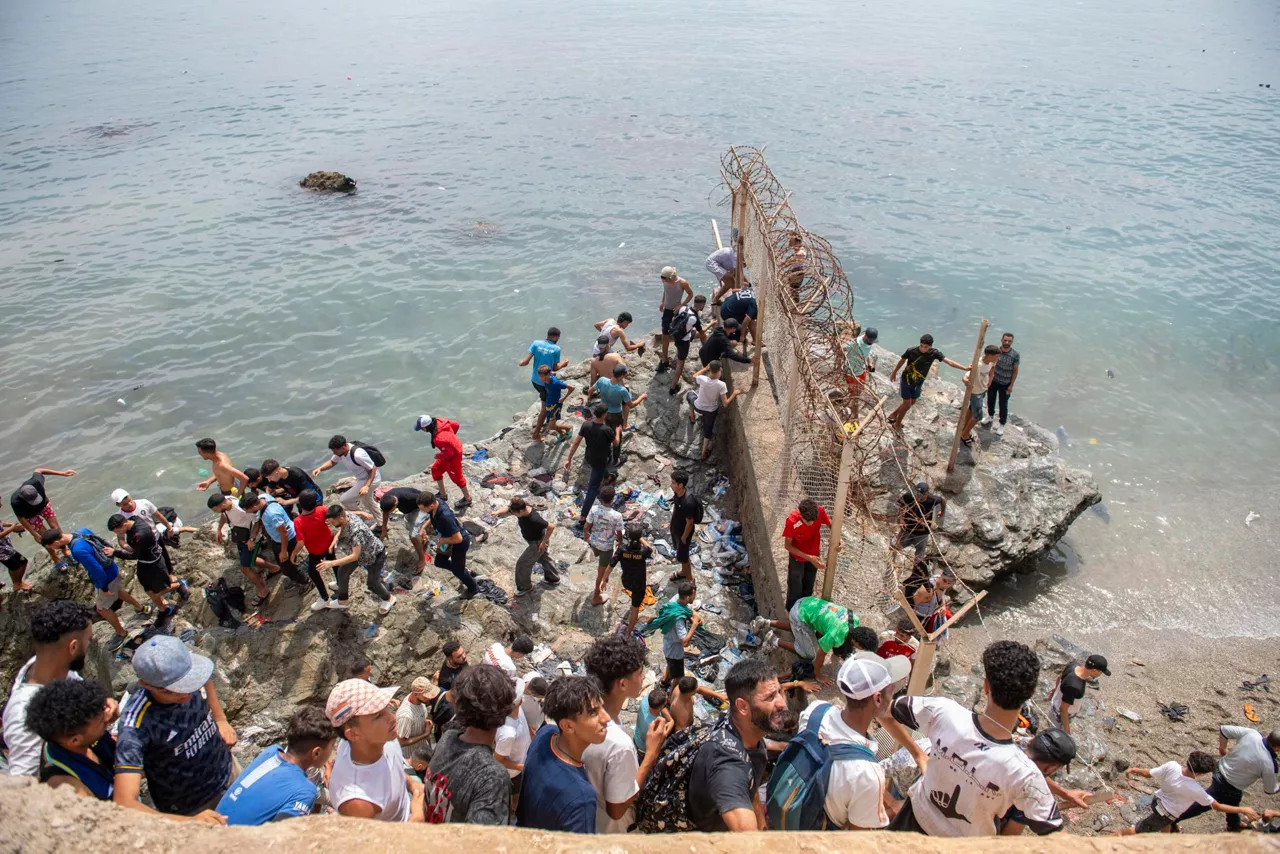
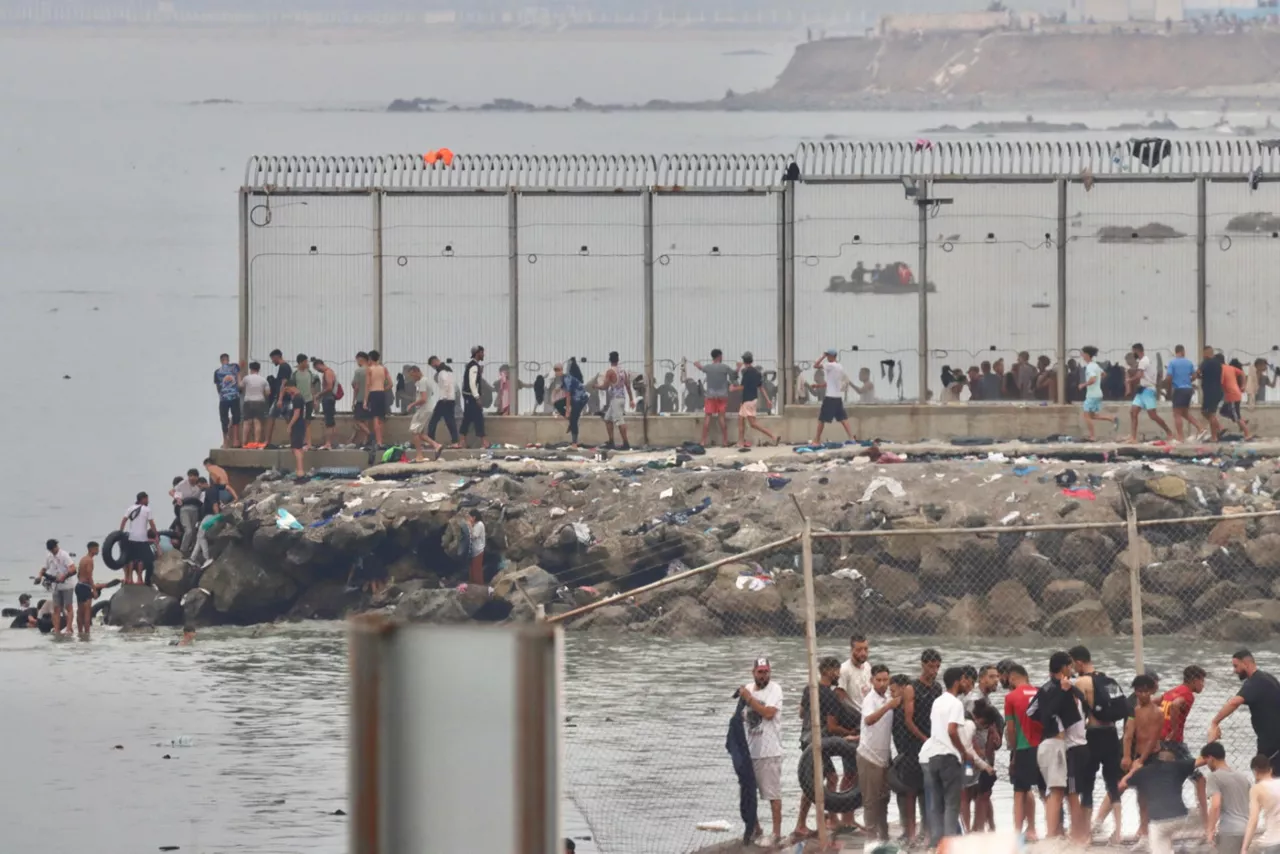
The border between Tarajal Beach in Ceuta and Morocco as the new fence was being erected.

The new pneumatic barrier that the Spanish Government has installed in the Tarajal Morro in Ceuta is not only intended to make it difficult for migrants to enter by sea. The main objective of the new infrastructure is to resolvethe legal dispute raised by the latest Supreme Court ruling on "immediate refunds".
The infrastructure , 500 meters long, shows a stretch of 30 to 70 inches in the water, and a section that reaches up to a meter deep underwater. To complete the infrastructure, the Army has set up a buoy line anchored as the first line, leaving an intermediate channel through which Civil Guard ships can patrol and protect the facility.
Legal litigation
The most important aspect of the measure, however, is not physical, but legal. Just a few weeks ago, the Supreme Court ruled that only immediate refunds at the border itself can be applied to those who attempt to introduce Ceuta or Melilla beyond the "elements of containment at the border."
According to this interpretation, migrantswho swim and surround the Tarajal Moor do not overcome physical barriers at the border, so that immediate restitution cannot be applied to them at the border itself.
However, the judgment also left open the possibility that if elements of border containment were placed at sea, they would form part of the physical limitation and the same legal regime could be applied, which is the purpose of the new barrier.
New situation
The Spanish Government considers that the need to cross the border fence allows these persons to be included in the regime of refunds made at the border itself, in order to adapt the maritime border to the criterion of the Supreme Court without the need to amend the law.
The President of the Spanish Government, Pedro Sánchez, also suggested that the ruling of the Supreme Court has influenced the migration crisis in Ceuta.
During his visit to Ceuta, he explained that the mafias engaged in human trafficking had spread a misinterpretation of the sentence that migrants arriving swimming could not immediately return to Morocco.
According to the Spanish President, this message spread very quicklyand could have prompted more people to travel to Ceuta, while some 20 European states have a different view and believe that the real "attraction effect" is due to the regularization of migrants.
In any case, there is currently no evidence to confirm whether the Supreme Court's ruling triggered or exacerbated the migration crisis in Ceuta, which may be due to several factors, the weight of which will be revealed in the coming days.
You might like

According to Marlaska, Morocco "is not a threat," and migrants arriving in Ceuta will not be able to regularize their situation
The Minister of the Interior has stated that the Spanish Government is working to ensure that a massive influx such as that of 30 July does not recur, although he has admitted that he cannot guarantee that it will not happen again.

Sanchez calls for an urgent meeting of EU interior ministers on the migration crisis in Ceuta
The Spanish Prime Minister has conveyed to Ursula von der Leyen his "grave concern" about the reaction of some European governments and has strongly criticised the closure of the borders announced by Italy.
The Spanish Government is setting up a border fence in Ceuta
The Supreme Court ruled that immediate refunds can only be made in the case of those who exceed the "frontier elements"; this measure is intended to meet that requirement.
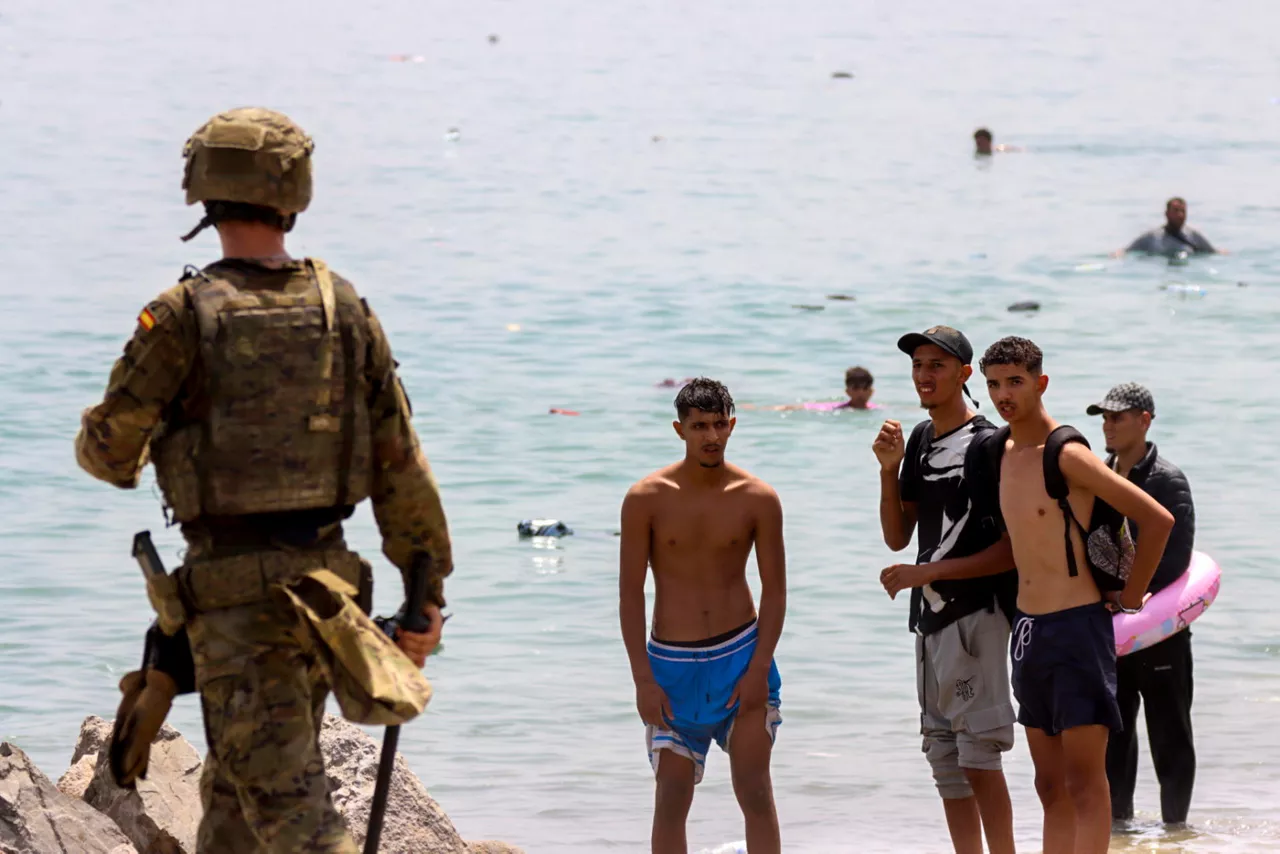
Some 69,500 migrants have returned to Morocco from Ceuta for lack of food and water
Some migrants say they will try again, and they criticize the "police strategy" by urging businesses to close.

The Puy Descent has been suspended at Estella parties for the third year
At the plenary session on 29 July, opposition groups joined their votes in a motion urging UPN to rectify the decision. As last year, Mayor Marta Ruiz de Alda drove down to avoid the street where people were making proclamations for the location of the txosnas.

Italy suspends Schengen agreement with Spain by closing maritime and air borders
The Ministry of the Interior has ordered the closure of the maritime and air borders with Spain in connection with the migration crisis in Ceuta.
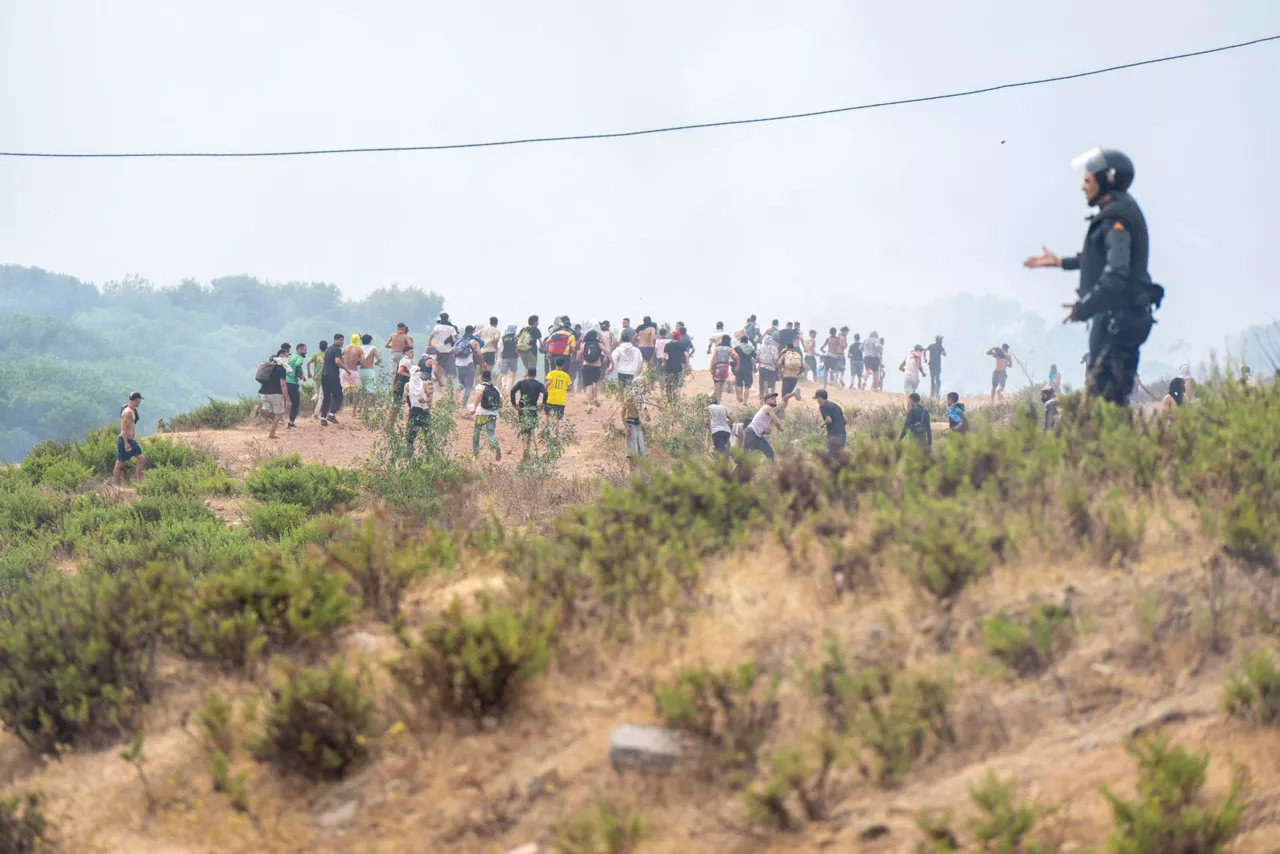
Thousands of migrants begin to return to Morocco
The entry of more than 50,000 migrants into Ceuta has left the city saturated, and many have embarked on returning to Morocco.
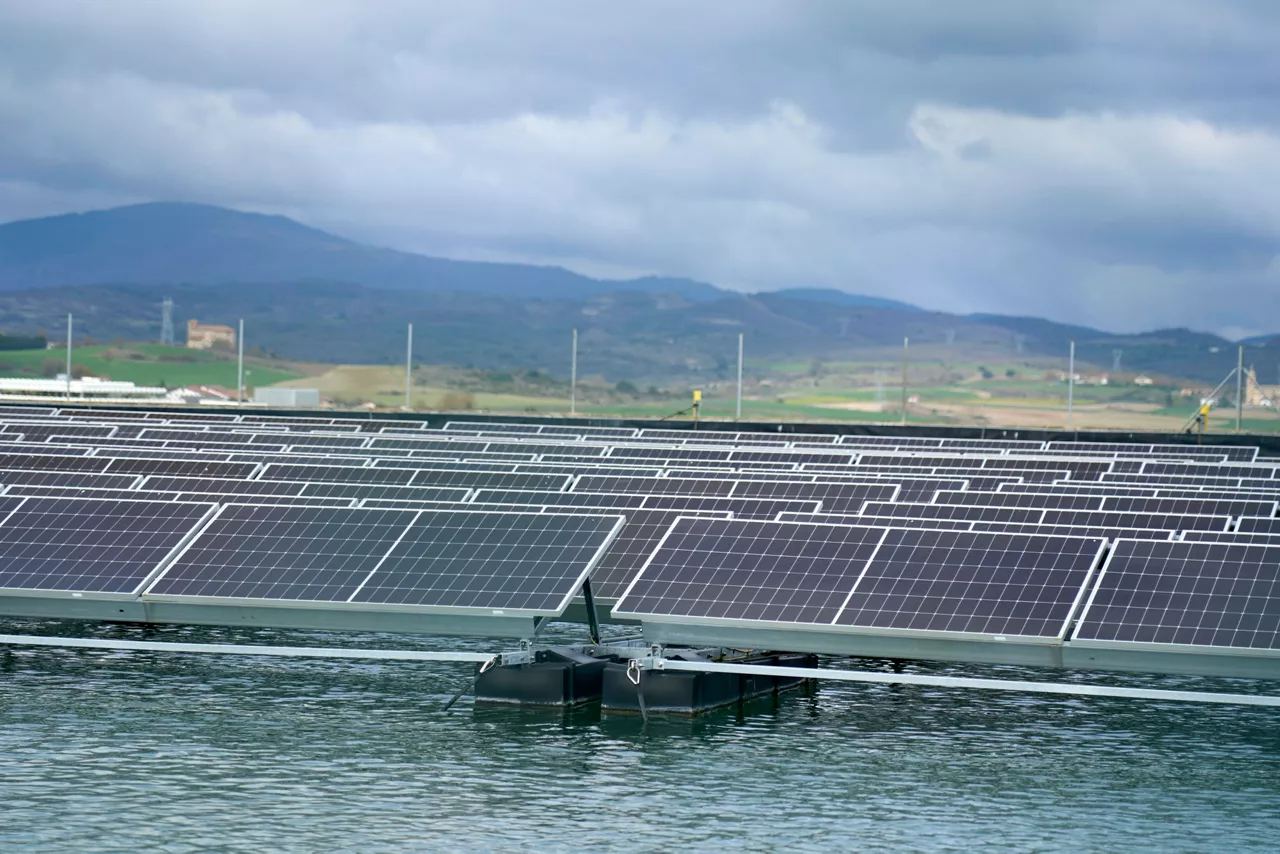
The Basque Government denies Solaria's 19 applications for permission to build photovoltaic parks in Álava
The Department of Industry, Energy Transition and Sustainability alleges that prior permits for access to and connection to the transport network have expired.
Feijóo calls for "exceptional" measures in the face of the migration crisis as the first political reactions arrive
The PP leader has called for strengthening security in Ceuta, reforming the Aliens Act and for Pedro Sánchez to appear in Congress. ERC, Vox and IU have also expressed their position on the migration crisis.