How many hours a day do children and teenagers spend in front of screens?
In general, they far exceed the expert recommendation to spend a maximum of 120 minutes a day in front of the screen, since the average is 3 hours and 30 minutes.


According to a study by the Gasol Foundation, children and adolescents spendmore than three hours a day in front of screens, a study that warns that this habit negatively affects the sleep, physical activity and emotional well-being ofminors.
This is reflected in the report "Pantallas, infancia y adolescencia: situación actual y retos", prepared in the Spanish state, which provides data collected in the period 2019-2020 and 2022-2023.
The sample consists of 6,170 participants, of whom 56.2 per cent are under 13 years of age and the remaining 43.8 per cent are adolescents up to 16 years of age.
In general, they far exceed what experts recommend, which is to spend a maximum of 120 minutes a day in front of the screen.
"Screens are gaining weight in childhood and adolescence. Not as an isolated result, but as an indirect factor that can affect sleep, physical activity, nutrition or emotional well-being, "former basketball player Pau Gasol, president of the Gasol Foundation, explained in the presentation of the report.
Increased use in adolescents and vulnerable environments
Teenagers spend the most time in front of the screen among these groups, with an average of 284.8 minutes a day, and as the courses go on, the number of minutes increases, as the use of screens reaches its peak in the last year of secondary school, with an average of 296 minutes a day.
As far as the socio-economic level is concerned, the number of hours spent on screen increases in families withlower incomes and those without university education.
By gender, boys use screens more.
Distractions and lower academic performance
Twenty-nine percent of the students surveyed in that report admit to having "regular distractions related to screen use."
Experts have explained that these distractions are directly related to academic performance.You might like

Bengoetxea: "We will study the judgment in depth to improve the decree we are preparing and decide whether or not to appeal."
The Navarre High Court of Justice has confirmed the dismissal of a worker who extended his vacation for 17 days without permission
Two people arrested in Ceuta in subhuman conditions and charged a fortune for "housing" migrants
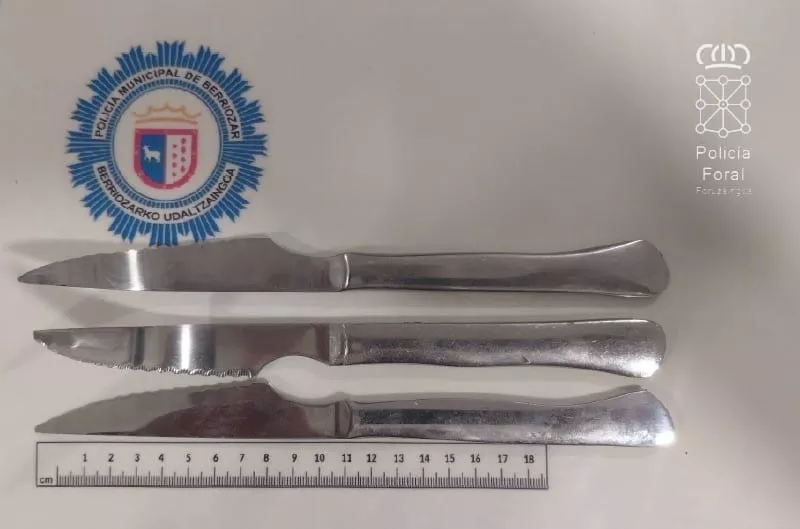
A man has been arrested in Berriozar for violating a restraining order against his former partner with knives in his hand

The new rehabilitation plan for the Old Town of Vitoria-Gasteiz will allow the installation of 35 hotels

Fewer apples will be harvested this year than last year, but they bring a lot of strength for cider

The City Council has reported three male assaults at the Hondarribia festivities and arrested a man

The TSJPV annuls the decree regulating the use of the Basque language in the Basque administration