The EU has decided to stop importing natural gas from Russia by 2027
Hungary and Slovakia have announced that they will bring the plan before the Court of Justice of the European Union.


The negotiators of the Council of the European Union and the European Parliament have agreed on Wednesday that the EU will finally cease importing Russian natural gas by the end of September 2027 and will gradually do the same for oil imports, with the aim of suspending these imports by the end of that year.
Imports of liquefied natural gas (LNG) would end by 31 December 2026 and imports of pipeline gas by 1 November 2027, the European Parliament said in a statement.
In particular, six weeks after the entry into force of the regulation, imports of both types of gas will be banned, but a transitional period will begin for pre-existing contracts, for short-term supply agreements concluded before June 2025 until April (LNG) or June (gas pipeline) 2026, and for long-term liquefied natural gas contracts until 1 January 2027.
Hungary, in particular, has put pressure on the Commission to maintain purchases of Russian oil in favour of energy security and has ensured that it will bring the plan to the Court of Justice of the European Union in coordination with Slovakia.
Brussels will present a legislative proposal at the beginning of next year.
"It is the dawn of a new era, the era of Europe's full energy independence from Russia," European Commission President Ursula von der Leyen celebrated in a press statement.
According to the head of the Community government, imports of Russian gas from the LNG and pipeline have fallen from 45% to 13% since Russia invaded Ukraine; oil from 26% to 2%; and coal from 51% to zero.
Von der Leyen has pointed out that, in addition to promoting the energy independence of the European Union, stopping buying fossil fuels from Russia reduces Moscow's revenue for war.
"At the beginning of the war, we were paying EUR 12 billion a month to Russia for fossil fuels. We're down to EUR 1.5 billion, and it's still a lot. The goal is to go down to zero," the German said.
The European Commission has explained that EU countries must submit 'national diversification plans describing measures to diversify gas and oil supplies by 1 March 2026' and must inform the Commission in the weeks following the entry into force of the regulation whether they have contracts for the supply of Russian gas or legal national prohibitions in force.
You might like
Yellow vests called for demonstrations on Saturday, and Macron accuses Trump of manipulating revolts
Von der Leyen blames several states and other actors for the migration crisis in Ceuta

Milei calls Sanchez a "dictator" and accuses him of promoting an "invasion" in Ceuta
Partial curfews will be imposed in several French cities due to riots
Macron holds the far left responsible for the violence and conveys his support to the police and traders
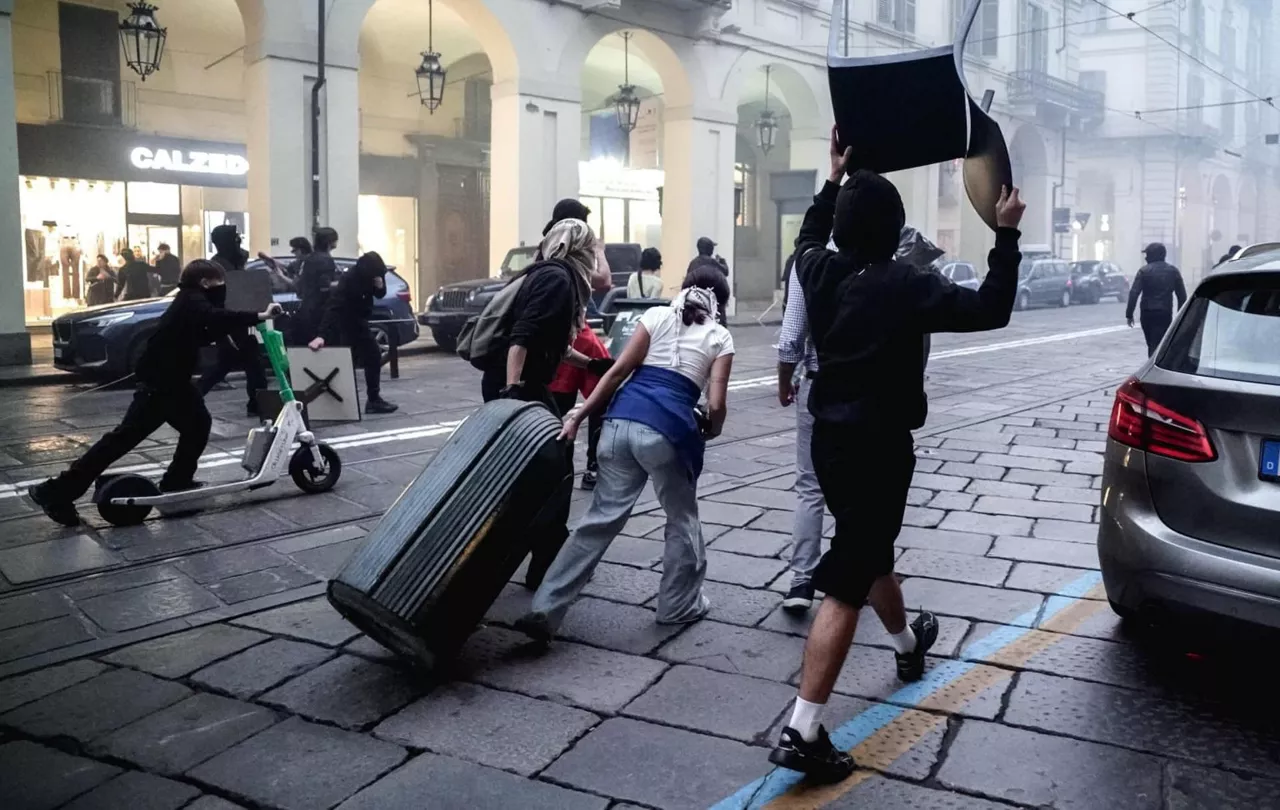
Violent protests in Italy and Albania against rising prices
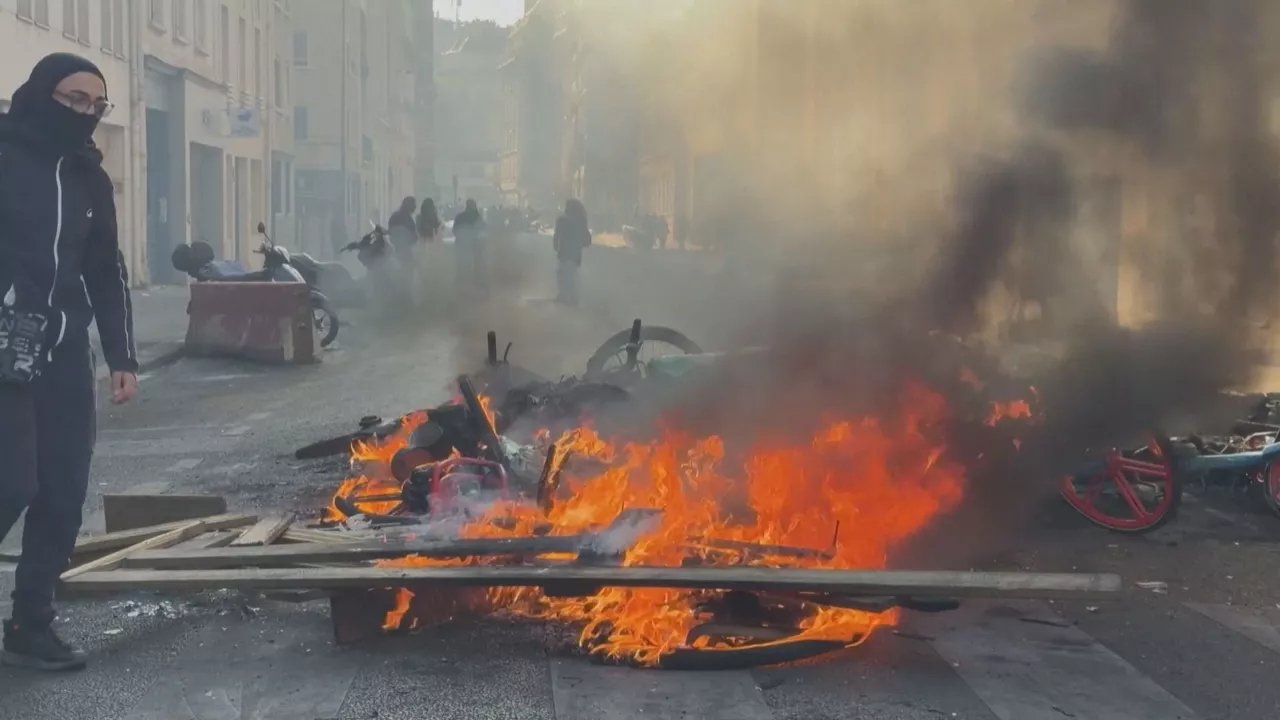
Riots erupt again in Paris the day after the protests
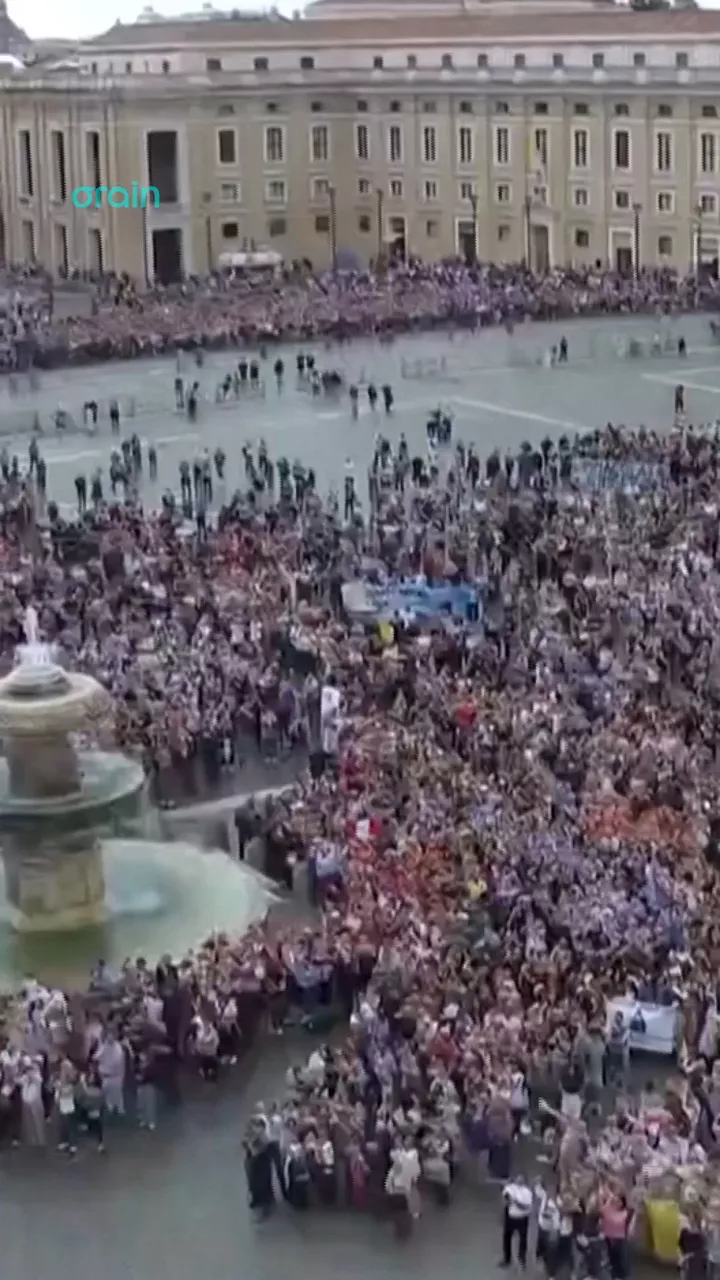
The Pope reappears in the Vatican to pray for the Angelus

Consequences of the protests in France: one person has died, 1,200 have been arrested and there is destruction everywhere