Who are the Iranian military and scientists killed by Israel in this latest attack?
In the attack, the Israeli Army has also killed several civilians, including one of the Armed Forces Chief of Staff, Mohamad Hosein Baqeri, and the Revolutionary Guard Commander-in-Chief, Hossein Salami.

Air Force Chief General Amir Ali Hajizadeh, murdered today.

The Israeli attack on Iran this morning killed one of the commanders of the Armed Forces General Staff,Mohamad Hosein Baqeri , and the commander-in-chief of the Revolutionary Guard, Hossein Salami, whose substitutes were immediately appointed by Tehran.
The death of other senior military officials and scientists has also been confirmed, while the Israeli Army has killed several civilians in the bombings.
Baqeri, military intelligence expert.
Baqeri, after Iran's supreme leader, Ali Khamenei, was Iran's most powerful military. He had a degree in engineering, a PhD in Political Geography, and a military intelligence expert. He had been Chief of Staff of the Iranian Armed Forces since June 28, 2016, when he replaced Hassan Firouzabadi.
He fought in the Iran-Iraq War (1980-1988) as a member of the Revolutionary Guard and was also Deputy Chief of Intelligence and Operations Staff between 2002 and 2014. His post will be occupied by Major General Abdorrahim Musavi , also Army Commander.
Salami ordered the operation in April 2024, according to Tel Aviv.
Salami was placed at the helm of the Revolutionary Guard in 2019, replacing Mohammad Ali Jafari, after US President Donald Trump suspended the international nuclear agreement, reinstated sanctions against Iran, and declared the Revolutionary Guard a "terrorist organization."
He was a mechanical engineering student in Tehran when the war with Iraq broke out (1980-1988), and in 1980 he joined the Revolutionary Guard.
After the US assassination of Qassem Soleimani, head of the Revolutionary Guard's Quds Force, on January 3, 2020, in Baghdad, Salami himself announced reprisals against Americans and Israelis: "We will respond to any hostile action against us with a decisive and decisive blow of equal magnitude," he said.
Tel Aviv believes it was he who ordered the operation in April 2024 in which Iran launched 300 missiles and drones into Israel. His vacancy, the Revolutionary Guard's commander-in-chief, will now be occupied by division general Mohammad Pakpur.

The other soldiers killed
With Baqeri and Salami, the deaths of General Amir Ali Hajizadeh , head of the Air Force of the elite military corps, and General Gholam Ali Rashid , head of the important Khatam ol-Anbiya base, have also been confirmed.
Hajizadeh had been in charge of the missile and drone program since October 2009, and Tel Aviv believes he played an important role in last year's latest missile launches into Israel.
Rashid, on the other hand, was born in 1953 in Dezfule, west of Iran, and was commander of the Khatam al-Anbia Central Headquarters (KCHG) since June 2016. He was therefore responsible for coordinating the Iranian Conventional Army and the Islamic Revolutionary Guard Corps, as well as overseeing offensive and defence operations.
Scientists
At least six nuclear scientists have also been killed in today's attacks and one of the targets has been Iran's main uranium enrichment plant, Natanz, according to the Tasnim agency, linked to the Revolutionary Guard.
The dead are Mohammad Mehdi Tehranchi, Fereydoun Abbasi, Abdulhamid Minouchehr, Ahmadreza Zolfaghari, Seyyed Amirhossein Faqhi and Motlabizadeh, all allegedly linked to Iran's powerful nuclear program.
Tehranchi (Tehran, 1965-2025) was one of the country's most prestigious nuclear scientists, a prominent university figure, who, according to the official press, played a key role in Iran's scientific future.
Abbasi (Ababa, 1958-2025) was a nuclear scientist who was director of the Iranian Atomic Energy Organization between 2011 and 2013, but was also a parliamentarian and a member of the Revolutionary Guard.
You might like
Yellow vests called for demonstrations on Saturday, and Macron accuses Trump of manipulating revolts
Von der Leyen blames several states and other actors for the migration crisis in Ceuta
Milei calls Sanchez a "dictator" and accuses him of promoting an "invasion" in Ceuta
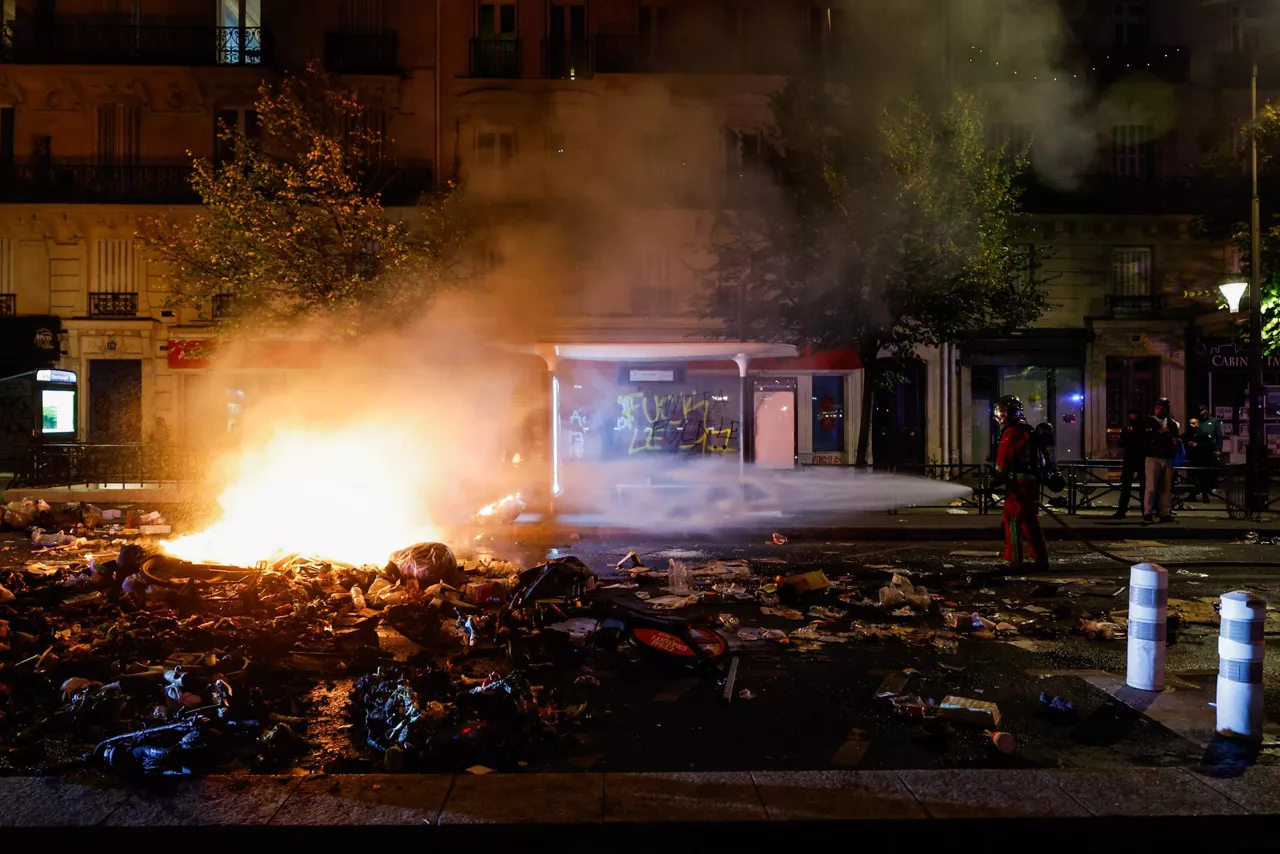
Partial curfews will be imposed in several French cities due to riots
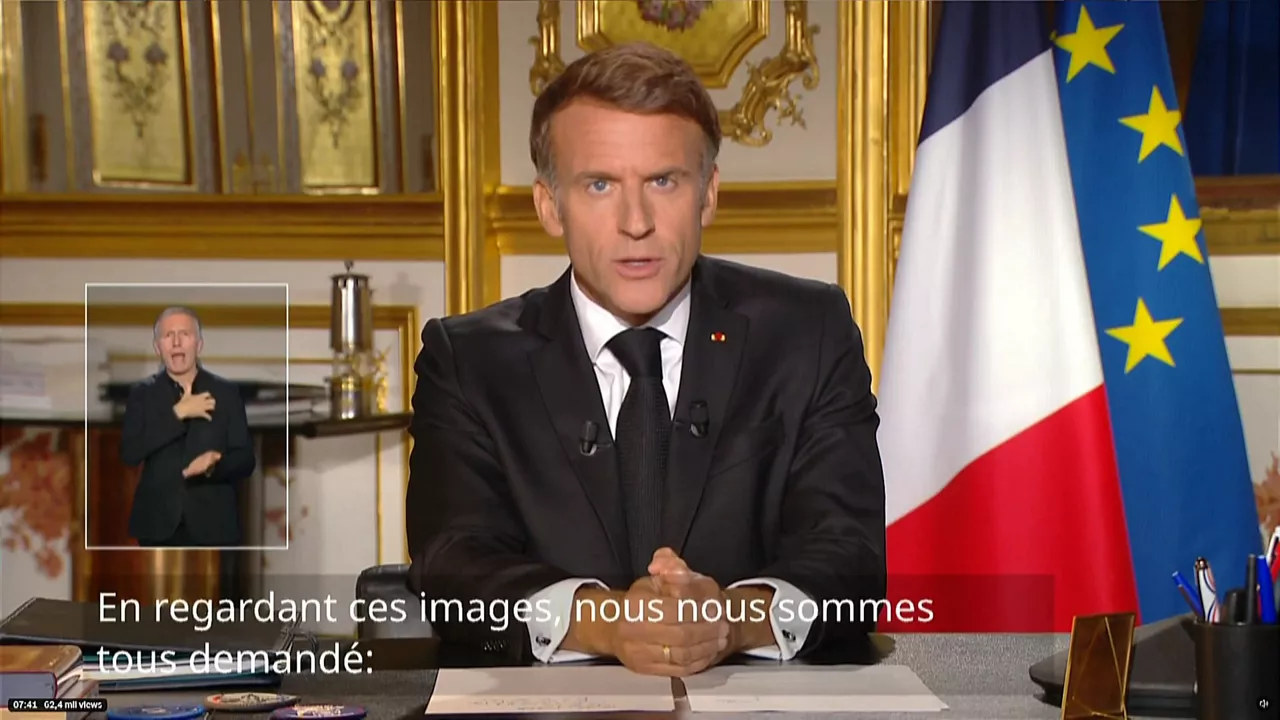
Macron holds the far left responsible for the violence and conveys his support to the police and traders
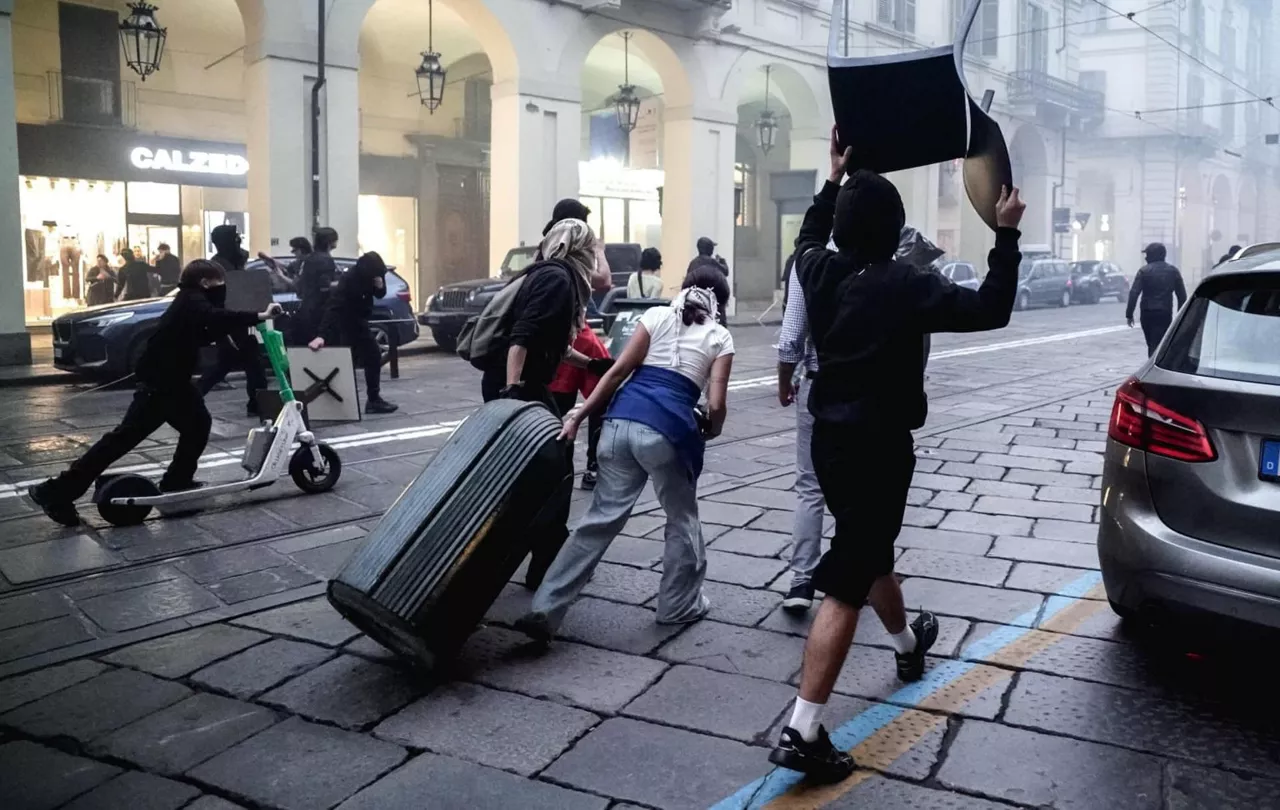
Violent protests in Italy and Albania against rising prices
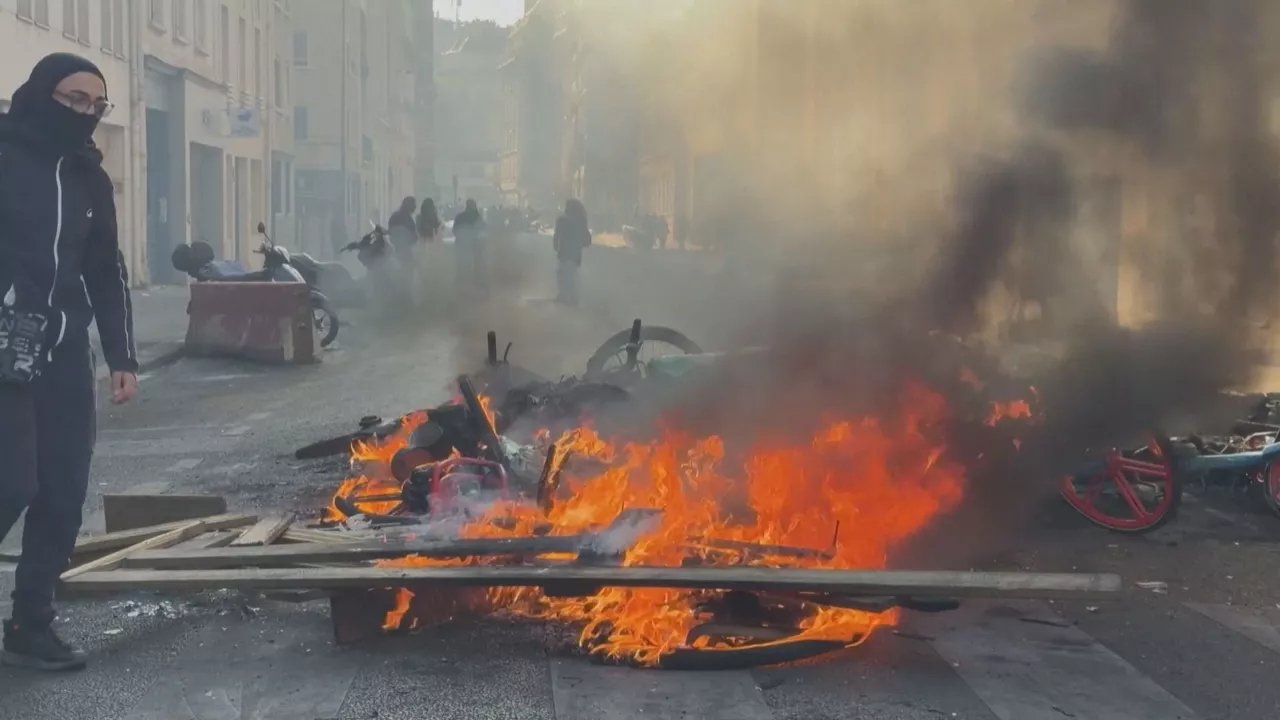
Riots erupt again in Paris the day after the protests
The Pope reappears in the Vatican to pray for the Angelus
Consequences of the protests in France: one person has died, 1,200 have been arrested and there is destruction everywhere