This is how the war against Iran has spread
 Chart: NOW

These are the countrieshitherto involved in the war:
Iran
As Netanyahu and Trump announced, the attacks were aimed at eliminating the ayatollah regime — whose leader, Ali Khamenei, was killed on 28 February — and destroying its military and nuclear facilities. The Israeli army has bombed the capital Tehran and the north, west and centre of the country on a daily basis. The attacks have destroyed military targets and fuel tanks.
The regime, now under Mojtaba Khamenei, has promised a "violent response to the enemy," and has warned countries that support the US.
Lebanon
Two days after the Israeli and US attacks on Iran, the Lebanese militia Hezbollah fired rockets into northern Israel. Since then, Tel Aviv has launched violent air strikes against Lebanon,killing 394 people, including 83 children, and wounding 1,130, according to data released by Public Health Minister Rakan Nasreddine.
The Lebanese Government, caught up in the interests of Iran and the United States, begins intense diplomatic relations to stop the conflict. The authorities want to avoid further destruction at all costs in a country that was still waiting for international funds to undertake reconstruction after the previous war.

Image: Now
Israel
It's hard to know what's going on in Israel. The exact places that Iran has targeted are unknown, because Israeli military censorship does not allow them to be published, especially if they damage critical or military infrastructure. As for the number of casualties, it is estimated that a dozen people have been killed and 2,000 injured. On Monday, Israel reported two deaths and one critical injury in Yehud, a town near Ben Gurion airport.
Prime Minister Binyamin Netanyahu has announced that Israel will continue its offensive against Iran "with all its might," and has argued that the attacks are "changing the face of the Middle East." Indeed, it is Israel that is most interested in prolonging the offensive, which seeks to strike the map of the region once and for all and to shape the political board.
The U.S. Army, in cooperation with Israel during this war, has also suffered casualties. Eight American soldiers have been killed by Iranian attacks in Kuwait and Saudi Arabia.
Saudi Arabia
Saudi authorities began to say a week ago that drones and missiles were being detected in the air; however, Riyadh initially did not say who might be behind these attacks.
The situation changed on Sunday, March 8. Two people were killed and 12 others injured when a military shell hit a residential area in Al Jarj province, south-east of the Saudi capital.
Saudi Arabia's foreign ministry on Monday condemned Iran's attacks on the country, members of the Gulf Cooperation Council and other "Arab, Islamic and friendly nations." The Saudi authorities have confirmed that "they have every right to take all necessary measures to protect their security and sovereignty."
United Arab Emirates
The United Arab Emirates has several American bases on its territory and has been another country attacked by Iran. According to data from the Ministry of Local Defence, hundreds of missiles and nearly 1,400 drones have been intercepted since the beginning of the Iranian offensive. Most of them, according to these sources, have been destroyed and only two Iranian ballistic missiles have hit the country.
The Ministry of Defence reiterates its readiness "to deal with any threat and to courageously address anything aimed at destabilizing the security of the State".
Qatar
Qatar is another country in the Persian Gulf that has been the subject of retaliatory attacks by US military bases on its territory. Last Monday, the Ministry of Defence announced the shooting down of two SU-24 aircraft from Iran and the "successful" interception of seven ballistic missiles and five drones.
Kuwait
All U.S. allied countries have been hit hardest by Kuwait. Six people, including one girl, have died and dozens have been injured. Iran has attacked U.S. centers and bases, the headquarters of the Public Social Security Organization (IPSS), and two fuel tanks at Kuwait International Airport, causing heavy fire and material damage.
Bahrain
Iran has also launched attacks on Bahrain in the presence of several US military bases. The Bahraini Ministry of Health has reported one dead and about 40 injured, four of them seriously.
Azerbaijan
The Government of Azerbaijan, which initially refused to use its territory for operations against Iran, has accused the Iranian regime of attacking Najichevan airport with drones 10 kilometres from the Iranian border in the south-west of the country and causing one death. "As a result of the attack, the airport was damaged and four civilians were injured.
However, Iran has denied any involvement in the attack and has stressed Israel's potential responsibility, while ordering an investigation to clarify what happened.
Iraq
Iraq, with a Shia majority, is one of the countries most critical of the attacks on Iran and has declared three days of national mourning for the "martyrdom" of Khamenei. During these days of attacks, Iraq has also received missiles and bombs of unknown origin, which have mainly affected the settlements of the militias known as the Popular Mobilization Forces. These groups are diverse but mostly Shia and Iranian followers.
This Saturday, the U.S. Embassy in Baghdad was attacked with rockets of unknown origin, but all of them were intercepted by the air defense system, as well as reports of drone attacks at an American base near Baghdad International Airport.
On the other hand, the Armed Forces have launched several attacks on positions of Kurdish groups in Iraqi Kurdistan. At least one member of an opposition Kurdish party has been killed in the attacks.

Image: Now
Jordan
Iran has fired 60 missiles and 59 drones at "crucial" facilities in Jordan. These attacks have injured 19 people. The Jordanian authorities have condemned the attacks. They have stressed that since the start of the escalation, "they have tried to avoid war in the region by diplomatic means. The Kingdom's main concern is to preserve its security and that of its citizens."
Oman.
Oman reported that near its coast, one person was killed and several injured in an unmanned boat attack on an oil tanker flying the Marshall Islands flag.
Sri Lanka
The conflict splashed Sri Lanka last week. An American submarine attacked an Iranian frigate with a torpedo as it returned from an Indian exercise. The attack took place in international waters of the Indian Ocean. The ship had about 180 sailors and ended up completely sunk. 84 bodies were recovered.
Sri Lanka authorities have argued that rescue operations began in accordance with international law and have stressed that "they have no intention of cooperating with the parties in this incident".
Cyprus
The British Acrotiri base on the island of Cyprus was attacked with a drone. Although the action did not cause casualties, the incident raised the security alert and highlighted the growing exposure in Cyprus, which is less than 250 kilometres from Lebanon.
The British Government initially reported that the projectile was Iranian production, but subsequently confirmed that it had not come from the Iranian regime.
Turkey
The Turkish Army has announced that NATO air systems have neutralized at least two missiles supposedly launched from Iran. There have been no casualties, but Ankara has insisted that "all necessary measures will undoubtedly be taken against any threat to the territory and airspace".
However, Iran has denied any attack on Turkey.
You might like
Zelensky and Putin, ready to start a new peace negotiation
Yellow vests called for demonstrations on Saturday, and Macron accuses Trump of manipulating revolts
Von der Leyen blames several states and other actors for the migration crisis in Ceuta

Milei calls Sanchez a "dictator" and accuses him of promoting an "invasion" in Ceuta
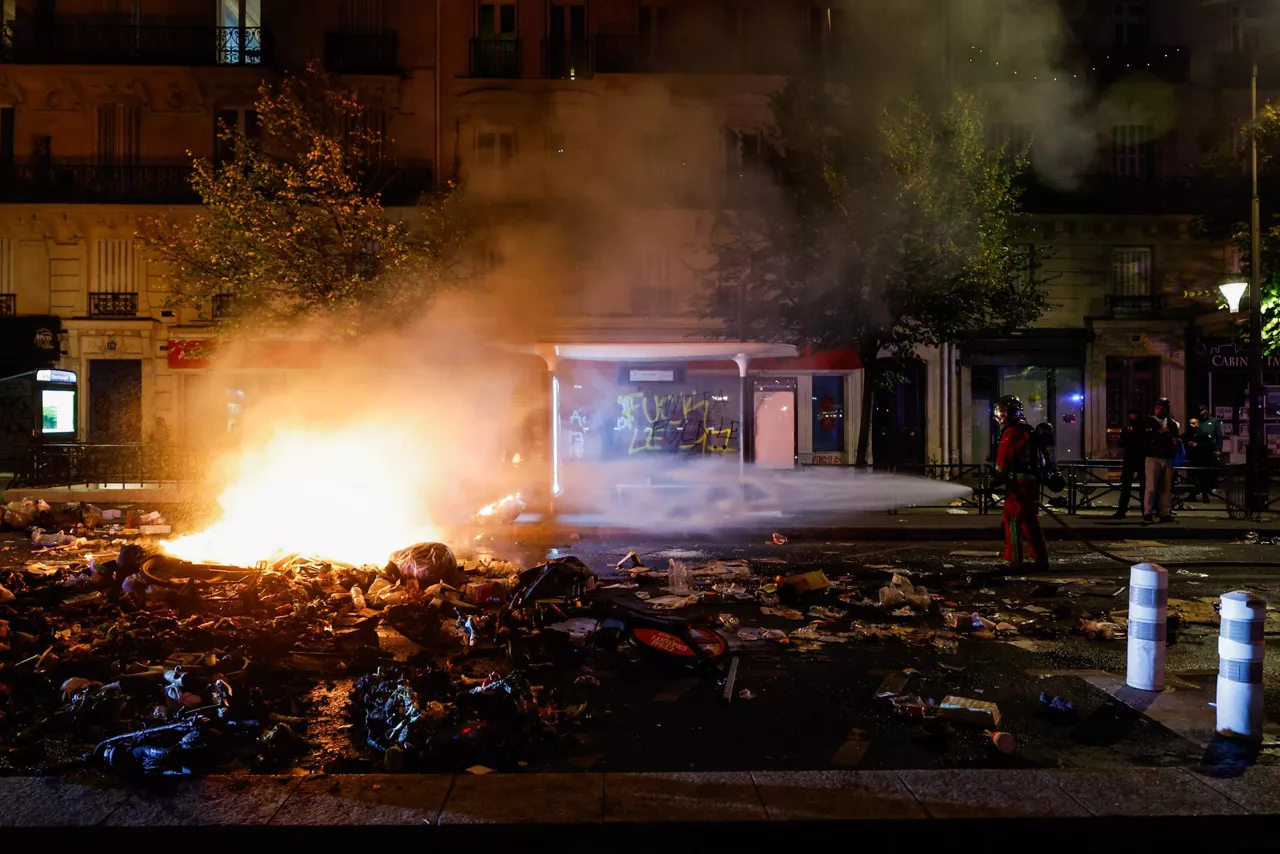
Partial curfews will be imposed in several French cities due to riots

Macron holds the far left responsible for the violence and conveys his support to the police and traders
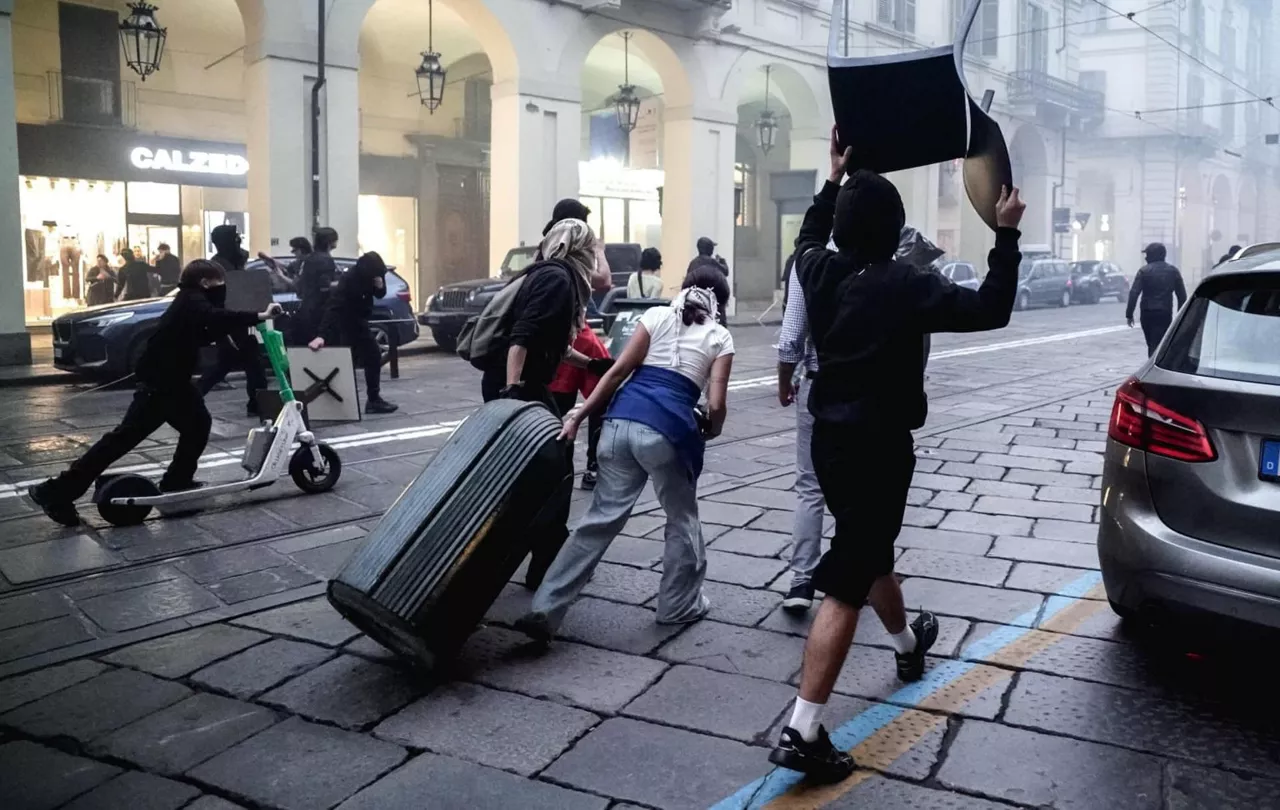
Violent protests in Italy and Albania against rising prices
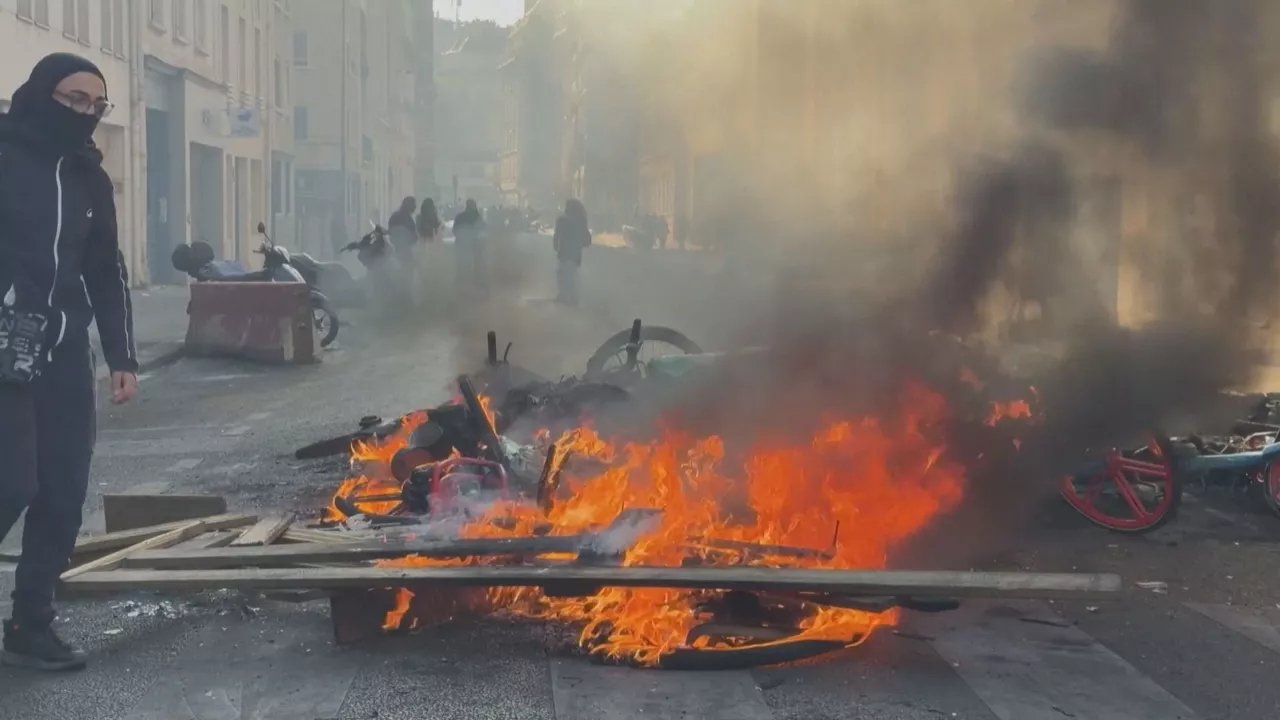
Riots erupt again in Paris the day after the protests

The Pope reappears in the Vatican to pray for the Angelus