The hot waters are approaching Antarctica, causing the ice to melt from below
Researchers have reconstructed four decades of ocean change, and for the first time they have been able to confirm through direct observations that global warming is disrupting the currents of the Southern Ocean in a worrying way . These changes affect the ability of oceans to regulate carbon and heat across the planet.


Deep ocean hot waters are dangerously approaching Antarctica, and ice platforms are threatening to melt from below, which could be critical because destabilizing these ice sheets could lead to a significant increase in sea level around the world.
Communications Earth and Environment magazine today publishes the results of a team of international researchers led by the University of Cambridge, who have collected for decades the oceanic measurements taken by ships and robotic floating devices and have been able to demonstrate that a warm mass called "deep circumpolar water" is spreading and approaching the continental shelf of Antarctica.
Researchers have reconstructed four decades of ocean change, and for the first time they have been able to confirm through direct observations that global warming is disrupting the currents of the Southern Ocean in a worrying way . These changes affect the ability of oceans to regulate carbon and heat across the planet.
"It is worrying because this hot water can leak under the ice platforms of Antarctica, melting them from below and consequently destabilizing them," says Joshua Lanham, lead author of the Earth Sciences study in Cambridge. He points out that climate models predicted this effect of global warming, but so far they have not been able to verify it with data.
Ice platforms play an important role, as they hold ice sheets and glaciers within Antarctica, which store enough fresh water to raise sea levels by about 58 metres, the University noted in the summary of the work.
These ice sheets are protected by a mass of cold water that prevents melting, but now the ocean circulation seems to have changed; "it's as if someone has opened the hot water tap and the water is heating up," says Sarah Purkey, professor and researcher at the Scripps Organization in Zeanography (University of California).
In the water that surrounds the poles, very cold and dense water is formed that sinks into the depths of the ocean, and as it sinks, it absorbs heat, carbon, and nutrients, starting a global network of currents.
You might like

The TSJPV has ruled that the villa built by Xabi Alonso in Igeldo is legal
UPV/EHU will not renew its partnership agreement with CAF after five years of running

Lack of resources is the main cause of teacher stress in the ACV, according to a study
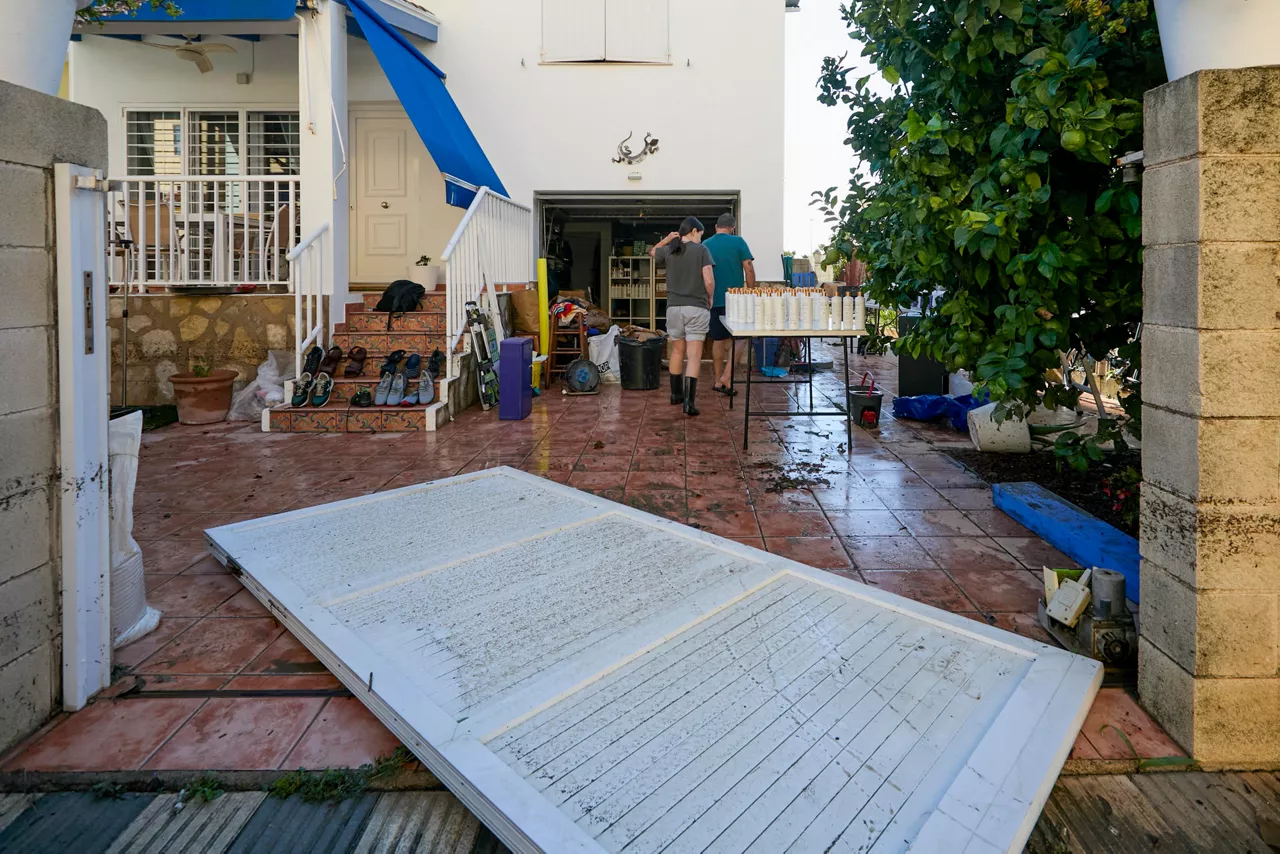
Residents are working to clean up the municipalities most affected by the isolated depression in the Adam Heights

Benta Berri residents will remain on protected rental terms

The Council will launch a virtual league between Guipuzcoan municipalities to promote healthy ageing
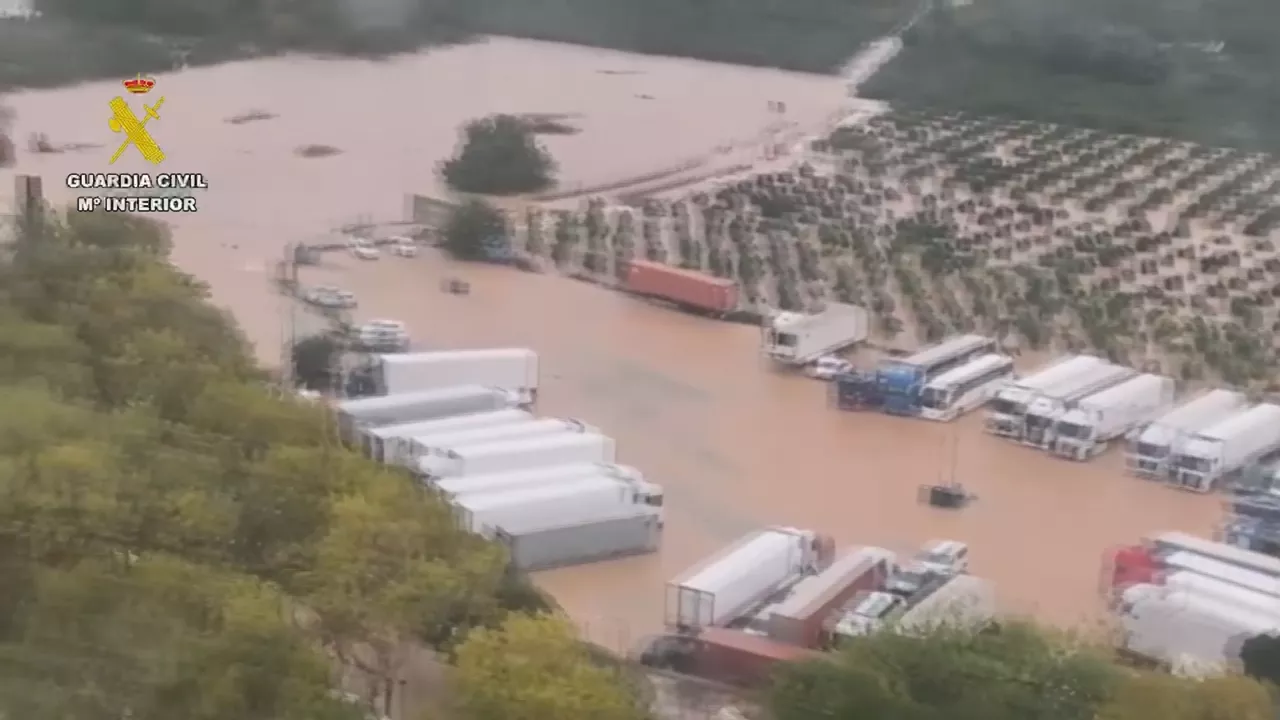
The storm has left two dead in Valencia, where the government is preparing a restraining order
The remains of Neanderthals have been found for the first time in Navarre in the caves of Abaunz

There will be news: Vaccinations in the ACV and flu vaccination in Navarre, Adam GOIDI and protests in France